
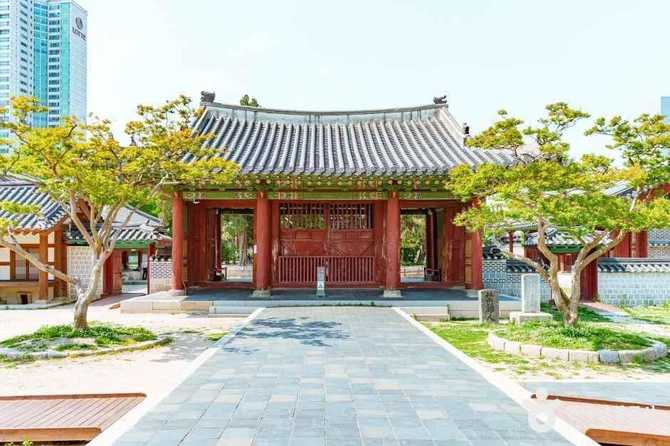
출처 : ⓒ한국관광콘텐츠랩 또는 ⓒ한국관광공사
Seoul Donggwanwangmyo: Discover the Historic Chinese Guan Yu Shrine
Location 서울특별시 종로구 난계로27길 84
Location 서울특별시 종로구 난계로27길 84
Are you interested in exploring Korea’s cultural heritage and Chinese influence? Visiting Seoul Donggwanwangmyo offers a unique glimpse into the historical ties between Korea and China through the legendary Guan Yu Shrine, a site that beautifully blends traditional architecture and cultural history.
Located in the heart of Seoul, Donggwanwangmyo is a significant cultural landmark dedicated to Guan Yu, a renowned figure from Chinese history and the Three Kingdoms period. This shrine, built in 1601 during the Joseon Dynasty, serves as a symbol of Korea-China cultural exchange and historical remembrance. It’s a must-visit for travelers eager to deepen their understanding of East Asian history, traditional architecture, and the enduring legacy of Guan Yu’s influence across borders.
At a glance
- Who this is for
-
- Travelers interested in Korean and Chinese cultural history
- History enthusiasts exploring East Asian heritage
- Visitors seeking traditional temples and historic sites in Seoul
- Cultural tourists wanting to experience Korea-China cultural exchange
- Key takeaways
-
- Built in 1601 during the Joseon Dynasty, dedicated to Guan Yu
- Reflects Chinese architectural style with unique layout and exterior
- Features a surrounding stone wall, garden, and seating areas for visitors
- Operates year-round, but parking is limited; public transportation recommended
- Symbolizes Korea-China cultural relations and historical remembrance
- Tips & cautions
-
- Check operating hours and seasonal variations before visiting
- Use public transport as parking is limited and nearby parking is paid
- Dress modestly and maintain respectful behavior inside the shrine
- Confirm holiday closures or special events in advance
- Bottom line
- Seoul Donggwanwangmyo offers a meaningful experience of East Asian history, culture, and architecture, making it a must-visit cultural site in Seoul.
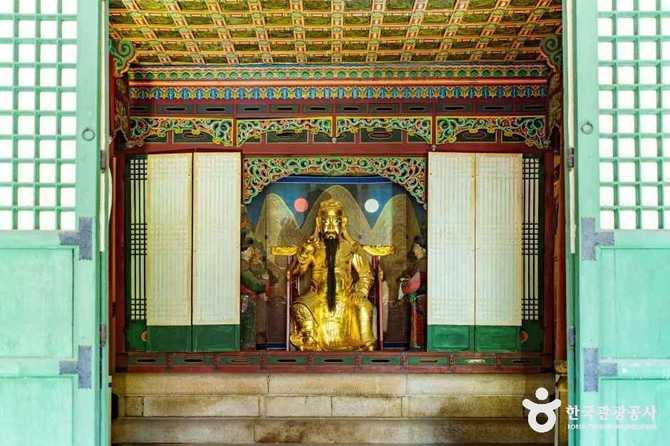
Seoul Donggwanwangmyo is a historic shrine dedicated to Guan Yu, a legendary figure from Chinese history, located in the bustling Jongno district. This site, established in 1601, stands as a testament to the long-standing cultural exchanges between Korea and China. Visitors can admire the traditional Chinese architectural style, which is reflected in the shrine’s layout and exterior, and enjoy the peaceful gardens and stone walls that surround the area. The shrine’s historical significance is rooted in its connection to the Imjin War (Japanese invasions of Korea) and the role of Guan Yu, a revered general, whose influence extended beyond China into Korea’s cultural sphere.
Today, Donggwanwangmyo remains a vibrant cultural landmark, open throughout the year for visitors seeking to explore Korea’s layered history and its ties with Chinese tradition. The site functions not only as a place of remembrance but also as a tranquil space for locals and tourists to relax and enjoy the natural surroundings. Its unique blend of Chinese architectural elements and Korean historical context makes it a fascinating destination for those interested in East Asian culture and history.
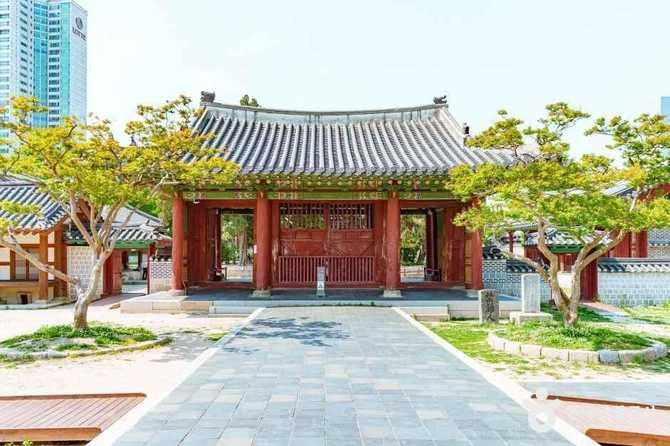
Before planning your visit, it’s advisable to check the operating hours, especially during seasonal changes, and to use public transportation due to limited parking options. Whether you are a history buff, a cultural explorer, or simply seeking a peaceful retreat in Seoul, Donggwanwangmyo provides a meaningful experience that highlights the enduring legacy of Chinese influence in Korea’s historical landscape.
Overview and Historical Background of Seoul Donggwanwangmyo
Seoul Donggwanwangmyo is a historically significant site that celebrates the legendary Chinese general Guan Yu, a prominent figure from the Three Kingdoms period. This shrine, located in the Jongno district of Seoul, embodies a unique cultural exchange between Korea and China, reflecting centuries of shared history and tradition. Built in 1601 during the Joseon Dynasty, Donggwanwangmyo was established to honor Guan Yu’s legacy and his role during the Imjin War, a pivotal conflict in Korean history involving Japanese invasions. The shrine’s founding was further reinforced when Chinese Emperor Shenzong sent a calligraphy plaque, emphasizing its importance as a symbol of friendship and cultural ties between the two nations.
Today, Donggwanwangmyo remains a vital cultural relic, offering visitors a glimpse into East Asian history through its architecture and surrounding gardens. The shrine’s layout reflects traditional Chinese architectural principles, with a distinctive design that sets it apart from typical Korean temples. Despite its age, the shrine has retained its spiritual and cultural significance, serving as a place of remembrance for Guan Yu and a symbol of Korea-China relations. Visitors can explore the site’s historical background, which highlights its importance during the Joseon era and its role in fostering cultural diplomacy. The shrine’s connection to the Imjin War and its preservation as a cultural heritage site make it an essential destination for those interested in East Asian history, traditional architecture, and cross-cultural exchanges.
In summary, Seoul Donggwanwangmyo is not just a shrine but a historical monument that encapsulates the enduring friendship and cultural ties between Korea and China. Its origins date back over four centuries, and its continued preservation allows visitors to experience a tangible link to the past. Whether you are a history enthusiast or a curious traveler, understanding the background of this site enriches your visit, making it a meaningful journey into East Asian cultural history.
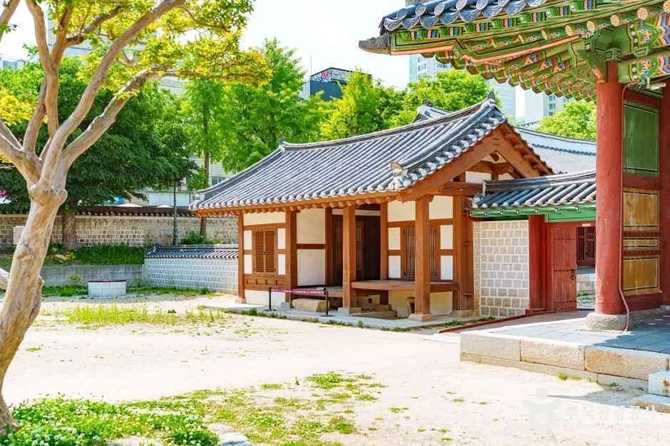
Architectural Features and Cultural Significance of Donggwanwangmyo
| Aspect | Details | Remarks |
|---|---|---|
| Architectural Style | Chinese traditional architecture with distinct layout and exterior features | Reflects Chinese cultural influence, contrasting with Korean temple styles |
| Building Layout | Symmetrical, with a main hall and surrounding structures | Designed to embody harmony and balance, typical of Chinese temples |
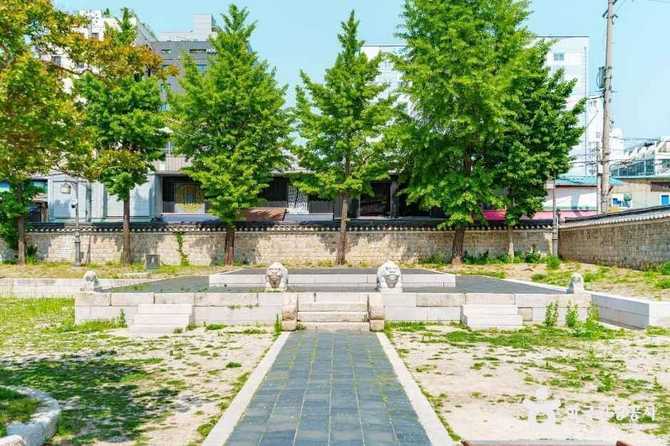
| Exterior Features | Earthen walls, garden with trees, and seating areas | Creates a tranquil environment for visitors and worshippers |
| Cultural Significance | Symbolizes Korea-China cultural exchange and historical remembrance | A site of historical diplomacy and shared heritage |
| Preservation | Maintained as a cultural heritage site with ongoing conservation efforts | Ensures the architectural integrity and historical value are preserved |
The architectural features of Seoul Donggwanwangmyo beautifully showcase Chinese design elements, including the layout and external appearance. The earthen walls and garden with traditional trees create a peaceful setting, while the symmetrical structure emphasizes harmony and balance. The design reflects a deep cultural connection, serving as a physical manifestation of the historical ties between Korea and China. This unique blend of architecture and cultural symbolism makes Donggwanwangmyo a significant site for understanding East Asian cultural exchanges and architectural traditions.
Visitor Information and Practical Tips for Visiting Donggwanwangmyo
- Operating Hours: – Summer (March to October): 09:00–18:00
– Winter (November to February): 09:00–17:00 - Closed on: Open year-round, no holidays.
- Location: Seoul, Jongno District, Nandae-ro 27-gil 84
- Transportation: The site does not have dedicated parking. Visitors are encouraged to use public transportation such as subway or buses for convenience.
- Contact: 02-2148-2034
- Website: Check the Korea Cultural Heritage Administration website for updates.
To ensure a smooth visit, check the weather forecast and operational updates before heading out. Arriving early in the day allows for a more peaceful experience, especially during weekends or holidays. Remember to maintain respectful behavior inside the shrine, as it is a place of cultural reverence and historical importance.
Why Visit Donggwanwangmyo: Key Highlights and Recommendations
| Highlight | Details | Why It Matters |
|---|---|---|
| Rich Cultural Heritage | Dedicated to Guan Yu, a legendary Chinese general, with historical ties to Korea | Provides insight into Korea-China historical relations and East Asian martial traditions |
| Unique Architectural Style | Features Chinese traditional architecture with symmetrical layout, earthen walls, and garden | Aesthetic and cultural experience that differs from typical Korean temples |
| Year-Round Accessibility | Open throughout the year with no holidays, but seasonal hours vary | Ideal for flexible planning and spontaneous visits |
| Serene Environment | Surrounding gardens, trees, and seating areas for relaxation and reflection | A peaceful retreat amidst urban Seoul for locals and tourists |
| Cultural Exchange Symbol | Represents Korea-China diplomatic and cultural ties | Highlights the importance of cross-cultural understanding and history |
Visiting Seoul Donggwanwangmyo offers a rare opportunity to experience a blend of historical significance, traditional Chinese architecture, and cultural diplomacy. It’s highly recommended for travelers who wish to deepen their appreciation of East Asian history and enjoy a tranquil environment that celebrates Korea-China relations. Whether you are a history enthusiast, a cultural explorer, or seeking a peaceful outdoor space, this site provides meaningful insights and memorable experiences.
Visitor Checklist for a Smooth and Enjoyable Experience at Donggwanwangmyo
- Check the operating hours and seasonal variations before your visit to ensure the shrine is open.
- Use public transportation such as subway or buses, as parking is limited and nearby paid parking lots fill quickly.
- Confirm whether there are any special events or closures on the day of your visit.
- Wear comfortable shoes suitable for walking around the shrine and gardens.
- Dress modestly and respectfully, maintaining appropriate decorum inside the shrine.
- Bring water, especially during hot summer months, and check the weather forecast to prepare accordingly.
- Arrive early in the day for a more peaceful experience and to avoid crowds.
- Follow local guidelines and respect the cultural significance of the site during your visit.
Frequently Asked Questions (FAQ)
Q1: When is the best time to visit Seoul Donggwanwangmyo?
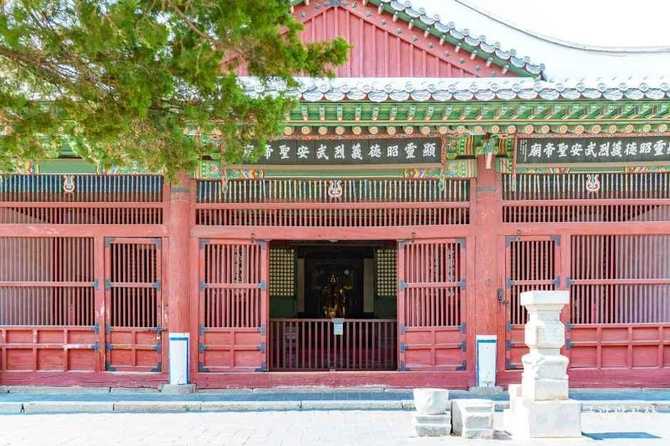
Seoul Donggwanwangmyo is open year-round, with operating hours from 09:00 to 18:00 during summer (March to October) and 09:00 to 17:00 in winter (November to February). Visiting during weekdays or early mornings can provide a quieter experience.
Q2: Is there parking available at Seoul Donggwanwangmyo?
No, there is no dedicated parking lot at the shrine. Visitors are encouraged to use public transportation such as subway or buses for convenience, as nearby paid parking lots may fill quickly during peak hours.
Q3: What are the architectural features of Donggwanwangmyo?
The shrine reflects traditional Chinese architecture with a symmetrical layout, earthen walls, garden with trees, and seating areas. Its external appearance showcases Chinese cultural influence, contrasting with typical Korean temples.
Q4: How do I get to Seoul Donggwanwangmyo using public transportation?
The site is accessible via subway and bus routes in Seoul’s Jongno district. It is recommended to check local transit maps for the nearest stations and bus stops, as there is no on-site parking.
Q5: Are there any special rules or etiquette to follow when visiting Donggwanwangmyo?
Visitors should dress modestly, maintain respectful behavior, and keep noise to a minimum inside the shrine. It is customary to show respect to the site’s cultural and historical significance.
Q6: What is the historical significance of Seoul Donggwanwangmyo?
Built in 1601 during the Joseon Dynasty, the shrine commemorates Guan Yu, a legendary Chinese general, and symbolizes Korea-China cultural relations. It played a role during the Imjin War and was reinforced by Chinese Emperor Shenzong’s calligraphy plaque, emphasizing its diplomatic importance.
Experience the Rich Cultural Heritage at Seoul Donggwanwangmyo
Visiting Seoul Donggwanwangmyo offers a meaningful opportunity to connect with East Asian history and cultural exchange. This historic site, dedicated to the legendary Chinese general Guan Yu, embodies centuries of shared heritage between Korea and China. Whether you are a history enthusiast, a lover of traditional architecture, or a curious traveler exploring Seoul’s cultural landscape, this shrine provides a unique glimpse into the past. Its Chinese architectural style, combined with peaceful gardens and historical significance, makes it a must-visit destination for those seeking a deeper understanding of Korea’s multicultural history.
Remember to plan your visit carefully by checking operating hours and seasonal variations. Public transportation is highly recommended due to limited parking options, and arriving early can help you enjoy the site in a tranquil setting. Respectful attire and quiet demeanor are appreciated to preserve the solemn atmosphere of this important cultural heritage site. By exploring Seoul Donggwanwangmyo, you will not only witness a beautiful example of Chinese-influenced architecture but also gain insight into Korea-China relations that have endured for over four centuries. This site stands as a testament to the enduring friendship and shared history between the two nations, making your visit both educational and inspiring.
In conclusion, Seoul Donggwanwangmyo is more than just a shrine—it is a living monument of East Asian cultural ties. Its historical background, architectural beauty, and tranquil environment create an enriching experience for all visitors. Taking the time to explore this site will deepen your appreciation for Korea’s diverse cultural heritage and the longstanding connections with China. Whether you are on a cultural tour or seeking a peaceful retreat within the city, this remarkable site provides an authentic and memorable journey into the past that continues to influence the present. Be sure to include Seoul Donggwanwangmyo in your itinerary for an insightful and rewarding experience of Korea’s historical landscape.