
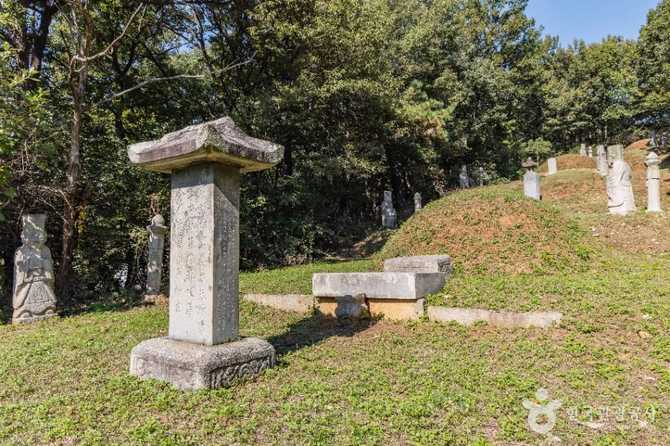
출처 : ⓒ한국관광콘텐츠랩 또는 ⓒ한국관광공사
Discover the Historical Significance of Jeongsun Ongju’s Tomb in Guro-gu, Seoul
Location 서울특별시 구로구 궁동 산1-66
Location 서울특별시 구로구 궁동 산1-66
Are you interested in exploring Korea’s royal history and cultural heritage? Visiting Jeongsun Ongju’s Tomb in Guro-gu offers a unique opportunity to delve into the late Joseon Dynasty’s royal burial customs and appreciate a peaceful natural setting within the city.
At a glance
- Who this is for
-
- History enthusiasts eager to explore Joseon royal tombs
- Travelers seeking cultural and historical sites in Seoul
- Locals and visitors interested in Korea’s royal heritage
- Nature lovers wanting a peaceful park experience
- Key takeaways
-
- Jeongsun Ongju was the seventh daughter of King Seonjo of Joseon.
- The tomb is located in Guro-gu, Seoul, within a scenic natural environment.
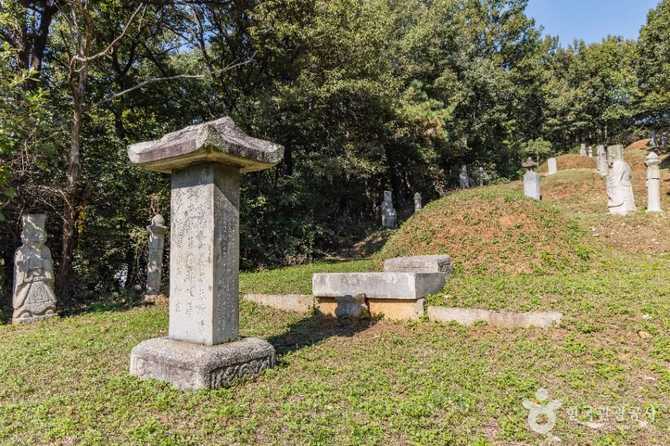
- It features traditional stone steles and royal burial markers from the Joseon era.
- The site is open year-round and free to visit, with easy access via public transportation.
- Nearby Gungdong Ecological Park offers a combined experience of history and nature.
- Tips & cautions
-
- Visit quietly and respectfully to preserve the site’s dignity.
- Maintain cleanliness and avoid littering in the park and tomb area.
- Respect the natural surroundings and stay within designated paths.
- Check opening hours and accessibility details before planning your trip.
- Bottom line
- Jeongsun Ongju’s Tomb in Guro-gu is a meaningful cultural site that beautifully combines Korea’s royal history with serene natural scenery.
Welcome to our comprehensive guide on Jeongsun Ongju’s Tomb, a significant historical site located in the heart of Guro-gu, Seoul. This site offers visitors a rare glimpse into the burial customs of the Joseon royal family, specifically the 14th king Seonjo’s lineage. As a cultural heritage site, the tomb is not only a place of reverence but also an educational resource for those interested in Korea’s royal history and traditional tomb architecture.
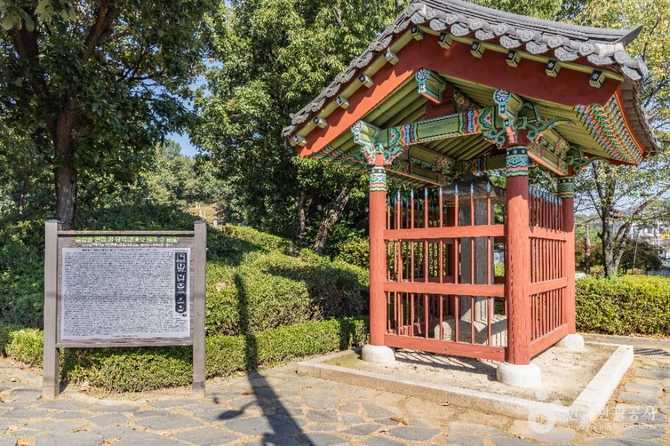
Visiting Jeongsun Ongju’s Tomb provides an enriching experience, combining historical discovery with the tranquility of a natural park. Situated within a lush ecological environment, the tomb is easily accessible via Seoul’s public transportation network, making it an ideal destination for both local residents and international travelers. Whether you are a history buff, a cultural explorer, or someone seeking a peaceful outdoor retreat, this site offers meaningful insights and scenic beauty.
In this guide, you will find detailed information about the tomb’s historical background, its location and natural surroundings, tips for visiting, and nearby attractions such as Gungdong Ecological Park. We aim to help you plan a respectful and rewarding visit to this important cultural heritage site, ensuring you gain a deeper understanding of Korea’s royal past while enjoying a serene natural setting.
Historical Background of Jeongsun Ongju’s Tomb
Jeongsun Ongju’s Tomb is a significant cultural heritage site located in Guro-gu, Seoul, representing the burial traditions of the late Joseon Dynasty. As the tomb of Jeongsun Ongju, the seventh daughter of King Seonjo, this site offers valuable insights into Korea’s royal family history and traditional tomb architecture. The focus on the historical background of this site helps visitors understand its importance in Korean cultural heritage and its role in preserving royal lineage information.
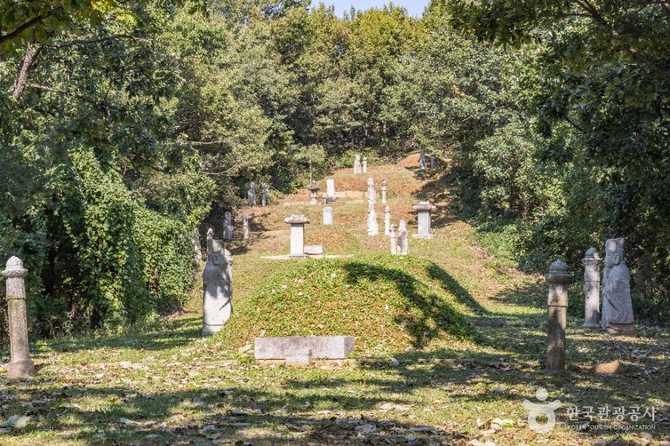
Jeongsun Ongju was born during a turbulent period in Korean history and married into the influential Andong Kwon family, which played a prominent role in Joseon politics and society. Her tomb, situated in the scenic natural environment of Guro-gu, is carefully designed according to traditional geomantic principles, known as 풍수지리 (pungsu). This positioning is believed to maximize harmony with the surrounding landscape, ensuring the spiritual well-being of the deceased and their descendants.
The tomb’s construction reflects the customs and architectural styles of the Joseon era, including stone stele markers, memorial tablets, and specific burial arrangements. These features are invaluable for scholars studying Joseon royal and noble burial practices. The site also contains inscriptions and stone carvings that depict the life and status of Jeongsun Ongju, providing further historical context.
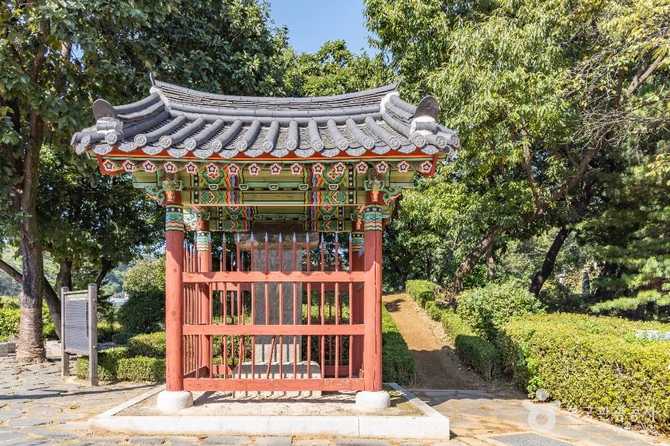
This historical background emphasizes the significance of Jeongsun Ongju’s tomb not only as a royal burial site but also as a symbol of Korea’s rich cultural and historical traditions. Visiting this site allows travelers to connect with Korea’s royal past, understand traditional burial customs, and appreciate the importance of preserving cultural heritage for future generations.
Comparison of Location and Natural Environment
| Aspect | Details |
|---|---|
| Location | Guro-gu, Seoul, Korea (Guro-dong, 산1-66) |
| Accessibility | Accessible via subway and bus, located within urban area |
| Natural Environment | Surrounded by Gungdong Ecological Park, with lakes, diverse flora, and trees |
| Main Features | Traditional tomb stones, stone stele, memorial tablets, scenic park setting |
| Environment Type | Urban park with historical site integration |
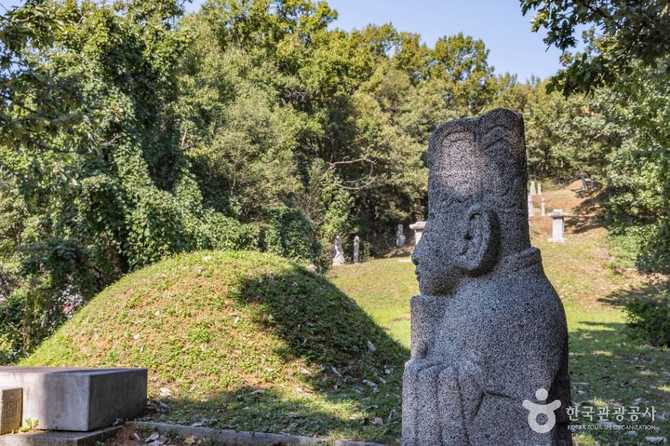
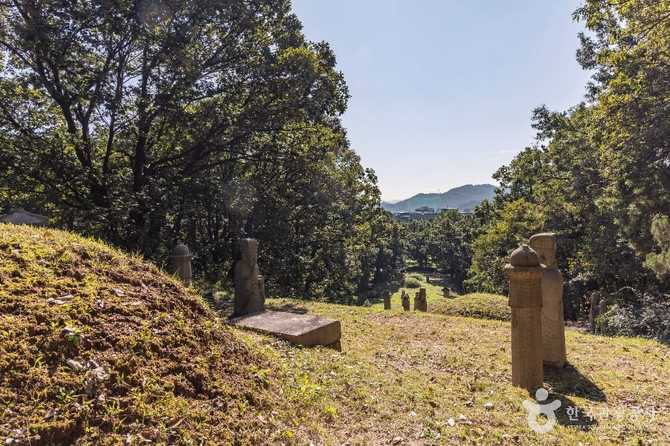
The location of Jeongsun Ongju’s Tomb in Guro-gu combines the convenience of city accessibility with a serene natural environment. The site is nestled within the Gungdong Ecological Park, which features a tranquil lake, lush trees, and flowering plants, creating a peaceful atmosphere ideal for reflection and learning. This harmonious blending of urban infrastructure and natural beauty makes it a unique cultural site, allowing visitors to enjoy both Korea’s historical legacy and its vibrant natural landscape.
Features and Heritage Value
- Traditional Tomb Architecture: The tomb features classic Joseon Dynasty styles, including stone stele markers and burial mounds aligned according to geomantic principles.
- Historical Inscriptions: The site contains carved inscriptions and memorial tablets that provide insights into the life of Jeongsun Ongju and her family.
- Royal and Noble Significance: As the burial site of a princess of the Joseon royal family, the tomb exemplifies royal burial customs and architectural standards.
- Scenic Natural Setting: Surrounded by lush greenery and water features, the tomb is part of a larger ecological park that enhances its aesthetic and spiritual appeal.
- Research and Cultural Value: The tomb and its accompanying stone monuments are valuable resources for scholars studying Joseon dynasty funeral rites and royal genealogy.
The features of Jeongsun Ongju’s tomb highlight its importance as a cultural and historical monument. Its architecture and inscriptions serve as tangible links to Korea’s royal past, making it a meaningful destination for history enthusiasts and cultural explorers alike. Visitors are encouraged to appreciate the site with respect and mindfulness, ensuring its preservation for years to come.
Visiting Tips and Nearby Attractions
For an enriching experience when visiting Jeongsun Ongju’s Tomb, consider the following tips and explore nearby attractions to make the most of your trip. The site is conveniently located within Gungdong Ecological Park, offering a perfect blend of history and nature.
- Plan Your Visit: The tomb is open year-round and free to enter. Check local transportation options—accessible via subway and bus—to ensure a smooth journey.
- Arrive Early: Visiting in the morning allows for a quieter experience and better appreciation of the serene environment.
- Respect the Site: Maintain a respectful silence, do not disturb the graves or inscriptions, and avoid littering to preserve the site’s dignity.
- Bring Essentials: Wear comfortable shoes suitable for walking, and bring water or sun protection depending on the weather.
- Combine with Nearby Attractions: After exploring the tomb, enjoy a walk in Gungdong Ecological Park, which features scenic lakes, lush trees, and blooming flowers.
- Capture Respectfully: Photography is allowed, but avoid flash photography near inscriptions and respect visitors’ privacy.
- Stay Informed: For detailed information, visit the official website or contact Guro-gu Cultural Tourism Office at 02-860-2410.
Visitor Checklist for Jeongsun Ongju’s Tomb
- Confirm the location: Guro-gu, Seoul, Korea (Guro-dong, 산1-66)
- Check transportation options: Subway lines and bus routes to Gungdong Station
- Dress appropriately: Comfortable walking shoes, sun protection, and weather-appropriate clothing
- Bring essentials: Water, camera, and any personal items needed for a comfortable visit
- Respect the environment: Do not litter, stay on designated paths, and keep noise to a minimum
- Prepare for natural surroundings: Be mindful of uneven terrain and natural features in the park
- Review opening hours: The site is open year-round and free of charge
- Contact for inquiries: Guro-gu Cultural Tourism Office at 02-860-2410 for questions or updates
Whether you visit during the day or evening, Discover the Historical Significance of is a meaningful stop on any Seoul itinerary for history-minded travelers.
Frequently Asked Questions (FAQ)
Jeongsun Ongju’s Tomb is situated in Guro-gu, Seoul, specifically at Guro-dong 산1-66. It is easily accessible via public transportation within the city.
The tomb is the burial site of Jeongsun Ongju, the seventh daughter of King Seonjo of Joseon, and provides valuable insights into royal burial customs and Joseon dynasty history. It is an important cultural heritage site for understanding Korea’s royal lineage.
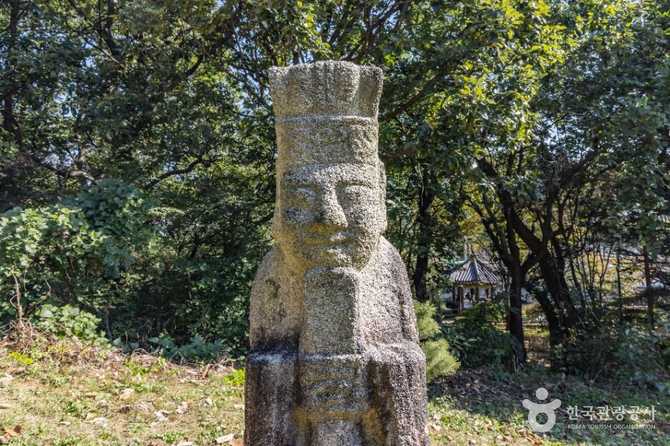
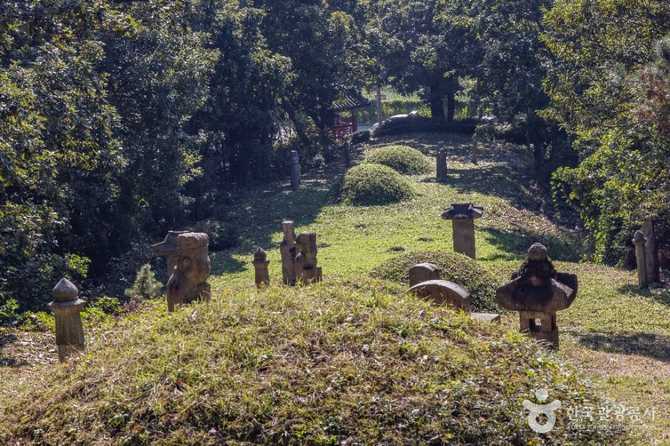
Visitors will find traditional stone stele markers, memorial tablets, and burial mounds aligned according to geomantic principles. The site also includes inscriptions and stone carvings depicting the life of Jeongsun Ongju.
No, the tomb is open year-round and free of charge. Visitors can explore the site at any time without admission fees.
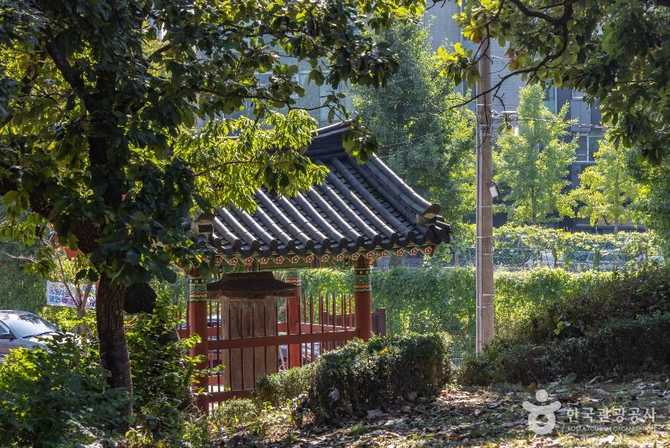
The tomb is accessible via Seoul’s subway and bus networks, located within Guro-gu, making it convenient for visitors to reach from various parts of the city.
Yes, nearby Gungdong Ecological Park offers scenic lakes, lush trees, and walking trails, providing a natural environment to complement your visit to the tomb. It is an ideal spot for relaxation and outdoor activities after exploring the historical site.
Conclusion: Experience the Rich Heritage of Jeongsun Ongju’s Tomb in Guro-gu
Visiting Jeongsun Ongju’s Tomb in Guro-gu offers a meaningful opportunity to connect with Korea’s royal history and cultural traditions. This historic site not only provides insights into the burial customs of the Joseon Dynasty but also allows visitors to enjoy a tranquil natural environment within the city. Whether you are a history enthusiast, a cultural explorer, or simply seeking a peaceful outdoor experience, the tomb’s harmonious blend of heritage and nature makes it a must-visit destination in Seoul.
The site’s well-preserved stone monuments, inscriptions, and traditional architecture serve as tangible links to Korea’s past, while its scenic surroundings in Gungdong Ecological Park enhance the overall experience. Accessibility is convenient via public transportation, and the site is open year-round free of charge, making it an easy and rewarding addition to your cultural itinerary. Remember to visit with respect and mindfulness, helping preserve this valuable heritage for future generations.
Exploring Jeongsun Ongju’s Tomb in Guro-gu is more than just a sightseeing activity; it is an opportunity to appreciate Korea’s rich history and natural beauty simultaneously. Take your time to reflect, learn, and enjoy the peaceful atmosphere of this historical monument. By doing so, you will gain a deeper understanding of Korea’s royal legacy and the importance of preserving cultural sites. Plan your visit today and experience the profound significance of this remarkable heritage site firsthand.