
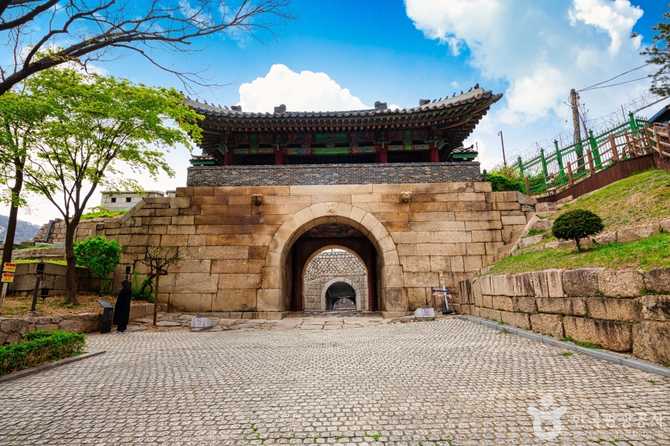
출처 : ⓒ한국관광콘텐츠랩 또는 ⓒ한국관광공사
Discover Seoul’s Changui Gate (Jaha Gate): A Historic Fortress Entrance
Location 서울특별시 종로구 창의문로 118 (부암동)
Location 서울특별시 종로구 창의문로 118 (부암동)
Are you interested in exploring Seoul’s rich history through its ancient city gates? Visiting Changui Gate (Jaha Gate) offers a unique glimpse into Korea’s architectural heritage and the city’s defensive past. This guide provides essential information about the history, architectural features, and visiting tips for Seoul’s iconic Changui Gate, a vital cultural landmark that has stood since the Joseon Dynasty.
At a glance
- Who this is for
-
- Travelers interested in Seoul’s historic architecture
- Cultural heritage enthusiasts and history buffs
- Researchers studying Joseon Dynasty city planning
- Tourists seeking free cultural sites in Seoul
- Urban explorers wanting to experience traditional Korean city defenses
- Key takeaways
-
- Seoul’s Changui Gate (Jaha Gate) is one of the four main gates of the ancient city wall, located on the northern side.
- Restored in 1741 with a newly built watchtower, it is designated as a cultural heritage site and free to visit year-round.
- The gate’s architecture features traditional wooden structures, stone foundations, and decorative motifs like rainbow-shaped eaves and phoenix carvings.
- It symbolizes Seoul’s historical defense system and royal authority during the Joseon Dynasty.
- Visitors are encouraged to use public transportation, as parking is unavailable nearby.
- Tips & cautions
-
- Check the latest opening hours and accessibility info via official sources before visiting.
- Avoid parking; opt for subway or bus routes to reach the site conveniently.
- Visit during spring or autumn to enjoy scenic views with cherry blossoms or fall foliage.
- Respect the site and avoid touching or damaging the historic structures.
- Bottom line
- Seoul’s Changui Gate is a vital cultural heritage site that beautifully showcases Korea’s historic architecture and urban history, offering an enriching experience for all visitors.
Seoul’s Changui Gate, also known as Jaha Gate, stands as a testament to Korea’s rich history and architectural craftsmanship. As one of the four main gates of the ancient city wall, it played a crucial role in Seoul’s defense and city planning during the Joseon Dynasty. Today, it is preserved as a cultural heritage site, allowing visitors to step back in time and appreciate Korea’s historical urban landscape.
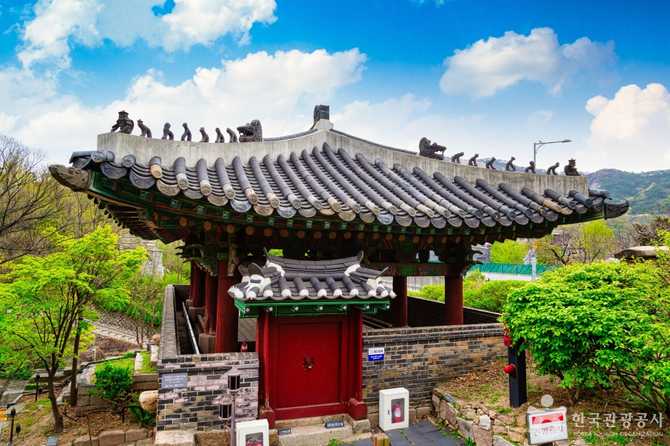
This guide aims to provide comprehensive information about the history, architectural features, and practical tips for visiting Seoul’s Changui Gate. Whether you are a history enthusiast, a cultural tourist, or a researcher, understanding the significance of this historic gate will enrich your experience. The site’s free admission and year-round accessibility make it an ideal stop for travelers eager to explore Seoul’s traditional architecture and cultural symbols.
From its construction during the early 15th century to its restoration in the 18th century, Changui Gate embodies Korea’s architectural ingenuity and historical resilience. Its picturesque wooden structures, stone bases, and decorative motifs reflect the artistic and technical skills of ancient Korean craftsmen. Visiting this site not only offers a visual feast but also deepens understanding of Seoul’s urban development and defensive strategies through centuries of Korean history.
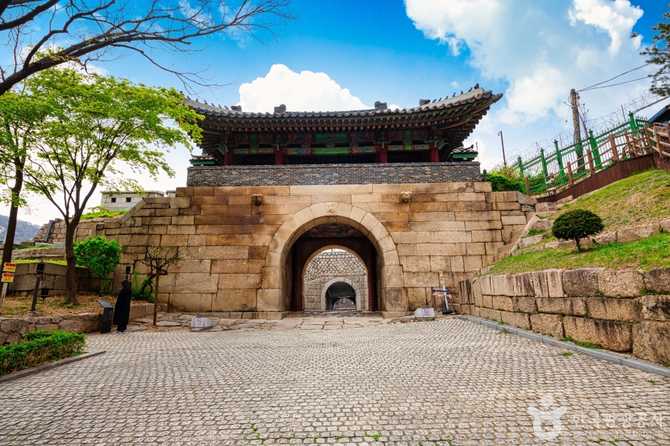
Overview of Seoul’s Changui Gate (Jaha Gate)
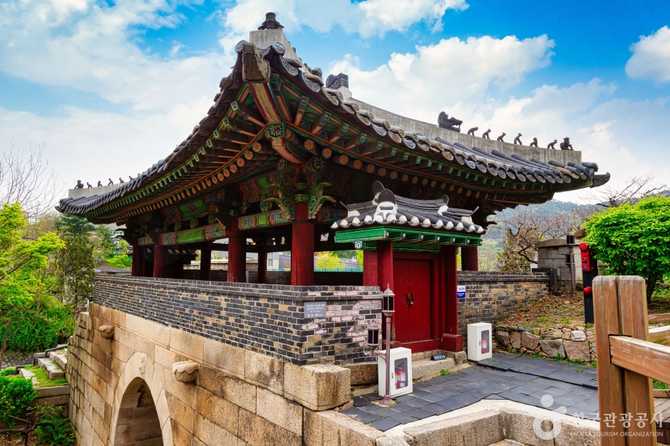
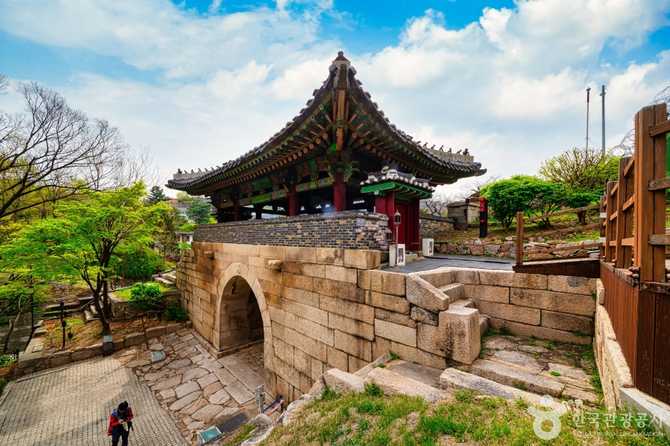
Seoul’s Changui Gate, also known as Jaha Gate, is a significant historical and architectural landmark that exemplifies Korea’s rich cultural heritage. As one of the four main gates of the ancient Seoul Fortress, it has played a crucial role in the city’s defense, urban planning, and cultural symbolism since the Joseon Dynasty. This historic gate, situated on the northern side of the city, offers visitors a unique glimpse into Korea’s past through its preserved architecture and historical significance. The name ‘Changui’ means ‘to reveal or display the right or proper thing,’ reflecting its symbolic importance in Seoul’s city layout and defense system. Originally constructed during the early 15th century, the gate underwent major restoration in 1741, when a new watchtower was added, reinforcing its strategic and aesthetic value. Today, Changui Gate is a designated cultural heritage site, recognized for its architectural beauty and historical importance. It features traditional wooden structures, stone foundations, and decorative motifs such as rainbow-shaped eaves, phoenix carvings, and lotus leaf motifs, which highlight Korea’s artistic craftsmanship. Visitors can explore the site freely, as it is open year-round without admission fees, making it an accessible window into Seoul’s historical urban landscape. The gate not only served as a defensive barrier but also as a symbol of royal authority and city resilience during turbulent periods of Korean history. Its preservation allows travelers and scholars alike to appreciate the intricate balance of functionality and artistry in traditional Korean architecture. Whether you are interested in Korea’s history, architecture, or cultural symbolism, Seoul’s Changui Gate offers an engaging experience that connects the past with the present, enriching your understanding of Korea’s urban development and cultural identity.
Comparison of Architectural Features of Seoul’s Changui Gate
| Feature | Details | Remarks |
|---|---|---|
| Structure Type | Wooden watchtower with stone foundation | Traditional Korean fortress architecture |
| Construction Material | Wood and natural stone | Durable and historically authentic materials |
| Decorative Motifs | Rainbow-shaped eaves, phoenix carvings, lotus leaf motifs | Reflects Korean artistic craftsmanship |
| Restoration Year | 1741 | Major restoration with new watchtower added |
| Design Significance | Traditional fortress gate with aesthetic decorative elements | Combines functionality with artistic beauty |
Visitor Checklist and Tips for Exploring Seoul’s Changui Gate
- Check Opening Hours: Verify the latest visiting hours on the official website or contact the visitor center (02-730-9924) before your trip, as hours may vary seasonally.
- Transportation: Use public transportation such as subway or bus, since there is no parking available nearby.
- Best Visiting Seasons: Spring (for cherry blossoms) and autumn (for vibrant fall foliage) offer particularly scenic views.
- Respect the Site: Avoid touching or damaging the structures; preserve the site for future visitors.
- Photography: Feel free to take photos, but be mindful of other visitors and avoid flash photography that may harm the artifacts.
- Prepare for Weather: Check the weather forecast and dress appropriately, especially if visiting during the colder months or rainy season.
- Visit with Respect: Remember that Changui Gate is a protected cultural site; avoid climbing on structures or removing artifacts.
- Combine with Nearby Attractions: Consider walking along the Seoul Fortress Wall or exploring nearby historic sites for a comprehensive cultural experience.
Cultural Heritage Significance of Seoul’s Changui Gate
Cultural Heritage Value
- Historical Role
-
- Served as a primary gate for city defense during the Joseon Dynasty.
- Functioned as a key transportation and communication hub within Seoul’s city wall.
- Symbolized royal authority and the resilience of Seoul’s urban structure.
- Architectural Significance
-
- Exemplifies traditional Korean fortress architecture with wooden watchtower and stone base.
- Features artistic motifs such as phoenix carvings and rainbow-shaped eaves that showcase Korea’s craftsmanship.
- Represents the aesthetic integration of functionality and artistic beauty in historic Korean structures.
- Conservation and Restoration
-
- Restored in 1741, with efforts to preserve the original design and materials.
- Designated as a cultural heritage site, ensuring ongoing protection and public accessibility.
- Continuously maintained to reflect its historical significance and architectural integrity.
Visitor Checklist and Tips for Exploring Seoul’s Changui Gate
- Verify Operating Hours: Confirm current visiting hours and any seasonal closures via the official website or by contacting the visitor center at 02-730-9924, as hours may vary.
- Transportation Planning: Use public transit options like subway lines or buses, since there is no parking available at or near the site.
- Best Visiting Seasons: Plan your visit during spring for cherry blossoms or autumn for vibrant foliage to enhance your experience.
- Respect the Site: Avoid climbing on structures or touching artifacts to help preserve this cultural heritage for future visitors.
- Photography Tips: Take photos responsibly, avoiding flash to protect the artifacts and being considerate of other visitors.
- Weather Preparation: Check the weather forecast beforehand and dress appropriately, especially in colder or rainy seasons.
- Combine with Nearby Attractions: Consider walking along the Seoul Fortress Wall or visiting other nearby historic sites for a more comprehensive cultural experience.
Whether you visit during the day or evening, Discover Seoul’s Changui Gate is a meaningful stop on any Seoul itinerary for history-minded travelers.
Frequently Asked Questions (FAQ)
Q1: What is the historical significance of Seoul’s Changui Gate (Jaha Gate)?
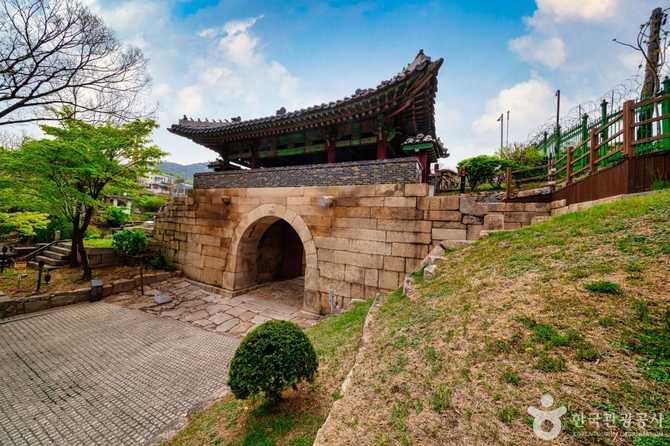
Changui Gate, also known as Jaha Gate, was a key entrance in Seoul’s ancient city wall during the Joseon Dynasty. It served both as a defensive structure and a symbol of royal authority, reflecting Seoul’s historical urban planning and military strategy.
Q2: When was Changui Gate restored and what are its main architectural features?
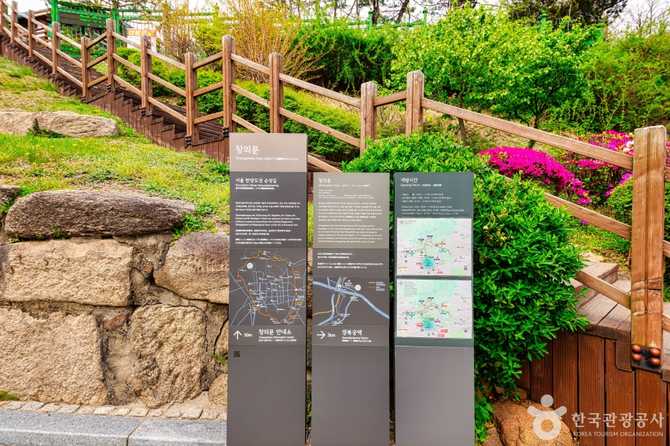
The gate was restored in 1741, during which a new watchtower was built. Its architecture features traditional wooden structures, stone foundations, rainbow-shaped eaves, phoenix carvings, and lotus leaf motifs, exemplifying Korean fortress design.
Q3: Is Changui Gate open to the public, and is there an admission fee?
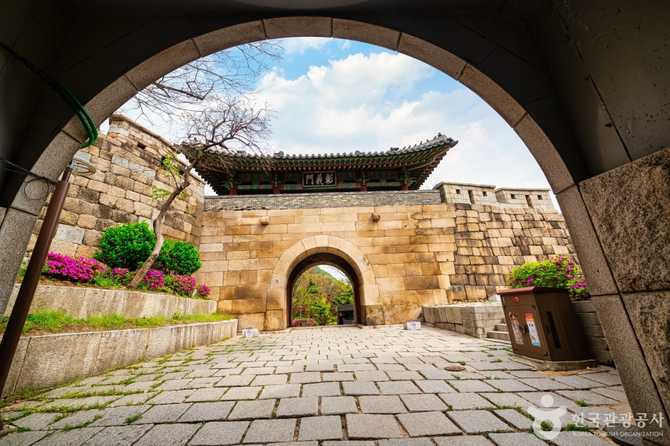
Yes, Changui Gate is open year-round to visitors and free of charge. It is a designated cultural heritage site, allowing free access for sightseeing and educational purposes.
Q4: How can I best visit Changui Gate in Seoul?
Visitors are recommended to use public transportation such as subway or bus, as there is no parking available nearby. Check the official hours before visiting, especially during different seasons, to ensure the site is open.
Q5: What should I keep in mind when visiting Changui Gate?
Respect the site by avoiding touching or damaging the structures. Be mindful of weather conditions and dress appropriately. Photography is allowed, but avoid flash to protect the artifacts and structures.
Q6: Why is Changui Gate considered an important cultural heritage in Seoul?
Changui Gate is a symbol of Seoul’s defensive history and urban development during the Joseon Dynasty. Its architectural beauty and historical role as a city gate make it a vital cultural asset preserved for public education and tourism.
Experience the Rich Heritage of Seoul’s Changui Gate (Jaha Gate)
Visiting Seoul’s Changui Gate (Jaha Gate) offers a unique opportunity to immerse yourself in Korea’s historical and architectural legacy. As one of the four main gates of the ancient Seoul fortress, this site stands as a testament to Korea’s rich cultural history and traditional craftsmanship. Whether you are a history enthusiast, an architecture lover, or simply a curious traveler, exploring Changui Gate allows you to connect with Seoul’s past while enjoying its scenic surroundings. The site’s well-preserved wooden structures, stone bases, and decorative motifs reflect centuries of Korean artistry and engineering. Its restoration in 1741, coupled with ongoing preservation efforts, ensures that visitors can appreciate the historical significance and aesthetic beauty of this cultural landmark. Visiting Changui Gate is not only a journey through Korea’s history but also an enriching experience that highlights Seoul’s resilience and cultural pride. Remember to check the latest visiting hours and transportation options before your trip to make the most of your visit. This historic gate is a must-see for anyone eager to understand Seoul’s urban development and cultural identity, making your trip to Korea even more meaningful and memorable.