
출처 : ⓒ한국관광콘텐츠랩 또는 ⓒ한국관광공사
Discover Seoul Gyeongmo Park: A Historic Site of Joseon Dynasty
Location 서울특별시 종로구 창경궁로 202-1 (연건동)
Location 서울특별시 종로구 창경궁로 202-1 (연건동)
Are you interested in exploring Korea’s rich history? Visiting Seoul Gyeongmo Park offers a unique glimpse into the Joseon Dynasty, where the memorial site of Crown Prince Sado stands as a testament to Korea’s royal heritage. This historic site, located near Seoul National University Hospital, is an essential stop for history enthusiasts and cultural travelers alike.
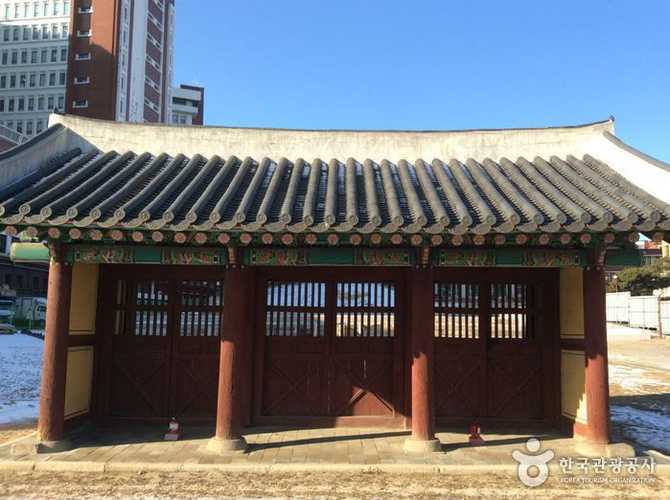
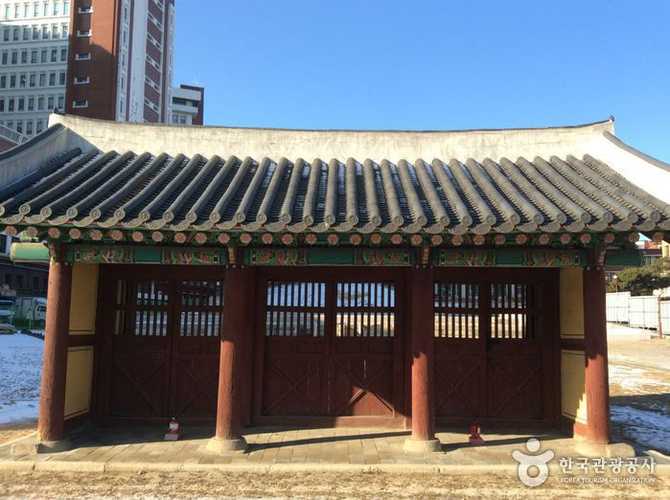
Seoul Gyeongmo Park, once the location of Crown Prince Sado’s shrine, now serves as a preserved archaeological site and cultural heritage area. Despite damages from Japanese occupation and the Korean War, the remnants of the original structures tell stories of Korea’s royal past. Visitors can walk through the remaining parts of the garden and shrine, gaining insight into Joseon Dynasty architecture and royal customs.
Whether you’re a history lover, a cultural explorer, or simply seeking meaningful travel experiences in Seoul, Gyeongmo Park offers an accessible, educational, and free destination. Its proximity to major city landmarks makes it a convenient addition to your Seoul itinerary. Understanding the historical background before your visit enhances the experience, allowing you to appreciate the significance of this royal site and its role in Korea’s history.
At a glance
- Who this is for
-
- Travelers interested in Korean history and culture
- History enthusiasts exploring Joseon Dynasty sites
- Tourists visiting Seoul near Seoul National University Hospital
- Educational groups and students studying Korean royal heritage
- Key takeaways
-
- Location: Near Seoul National University Hospital, Seoul
- Historical significance: Site of Crown Prince Sado’s shrine
- Current state: Remnants of the shrine and garden, damaged but preserved
- Access: Open year-round, free admission, parking available
- Contact: 02-2148-1844 for inquiries
- Tips & cautions
-
- Learn about the site’s history beforehand for a richer experience
- Respect the cultural heritage and avoid damaging the remnants
- Wear comfortable shoes for walking around the site
- Check the weather forecast and visit during favorable weather
- Bottom line
- Seoul Gyeongmo Park offers a meaningful journey into Korea’s royal past, accessible and educational for all visitors.
Seoul Gyeongmo Park is a significant cultural heritage site that preserves the history of the Joseon Dynasty, especially the story of Crown Prince Sado. Located in the Jongno district, near prominent Seoul landmarks, this site provides a rare opportunity to connect with Korea’s royal history through its remaining structures and historical context.
Despite the damages caused during Japan’s colonial rule and the Korean War, the site still holds valuable historical artifacts and ruins that reflect traditional Joseon architecture and royal customs. Visitors can walk through the area, view the remnants of the shrine, and imagine the royal ceremonies that once took place here. The site’s accessibility and free admission make it an attractive destination for both casual tourists and serious history buffs.
Before visiting, it’s helpful to understand the background of Crown Prince Sado, whose tragic story is intertwined with the site. This knowledge enriches the experience, allowing visitors to appreciate the cultural and historical importance of Seoul Gyeongmo Park. Whether you are interested in Korea’s royal history or simply want to enjoy a peaceful historical site in the heart of Seoul, Gyeongmo Park is a must-see destination.
Gyeongmo Park Overview and Historical Background
Seoul Gyeongmo Park is a historically significant site that offers visitors a glimpse into Korea’s royal past during the Joseon Dynasty. As the location of the shrine dedicated to Crown Prince Sado, this site embodies the deep cultural and historical heritage of Korea’s royal family. The park is situated near Seoul National University Hospital, making it easily accessible for tourists exploring Seoul’s historical landmarks. The focus keyword, Seoul Gyeongmo Park, highlights its importance as a cultural heritage site in the heart of Seoul.
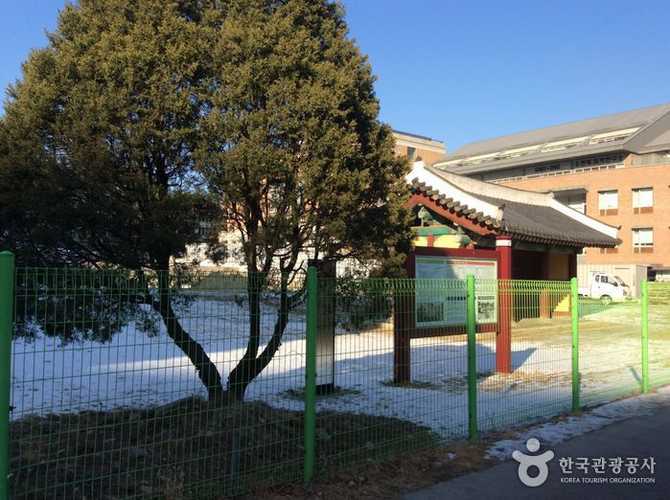
Originally, Gyeongmo Park was part of a larger royal garden called Han Chun Won, built in the late 15th century during the reign of King Seongjong. It was designed in accordance with traditional Korean geomancy, or pungsu, to harmonize with the natural landscape. The park served as a private garden and a place for royal ceremonies. In 1764, during the reign of King Yeongjo, the shrine of Crown Prince Sado was moved here, and the site was renamed Gyeongmo. This shrine was a place to honor the tragic prince, whose story remains a poignant chapter of Korea’s royal history.
Throughout the Japanese occupation period and the Korean War, the original structures suffered damage, and much of the site was lost or destroyed. Despite these setbacks, the remaining ruins and partial structures serve as vital cultural relics that tell the story of Korea’s royal heritage. Today, Gyeongmo Park functions as an open-air historical site, offering visitors a chance to reflect on Korea’s dynastic history and the complex stories of its royal family. The site’s preservation efforts aim to maintain its historical integrity and promote awareness of Korea’s cultural legacy.
Understanding the historical background of Seoul Gyeongmo Park enriches the visitor experience. It is a place where history, architecture, and cultural traditions converge, providing insights into the royal customs and the tragic story of Crown Prince Sado. Whether you are a history enthusiast or a casual traveler, exploring this site offers a meaningful connection to Korea’s past, making it a must-visit destination in Seoul.
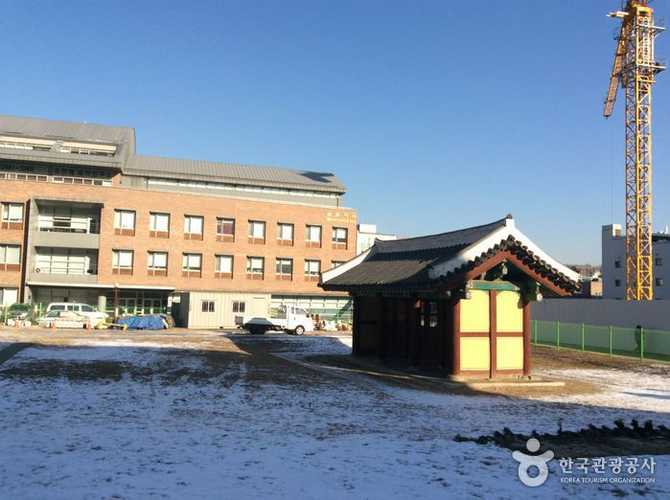
Comparison of Gyeongmo Park’s Past and Present
| Aspect | Historical State | Current State |
|---|---|---|
| Main Structures | Entire shrine complex, including main hall and gardens, built during the late 15th to 18th centuries | Only remnants of the shrine (partial structures such as gates and walls) remain due to damages from war and occupation |
| Design & Architecture | Traditional Joseon Dynasty architecture, with intricate wooden structures and landscaped gardens | Ruins and stone foundations; some reconstructed elements to show original layout |
| Damage & Restoration | Well-preserved until early 20th century; damage during Japanese occupation and Korean War | Partially restored; ongoing preservation efforts focus on maintaining ruins and preventing further deterioration |
| Accessibility & Use | Private royal site, used for ceremonies and rituals, not open to the public | Public open-air heritage site, free to visit, with informational signage |
| Visitor Experience | Limited access, primarily for royal family and officials | Open to all visitors, offering educational opportunities and cultural reflection |
Visitor Information and Access to Gyeongmo Park
- Location: 202-1 Changgyeonggung-ro, Jongno-gu, Seoul (near Seoul National University Hospital)
- Transportation:
- Subway: Take Line 1 to Jongno 3-ga Station or Changgyeonggung Station. From there, it’s a short walk to the site.
- Bus: Multiple bus routes stop nearby; check local routes for details.
- Opening Hours: Open year-round, 24 hours, with no closing days. The site is accessible at all times for walking and sightseeing.
- Admission: Free of charge. No entrance fee required.
- Parking: On-site parking is available, but limited. Public transportation is recommended for convenience.
- Contact: For inquiries, call 02-2148-1844.
- Wear comfortable shoes suitable for walking on uneven surfaces.
- Bring water and sun protection, especially during summer months.
- Respect the site by avoiding damage to ruins and following signage instructions.
- Check weather conditions before your visit to plan accordingly.
Preservation and Safety Tips for Gyeongmo Park
Gyeongmo Park is a valuable cultural heritage site that requires careful preservation to maintain its historical integrity. Visitors play a crucial role in protecting the ruins and ensuring safety during their visit. Due to damages from historical events such as the Japanese occupation and the Korean War, some structures are fragile and need to be handled with respect and caution. Follow these guidelines to contribute to the preservation efforts and enjoy a safe experience at Gyeongmo Park.
| Preservation & Safety Aspect | Guidelines |
|---|---|
| Avoid Damaging Structures | Do not climb on or touch fragile ruins, gates, or walls to prevent deterioration. |
| Stay Within Designated Areas | Follow signage and barriers; do not enter restricted zones to protect both visitors and the site. |
| Be Mindful of the Environment | Dispose of trash properly and avoid littering to help preserve the natural surroundings. |
| Ensure Personal Safety | Watch your step on uneven ground and avoid running or jumping to prevent accidents. |
| Follow Staff and Signage Instructions | Adhere to guidelines provided by site signage and staff to maintain safety and preservation. |
Visitor Checklist and Tips for a Respectful Visit
- Review the historical background: Familiarize yourself with the story of Crown Prince Sado and the Joseon Dynasty to enrich your understanding of the site.
- Dress appropriately: Wear comfortable shoes suitable for walking on uneven terrain and dress modestly to show respect for the cultural site.
- Bring essentials: Carry water, sun protection (hat, sunscreen), and a camera or smartphone for photos.
- Observe signage and barriers: Respect all posted instructions and do not cross restricted areas to protect the ruins and ensure safety.
- Be mindful of other visitors: Keep noise levels down and avoid disruptive behavior to maintain a peaceful atmosphere.
- Respect the environment: Dispose of trash properly and avoid damaging plants or structures.
- Plan your visit: Check weather conditions and visit during daylight hours for optimal experience and safety.
- Support preservation efforts: Follow guidelines for responsible tourism, helping to conserve this important cultural heritage site for future generations.
Frequently Asked Questions (FAQ)
Q1: Where is Seoul Gyeongmo Park located?
Seoul Gyeongmo Park is located at 202-1 Changgyeonggung-ro, Jongno-gu, Seoul, near Seoul National University Hospital. It is easily accessible by public transportation, including subway and bus routes.
Q2: What is the historical significance of Seoul Gyeongmo Park?
Seoul Gyeongmo Park was the site of the shrine dedicated to Crown Prince Sado during the Joseon Dynasty. It reflects Korea’s royal heritage and the cultural history of the Korean royal family, especially during the late 15th to 18th centuries.
Q3: What remains of the original structures can be seen at Gyeongmo Park today?
Currently, only remnants such as partial structures of gates, walls, and stone foundations remain due to damages from Japanese occupation and the Korean War. Some reconstructed elements help illustrate the original layout of the shrine and gardens.

Q4: Is Seoul Gyeongmo Park free to visit?
Yes, Seoul Gyeongmo Park is open to the public free of charge and is accessible year-round, 24 hours a day. Visitors can walk around and explore the site without any entrance fee.
Q5: How can I get to Seoul Gyeongmo Park using public transportation?
You can reach Seoul Gyeongmo Park by taking Subway Line 1 to Jongno 3-ga Station or Changgyeonggung Station. From there, it is a short walk to the site. Bus routes also serve the nearby area.
Q6: What should I keep in mind when visiting Seoul Gyeongmo Park?
Visitors should respect the site by avoiding damage to the ruins and following safety guidelines. Wearing comfortable shoes, checking weather conditions, and reviewing the site’s historical background beforehand will enhance the experience.
Discover Seoul Gyeongmo Park: A Historic Site of Joseon Dynasty
Visiting Seoul Gyeongmo Park offers a meaningful opportunity to connect with Korea’s rich royal history. As a site that once housed the shrine dedicated to Crown Prince Sado, it stands as a testament to the cultural legacy of the Joseon Dynasty. Despite the damages inflicted during Japan’s colonial period and the Korean War, the remaining ruins and partial structures continue to tell the story of Korea’s royal past. Exploring this site allows visitors to appreciate the traditional architecture, historical significance, and the tragic story of Crown Prince Sado, making it an enriching experience for history enthusiasts and casual tourists alike.
Remember that Seoul Gyeongmo Park is open year-round and free of charge, making it accessible for everyone interested in Korea’s cultural heritage. Visiting with prior knowledge of its background enhances the experience, providing a deeper understanding of the site’s importance. Respect for the preservation efforts and safety guidelines ensures that this invaluable cultural asset remains intact for future generations. Whether you are walking through the remnants of the shrine or contemplating Korea’s royal traditions, your visit to Seoul Gyeongmo Park will surely be a memorable step into Korea’s historical landscape. Take your time to explore, learn, and appreciate this significant part of Seoul’s cultural heritage, and leave with a greater appreciation for Korea’s royal history and cultural resilience.