
출처 : ⓒ한국관광콘텐츠랩 또는 ⓒ한국관광공사
Discover Yeongok Seowon: A Historic Site of Confucian Learning in Korea
Location 전남광주통합특별시 장흥군 장흥읍 연곡길 31
Location 전남광주통합특별시 장흥군 장흥읍 연곡길 31
Are you interested in exploring Korea’s rich cultural heritage and the legacy of Confucian scholars? Visiting Yeongok Seowon offers a unique opportunity to immerse yourself in traditional Korean culture, learn about prominent Joseon Dynasty scholars, and experience authentic ancestral rites. This historic Confucian academy, located in Jeollanam-do, is a preserved cultural treasure that highlights Korea’s scholarly history and natural beauty.
Yeongok Seowon is a significant cultural site that commemorates the lives and teachings of the renowned Confucian scholars Min Jeong-jung and Min Yu-jung. Established in 1698, this seowon (Confucian academy) has played a vital role in preserving Korea’s scholarly traditions and continues to serve as a place for cultural education and ancestral rites. Whether you’re a history enthusiast, a student of Korean culture, or a traveler seeking meaningful experiences, Yeongok Seowon provides a profound glimpse into Korea’s educational and spiritual heritage.
At a glance
- Who is this for?
-
- Travelers interested in Korean traditional culture and history
- Students and researchers studying Confucianism and Joseon Dynasty scholars
- Cultural enthusiasts exploring historical sites and heritage
- Key takeaways
-
- Founded in 1698 to honor scholar Min Jeong-jung
- Additional ancestor Min Yu-jung enshrined in 1716
- Designated as a government-recognized seowon in 1726
- Rebuilt after destruction during 19th-century suppression
- Open year-round with traditional rites held every March
- Tips & cautions
-
- Respect the site’s cultural and natural environment
- Follow proper etiquette during ceremonies and visits
- Check event schedules in advance for special rites
- Bottom line
- Yeongok Seowon is a valuable cultural heritage site that offers a deep connection to Korea’s scholarly and Confucian traditions.
Exploring Yeongok Seowon allows visitors to step back into Korea’s Joseon Dynasty era, experiencing the tranquil beauty of its traditional architecture and the spiritual atmosphere of ancestral rites. Located in Yeongok Village, Jeollanam-do, this seowon is easily accessible and open throughout the year, welcoming those eager to learn about Korea’s educational history and Confucian values.

Whether you are interested in the historical figures of Min Jeong-jung and Min Yu-jung, the architecture of Korean seowon, or traditional Confucian ceremonies, Yeongok Seowon offers a meaningful experience. Visitors can enjoy the serene natural surroundings, participate in cultural events, and gain insights into Korea’s long-standing scholarly traditions. Be sure to check the official website or contact the site beforehand for the latest event schedules and visitor information.
Yeongok Seowon Overview and Historical Significance
Yeongok Seowon is a distinguished Confucian academy located in Jeollanam-do, South Korea. Established in 1698, it serves as a vital cultural heritage site that honors the scholarly achievements and moral virtues of prominent Joseon Dynasty figures, Min Jeong-jung and Min Yu-jung. As a traditional seowon, it played a central role in the education and spiritual life of local scholars during the Joseon era, fostering Confucian values and academic pursuits.
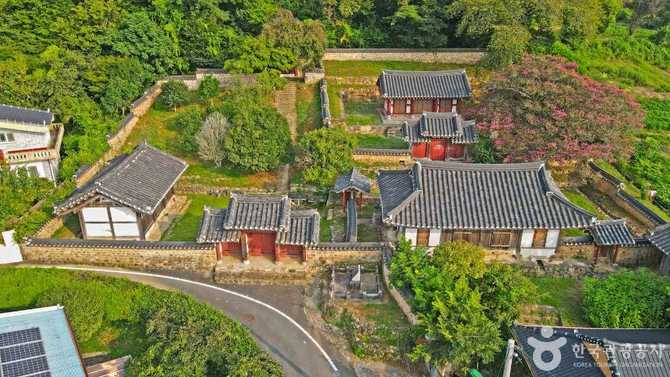
The seowon was originally built during the reign of King Sukjong, reflecting the period’s emphasis on Confucian education and moral cultivation. Min Jeong-jung, a renowned scholar and government official, is credited with promoting Confucian ideals and educating local scholars in the region. His dedication to learning and morality made him a revered figure, and the seowon was constructed to commemorate his contributions. Later, in 1716, Min Yu-jung, his younger brother, was enshrined here, further cementing the site’s importance as a place of scholarly reverence.
Despite facing destruction during the 19th-century suppression of Confucian institutions under the influence of the Joseon government’s policies, Yeongok Seowon was eventually restored and preserved as a cultural landmark. Today, it stands as a symbol of Korea’s rich Confucian heritage and educational history. Visitors can explore its traditional architecture, including lecture halls, memorial shrines, and scenic natural surroundings that embody harmony with nature.
Yeongok Seowon remains an active site for cultural and educational activities, hosting annual rites and ceremonies that celebrate Confucian values. It offers an authentic glimpse into Korea’s scholarly traditions, making it a meaningful destination for travelers interested in Korean history, Confucian philosophy, and traditional architecture. Whether visiting for historical insight or cultural experience, Yeongok Seowon provides a profound connection to Korea’s intellectual and moral legacy.

Comparison of Key Figures Enshrined at Yeongok Seowon
| Feature | Min Jeong-jung | Min Yu-jung |
|---|---|---|
| Role and Title | Senior government official, scholar, and educator | Younger brother of Min Jeong-jung, scholar and educator |
| Historical Contributions | Promoted Confucian ideals, served as Minister of State, and influenced local education in Jeollanam-do | Continued scholarly work, upheld Confucian values, and supported local learning initiatives |
| Enshrinement Year | 1698 (originally), with annual rites | 1716, alongside Min Jeong-jung |
| Cultural Significance | Symbol of scholarly integrity and moral virtue in Joseon Korea | Embodies filial piety and academic dedication, reinforcing Confucian teachings |
Both Min Jeong-jung and Min Yu-jung are honored at Yeongok Seowon for their contributions to Confucian scholarship and moral education. Their enshrinement underscores the importance of familial and scholarly continuity in Korea’s Confucian tradition. Visitors can learn about their lives and legacies through the memorial halls and inscriptions that detail their achievements and virtues.
Yeongok Seowon Structure and Layout Checklist
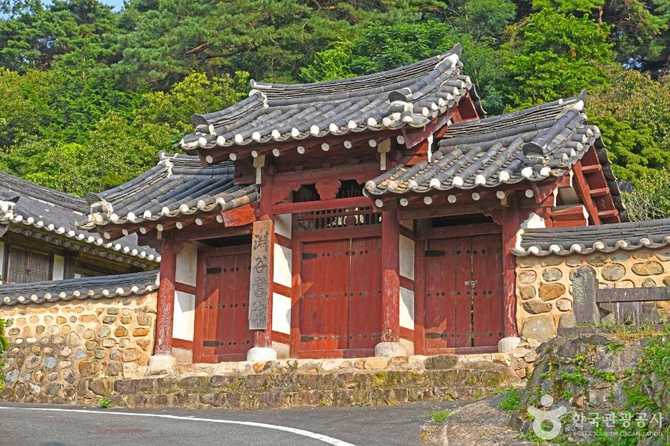
- Entrance Gate: Traditional wooden gate that marks the beginning of the seowon complex.
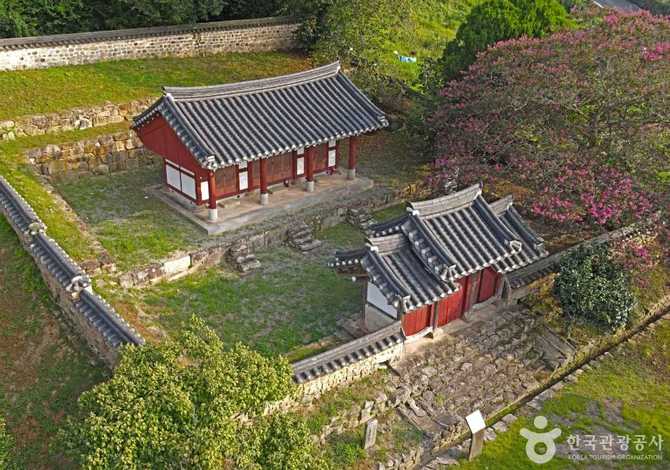
- Lecture Hall (Yeongokdang): Main building for scholarly gatherings and classes.
- Memorial Shrine (Seonbi Shrine): Enshrines the spirit of Min Jeong-jung and Min Yu-jung, serving as the focal point for ancestral rites.
- Ancillary Buildings: Includes caretaker’s quarters and auxiliary facilities, often with preserved traditional architecture.
- Scenic Natural Environment: The seowon is situated on a hillside, harmoniously integrated with nature, offering picturesque views and tranquil surroundings.
- Pathways and Courtyards: Well-maintained stone paths connect the buildings, encouraging contemplative walks and reflection.
- Important Tip: When visiting, take time to appreciate the traditional Korean architectural style, especially the curved eaves and wooden craftsmanship that exemplify harmony with nature.
Visitor Information and Event Schedule at Yeongok Seowon
Yeongok Seowon welcomes visitors throughout the year, offering a peaceful environment for cultural exploration and historical learning. The site is open daily, with no restrictions on visiting hours, making it accessible for travelers planning their cultural itinerary. Entrance is free, and ample parking facilities are available nearby, ensuring a convenient visit for all guests.

For those interested in experiencing traditional Confucian rites, Yeongok Seowon hosts annual ceremonies, particularly in March, when ancestral memorial rites are performed. These events provide a rare opportunity to observe and participate in Korea’s rich cultural heritage firsthand. To ensure an enriching experience, visitors are advised to check the official website or contact the site directly for the latest event schedules and any special activities planned during their visit.
Visitor Information & Event Highlights
- Opening Hours
- Open year-round, 24 hours (visitor access is unrestricted)
- Admission Fee
- Free of charge
- Parking
- Available on-site for visitors
- Special Events
- Annual ancestral rites held every March; check schedule in advance
- Contact & Further Info
- Phone: 061-862-7539; Visit the official website for updates
Precautions and Etiquette for Visiting Yeongok Seowon
- Respect the Heritage Site: Maintain a respectful attitude, speak quietly, and avoid loud noises to preserve the tranquil atmosphere.
- Follow Pathways: Stick to designated walking paths to prevent damage to the natural environment and historic structures.
- Participate in Ceremonies Respectfully: During traditional rites or events, adhere to prescribed customs, dress modestly, and follow the guidance of event officials.
- Environmental Care: Take all personal trash with you, and do not pick or damage plants or artifacts.
- Children’s Safety: Supervise children closely, especially around old structures and natural surroundings, to ensure safety and preservation.
- Photography Guidelines: Photography is generally permitted, but flash photography and touching artifacts should be avoided to prevent deterioration.
Whether you visit during the day or evening, Discover Yeongok Seowon is a meaningful stop on any Seoul itinerary for history-minded travelers.
Frequently Asked Questions (FAQ)
Q1: When was Yeongok Seowon established?
Yeongok Seowon was founded in 1698 during the reign of King Sukjong of Joseon to honor scholar Min Jeong-jung. It was later expanded to enshrine Min Yu-jung in 1716 and designated as a government-recognized seowon in 1726.
Q2: Who are the main figures enshrined at Yeongok Seowon?
The seowon enshrines Min Jeong-jung, a prominent scholar and government official, and his younger brother Min Yu-jung, both of whom contributed significantly to Confucian scholarship and local education during the Joseon Dynasty.
Q3: Can I visit Yeongok Seowon year-round?
Yes, Yeongok Seowon is open throughout the year with no restrictions, and visitors can explore the site freely. It is accessible at any time, and admission is free.

Q4: Are there any special events or ceremonies held at Yeongok Seowon?
Yes, annual ancestral rites are held every March, allowing visitors to experience traditional Confucian ceremonies. Additional events may be scheduled, so it is recommended to check the official website or contact the site beforehand.
Q5: What should visitors observe when visiting Yeongok Seowon?
Visitors should behave quietly, respect the cultural and natural environment, and follow proper etiquette during ceremonies. It is important to avoid damaging the structures and to adhere to posted guidelines.
Q6: How do I get more information or confirm event schedules at Yeongok Seowon?
For the latest information and event schedules, contact the site directly at 061-862-7539 or visit the official website. Checking in advance helps ensure a meaningful visit.
Experience the Rich Heritage of Yeongok Seowon
Visiting Yeongok Seowon offers a meaningful journey into Korea’s scholarly and cultural history. As a historic site dedicated to the Confucian ideals of morality and learning, it provides visitors with a unique opportunity to connect with Korea’s rich educational traditions. The seowon’s serene natural surroundings, traditional architecture, and the stories of esteemed scholars Min Jeong-jung and Min Yu-jung create an immersive experience that deepens understanding of Korea’s Confucian heritage.
Whether you are a history enthusiast, a student, or a curious traveler, Yeongok Seowon is a place to reflect, learn, and appreciate Korea’s long-standing dedication to education and moral virtue. Its accessibility throughout the year, free admission, and the chance to witness traditional rites make it an ideal destination for those seeking authentic cultural experiences. Remember to check the official website or contact the site before your visit to stay updated on special events and ceremonies.
Incorporating a visit to Yeongok Seowon into your travel plans allows you to explore Korea’s historical landscape in a meaningful way. This site not only preserves the legacy of Korea’s Confucian scholars but also offers a peaceful environment to appreciate the harmony between tradition and nature. Make sure to respect the site’s cultural significance during your visit, and take the time to enjoy the tranquil beauty and educational value it provides. A trip to Yeongok Seowon is truly a step back into Korea’s noble past, leaving you with lasting memories and a deeper appreciation of Korea’s cultural heritage.