
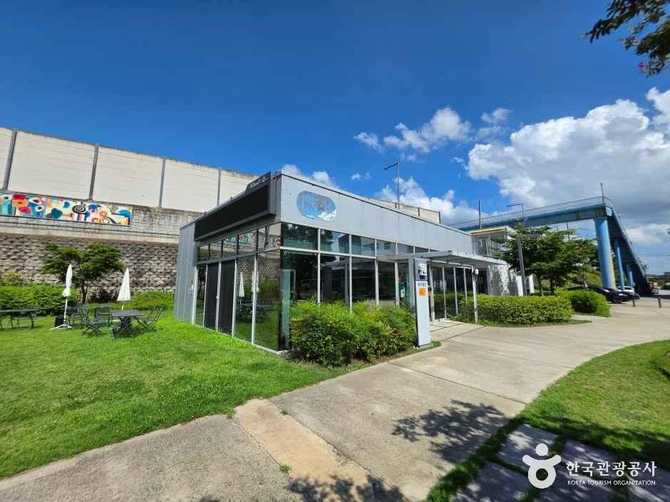
출처 : ⓒ한국관광콘텐츠랩 또는 ⓒ한국관광공사
Explore Jo Chi Won Cultural Garden: A Hub of Urban Renewal & Youth Culture in Korea
Location 세종특별자치시 조치원읍 수원지길 75-21
Location 세종특별자치시 조치원읍 수원지길 75-21
Discover how the Jo Chi Won Cultural Garden transforms a historic water treatment site into a vibrant cultural and community space, showcasing Korea’s innovative urban regeneration and fostering local creativity.
At a glance
- Who this is for
-
- Visitors interested in Korea’s urban renewal projects
- Local residents and community members
- Young artists and creators seeking creative spaces
- Tourists exploring Sejong City and its cultural sites
- Individuals passionate about cultural heritage and modern arts
- Key takeaways
-
- Originally built in 1935 as a water treatment plant, now designated as a modern cultural space
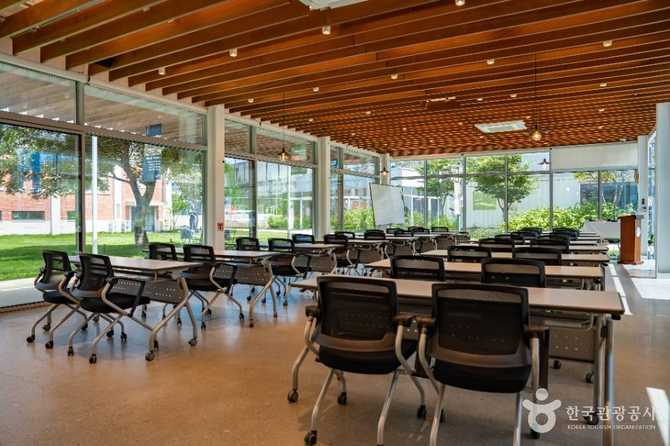
- Features creative zones, exhibition halls, outdoor performance areas, and historical remembrance spaces
- Operates daily from 9 AM to 10 PM, closed on Mondays and public holidays
- Plays a vital role in local community revitalization and youth cultural activities
- Offers diverse cultural programs, art exhibitions, and community events
- Tips & cautions
-
- Check the schedule for specific event fees and opening hours before visiting
- Remember that the remembrance space is closed on Mondays; plan accordingly
- Use public transportation to avoid parking congestion during events
- Follow waste separation and keep the space clean as it is a public facility
- Bottom line
- Jo Chi Won Cultural Garden exemplifies successful urban regeneration, blending historical preservation with contemporary cultural vitality.
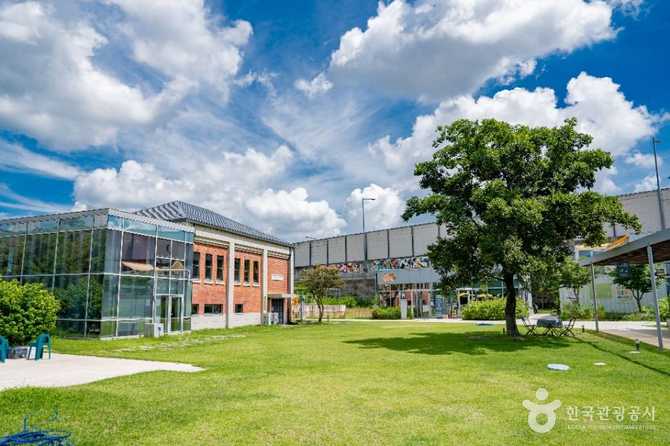
In recent years, Korea has made significant strides in transforming industrial and historical sites into lively cultural hubs. One prime example is the Jo Chi Won Cultural Garden, located in Sejong City. This space, once a water treatment plant established in 1935, has been reborn as a dynamic arts and community venue that fosters local engagement and creativity. The transformation highlights Korea’s commitment to urban renewal, integrating historical preservation with modern cultural development.
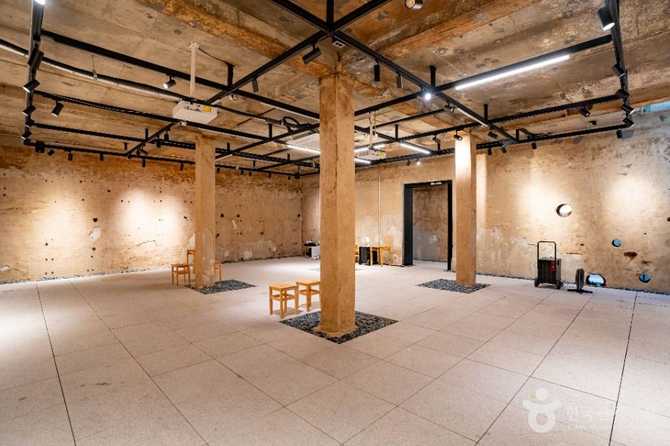
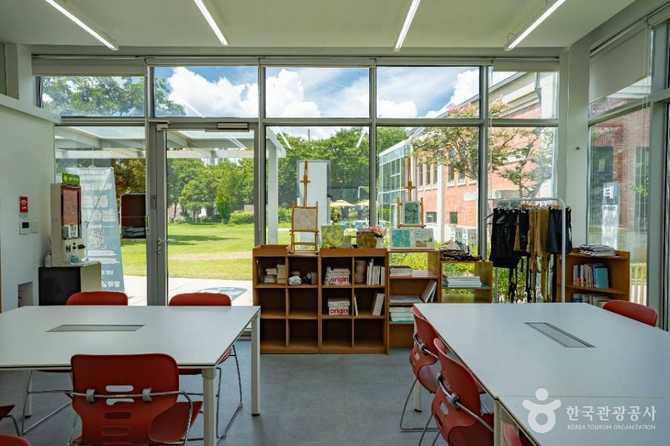
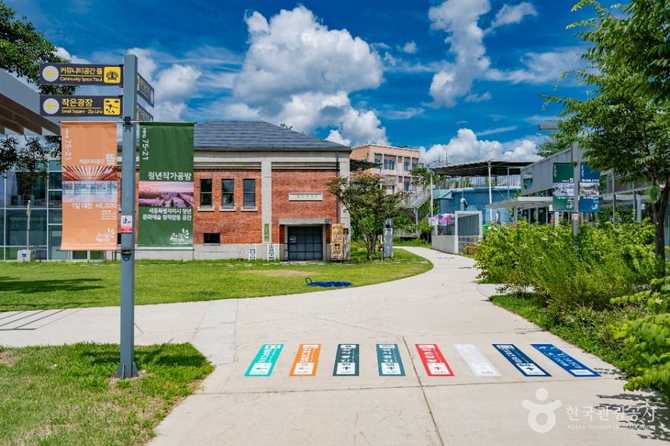
The Jo Chi Won Cultural Garden is more than just a redeveloped site; it is a symbol of how communities can breathe new life into their past while fostering a vibrant future. Visitors can explore various creative zones, including artist workshops, exhibition spaces, outdoor stages, and historical remembrance areas. The site plays a key role in promoting local culture, supporting young artists, and hosting community events, making it a must-visit destination for those interested in Korea’s urban renewal and cultural innovation.
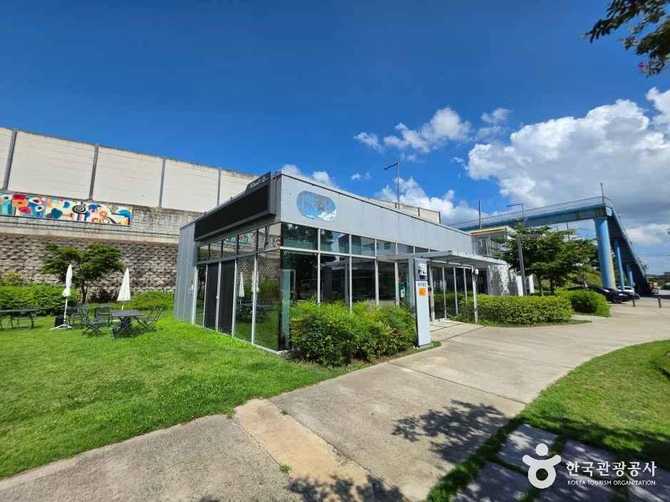
Overview and Historical Background of Jo Chi Won Cultural Garden
Jo Chi Won Cultural Garden is a remarkable example of urban renewal and cultural revitalization in Korea. Located in Sejong City, this space was originally established as a water treatment plant in 1935, serving as a critical infrastructure for the region’s public utilities for over 78 years. Recognized as a modern cultural heritage site, the facility was decommissioned and transformed into a vibrant arts and community hub, embodying the spirit of city regeneration and community engagement. The transformation process reflects Korea’s broader efforts to preserve historical sites while adapting them to contemporary cultural needs.
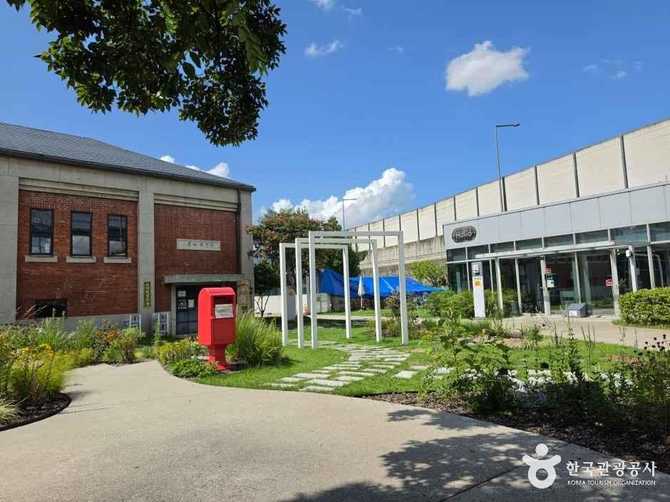
The site’s historical significance lies in its role as a symbol of modernization during Korea’s early 20th-century development. After its closure as a water treatment facility, local authorities and cultural organizations collaborated to redesign the space, integrating modern artistic functions with the preservation of its industrial heritage. Today, Jo Chi Won Cultural Garden not only honors its past but also fosters a lively environment where local residents, young artists, and visitors can participate in creative activities, exhibitions, and cultural events. This space exemplifies how urban spaces can be revitalized to serve as centers of cultural expression and community bonding, contributing to the ongoing narrative of Korea’s urban development.
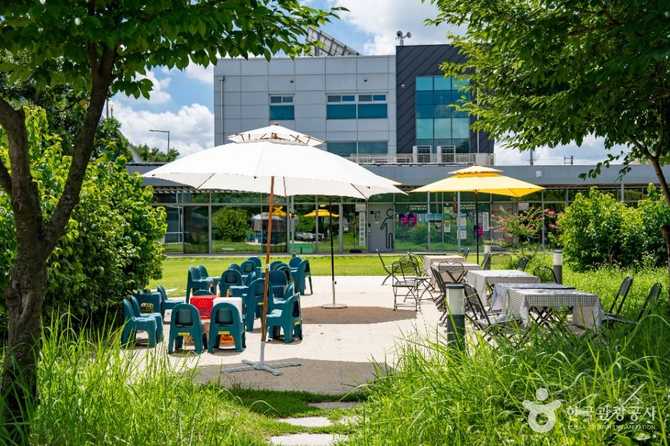
The core mission of the garden is to serve as a bridge between Korea’s industrial past and its vibrant cultural future. Its strategic location in Sejong City, the administrative capital of Korea, makes it an ideal venue for fostering regional cultural identity and supporting local artists. The site’s success as a cultural landmark is rooted in its ability to blend historical preservation with innovative artistic programming, making it a must-visit for those interested in Korea’s urban renewal efforts and cultural evolution.
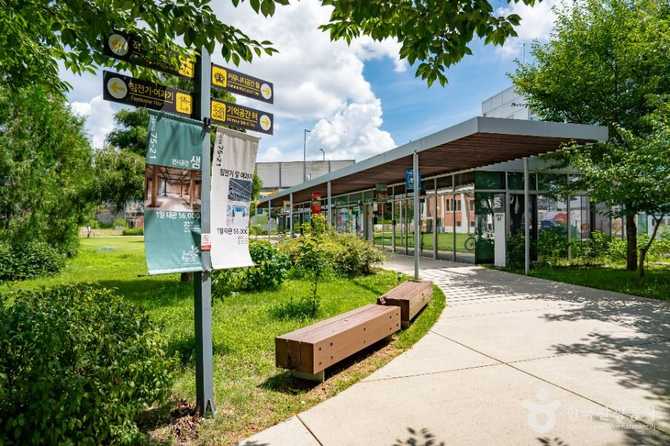
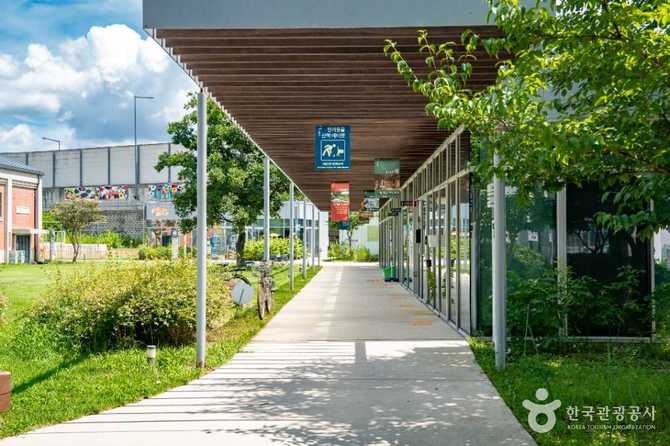
Comparison of Space Components and Main Facilities at Jo Chi Won Cultural Garden
| Facility/Space | Description | Main Use |
|---|---|---|
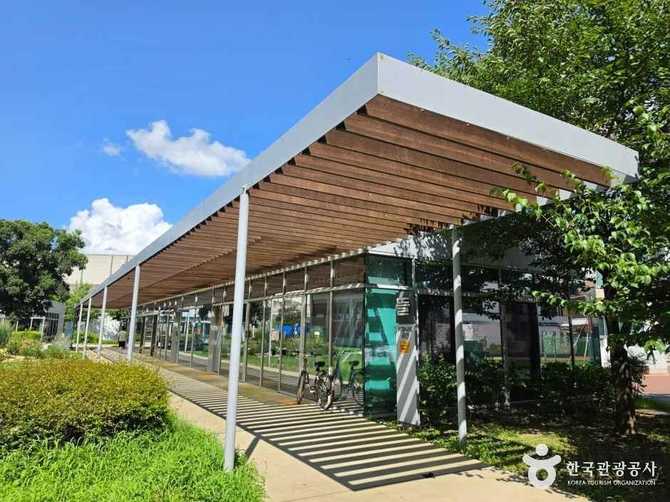
| Creative Space (원) | A designated area for artists and young creators to work on projects, conduct workshops, and collaborate. | Art creation, workshops, collaborative projects |
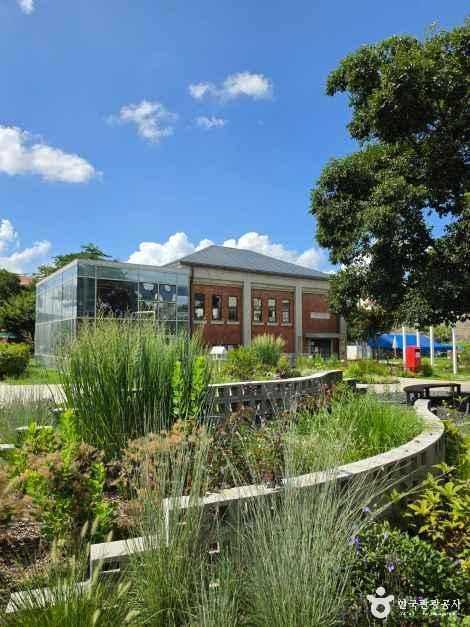
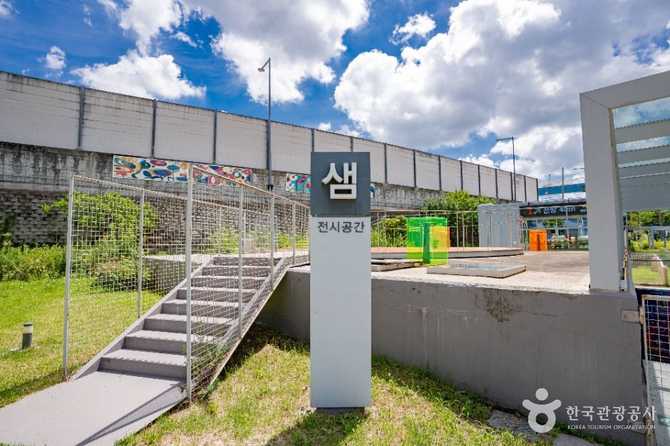
| Exhibition Hall (샘) | A gallery space showcasing local artworks, cultural exhibitions, and temporary displays. | Art exhibitions, cultural displays, educational programs |
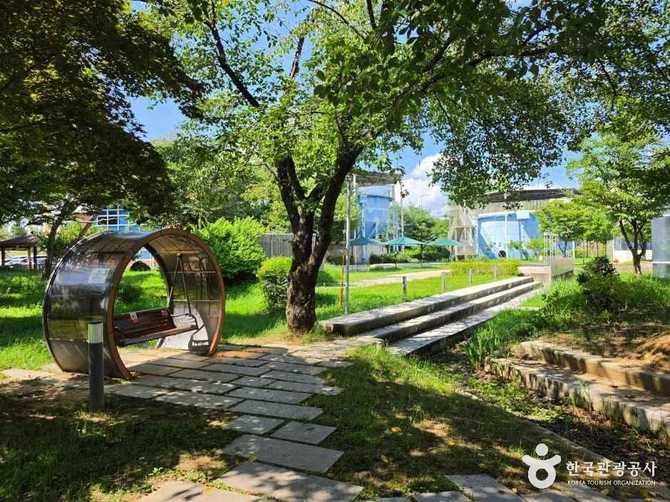
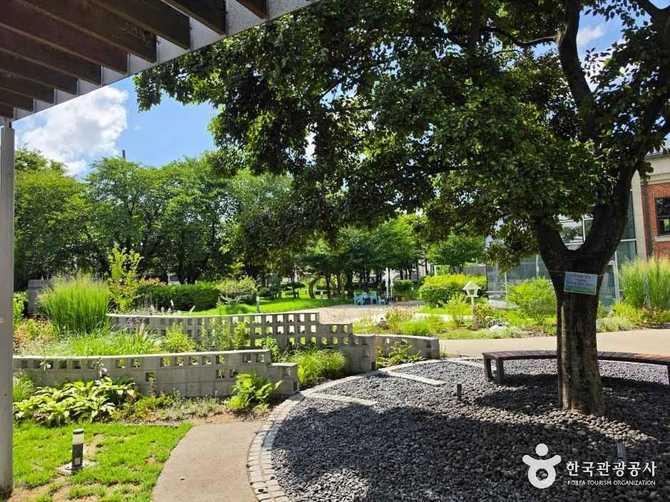
| Community Garden (뜰) | An outdoor area for community gatherings, cultural events, and social interactions. | Community events, outdoor performances, social meetings |
| Remembrance Space (터) | A space dedicated to preserving the history of the site, with exhibits and memorials. | Historical exhibitions, remembrance activities |
| Outdoor Performance Area | An open-air stage designed for performances, concerts, and cultural festivals. | Performances, festivals, public gatherings |
Visiting Hours, Operational Details, and Tips for Visitors
- Operating Hours: 09:00 AM to 10:00 PM daily
- Closed on: Mondays and public holidays
- Note: The Remembrance Space (터) is closed every Monday; please verify before your visit.
- Parking: Available on-site, but can be crowded during events. Using public transportation is recommended.
- Event Fees: Vary depending on the event or exhibition; check the official website or contact in advance.
- Before Visiting: Confirm opening hours and event schedules, especially during holidays.
- Transportation: Use public transit to reduce parking stress and enjoy a hassle-free experience.
- Facilities: Restrooms and information desks are available on-site.
- Environmental Responsibility: Please follow waste separation rules and keep the space clean.
Important Tips for Visiting Jo Chi Won Cultural Garden
- Check the Schedule: Before your visit, verify the opening hours and event schedules on the official website or by contacting the management to ensure access to specific exhibitions or programs.
- Visit During Off-Peak Hours: Arriving early in the morning or later in the evening can help you enjoy a more peaceful experience, especially during weekends or special events.
- Transportation Recommendations: Use public transportation such as buses or taxis to reach the site, as parking may be limited or crowded during busy periods.
- Prepare for Weather Conditions: The outdoor spaces, including the community garden and outdoor performance area, are exposed to the elements. Dress appropriately and bring essentials like umbrellas or sun protection.
- Respect the Space: As a public cultural venue, please follow all rules regarding waste disposal, noise levels, and respectful behavior to preserve the environment and ensure a pleasant experience for everyone.
- Participation in Events: For workshops, performances, or special activities, it is advisable to register in advance if possible, as some programs may have limited capacity or require reservations.
- Accessibility: The site is accessible, but checking specific accessibility features or assistance options in advance can help ensure a comfortable visit for all visitors.
Community Engagement and Cultural Significance of Jo Chi Won Cultural Garden
- Supports local artists and young creators through dedicated studio and exhibition spaces.
- Hosts regular cultural and artistic programs that foster community participation and cultural exchange.
- Preserves and promotes the historical significance of the site as a former water treatment facility, integrating industrial heritage into contemporary culture.
- Acts as a catalyst for urban regeneration, revitalizing the neighborhood and attracting visitors to Sejong City.
- Encourages collaboration between residents, artists, and local organizations to strengthen community bonds.
- Provides a platform for public performances, festivals, and educational workshops that enhance cultural awareness and community pride.
- Contributes to the sustainable development of the area by blending historical preservation with modern cultural activities.
Whether you visit during the day or evening, Explore Jo Chi Won Cultural is a meaningful stop on any Seoul itinerary for history-minded travelers.
Frequently Asked Questions (FAQ)
Q1: What is the historical background of Jo Chi Won Cultural Garden?
The site was originally established as a water treatment plant in 1935 and served as a public utility for over 78 years. It has been designated as a modern cultural heritage site and was transformed into a vibrant arts and community space as part of urban renewal efforts.
Q2: What facilities are available at Jo Chi Won Cultural Garden?
The garden features a creative space for artists, an exhibition hall for cultural displays, a community garden for social gatherings, a remembrance space for historical exhibits, and an outdoor performance area for events and performances.
Q3: What are the opening hours for visiting Jo Chi Won Cultural Garden?
The garden is open daily from 9:00 AM to 10:00 PM. However, the remembrance space is closed on Mondays, so visitors should check schedules before planning their visit.
Q4: Are there any specific tips or precautions for visitors?
Visitors should verify event schedules and opening hours beforehand, especially during holidays. Public transportation is recommended due to limited parking, and visitors should follow waste disposal rules to keep the space clean.
Q5: How does Jo Chi Won Cultural Garden contribute to local community and culture?
The garden plays a key role in urban regeneration by blending historical preservation with contemporary cultural activities. It supports local artists, hosts community events, and fosters regional cultural identity in Sejong City.
Q6: What types of cultural events and programs are held at Jo Chi Won Cultural Garden?
The space hosts art exhibitions, performances, workshops, and community gatherings regularly. Event details and participation requirements can be checked on the official website or by contacting the management in advance.
Final Thoughts on Visiting Jo Chi Won Cultural Garden
Visiting the Jo Chi Won Cultural Garden offers a unique opportunity to experience Korea’s successful urban renewal efforts firsthand. This space beautifully exemplifies how a historic site, once a vital water treatment facility established in 1935, can be transformed into a vibrant hub for culture, art, and community engagement. Whether you’re interested in exploring contemporary art exhibitions, participating in creative workshops, or simply enjoying the outdoor performance area, this cultural garden provides a dynamic environment for all visitors. Its strategic location in Sejong City, Korea’s administrative capital, makes it accessible and relevant to those keen on understanding Korea’s ongoing efforts to blend historical preservation with modern cultural development. As a space that fosters collaboration among local residents, young artists, and visitors, the Jo Chi Won Cultural Garden embodies the spirit of community revitalization and cultural innovation. Planning your visit with attention to opening hours, event schedules, and transportation options will ensure you enjoy all the enriching experiences this remarkable site has to offer. Don’t miss the chance to immerse yourself in Korea’s inspiring story of urban regeneration and cultural vitality at this exceptional location.