
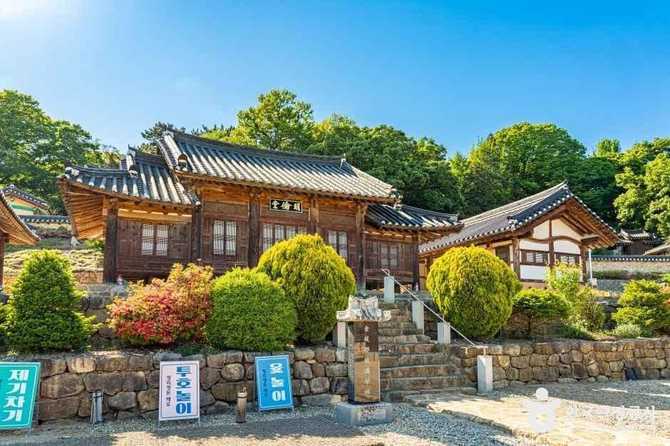
출처 : ⓒ한국관광콘텐츠랩 또는 ⓒ한국관광공사
Kimje Hyanggyo: Discover Korea’s Historic Confucian Academy
Location 전북특별자치도 김제시 향교길 89-3 (교동)
Location 전북특별자치도 김제시 향교길 89-3 (교동)
Looking to explore Korea’s rich Confucian heritage? Visit Kimje Hyanggyo, a centuries-old cultural site that offers a unique glimpse into traditional Korean education and ceremonial practices.
At a glance
- Who this is for
-
- Travelers interested in Korea’s traditional culture and history
- History and cultural heritage enthusiasts
- Researchers exploring Confucian educational sites
- Visitors planning cultural tours in Jeonbuk Province
- Key takeaways
-
- Established in 1404 during the Joseon Dynasty
- Served as a major Confucian educational and ceremonial site
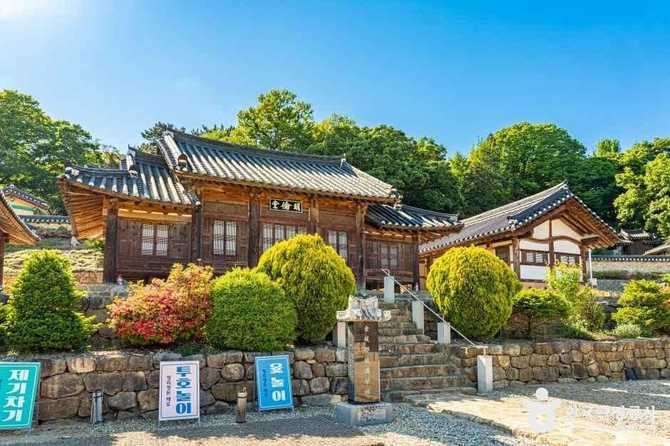
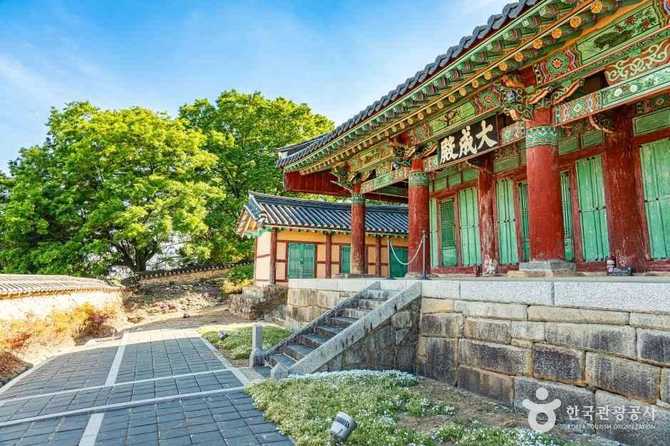
- Major buildings include the Daeseongjeon (Confucian shrine) and Myeongnyundang (lecture hall)
- Open year-round with daily visiting hours from 08:30 to 18:00
- Designated as a cultural heritage site, reflecting Korea’s educational history
- Tips & cautions
-
- Check the latest visiting hours via official website or inquiry before your visit
- Parking is available but can be crowded; public transportation is recommended
- Respect designated cultural zones and avoid touching or damaging artifacts
- Bottom line
- Kimje Hyanggyo is a vital cultural heritage site that immerses visitors in Korea’s Confucian traditions and educational history.
Kimje Hyanggyo stands as a testament to Korea’s rich Confucian educational and ceremonial traditions, dating back to the early 15th century. Located in Jeonbuk Province, this historic site offers a profound insight into Korea’s cultural and scholarly past. As one of the most significant Confucian academies from the Joseon Dynasty, Kimje Hyanggyo played a central role in shaping local education, religious rites, and community life for centuries.
Today, Kimje Hyanggyo is preserved as a cultural heritage site, where visitors can explore its historic buildings, learn about traditional Confucian rituals, and appreciate Korea’s long-standing educational legacy. The site includes key structures such as the Daeseongjeon, where ancestral rites are performed, and the Myeongnyundang, used historically for lectures and scholarly gatherings. Visiting this site offers an immersive experience into Korea’s traditional values and educational systems, making it a must-visit for those interested in Korea’s cultural history.

Whether you are a history enthusiast, a cultural traveler, or a researcher, Kimje Hyanggyo provides a meaningful connection to Korea’s Confucian past. Its location in Kimje City makes it accessible for visitors exploring the region’s historical sites. The site’s continuous operation throughout the year, with manageable visiting hours, ensures an enriching experience for all visitors. In this guide, we will detail the history, key architecture, visiting tips, and cultural significance of Kimje Hyanggyo, helping you plan your meaningful journey into Korea’s traditional heritage.
Overview of Kimje Hyanggyo’s Historical Significance
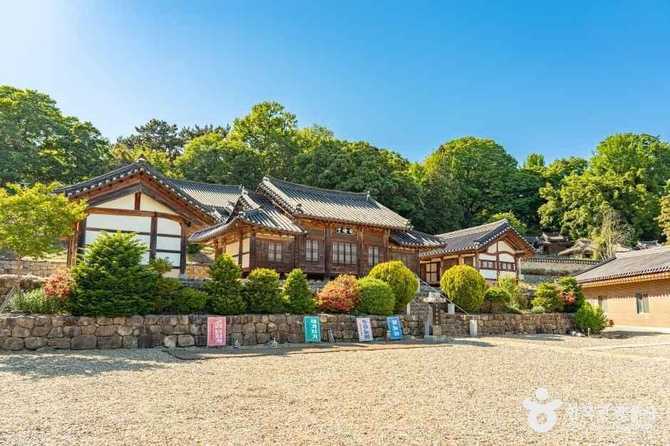
Kimje Hyanggyo is a prominent historical site in Korea, representing the rich educational and cultural traditions of the Joseon Dynasty. As a central hub for Confucian learning and ancestral rites, it embodies Korea’s long-standing respect for scholarly pursuits and traditional rituals. Established in 1404 during the reign of King Taejong, Kimje Hyanggyo has served as a vital institution for local education, religious ceremonies, and community cohesion for over 600 years. Its significance extends beyond mere architecture; it reflects the societal values and educational philosophies that shaped Korea’s history. The site was originally built to serve as a government-supported Confucian academy, where students learned the principles of Confucius and prepared for civil service examinations, which were crucial for social mobility and governance during the Joseon era. Over the centuries, the academy experienced periods of destruction and reconstruction, notably suffering damage during the Japanese invasions in 1592 but being restored in 1635. Today, Kimje Hyanggyo is preserved as a cultural heritage site, designated as a regional historical monument, and continues to symbolize Korea’s educational and spiritual legacy. Visitors can explore the main buildings, including the Daeseongjeon (Confucian shrine) and Myeongnyundang (lecture hall), which have been carefully restored to reflect their original form. The site offers a unique opportunity to experience Korea’s traditional Confucian culture firsthand, with ongoing efforts to maintain its historical integrity. Whether you are interested in Korea’s educational history, religious practices, or cultural preservation, Kimje Hyanggyo provides a meaningful glimpse into Korea’s scholarly past and its enduring influence on modern society.
Comparison of Key Buildings and Cultural Heritage of Kimje Hyanggyo
| Building / Cultural Heritage | Description | Cultural Heritage Status | Historical Significance |
|---|---|---|---|
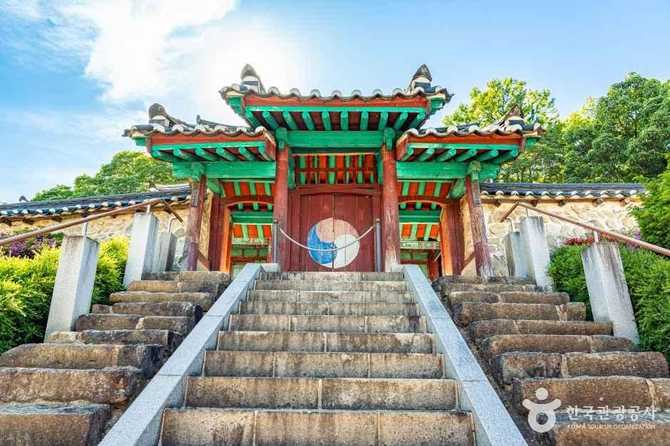
| Daeseongjeon (Confucian Shrine) | Main shrine dedicated to Confucius and revered scholars, used for ancestral rites. | Designated as Korean Cultural Heritage (1971.12.02) | Central to Confucian rituals, symbolizing Korea’s respect for ancestors and scholars. |
| Myeongnyundang (Lecture Hall) | Used for scholarly lectures and student gatherings, historically a place of learning. | Restored and preserved as a cultural asset | Represents Korea’s emphasis on Confucian education and scholarly development during the Joseon era. |
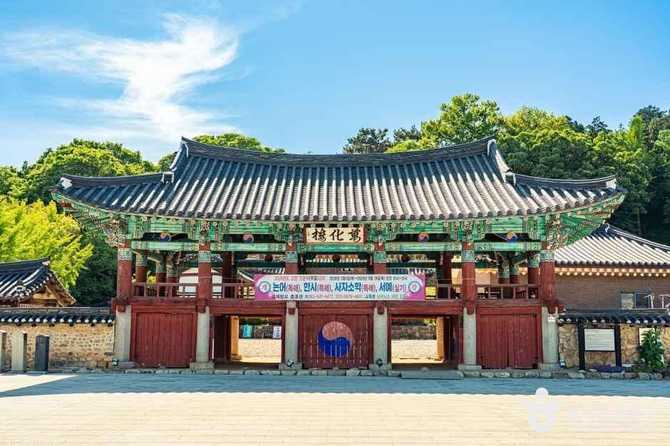
| Naesammun (Inner Gate) | Main entrance to the Hyanggyo, serving as the gateway to the educational precinct. | Historical structure, maintained as part of cultural preservation efforts | Signifies the formal entry to a sacred educational space, emphasizing discipline and respect. |
| Other Cultural Assets | Includes stone tablets, ancient inscriptions, and auxiliary structures that support the main buildings. | Various are designated as cultural assets, contributing to the site’s historical integrity. | Provide insight into traditional Confucian rituals, architecture, and scholarly life in Joseon Korea. |
Visiting Kimje Hyanggyo: Practical Tips and Checklist
- Check Opening Hours: Kimje Hyanggyo is open daily from 08:30 to 18:00. It is recommended to verify the current hours via their official website or by phone before your visit, as hours may vary during special events or maintenance periods.
- Plan Your Visit: To enjoy a peaceful experience, consider visiting on weekdays when the site tends to be less crowded. Early mornings or late afternoons are ideal for photography and contemplative exploration.
- Transportation: The site provides parking facilities; however, during peak times, parking may be limited. Public transportation, such as local buses or taxis, is highly recommended for convenience and to avoid congestion.
- Respect Cultural Heritage: Please adhere to the designated viewing areas and avoid touching or damaging artifacts. Photography may be restricted in certain zones; always check for signage or ask staff for guidance.
- Additional Tips: Bring water, wear comfortable shoes, and carry sun protection during summer visits. For detailed information, consult the official website or contact the visitor center in advance.
Cultural Significance and Role of Kimje Hyanggyo
- Center of Confucian Education: Kimje Hyanggyo served as a vital institution for Confucian learning during the Joseon Dynasty, where scholars and students engaged in the study of Confucian classics, ethics, and governance principles. Its role was to cultivate virtuous officials and promote moral values within the local community.
- Religious and Ceremonial Hub: The site was the focal point for ancestral rites and Confucian ceremonies, including rites for Confucius and revered scholars. These rituals reinforced social harmony, filial piety, and respect for ancestors, integral to Korean cultural identity.
- Preservation of Traditional Culture: By maintaining the architecture, rituals, and educational practices, Kimje Hyanggyo functions as a living monument to Korea’s Confucian heritage, helping to transmit traditional values to future generations.
- Educational and Cultural Role Today: Currently designated as a cultural heritage site, Kimje Hyanggyo hosts cultural events, educational programs, and ceremonial activities that foster understanding of Korea’s scholarly and spiritual traditions.
- Community and Tourist Attraction: As a historical site, it attracts visitors interested in Korea’s cultural history, contributing to local identity and tourism. Its preservation supports ongoing cultural education and community pride.
Visitor Checklist for Kimje Hyanggyo
- Verify Visiting Hours: Confirm current opening hours (08:30–18:00) via official sources before your visit.
- Plan Transportation: Use public transportation if possible to avoid parking congestion; parking is available but limited during busy periods.
- Respect Cultural Zones: Follow signage and guidelines to avoid damaging artifacts or entering restricted areas.
- Dress Comfortably: Wear suitable shoes and sun protection for walking and outdoor exploration.
- Prepare for Cultural Activities: If attending ceremonies or events, check schedules in advance and arrive early.
- Bring Essentials: Water, camera, and a notebook for cultural notes or photos (where permitted).
Frequently Asked Questions (FAQ)
Q1: When was Kimje Hyanggyo established?
Kimje Hyanggyo was founded in 1404 during the reign of King Taejong of the Joseon Dynasty. It has served as a central Confucian educational and ceremonial site for over 600 years.

Q2: What are the main buildings at Kimje Hyanggyo?
The key structures include the Daeseongjeon (Confucian shrine), Myeongnyundang (lecture hall), and Naesammun (inner gate). These buildings are designated as cultural heritage sites and reflect Korea’s Confucian architecture.
Q3: How can I visit Kimje Hyanggyo and what are the operating hours?
Kimje Hyanggyo is open daily from 08:30 to 18:00. It is recommended to check their official website or contact the visitor center for the latest hours before your visit.
Q4: Is Kimje Hyanggyo recognized as a cultural heritage site?
Yes, the Daeseongjeon (Confucian shrine) at Kimje Hyanggyo was designated as a Korean Cultural Heritage (Tangible Cultural Property) on December 2, 1971. Several other structures are also preserved as cultural assets.
Q5: What role does Kimje Hyanggyo play today?
Today, Kimje Hyanggyo functions as a cultural heritage site that preserves Korea’s Confucian educational and ceremonial traditions. It serves as a place for cultural learning, historical appreciation, and community events.
Q6: Are there any tips or precautions for visitors to Kimje Hyanggyo?
Visitors should respect designated cultural zones, avoid touching artifacts, and verify opening hours beforehand. During special events or restoration periods, some areas may be temporarily closed.
Experience Korea’s Rich Cultural Heritage at Kimje Hyanggyo
Visiting Kimje Hyanggyo offers a unique opportunity to immerse yourself in Korea’s traditional Confucian culture and educational history. As a historic site established in 1404, this ancient academy has played a vital role in shaping Korea’s scholarly and ceremonial traditions for over 600 years. Its well-preserved buildings, such as the Daeseongjeon and Myeongnyundang, provide a tangible connection to Korea’s past, allowing visitors to experience the spiritual and educational practices that have influenced Korean society for centuries.
Whether you are passionate about history, culture, or architecture, a visit to Kimje Hyanggyo will deepen your understanding of Korea’s Confucian legacy. The site’s accessible location in Kimje City and its year-round operation make it an ideal destination for cultural explorers. Remember to check the opening hours before your visit and respect the preservation efforts by adhering to designated areas and guidelines. Exploring this important cultural heritage site will not only enrich your knowledge but also foster a greater appreciation for Korea’s enduring traditions.
Plan your trip thoughtfully, take time to appreciate the historic structures, and participate in the rituals or ceremonies if available. Visiting Kimje Hyanggyo is more than a sightseeing activity; it’s a meaningful journey into Korea’s educational and spiritual roots. Experience firsthand how Korea’s Confucian values continue to influence modern life, and leave with a deeper respect for the country’s rich cultural tapestry. Make sure to respect the site’s rules and enjoy your exploration of this treasured Korean heritage.