

출처 : ⓒ한국관광콘텐츠랩 또는 ⓒ한국관광공사
Discover the Significance of the Donghak Peasant Revolution Memorial Tower in Korea
Location 전남광주통합특별시 장흥군 장흥읍 읍성로 2
Location 전남광주통합특별시 장흥군 장흥읍 읍성로 2
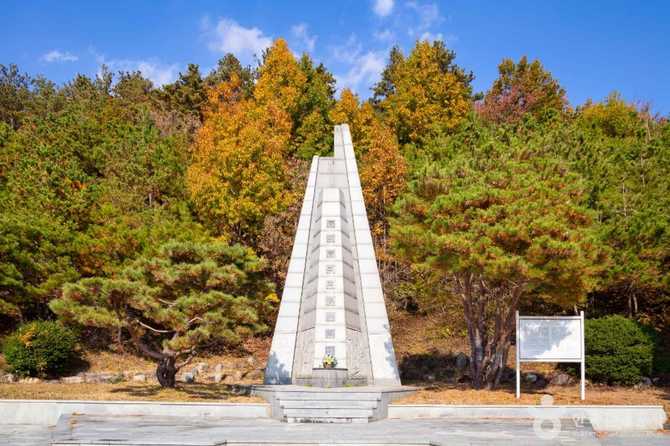
Are you interested in exploring Korea’s rich history and understanding the sacrifices made during the Donghak Peasant Revolution? Visiting the Donghak Peasant Revolution Memorial Tower in Jeongheung offers a profound insight into Korea’s fight for independence and national pride. This historical site commemorates the brave farmers and revolutionaries who fought in 1894, symbolizing the spirit of resistance and independence that shaped modern Korea.
Whether you’re a history enthusiast, a student, or a traveler eager to learn about Korea’s modern history, the Donghak Peasant Revolution Memorial Tower provides an immersive experience. Located in Jeongheung-gun, this monument not only honors the sacrifices of those involved but also serves as an educational hub for visitors to reflect on Korea’s struggle for sovereignty and reform.
At a glance
- Who this is for
-
- Visitors interested in Korean history and independence movements
- Travelers exploring Jeongheung’s cultural heritage
- History teachers and students seeking educational resources
- Key takeaways
-
- Commemorates the 1894 Donghak Peasant Revolution and its sacrifices
- Located in Jeongheung-gun, South Korea
- Open year-round with free admission
- Features historical records of key battles like the Battle of Seokdae-dal
- Serves as a site for educational programs and memorial events
- Tips & cautions
-
- Check the official website or contact the memorial for current hours and events
- Free parking available on-site for visitors
- Visit during weekdays or special commemorative days for a more meaningful experience
- Bottom line
- Visiting the Donghak Peasant Revolution Memorial Tower offers a meaningful journey into Korea’s fight for independence and national pride.
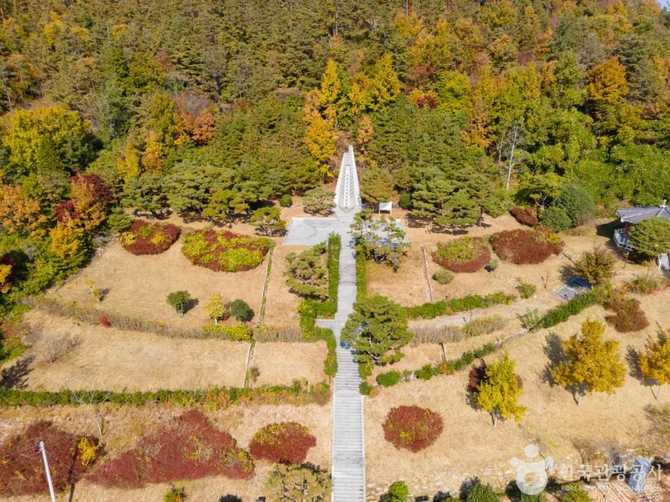
The Donghak Peasant Revolution Memorial Tower in Jeongheung is a vital historical landmark that honors the courage and sacrifices of those who participated in the 1894 Donghak Peasant Revolution. This monument stands as a testament to Korea’s enduring spirit of independence and resistance against oppression. Located at 2 Eupsung-ro, Jeongheung-eup, Jeongheung-gun, South Korea, the site is accessible year-round and is free to visit, making it an ideal destination for history lovers and cultural explorers alike.
By exploring this memorial, visitors gain a deeper understanding of the revolutionary spirit that fueled Korea’s modern independence movement. The site also functions as an educational resource, hosting exhibitions and commemorative events that highlight the key battles such as the Battle of Seokdae-dal and the role of local farmers in Korea’s national history. Whether you are a traveler seeking cultural insights or a student researching Korea’s modern history, the Donghak Peasant Revolution Memorial Tower provides a compelling and educational experience.
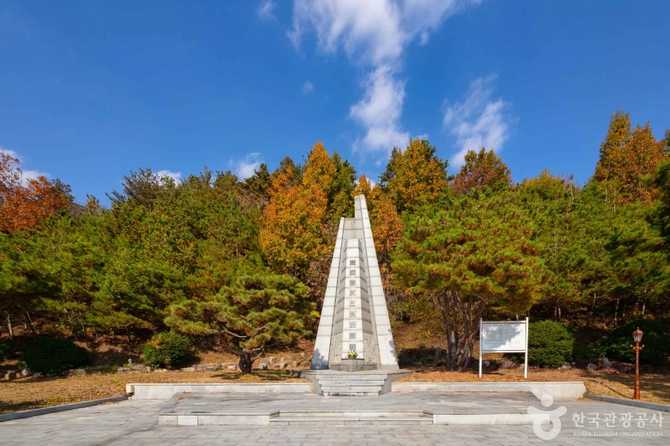
Plan your visit to this significant historical site and immerse yourself in Korea’s revolutionary past. Learning about the sacrifices made by those who fought for sovereignty offers valuable lessons on resilience, patriotism, and national identity that remain relevant today.
Overview of the Donghak Peasant Revolution Memorial Tower
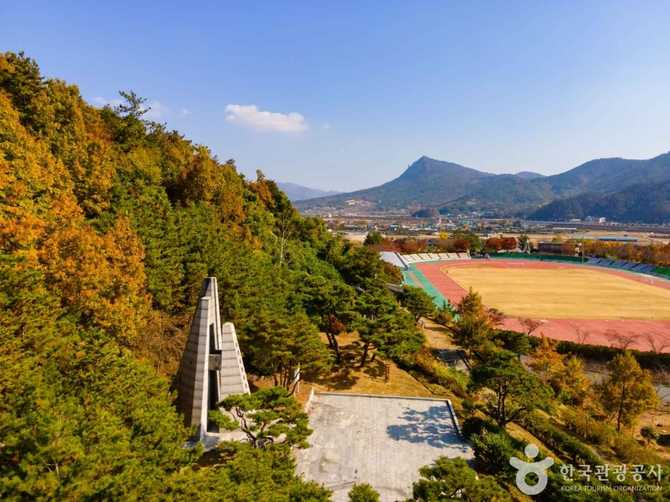
The Donghak Peasant Revolution Memorial Tower in Jeongheung is a significant historical landmark dedicated to commemorating the brave farmers and revolutionaries who participated in the 1894 Donghak Peasant Revolution. This pivotal event in Korea’s modern history was a nationwide uprising against corruption, foreign influence, and social injustices during a time of political turmoil. The memorial tower stands as a symbol of Korea’s resilience, independence, and the enduring spirit of resistance against oppression. Located in Jeongheung-gun, South Korea, the site provides visitors with a profound opportunity to learn about the sacrifices made by those who fought for sovereignty and reform. It also serves as an educational hub, hosting exhibitions, memorial events, and historical records related to key battles such as the Battle of Seokdae-dal, the Battle of Ugeumchi, and the final confrontation at Seokdae-dal. The tower’s construction in 1895 marks the historical importance of the last fierce battles of the revolution, especially in the Jeongheung area, where local farmers and militia played a crucial role. The site is open year-round, free of charge, and easily accessible, making it a must-visit destination for history enthusiasts, students, educators, and travelers interested in Korea’s fight for independence. Visiting the Donghak Peasant Revolution Memorial Tower offers a meaningful experience to reflect on Korea’s national identity, the sacrifices of its ancestors, and the ongoing importance of patriotism. It is not only a place to honor the past but also a space to inspire future generations to uphold the values of justice, independence, and resilience that the revolution embodies.

Comparison of the Donghak Peasant Revolution Memorial Tower and Related Historical Sites
| Feature | Donghak Peasant Revolution Memorial Tower | Donghak Peasant Revolution Museum | Ugeumchi Battle Site |
|---|---|---|---|
| Location | Jeongheung-gun, South Korea | Jeongheung-gun, South Korea | Ugeumchi, South Korea |
| Main Focus | Commemorates the 1894 revolution and sacrifices | Provides detailed exhibits on the revolution’s history | Historical battlefield of key battles |
| Activities | Historical reflection, memorial events, educational programs | Exhibitions, guided tours, educational workshops | Site tours, battlefield exploration, reenactments |
| Accessibility | Open year-round, free entry, parking available | Open daily, free admission, parking available | Open during designated hours, parking available |
| Educational Value | High; focuses on memorializing sacrifices and history | Very high; detailed exhibits and educational programs | Moderate; battlefield history and reenactments |
Practical Checklist for Visiting the Donghak Peasant Revolution Memorial Tower
- Check the opening hours: The memorial tower is open year-round, 24/7, with no holidays. Confirm any special events or temporary closures by visiting the official website or calling ahead.
- Plan your transportation: The site is accessible by car with parking facilities available on-site. Public transportation options include local buses; check schedules in advance for a smooth visit.
- Prepare educational materials: Bring notebooks or devices if visiting with students or for personal study, as the site offers valuable historical insights.
- Visit during off-peak hours: Early mornings or late afternoons tend to be less crowded, allowing for a more reflective experience.
- Respect the site: Follow posted guidelines, do not disturb exhibits, and maintain decorum during memorial ceremonies or educational events.
Educational and Cultural Value of the Donghak Peasant Revolution Memorial Tower
- Historical Education: The memorial tower serves as an essential educational resource, providing detailed exhibits about the 1894 Donghak Peasant Revolution, its causes, key battles like the Battle of Ugeumchi, and the sacrifices of the farmers and revolutionaries. Schools often organize field trips here to deepen students’ understanding of Korea’s modern history and the struggle for sovereignty.
- Preservation of Cultural Heritage: Located in Jeongheung-gun, the site plays a vital role in preserving local and national history. It highlights the resilience and patriotism of Korean farmers and citizens during a turbulent period, fostering national pride and cultural identity among visitors.
- Commemoration and Reflection: The memorial tower is a place for solemn remembrance, where visitors can reflect on the sacrifices made for Korea’s independence. It hosts memorial ceremonies and anniversaries that honor the fallen, promoting awareness of Korea’s independence movement among younger generations.
- Community Engagement: The site actively engages local communities through educational programs, cultural events, and commemorative activities. These initiatives help instill a sense of history and patriotism, connecting past struggles with contemporary values.
- Promotion of Korean History Tourism: As part of Jeongheung’s cultural tourism, the memorial tower attracts domestic and international visitors interested in Korea’s revolutionary history. It contributes to regional development by offering a meaningful cultural experience that educates while promoting local tourism.
Practical Checklist for Visiting the Donghak Peasant Revolution Memorial Tower
- Verify operating hours: The memorial tower is open year-round, 24/7, with no holidays. However, it’s advisable to check the official website or contact the site directly for any special events or temporary closures before your visit.
- Plan your transportation: The site is accessible by car, with parking facilities available on-site. For public transportation, local buses serve the area; confirm schedules in advance to ensure a smooth journey.
- Prepare educational materials: If visiting as part of an educational group or for personal study, bring notebooks, tablets, or other devices to take notes and enhance your understanding of the exhibits.
- Choose optimal visiting times: To avoid crowds and enjoy a peaceful experience, visit early in the morning or late in the afternoon. Avoid peak holiday seasons if you prefer a quieter environment.
- Respect the site: Follow all posted guidelines, refrain from touching or disturbing exhibits, and maintain decorum during memorial ceremonies or educational events.
- Stay informed: Check the official website or contact the memorial for updates on special programs, guided tours, or temporary exhibitions that can enrich your visit.
Whether you visit during the day or evening, Discover the Significance of the is a meaningful stop on any Seoul itinerary for history-minded travelers.
Frequently Asked Questions (FAQ)
Q1: Where is the Donghak Peasant Revolution Memorial Tower located?
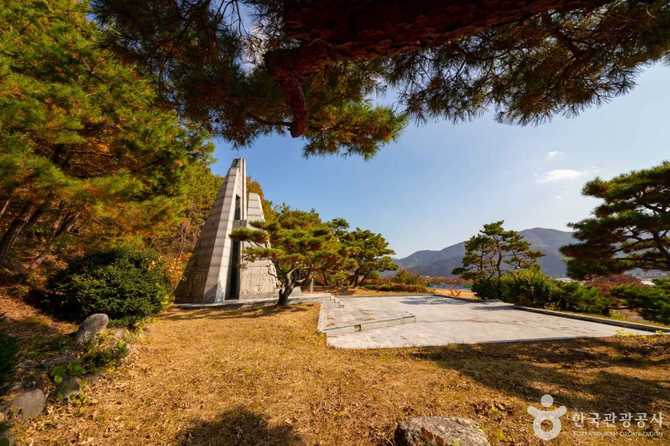
The Donghak Peasant Revolution Memorial Tower is located at 2 Eupsung-ro, Jeongheung-eup, Jeongheung-gun, South Korea. It is situated next to the Jeongheung Donghak Peasant Revolution Museum, making it easily accessible for visitors.
Q2: What are the opening hours of the memorial tower?
The memorial tower is open year-round, 24 hours a day, without any holidays. Visitors can explore the site at any time, and there are no restrictions on visiting hours.
Q3: Is there an entrance fee to visit the Donghak Peasant Revolution Memorial Tower?
No, admission to the memorial tower is completely free. Visitors can freely explore the site and participate in related educational programs and events without any cost.
Q4: What should I consider before visiting the memorial tower?
It is recommended to check the official website or contact the site beforehand for any updates on events or temporary closures. Parking is available on-site, and visitors should respect the site’s guidelines during their visit.
Q5: What historical events does the memorial tower commemorate?
The memorial tower commemorates the sacrifices and spirit of those involved in the 1894 Donghak Peasant Revolution, including key battles such as the Battle of Ugeumchi and the final confrontation at Seokdae-dal. It honors the farmers and revolutionaries who fought for Korea’s independence and reform.
Q6: How is the memorial tower used today?
The site functions as a place for historical education and memorial ceremonies. It hosts exhibitions, commemorative events, and educational programs to promote awareness of Korea’s modern independence movement and the sacrifices made during the revolution.
Explore the Significance of the Donghak Peasant Revolution Memorial Tower in Korea
Visiting the Donghak Peasant Revolution Memorial Tower in Jeongheung offers a meaningful journey into Korea’s rich history of resistance and independence. This important site not only commemorates the sacrifices made by farmers and revolutionaries during the pivotal 1894 uprising but also serves as an educational hub that preserves and promotes Korea’s national heritage. As you explore the memorial, you gain insight into the struggles that shaped modern Korea, from key battles like the Battle of Ugeumchi to the enduring spirit of patriotism. The memorial’s accessible location, free admission, and year-round open hours make it an ideal destination for history enthusiasts, students, teachers, and travelers interested in Korea’s revolutionary past. Engaging with this site allows visitors to reflect on the resilience and unity of Korea’s people, inspiring a deeper appreciation for the sacrifices that contributed to Korea’s independence. Planning your visit to the Donghak Peasant Revolution Memorial Tower ensures a rewarding experience that enriches your understanding of Korea’s modern history and cultural identity.