
출처 : ⓒ한국관광콘텐츠랩 또는 ⓒ한국관광공사
Discover Yeoju Ipo Naru: A Historic Transportation Hub in Korea
Location 경기도 여주시 금사면 이포로 39
Location 경기도 여주시 금사면 이포로 39
Are you interested in exploring Korea’s rich history and cultural heritage? Visiting Yeoju Ipo Naru offers a unique glimpse into Korea’s traditional transportation routes, historical events, and scenic landscapes. This site, rooted in centuries of Korean history, connects past and present as a significant ferry crossing and cultural landmark in Yeoju City, Gyeonggi Province. Whether you’re a history enthusiast, a cultural traveler, or someone eager to experience Korea’s traditional transportation corridors, Ipo Naru is a must-visit destination that encapsulates Korea’s vibrant history and scenic beauty.
In this comprehensive guide, you’ll learn about the historical significance of Ipo Naru, its role from the Joseon Dynasty to modern times, and how it has been preserved and restored for visitors today. From its strategic importance during the Three Kingdoms period to its role in the 1919 independence movement, Ipo Naru is a site filled with stories and cultural value. Discover how recent restoration efforts have brought back its historical essence, and get practical tips for visiting this scenic and historic location.
At a Glance
- Who this is for
-
- Travelers interested in Korea’s history and cultural sites
- History and heritage enthusiasts exploring traditional transportation routes
- Tourists visiting Yeoju City seeking scenic and educational experiences
- Researchers studying Korea’s historical trade and transportation infrastructure
- Key takeaways
-
- Ipo Naru has been a vital transportation hub since the Three Kingdoms period.
- It played a significant role during the Joseon Dynasty, including the exile of King Danjong.
- The site was a focal point during the 1919 Korean independence movement.
- Restoration efforts in 2009 have revived its historical significance.
- Today, Ipo Naru is a scenic spot with walking trails and historical markers.
- Tips & cautions
-
- Visit early in the day to enjoy peaceful scenery and avoid crowds.
- Combine your visit with a walk along the river for scenic views.
- Check the weather forecast before visiting, as outdoor areas are exposed.
- Respect the historical sites and follow signage for preservation.
- Bottom line
- Yeoju Ipo Naru is a must-see cultural landmark that beautifully bridges Korea’s past and present.
Embark on a journey through Korea’s rich history by visiting Yeoju Ipo Naru, a site that has served as a vital transportation and cultural hub for centuries. Located in Gyeonggi Province, this historic ferry crossing connects the local communities and played a key role in Korea’s historical trade routes and military movements. Today, the site has been carefully preserved and restored, allowing visitors to experience Korea’s traditional transportation history firsthand.
Whether you are exploring Korea’s ancient trade routes, studying its historical events, or simply seeking scenic spots for relaxation and learning, Ipo Naru offers a compelling destination. Its scenic river views, historical markers, and reconstructed relics provide an immersive experience into Korea’s cultural heritage. This guide will provide detailed insights into the history, significance, and practical tips for visiting Ipo Naru, ensuring your trip is both educational and enjoyable.
Overview of Yeoju Ipo Naru’s Historical Significance
Yeoju Ipo Naru is a historically significant ferry crossing and transportation hub located in Gyeonggi Province, South Korea. It has played a vital role in Korea’s transportation and trade networks since ancient times, dating back to the Three Kingdoms period. The focus keyword, Yeoju Ipo Naru, encapsulates a site that has been central to Korea’s cultural and economic development for centuries. Situated along the Han River, this ferry point connected various regions, including the capital city Hanyang (modern-day Seoul), and facilitated the movement of goods, people, and cultural exchanges across Korea’s central plains.
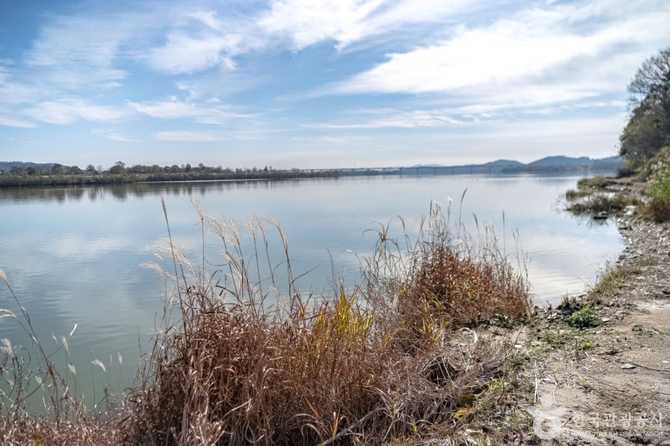
During the Joseon Dynasty, Yeoju Ipo Naru gained even greater importance. It served as a key transportation route for agricultural products, salt, and other commodities moving between the inland regions and the coast. The site was also historically linked to significant events, such as the exile of King Danjong, the 6th ruler of Joseon, who was banished to Yeongwol but connected to the Ipo Naru area through various historical narratives. Additionally, the ferry crossing was a strategic point during the 1919 March 1st Movement, where thousands of Koreans gathered to demand independence from Japanese rule.
Although the construction of the Ipo Bridge in 1991 shifted much of the transportation activity away from the ferry crossing, the historical importance of Yeoju Ipo Naru remains intact. Recent restoration efforts, starting in 2009, have aimed to preserve and showcase its cultural heritage. Today, visitors can explore reconstructed relics, historical markers, and scenic river views that highlight its past as a bustling transportation hub. This site not only offers a glimpse into Korea’s ancient trade routes but also serves as a reminder of the resilience and historical continuity of the region. For travelers interested in Korea’s transportation history and cultural heritage, Yeoju Ipo Naru is an essential destination that bridges the past and present seamlessly.
Comparison of Historical Events at Yeoju Ipo Naru
| Event / Period | Details | Significance |
|---|---|---|
| Three Kingdoms Period | Yeoju Ipo Naru served as a key transportation point along the Han River, facilitating movement of troops and goods. | Established as a strategic logistics hub during early Korean history, influencing regional development. |
| Joseon Dynasty | The site became a major ferry crossing connecting Seoul to the Gangwon and Chungcheong provinces. | Enhanced trade, cultural exchange, and political control across central Korea. |
| Exile of King Danjong | Historical records link Danjong’s exile to the region, emphasizing its political importance. | A symbol of political upheaval and royal history in Korea. |
| 1919 March 1st Movement | Thousands gathered at Ipo Naru to declare independence from Japanese colonial rule. | A pivotal moment in Korea’s independence movement, marking national unity. |
| Construction of Ipo Bridge | Built in 1991, shifting transportation from ferry to road infrastructure. | Marked the decline of ferry-based transport but preserved its historical importance. |
| 2009 Restoration | Initiated to reconstruct relics and markers, highlighting the site’s historical role. | Revived awareness and appreciation of Yeoju Ipo Naru’s cultural heritage. |
Restoration Projects and Current State of Yeoju Ipo Naru
- 2009 Restoration Initiative: The local government launched a project to preserve the historical significance of Yeoju Ipo Naru. This included installing informational plaques, reconstructing historical markers, and enhancing the surrounding landscape to reflect its past appearance.
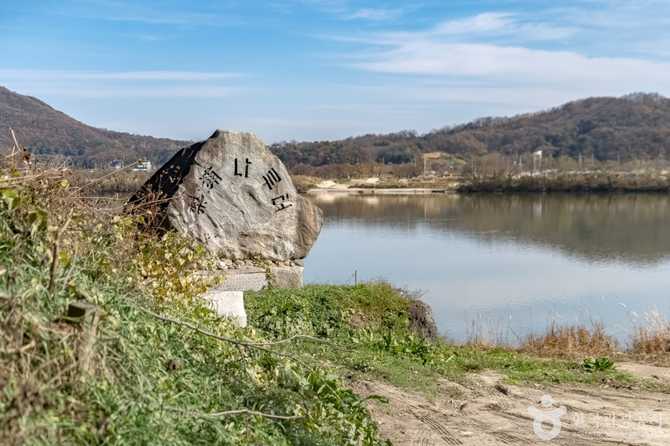
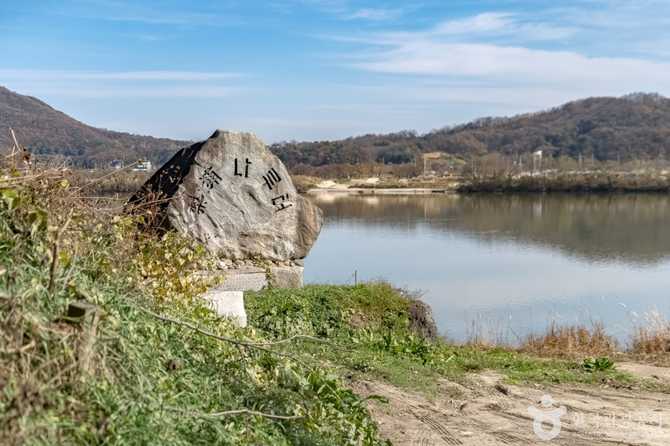
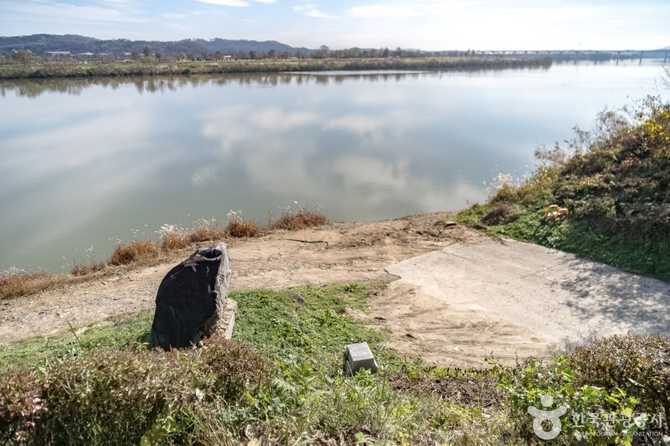
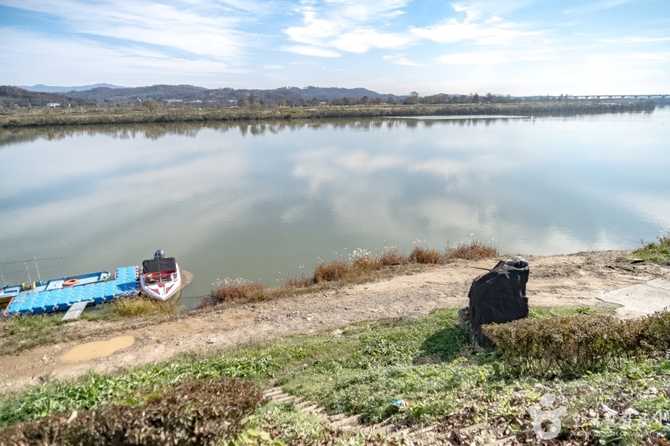
- Relic Reconstruction: Although the original ferry crossing no longer exists, several stone markers and signboards have been placed along the riverbank to symbolize the former ferry site. These markers provide insights into the area’s historical role and are designed to educate visitors.
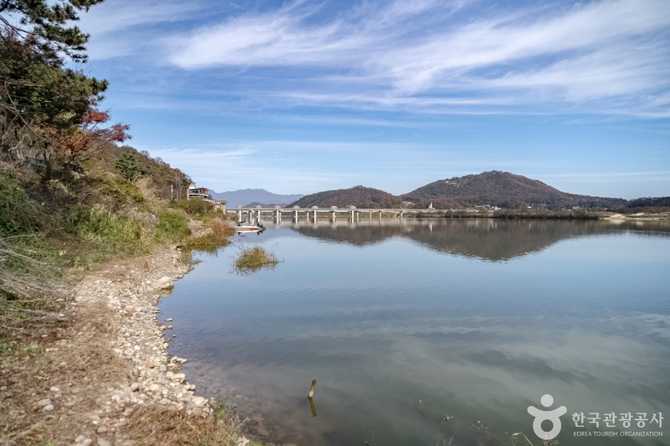
- Visitor Facilities: Currently, the site features scenic walking paths along the Han River, with designated viewing points of the river and nearby islands such as Dangnam Island. The facilities aim to balance tourism and preservation.
Visitor Information and Practical Tips for Yeoju Ipo Naru
| Aspect | Details |
|---|---|
| Address | 39 Ipo-ro, Geumsa-myeon, Yeoju-si, Gyeonggi Province, South Korea |
| Contact | Yeoju Tourism Information Center: 031-887-2868 |
| Opening Hours | Open year-round, 24/7 access |
| Admission Fee | Free |
- Plan your visit early in the day: Enjoy peaceful scenery and avoid crowds, especially during peak seasons.
- Combine your trip with a riverside walk: The scenic trail along the Han River offers beautiful views of the water, islands, and surrounding nature.
- Check the weather forecast: Outdoor sites are exposed, so dress appropriately and prepare for sudden weather changes.
- Respect the site: Follow signage and guidelines to help preserve the historical markers and natural environment.
- Bring a camera or smartphone: The reconstructed relics and scenic views provide excellent photo opportunities.
Interesting Stories and Cultural Significance of Yeoju Ipo Naru
- The site was a key location during the exile of King Danjong, adding royal historical importance.
- In 1882, Queen Myeongseong (Empress Myeongseong) stayed at Ipo Naru for three days while waiting to re-enter Seoul, marking a notable event in Korean royal history.
- The 1919 March 1st Independence Movement saw thousands gather at Ipo Naru to declare Korea’s independence, making it a symbol of national resistance.
- The construction of the Ipo Bridge in 1991 shifted much of the transportation activity away from the ferry crossing, but the historical site remains a symbol of Korea’s evolving infrastructure.
- The 2009 restoration project aimed to preserve and showcase the site’s historical importance, including installing informational plaques and reconstructed relics.
Whether you visit during the day or evening, Discover Yeoju Ipo Naru is a meaningful stop on any Seoul itinerary for history-minded travelers.
Frequently Asked Questions (FAQ)
Yeoju Ipo Naru has been a crucial transportation hub since the Three Kingdoms period, serving as a ferry crossing on the Han River. It played a key role in trade, military movement, and cultural exchanges throughout Korean history, including during the Joseon Dynasty and the independence movement.
The site is open year-round and free to the public. Visitors can explore the outdoor historical markers and scenic river views at any time, with no admission charges.
Yeoju Ipo Naru was involved in the exile of King Danjong during the Joseon Dynasty and was a gathering site for the 1919 Korean independence movement. It also served as a vital trade route during ancient times.
Restoration efforts began in 2009, including installing informational plaques and reconstructing historical markers. Although the original ferry crossing no longer exists, the site now features reconstructed relics and scenic walking paths along the river.
Visitors can enjoy scenic views of the Han River, walk along the river trail, and view reconstructed relics and historical markers. It is a peaceful outdoor site ideal for photography, learning about Korea’s transportation history, and reflecting on its cultural heritage.
It is recommended to visit early in the day for a quieter experience and to combine the visit with a walk along the river for scenic views. Be sure to check the weather beforehand and wear appropriate outdoor attire for walking and exploration.
Experience the Rich Heritage of Yeoju Ipo Naru
Visiting Yeoju Ipo Naru offers a unique opportunity to connect with Korea’s deep-rooted history and cultural traditions. This historic site, once a bustling transportation hub from the Three Kingdoms period through the Joseon Dynasty, now serves as a scenic reminder of Korea’s rich past. Whether you are a history enthusiast, a cultural explorer, or simply seeking a peaceful spot to reflect on Korea’s heritage, Ipo Naru provides an enriching experience that combines historical significance with natural beauty.
As you walk along the river trail, taking in the reconstructed relics and informative markers, you’ll gain a deeper understanding of Korea’s ancient transportation routes and their role in shaping regional development. The site’s scenic views of the Han River and nearby islands create a perfect backdrop for photography and relaxation. Visiting Yeoju Ipo Naru is not just about sightseeing; it’s about immersing yourself in Korea’s storied history and appreciating the resilience and continuity of its cultural landscape.
Remember, this site is accessible year-round and free to visit, making it an ideal stop during your trip to Yeoju. Take your time exploring the outdoor markers, enjoy a leisurely walk along the river, and reflect on the historical stories that have shaped Korea. Whether you’re here for a brief visit or a deeper exploration, Yeoju Ipo Naru promises a meaningful experience that bridges Korea’s past and present, leaving you with lasting memories and a greater appreciation for Korea’s cultural heritage.