
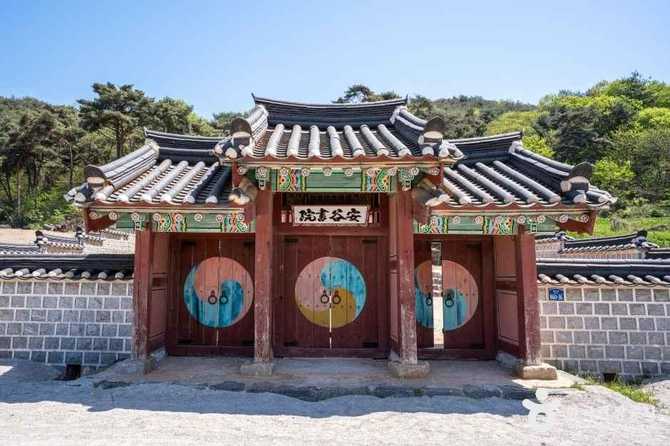
출처 : ⓒ한국관광콘텐츠랩 또는 ⓒ한국관광공사
Discover Anseong Seowon: A Historic Confucian Academy in Korea
Location 경기도 화성시 서신면 제부로 860-36
Location 경기도 화성시 서신면 제부로 860-36
Are you interested in exploring Korea’s rich cultural heritage and traditional Confucian sites? Anseong Seowon, a prominent historical academy in Gyeonggi Province, offers a unique glimpse into Korea’s scholarly past, spiritual traditions, and architectural beauty. Whether you’re a history enthusiast, a student of Korean culture, or a traveler seeking authentic cultural experiences, visiting Anseong Seowon provides an enriching journey into Korea’s Confucian heritage.
Located in the scenic surroundings of Hwaseong City, Anseong Seowon is a well-preserved Confucian academy that dates back to the Joseon Dynasty. Built in 1666, it honors scholars and virtue, serving as a place for learning, ancestral rites, and cultural preservation. The site features traditional architecture, ancient trees, and historical relics that embody Korea’s dedication to Confucian values and scholarly pursuits. Today, it remains a vital cultural asset, open year-round for visitors eager to understand Korea’s historical emphasis on education and moral virtue.
At a glance
- Who this is for
-
- Travelers interested in Korean history and culture
- Students and researchers studying Confucianism or Joseon Dynasty history
- Anyone seeking authentic cultural experiences in Gyeonggi Province
- Key takeaways
-
- Built in 1666 by scholar Min Si-jung
- Reconstructed in 1976 after historical damages
- Houses memorial tablets of scholars like Park Se-hee, Park Se-hoon, and Hong Seom
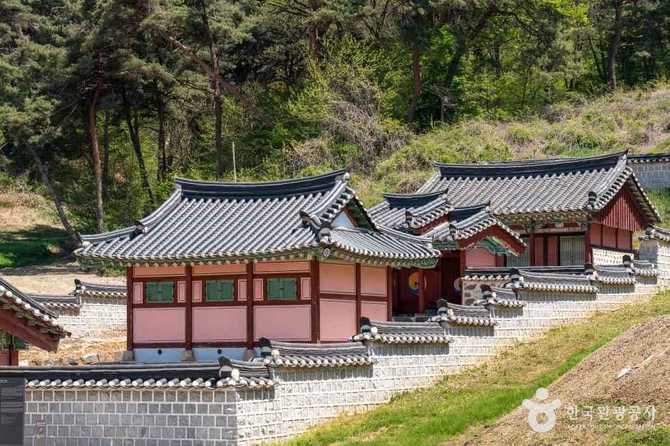
- Features traditional architecture including gate, lecture hall, and shrine
- Surrounded by a 450-year-old ginkgo tree and beautiful natural scenery
- Tips & cautions
-
- Respect the site’s cultural and historical significance
- Maintain quiet and proper etiquette during visits
- Check for special events or ceremonies before visiting
- Free admission, but follow rules on photography and conduct
- Bottom line
- Visiting Anseong Seowon offers a meaningful experience to connect with Korea’s Confucian traditions and historical architecture.
Welcome to our comprehensive guide on Anseong Seowon, a significant cultural heritage site nestled in Gyeonggi Province. This historic Confucian academy was established during the Joseon Dynasty to honor scholars and uphold Confucian ideals, making it a vital part of Korea’s educational and spiritual history. Today, it stands as a preserved cultural monument, offering visitors a chance to explore traditional Korean architecture, learn about prominent scholars, and enjoy the tranquil natural environment that surrounds the site.

In this guide, we will cover everything you need to know about Anseong Seowon—from its historical background and architectural features to visitor information and tips for a meaningful visit. Whether you’re planning a cultural trip, an educational tour, or a peaceful walk through historical grounds, understanding the significance of Anseong Seowon will enrich your experience. Discover the stories behind the scholars memorialized here, admire the ancient trees, and immerse yourself in Korea’s venerable Confucian traditions.
Anseong Seowon: Overview and Historical Background
Nestled in the scenic city of Hwaseong, Gyeonggi Province, Anseong Seowon is a significant cultural heritage site that embodies Korea’s rich Confucian tradition. Established in 1666, this historic academy was built to honor esteemed scholars and promote the moral and educational values of the Joseon Dynasty. As a prominent example of Korea’s traditional Confucian educational institutions, Anseong Seowon offers visitors a deep insight into Korea’s scholarly past, spiritual beliefs, and architectural heritage.
The founding of Anseong Seowon was spearheaded by scholar Min Si-jung, who aimed to create a space where local scholars and students could gather for study, reflection, and ancestral rites. Over the centuries, the site has played a vital role in fostering Confucian ideals, serving as both an educational center and a place for memorial ceremonies dedicated to revered scholars like Park Se-hee, Park Se-hoon, and Hong Seom. The memorial tablets of these eminent figures are enshrined within the shrine, symbolizing respect for their contributions to Korean intellectual history.
Despite facing challenges during the late 19th century when the Joseon Dynasty’s Confucian institutions were suppressed, Anseong Seowon was restored in 1976 and has since been preserved as a cultural asset. Today, it continues to serve as a vital site for cultural education and heritage preservation, attracting visitors interested in Korea’s traditional values and history. The site’s natural surroundings, including a majestic 450-year-old ginkgo tree, enhance the tranquil atmosphere, making it an ideal location for reflection and learning.
Visiting Anseong Seowon provides a meaningful opportunity to explore Korea’s scholarly and spiritual traditions, understand the architecture of the Joseon era, and appreciate the enduring legacy of Confucianism in Korean society. Whether you are a history enthusiast, a student, or a cultural traveler, this site offers a compelling glimpse into Korea’s historical emphasis on education, morality, and respect for ancestors.

Comparison of Architectural Features at Anseong Seowon
| Structure | Description | Remarks |
|---|---|---|
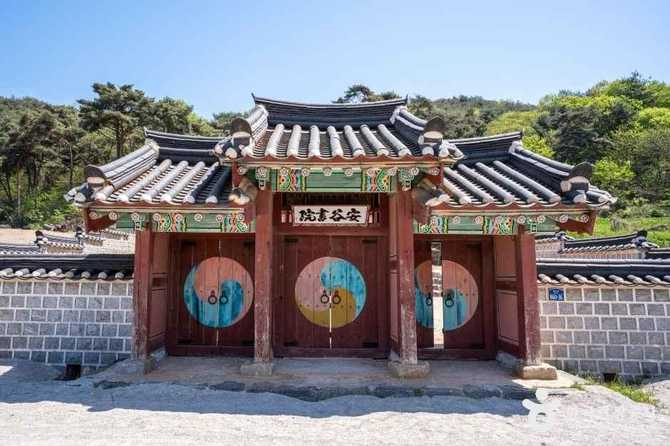
| Hongsalmun (Main Gate) | Traditional wooden gate with a curved roof, serving as the entrance to the Seowon. | Symbolizes respect and etiquette; visitors should bow when passing through. |
| Lecture Hall (Gangdang) | A two-story building with a hip-and-gable roof, used for scholarly gatherings and lessons. | Features traditional wooden architecture with elegant eaves and open interior. |
| Inner Shrine (Sajikdang) | A shrine building enshrining memorial tablets of scholars like Park Se-hee, with a simple yet respectful design. | Main space for ancestral rites and memorial ceremonies. |
| Ancillary Structures | Includes auxiliary buildings such as storage rooms and auxiliary pavilions, maintaining traditional layouts. | Supports the main structures and daily activities of the Seowon. |
This comparison highlights the harmonious integration of traditional Korean architecture within Anseong Seowon, emphasizing the cultural importance of each structure in facilitating scholarly and ceremonial activities.
Cultural Heritage and Natural Environment of Anseong Seowon
- Historical Trees: The site is renowned for its 450-year-old ginkgo tree, which stands majestically in front of the Seowon, symbolizing longevity and wisdom. This natural monument has witnessed centuries of scholarly activities and ceremonies.
- Architectural Preservation: The buildings, including the lecture hall and shrine, are designated as cultural assets, showcasing traditional Korean wooden construction techniques and craftsmanship.
- Natural Scenery: Surrounded by lush greenery and tranquil landscapes, the Seowon offers an ideal environment for reflection and learning, especially during spring and autumn when the scenery is at its most vibrant.
- Cultural Significance: The integration of natural elements with cultural heritage exemplifies Korea’s philosophy of harmony between humans and nature, fostering a serene atmosphere conducive to study and contemplation.
Visitor Information and Practical Tips for Anseong Seowon
- Opening Hours: Anseong Seowon is open year-round without any restrictions, providing visitors the flexibility to plan their visit at their convenience. It is accessible at any time, but it is recommended to visit during daylight hours for the best experience.
- Admission Fee: Entrance to Anseong Seowon is free of charge. Visitors can explore the site without any entrance fee, making it an excellent option for budget-friendly cultural exploration.
- Parking: Parking facilities are available nearby. Visitors can park their vehicles conveniently; however, specific parking details should be confirmed prior to visiting, especially during special events or peak seasons.
- Best Visiting Times: The most scenic seasons are spring, when cherry blossoms bloom, and autumn, when the foliage turns vibrant red and orange. Visiting between 10:00 AM and 4:00 PM allows ample time for a leisurely exploration of the site and its surroundings.
- Guided Tours and Group Visits: For organized groups or educational tours, it is advisable to contact the management in advance to arrange guided visits. This ensures a more informative experience, especially for students and researchers.
- Photography and Conduct: Photography is permitted, but visitors should be respectful and avoid disturbing the tranquility of the site. Refrain from loud noises, and always follow the instructions of the staff or signage regarding photography and behavior.
- Special Events and Ceremonies: Anseong Seowon hosts traditional rites and cultural events, especially on the anniversary of its founding or during specific lunar calendar dates. Checking the official website or contacting the management beforehand will help visitors participate or observe these meaningful ceremonies.
- Accessibility: The site is generally accessible to visitors, but some areas may have uneven paths or steps. Visitors with mobility concerns should plan accordingly and inquire about accessible routes.
Visitor Tips & Important Reminders
- Visit during daylight hours for optimal lighting and safety.
- Respect the cultural and natural environment by following etiquette guidelines.
- Plan ahead for guided tours or special events by contacting the management in advance.
- Wear comfortable shoes suitable for walking on traditional stone and wooden paths.
- Capture memories with photos, but avoid flash photography near sensitive relics.
- Always dispose of trash properly and maintain the peaceful atmosphere of the site.
Checklist for Visiting Anseong Seowon
- Check the weather forecast to choose the best day for outdoor exploration.
- Confirm opening hours and any special event schedules via the official website or contact point.
- Plan your route and transportation options to ensure timely arrival.
- Prepare comfortable clothing and appropriate footwear for walking and outdoor activities.
- Bring a camera or smartphone for capturing scenic views and historical architecture.
- Respect the site’s rules regarding photography, noise, and behavior.
- Consider joining a guided tour or educational program if available for a richer experience.
- Carry water and snacks if you plan to spend several hours exploring the area.
- Be mindful of natural and cultural relics—avoid climbing or touching sensitive structures.
- Leave no trace—dispose of trash properly and leave the site as you found it.
Whether you visit during the day or evening, Discover Anseong Seowon is a meaningful stop on any Seoul itinerary for history-minded travelers.
Frequently Asked Questions (FAQ)
Q1: When was Anseong Seowon established?
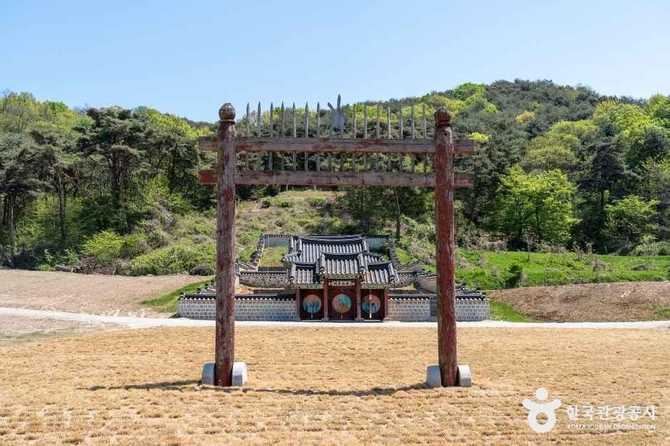
An: Anseong Seowon was founded in 1666 by scholar Min Si-jung during the Joseon Dynasty. It was officially recognized as a Seowon in 1721 and was reconstructed in 1976 after damages in the late 19th century.
Q2: Which scholars are memorialized at Anseong Seowon?
An: The site enshrines memorial tablets of prominent scholars such as Park Se-hee, Park Se-hoon, and Hong Seom, honoring their contributions to Korean Confucianism and scholarship.
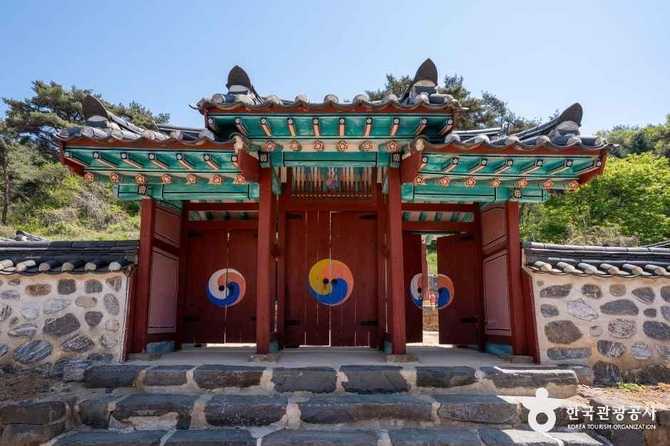
Q3: What are the main architectural features of Anseong Seowon?
An: Key structures include the traditional Hongsalmun (main gate), lecture hall (Gangdang), and the shrine (Sajikdang), all built with traditional Korean wooden architecture and designated as cultural assets.
Q4: What natural features surround Anseong Seowon?
An: The Seowon is famous for its 450-year-old ginkgo tree in front of the site, symbolizing longevity and wisdom, and the area is surrounded by lush greenery, creating a peaceful environment for visitors.
Q5: When is the best time to visit Anseong Seowon?

An: The site is open year-round, with spring and autumn being ideal seasons to enjoy the natural scenery, such as cherry blossoms and colorful foliage. Visiting between 10 a.m. and 4 p.m. is recommended.
Q6: Are there any special rules or tips for visiting Anseong Seowon?
An: Visitors should maintain quiet and respectful behavior, follow etiquette guidelines, and avoid damaging the cultural relics or natural environment. It’s advisable to check for any special events or ceremonies before your visit.
Final Thoughts on Visiting Anseong Seowon: A Gateway to Korea’s Confucian Heritage
Visiting Anseong Seowon offers a meaningful journey into Korea’s rich cultural and educational history. As a well-preserved Confucian academy, it provides visitors with a unique opportunity to explore traditional Korean architecture, learn about influential scholars of the Joseon Dynasty, and experience the serene natural environment that surrounds the site. Whether you are a history enthusiast, a student of Korean culture, or a traveler seeking authentic cultural immersion, the significance of Anseong Seowon extends beyond its physical structures—it’s a living testament to Korea’s enduring respect for education, morality, and ancestral reverence.
Plan your visit to coincide with the beautiful seasons of spring or autumn to fully enjoy the scenic beauty of the site, especially the ancient ginkgo tree that has stood for over 450 years. Remember to observe proper etiquette and show respect for the cultural heritage during your exploration. The site’s free admission and year-round accessibility make it an excellent choice for a peaceful day of reflection, learning, and appreciation of Korea’s traditional values. By experiencing Anseong Seowon firsthand, you gain a deeper understanding of Korea’s historical emphasis on scholarly pursuits and moral virtues, making your visit both educational and inspiring.
Ultimately, Anseong Seowon is more than just a historical site; it is a vibrant symbol of Korea’s Confucian legacy and cultural identity. Whether you spend a brief moment admiring its architecture or take a leisurely walk through its tranquil surroundings, your experience will surely enrich your appreciation for Korea’s profound historical and spiritual traditions. Be sure to include this remarkable site in your travel plans for an authentic encounter with Korea’s heritage that will leave lasting memories.