
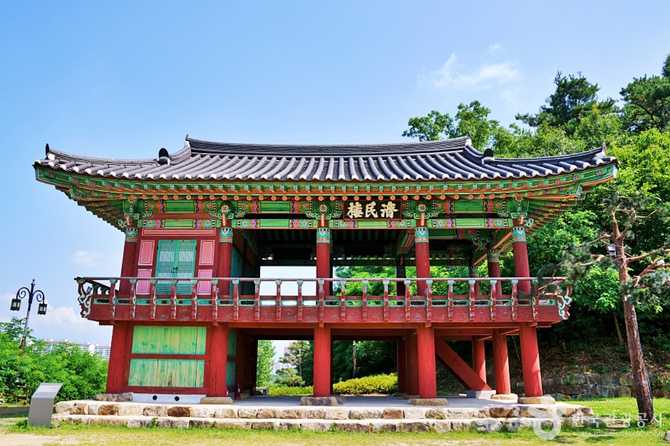
출처 : ⓒ한국관광콘텐츠랩 또는 ⓒ한국관광공사
Discover Je민루: A Historic Cultural Heritage in Yeongju, Korea
Location 경상북도 영주시 가흥동 9-2
Location 경상북도 영주시 가흥동 9-2
Are you interested in exploring Korea’s rich history and traditional architecture? Visiting Je민루 in Yeongju offers a unique glimpse into the Joseon Dynasty’s medical and scholarly spaces, making it a must-see cultural heritage site for travelers seeking authentic Korean history.
At a glance
- Who this is for
-
- Travelers interested in Korean history and culture
- History enthusiasts wanting to learn about Joseon-era medical and educational spaces
- Tourists exploring traditional Korean architecture and heritage sites
- Researchers studying historical cultural assets in Korea
- Key takeaways
-
- Je민루 was established in 1371 during the Goryeo Dynasty and rebuilt in 2007
- It served as a local medical and scholarly space in Joseon Korea
- Open year-round with free admission and parking facilities
- Located in Yeongju, near other cultural heritage sites like Sampansuh Temple and Yeongju Museum
- Part of Korea’s valuable cultural assets, showcasing traditional architecture
- Tips & cautions
-
- Some interior areas may have access restrictions; check ahead before visiting
- Restoration efforts may have altered some original features
- Combine your visit with nearby attractions for a full cultural experience
- Bottom line
- Je민루 is an essential cultural heritage site that offers a deep understanding of Korea’s traditional medical and educational history in Yeongju.
Exploring Je민루 in Yeongju allows visitors to step back into Korea’s Joseon Dynasty, where medical practices and scholarly pursuits thrived in a harmonious space. This historic building, originally founded in 1371 during the Goryeo Dynasty, has been carefully restored to reflect its original architecture and significance. As a cultural asset, Je민루 provides an immersive experience into Korea’s traditional architecture, local history, and cultural heritage.
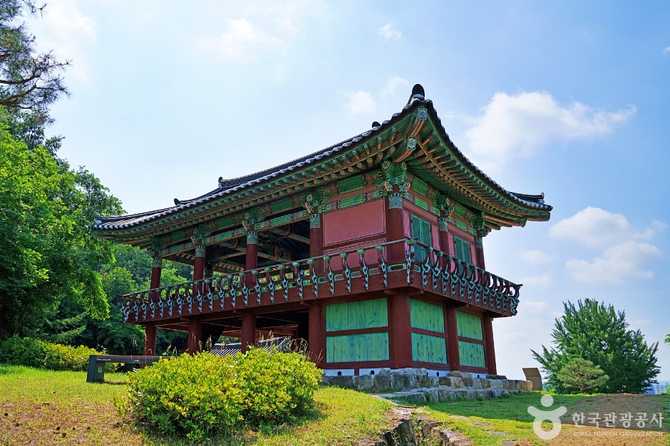
Whether you are a history enthusiast, a researcher, or a traveler interested in Korea’s ancient architecture, visiting Je민루 offers valuable insights into the region’s past. Located conveniently in Yeongju, it is accessible year-round and is free for all visitors. The site’s proximity to other cultural landmarks, such as Sampansuh Hanok Village and Yeongju Museum, makes it an ideal destination for a comprehensive cultural tour.
In this guide, you will find detailed information about Je민루’s historical background, architectural features, visitor tips, and nearby attractions. Planning your visit in advance will ensure a rewarding experience, allowing you to appreciate Korea’s rich cultural legacy fully. Discover why Je민루 is considered a vital part of Yeongju’s cultural landscape and a must-visit for anyone passionate about Korea’s history and heritage.
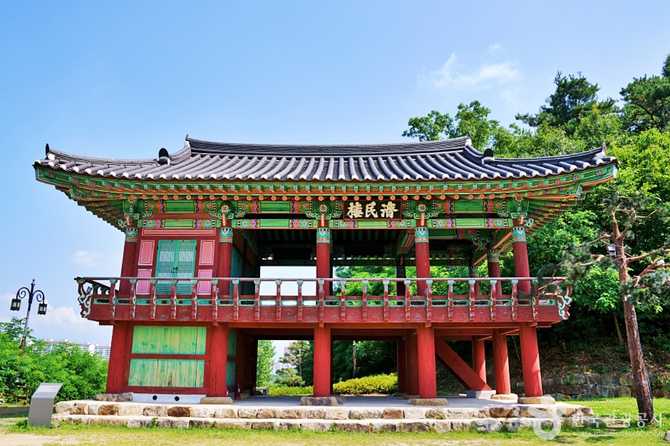
Je민루’s Historical Background and Architectural Features
Je민루 stands as a significant cultural heritage site in Yeongju, Korea, offering a rare glimpse into the architectural and historical landscape of the Joseon Dynasty. Established in 1371 during the Goryeo Dynasty, this historic building originally served as a local medical and scholarly space, reflecting Korea’s rich tradition of integrating medicine, education, and architecture. Its strategic location in Gyeongsangbuk-do, Yeongju, makes it a focal point for those interested in Korea’s traditional history and architecture.
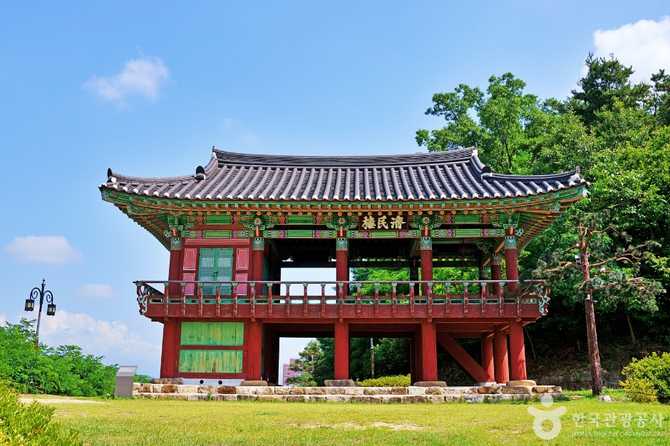
The structure was initially built by local officials and scholars, including the notable military officer and scholar Haryun, who aimed to create a space for learning and medical practice. Over the centuries, Je민루 underwent several reconstructions and restorations, most notably in 1608, when it was rebuilt to serve as both a medical facility and an educational center for local aristocrats. The building’s architecture exemplifies traditional Korean wooden construction, with elegant pavilions, tiled roofs, and intricate wooden joinery that showcase the craftsmanship of the period.
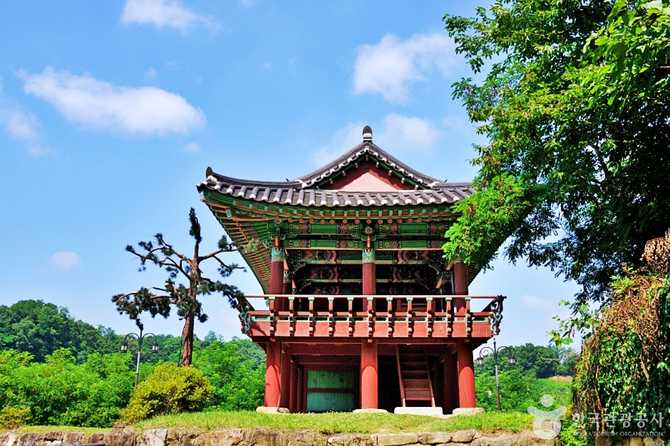
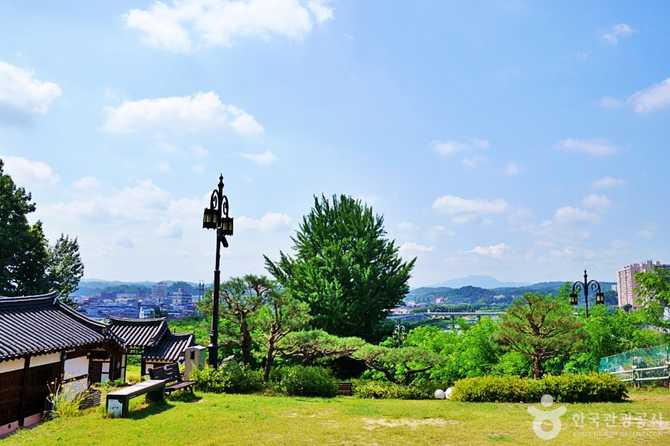
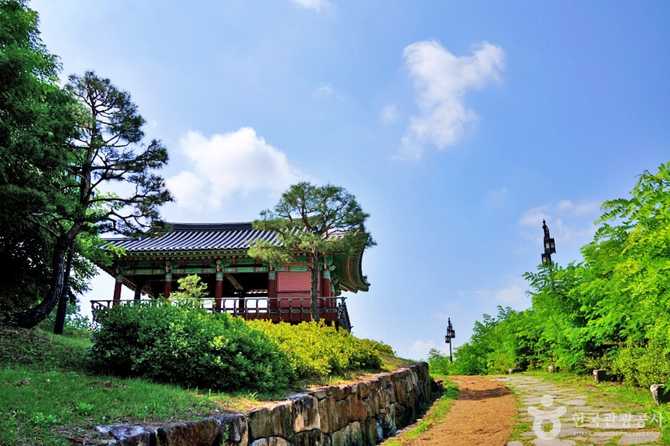
In 2007, the site was carefully restored to preserve its historical integrity, reflecting the original Joseon architectural style. The restored Je민루 features a two-story wooden structure with a distinctive curved roof, open corridors, and traditional windows that allow natural light to illuminate the interior. This restoration effort aimed to maintain the building’s original form while making it accessible for visitors. Today, Je민루 functions as a cultural heritage site, offering insights into Korea’s historical approach to medicine, education, and architecture.
Visitors can appreciate the building’s harmonious design, which emphasizes simplicity, functionality, and aesthetic elegance characteristic of Joseon architecture. The site’s historical significance is further enhanced by its proximity to other cultural assets, such as the Sampansuh Hanok Village and Yeongju Museum, making it a vital part of Korea’s cultural landscape. Whether exploring its architectural details or learning about its historical role, visitors gain a deeper understanding of Korea’s traditional scholarly and medical practices through Je민루.
Comparison of Je민루’s Role and Functional Changes Over Time
| Period | Main Role and Function | Details |
|---|---|---|
| 1371 (Goryeo Dynasty) | Establishment of Je민루 | Founded by local officials to serve as a space for medical practice and scholarly activities, emphasizing education and healthcare for local aristocrats. |
| 1608 (Joseon Dynasty) | Reconstruction and Expansion | Rebuilt by military officer and scholar Lee Dae-jin to serve as a local medical clinic and an educational center for noble youth, reflecting the dual purpose of healthcare and learning. |
| 2007 (Modern Era) | Restoration and Cultural Heritage Preservation | Restored to reflect its original Joseon architecture, now functioning as a cultural site open to the public, emphasizing historical education and tourism. |
Throughout its history, Je민루 has evolved from a functional medical and educational facility to a preserved cultural heritage site. While its core purpose of promoting learning and healthcare remains symbolic, modern restoration efforts have shifted its role towards cultural education and tourism. The site now serves as an open-air museum, allowing visitors to experience Korea’s traditional architecture and historical practices firsthand.
Visitor Tips and Checklist for Exploring Je민루
- Check opening hours: Je민루 is open year-round with no admission fee, making it accessible at any time.
- Arrive early or late: Visiting during off-peak hours can enhance your experience with fewer visitors.
- Parking: Free parking is available nearby; ensure your vehicle is parked legally.
- Visit with a guide: Consider hiring a local guide or joining a tour to gain deeper insights into the site’s history.
- Respect preservation efforts: Do not touch or climb on the structures to help preserve the site for future visitors.
- Prepare for weather: Wear comfortable clothing and bring an umbrella or sun protection depending on the season.
- Plan your visit during daylight hours for the best experience.
- Combine your trip with nearby attractions like Sampansuh Hanok Village or Yeongju Museum for a comprehensive cultural tour.
- Bring a camera to capture the beautiful architecture and scenic surroundings.
- Wear comfortable shoes suitable for walking on uneven paths.
- Respect local customs and preserve the historical integrity of the site.
Nearby Cultural Heritage Sites and Attractions in Yeongju
When visiting Je민루 in Yeongju, exploring the surrounding cultural heritage sites can enrich your understanding of Korea’s historical and architectural landscape. The area is home to several notable attractions that showcase traditional Korean culture, history, and natural beauty. Combining these sites into your itinerary allows for a comprehensive cultural experience in the region.
| Attraction Name | Type of Site | Distance from Je민루 | Highlights |
|---|---|---|---|
| 삼판서 고택 (Sampansuh Hanok Village) | Traditional Hanok Village | Approximately 250 meters | Historical Hanok houses, traditional architecture, and cultural experiences related to Joseon-era aristocracy. |
| 영주 박물관 (Yeongju Museum) | Regional History and Culture Museum | About 1.2 km | Exhibits on local history, traditional artifacts, and cultural heritage of Yeongju and surrounding areas. |
| 무섬마을 (Musum Village) | Traditional Folk Village | Approximately 3 km | Authentic folk culture, traditional houses, scenic landscapes, and hands-on cultural activities. |
Visiting these nearby sites alongside Je민루 offers a richer perspective on Yeongju’s historical significance and cultural richness. Whether exploring traditional Hanok architecture, viewing regional artifacts, or immersing yourself in folk traditions, these attractions complement your journey into Korea’s vibrant heritage.
Visitor Guidelines and Precautions for Exploring Je민루 and Surroundings
- Check opening hours: Je민루 is open year-round and free of charge, but it’s advisable to verify hours before your visit, especially during holidays or special events.
- Parking: Free parking is available nearby; ensure your vehicle is parked legally and safely.
- Respect preservation efforts: Do not touch, climb, or damage the structures to help preserve the site’s integrity for future visitors.
- Visit with appropriate attire: Wear comfortable, weather-appropriate clothing and sturdy shoes suitable for walking on uneven paths.
- Plan your visit: To avoid crowds, consider visiting early in the morning or later in the afternoon.
- Bring essentials: Carry water, sun protection, and an umbrella depending on the season, and a camera to capture scenic views.
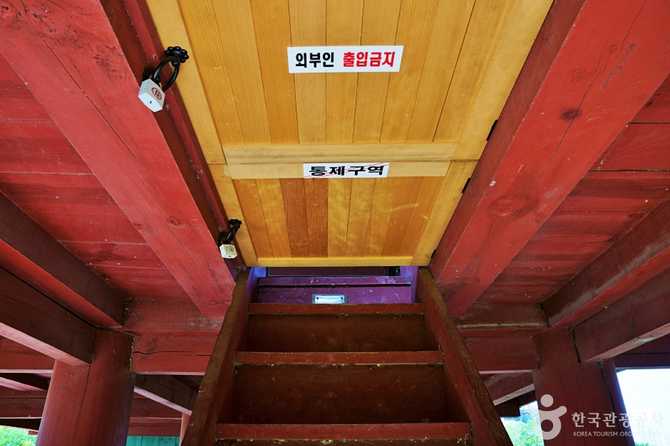
- Check interior access: Some areas inside Je민루 may have restricted access or be temporarily closed for maintenance; inquire beforehand or upon arrival.
- Combine with nearby attractions: Allocate sufficient time to explore surrounding sites like Sampansuh Hanok Village, Yeongju Museum, and Musum Village for a full cultural experience.
- Follow local guidelines: Respect local customs, signage, and instructions from staff or guides to ensure a smooth visit.
Whether you visit during the day or evening, Discover Je민루 is a meaningful stop on any Seoul itinerary for history-minded travelers.
Frequently Asked Questions (FAQ)
Je민루 is a historic site established in 1371 during the Goryeo Dynasty, serving as a local medical and scholarly space. It reflects Korea’s traditional integration of medicine, education, and architecture during the Joseon era.
Je민루 is open year-round with no admission fee, allowing visitors to explore the site at any time. It is accessible freely to the public without restrictions on visiting hours.
Yes, there is free parking available nearby Je민루 for visitors arriving by car. The parking area is conveniently located within walking distance of the site.
Inside Je민루, visitors can view traditional Korean wooden architecture, including pavilions, tiled roofs, and open corridors. Some interior areas may have access restrictions or be temporarily closed for maintenance.
Nearby attractions include Sampansuh Hanok Village, Yeongju Museum, and Munsom Village. These sites offer additional insights into Korea’s cultural history and natural scenery, making for a comprehensive cultural experience.
Yes, Je민루 was restored in 2007 to preserve its original Joseon architectural style. The restoration aimed to maintain its historical integrity, although some features may have been modified during the process.
Final Thoughts on Visiting Je민루 in Yeongju
A visit to Je민루 in Yeongju offers a unique opportunity to immerse yourself in Korea’s rich historical and cultural heritage. This historic site, originally established in 1371 and meticulously restored in 2007, stands as a testament to Korea’s traditional architecture and the long-standing importance of medical and scholarly pursuits during the Joseon Dynasty. Whether you are a history enthusiast, a lover of traditional Korean architecture, or a curious traveler eager to learn about Korea’s past, Je민루 provides a meaningful experience that connects you with Korea’s cultural legacy.
The site’s accessibility—free admission, year-round open hours, and nearby parking—makes it an ideal destination for visitors of all ages. Combining your visit with nearby cultural sites such as Sampansuh Hanok Village or Yeongju Museum can deepen your understanding of the region’s history and traditions. Remember to check the site’s opening conditions and restrictions before your trip to ensure a smooth experience. Respect the preservation efforts by following guidelines, and take your time to appreciate the beautiful architecture and historical significance of Je민루. This cultural treasure not only enriches your knowledge but also leaves a lasting impression of Korea’s vibrant history and enduring cultural identity.
In summary, Je민루 in Yeongju is a must-visit destination for anyone interested in Korea’s historical architecture, medical history, and traditional culture. It stands as a proud symbol of Korea’s rich heritage, inviting visitors to explore and appreciate the depth of Korea’s past. Planning your trip with some prior research and a respectful attitude will ensure a rewarding and memorable experience at this remarkable cultural site. Don’t miss the chance to step back in time and discover the fascinating stories woven into the fabric of Je민루, a true gem in Korea’s cultural landscape.