

출처 : ⓒ한국관광콘텐츠랩 또는 ⓒ한국관광공사
Discover the Historic Jujeon Bongsoodae in Ulsan: A Glimpse into Joseon Dynasty Military Communication
Location 울산광역시 동구 동해안로 230
Location 울산광역시 동구 동해안로 230
Are you interested in exploring Korea’s rich military history and ancient communication systems? Visiting the Jujeon Bongsoodae in Ulsan offers a unique opportunity to step back into the Joseon Dynasty and witness a vital part of Korea’s cultural heritage. This historic site, nestled atop Bongdaesan Mountain in Ulsan’s Dong-gu district, served as a key relay point in the ancient military signaling network, known as Bongsoo, during the Joseon era. Today, it stands as a preserved cultural asset, open to the public free of charge, providing visitors with an immersive experience into Korea’s military past.
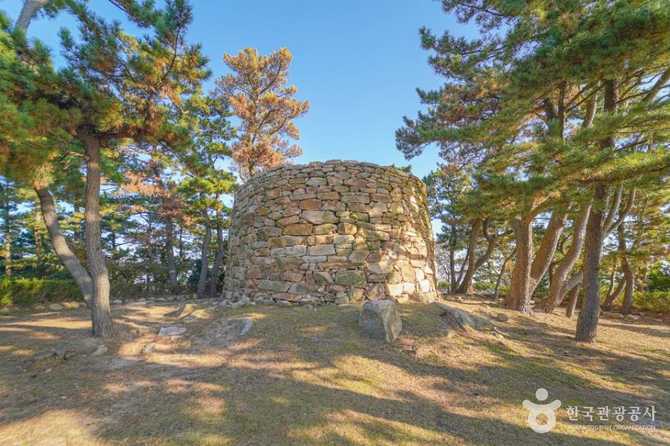
Whether you are a history enthusiast, a cultural traveler, or someone seeking to understand Korea’s strategic military innovations, the Jujeon Bongsoodae is a must-visit destination. Its strategic location connected various signaling stations, including Cheonnai Bongsoo, Yupo Bongsoo, and Haseoji Bongsoo, forming a crucial communication chain that enhanced military coordination across the region. Restored in 1981, the site’s structures offer insight into the advanced signaling techniques used during the Joseon period, including fire beacons and smoke signals.

In addition to its historical significance, the Jujeon Bongsoodae is an accessible and educational site, welcoming visitors year-round without any admission fee. Its scenic mountain setting also provides a beautiful backdrop for sightseeing, making it an ideal stop for travelers exploring Ulsan’s cultural and natural attractions. Before your visit, it’s helpful to review the site’s opening hours, location details, and tips for a respectful and enriching experience. This guide will provide all the essential information to help you plan your journey to this fascinating piece of Korea’s military history.
At a glance
- Who is this for?
-
- Travelers interested in Korea’s historical military sites
- History enthusiasts exploring Joseon Dynasty communication systems
- Cultural tourists visiting Ulsan’s heritage landmarks
- Students and researchers studying Korean military history
- Anyone seeking free, accessible cultural experiences in Korea
- Key takeaways
-
- The Jujeon Bongsoodae is a restored Joseon-era military signaling station located on Bongdaesan Mountain in Ulsan.
- It played a critical role in the ancient Bongsoo signaling network, connecting with nearby stations like Cheonnai, Yupo, and Haseoji Bongsoo.
- Restored in 1981, the site is open year-round and free to the public, offering insights into Korea’s military communication history.
- The site’s strategic location enhanced military coordination across the eastern region of Korea.
- Visiting the site provides both educational value and scenic views of Ulsan’s natural landscape.
- Tips & cautions
-
- Visit during clear weather for the best experience and views.
- Respect the site and follow visitor guidelines to preserve its condition.
- Check the official website for any updates or special events before visiting.
- No entrance fee; donations or souvenirs are optional.
- Be mindful of weather conditions which may temporarily restrict access to some areas.
- Bottom line
- Ulsan’s Jujeon Bongsoodae offers a unique glimpse into Korea’s military history and ancient communication methods, making it an essential cultural site for history lovers and travelers alike.
Jujeon Bongsoodae Overview & Historical Background
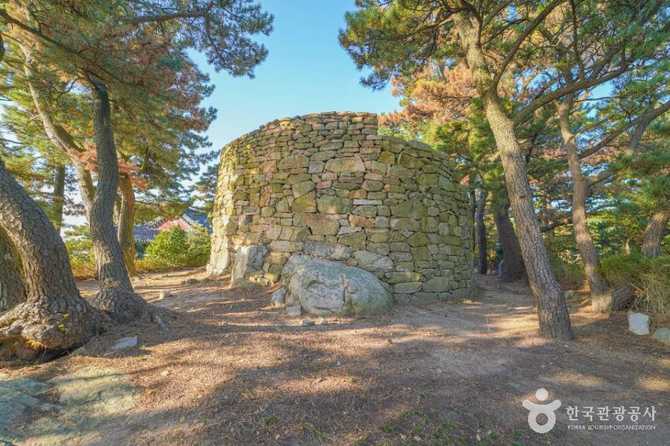
The Jujeon Bongsoodae is a significant historical site that offers a fascinating glimpse into Korea’s military communication system during the Joseon Dynasty. Located atop Bongdaesan Mountain in Ulsan’s Dong-gu district, this ancient beacon station was a vital part of Korea’s strategic defense network. As a key relay point, it connected with other signaling stations, including Cheonnai Bongsoo, Yupo Bongsoo, and Haseoji Bongsoo, forming an extensive chain that enabled rapid military communication across the region. The site’s strategic position allowed for quick transmission of signals through fire beacons and smoke signals, which were crucial for alerting military forces about impending threats or enemy movements during times of war.
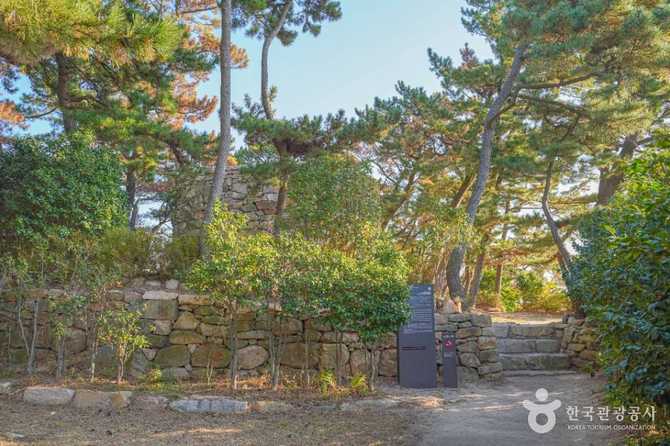
Originally constructed during the Joseon Dynasty, the Jujeon Bongsoodae played a pivotal role in maintaining national security and coordinating military actions. Its importance increased over the 18th century when it established communication links with nearby stations, ensuring swift relay of messages over long distances. The station’s location was carefully chosen for its visibility and accessibility, facilitating rapid signal transmission and reception. After centuries of use, the site fell into disrepair but was restored in 1981 to preserve its historical significance. Today, the restored Jujeon Bongsoodae stands as a cultural heritage site, open to visitors free of charge, offering an immersive experience into Korea’s ancient military communication methods. It embodies Korea’s rich history of strategic defense and technological ingenuity, making it an essential destination for history enthusiasts and cultural travelers alike.

Visiting the Jujeon Bongsoodae provides an opportunity to understand how Korea’s ancestors managed to coordinate large-scale military operations with limited technology, relying on visual signals and careful planning. The site’s preservation allows visitors to appreciate the ingenuity and strategic importance of the Joseon military communication network. Whether you are a history scholar, a tourist exploring Ulsan’s cultural landscape, or someone interested in Korea’s military heritage, the Jujeon Bongsoodae offers a meaningful connection to Korea’s past. Its location on Bongdaesan Mountain not only highlights its historical role but also provides scenic views of the surrounding natural environment, enriching your visit with both educational and aesthetic experiences.
Comparison of Key Features of Joseon Dynasty Signaling Stations
| Feature | Jujeon Bongsoodae | Cheonnai Bongsoo | Yupo Bongsoo | Haseoji Bongsoo |
|---|---|---|---|---|
| Location | Bongdaesan Mountain, Ulsan | Cheonnai Mountain, Ulsan | Yupo Mountain, Ulsan | Haseoji Mountain, Ulsan |
| Distance to Jujeon Bongsoodae | Approx. 6 km | Approx. 5.75 km | Approx. 16 km | Approx. 16 km |
| Historical Role | Main relay station in the network | Secondary relay point | Connecting station for rapid signals | Connecting station for rapid signals |
| Restoration Year | 1981 | Various, historically | Historical, not restored | Historical, not restored |
| Current Status | Restored, open to public | Partially preserved | Historical site, no restoration | Historical site, no restoration |
Visitor Checklist & Tips for Visiting Jujeon Bongsoodae
- Plan your visit: The site is open year-round, free of charge, and accessible at any time. Check weather conditions before heading out to ensure a pleasant experience.
- Location: The site is located at 230 Donghaean-ro, Dong-gu, Ulsan. Use Naver Maps or GPS to find the exact location easily.
- What to bring: Comfortable walking shoes, water, sun protection, and a camera for photos.
- Respect the site: Follow visitor guidelines, avoid damaging structures, and keep noise levels respectful to preserve the historical site.
- Learn beforehand: Visit the official website (https://www.donggu.ulsan.kr/tour/) for the latest updates, special events, or temporary restrictions.
- Safety tips: Be cautious during adverse weather conditions, as some parts of the site may be temporarily restricted for safety reasons.
Visiting Details & Practical Tips for Jujeon Bongsoodae
| Aspect | Details |
|---|---|
| Location | 230 Donghaean-ro, Dong-gu, Ulsan |
| Opening Hours | Open year-round, 24 hours; no restrictions |
| Admission Fee | Free of charge |
| Contact | 052-209-3322 |
| Best Visiting Time | Any time, preferably clear weather for optimal views |
| Accessibility | Accessible via Naver Maps or GPS; suitable for all visitors |
Visitor Checklist & Tips for Visiting Jujeon Bongsoodae
- Plan your visit: The site is open year-round, free of charge, and accessible at any time. Check the weather forecast before your trip to ensure a pleasant experience.
- Location: The exact address is 230 Donghaean-ro, Dong-gu, Ulsan. Use Naver Maps or GPS navigation to find the site easily.
- What to bring: Wear comfortable walking shoes, bring water, sun protection (hat, sunscreen), and a camera to capture the scenic views and historical structures.
- Respect the site: Follow all visitor guidelines, avoid damaging any structures, and keep noise levels respectful to help preserve the site’s integrity.
- Learn beforehand: Visit the official website for the latest updates, special events, or temporary restrictions that may affect your visit.
- Safety tips: Be cautious during adverse weather conditions, as some areas may be temporarily restricted for safety reasons. Avoid climbing or touching structures that are not designated for visitors.
Whether you visit during the day or evening, Discover the Historic Jujeon Bongsoodae is a meaningful stop on any Seoul itinerary for history-minded travelers.
Frequently Asked Questions (FAQ)
Q1: What is the historical significance of Jujeon Bongsoodae in Korea?
Jujeon Bongsoodae is a restored military signaling station from the Joseon Dynasty, playing a vital role in Korea’s ancient communication network. It was part of a strategic relay system used for rapid military signals across the region.
Q2: How did the Joseon Dynasty use Bongsoo stations like Jujeon Bongsoodae?
These stations used visual signals such as fire beacons and smoke to quickly transmit military messages between different locations. Jujeon Bongsoodae connected with nearby stations to coordinate defense strategies efficiently.
Q3: What are the distances between Jujeon Bongsoodae and other signaling stations?
The station is approximately 5.75 km from Yupo Bongsoo, about 6 km from Cheonnai Bongsoo, and roughly 16 km from Haseoji Bongsoo. These distances were optimized for effective visual signaling during the Joseon era.
Q4: Is Jujeon Bongsoodae open to the public, and what are its visiting hours?
Yes, it is open year-round and free of charge. Visitors can access the site at any time, making it a convenient and accessible cultural heritage destination in Ulsan.
Q5: Are there any restrictions or guidelines visitors should follow when visiting Jujeon Bongsoodae?
Visitors are asked to respect the site and follow guidelines to preserve its condition. No specific restrictions are in place, but weather conditions may temporarily limit access to certain areas.
Q6: How was Jujeon Bongsoodae restored, and what is its current condition?
The site was restored in 1981 based on historical records, recreating its original structures. Today, it is a preserved cultural heritage site, open to the public for educational and sightseeing purposes.
Final Thoughts on Visiting Jujeon Bongsoodae in Ulsan
Exploring Jujeon Bongsoodae in Ulsan offers a rare opportunity to connect with Korea’s rich military history and learn about the innovative communication systems of the Joseon Dynasty. As a well-preserved cultural heritage site, it provides visitors with a tangible link to Korea’s strategic past, showcasing how ancient signaling methods helped safeguard the nation. Whether you are a history enthusiast, a cultural traveler, or simply curious about Korea’s historical defense strategies, this site delivers a meaningful experience. Its scenic mountain location not only enhances the educational value but also offers beautiful views of Ulsan’s natural environment, making your visit both informative and relaxing.
Since the site is open year-round and free of charge, it is accessible to everyone interested in Korea’s history and cultural heritage. Remember to check the weather before your visit and follow visitor guidelines to help preserve this important site for future generations. Walking through the restored structures, you can imagine how ancient signals traveled across the landscape, connecting distant stations in a vital communication network. Visiting Jujeon Bongsoodae in Ulsan is a rewarding experience that deepens your understanding of Korea’s military ingenuity and historical landscape. It’s a must-see destination for travelers seeking to uncover Korea’s fascinating past and appreciate its cultural treasures firsthand.