
출처 : ⓒ한국관광콘텐츠랩 또는 ⓒ한국관광공사
Discover the UNESCO World Heritage Sites of Seoul’s Taereung and Gyeongneung Royal Tombs
Location 서울특별시 노원구 화랑로 681
Location 서울특별시 노원구 화랑로 681
Are you interested in exploring Korea’s rich royal history and cultural heritage? Visiting the UNESCO World Heritage-listed Taereung and Gyeongneung royal tombs offers a unique glimpse into the Joseon Dynasty’s royal burial customs, architecture, and historical significance. These sites provide an immersive experience into Korea’s royal past, showcasing exquisite stone carvings, traditional construction techniques, and the historical stories of Korea’s kings and queens.
In this guide, you will find detailed information about the history, architectural features, and cultural importance of the Taereung and Gyeongneung royal tombs. Whether you are a history enthusiast, a cultural traveler, or a researcher, understanding these UNESCO sites will deepen your appreciation of Korea’s royal heritage. We will also cover practical tips for visiting, including opening hours, etiquette, and access details, ensuring your visit is smooth and meaningful.
At a glance
- Who this is for
-
- Travelers interested in Korean history and culture
- Researchers studying Joseon Dynasty architecture
- History enthusiasts and UNESCO heritage visitors
- Students and educators exploring Korean royal traditions
- Anyone planning a cultural trip to Seoul and Gangneung
- Key takeaways
-
- Taereung is the tomb of Queen Munjeong, relocated in 1565.
- Gyeongneung is the royal tomb of King Myeongjong and Queen Insun, built in 1567 and 1575.
- Both sites reflect Joseon-era stone architecture, including stone screens and sculptures.
- UNESCO designated these tombs as World Heritage Sites in 2009.
- Visitors should observe proper etiquette and check opening hours before visiting.
- Tips & cautions
-
- Closed on Mondays; open on public holidays with restrictions.
- Follow guidelines for respectful behavior inside the tombs.
- Wear comfortable clothing and shoes suitable for walking.
- Pre-book tickets or check schedules online to avoid inconvenience.
- Use public transportation, as parking may be limited during peak seasons.
- Bottom line
- Taereung and Gyeongneung are essential cultural heritage sites that showcase Korea’s royal history and architectural mastery, offering a meaningful experience for visitors interested in Korea’s past.
Are you eager to explore Korea’s royal tombs? The UNESCO-listed Taereung and Gyeongneung sites in Seoul and Gangneung provide a fascinating window into the Joseon Dynasty’s burial customs, architecture, and cultural values. These historic sites are not only important for their artistic and architectural features but also for their role in Korea’s national history. Visiting these tombs allows travelers to understand the royal lineage, traditional landscape design, and the spiritual beliefs of the Joseon era.
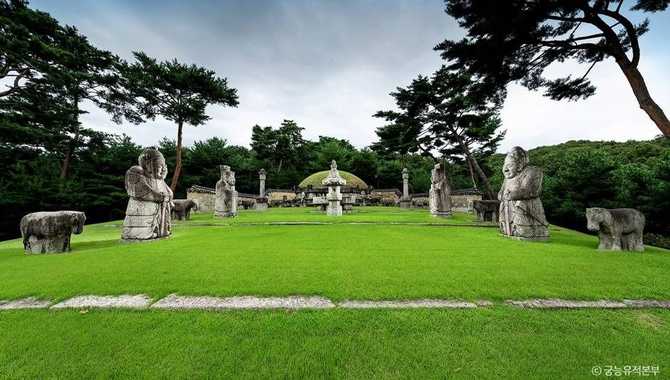
This guide will help you navigate the historical background, architectural details, and practical aspects of visiting Taereung and Gyeongneung. Whether you are planning an educational trip or a cultural exploration, knowing the key facts and etiquette will enhance your experience. Discover how these UNESCO World Heritage Sites preserve Korea’s royal heritage and why they are considered national treasures.
Overview of the UNESCO World Heritage Sites: Taereung and Gyeongneung
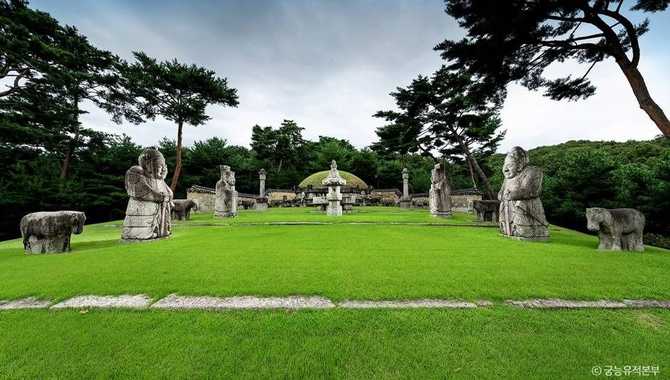
The UNESCO World Heritage Sites of Taereung and Gyeongneung are among the most significant cultural landmarks in Korea, representing the rich history and architectural excellence of the Joseon Dynasty. Located in Seoul and Gangneung respectively, these royal tombs showcase the traditional burial customs, landscape planning, and stone craftsmanship that were prevalent during the height of the Joseon era. As designated UNESCO World Heritage Sites, they symbolize Korea’s dedication to preserving its royal heritage and cultural identity.
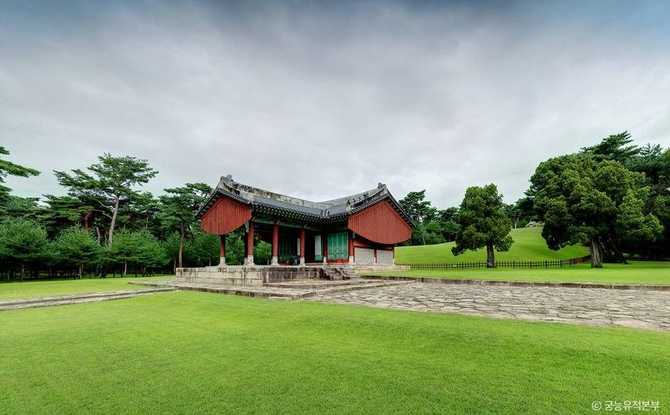
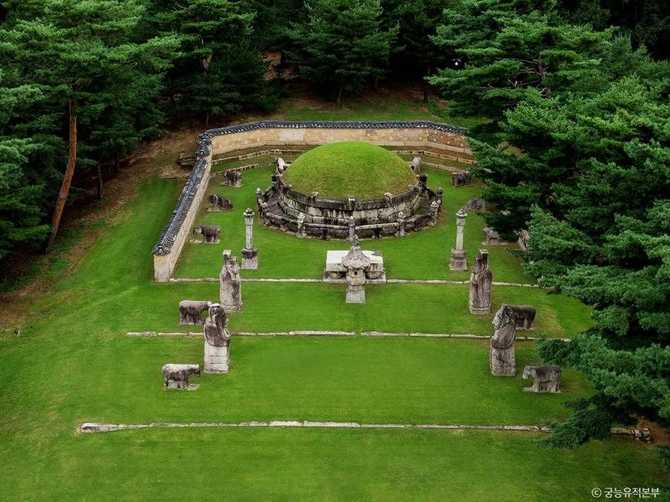
Taereung, the tomb of Queen Munjeong, was relocated to its current site in 1565, reflecting the importance of careful planning and feng shui principles in royal burial practices. Gyeongneung, the tomb of King Myeongjong and Queen Insun, was constructed in two phases, in 1567 and 1575, embodying the grandeur and solemnity characteristic of royal tomb architecture. Both sites are exemplary of the stone architecture style that was prominent during the mid-Joseon period, featuring elaborate stone screens, sculptures, and symbolic elements that reflect Korea’s spiritual and cultural values.
These royal tombs are not only burial sites but also serve as cultural symbols that connect Korea’s past to its present. Their designation as UNESCO World Heritage Sites in 2009 underscores their global significance, emphasizing their outstanding universal value and the need for ongoing preservation efforts. Visitors to these sites gain insight into Korea’s royal history, traditional landscape design, and the meticulous craftsmanship involved in their construction. Exploring Taereung and Gyeongneung offers a meaningful experience for history enthusiasts, cultural travelers, and scholars interested in Korea’s dynastic legacy.
Comparison of Architectural Features: Taereung and Gyeongneung
| Feature | Taereung | Gyeongneung |
|---|---|---|
| Construction Period | Relocated in 1565 | Built in 1567 and 1575 |
| Type of Tomb | Single Queen’s Tomb | Royal Couple (King and Queen) Tombs (Pair) |
| Architectural Style | Mid-Joseon stone architecture with elaborate stone screens and sculptures | Similar style with emphasis on symmetry and stone craftsmanship |
| Layout | Relatively simple, with a focus on the tomb mound and surrounding stone structures | More complex, with paired tombs, stone screens, and additional ceremonial structures |
| Significant Features | Stone screens, sculptures, and traditional Korean feng shui elements | Dual tombs with detailed stone carvings, ceremonial gates, and landscape design |
Both Taereung and Gyeongneung exemplify the sophisticated stone craftsmanship and landscape architecture of the Joseon Dynasty. While Taereung is notable for its single Queen’s tomb with refined stone carvings, Gyeongneung features a pair of tombs that reflect the royal hierarchy and ritual significance. The architectural similarities highlight the continuity of traditional Joseon burial customs, yet each site possesses unique features that reflect their specific historical and cultural contexts.
UNESCO World Heritage Designation and Its Significance
- Historical and Cultural Recognition: The inclusion of Taereung and Gyeongneung as UNESCO World Heritage Sites in 2009 affirms their outstanding universal value as exemplary representations of Joseon Dynasty royal burial practices and architecture.
- Preservation and Conservation: UNESCO designation encourages international cooperation for the preservation, protection, and proper management of these historic sites, ensuring their longevity for future generations.
- Global Cultural Significance: These tombs are recognized not only for their architectural beauty but also for their role in Korea’s spiritual and cultural history, reflecting Confucian ideals and traditional landscape planning.
- Educational and Tourism Impact: The UNESCO status enhances the sites’ visibility worldwide, attracting scholars, history lovers, and tourists, thereby promoting cultural exchange and understanding.
The UNESCO designation underscores the importance of these royal tombs as cultural treasures that embody Korea’s history, artistry, and spiritual beliefs. It also emphasizes the collective responsibility to maintain their integrity and educate the public about their significance.
Visiting Taereung and Gyeongneung: Hours, Etiquette, and Tips
| Aspect | Details |
|---|---|
| Opening Hours | Typically from 9:00 AM to 6:00 PM, but hours may vary seasonally. It is recommended to check the official website or contact prior to your visit. |
| Closed Days | Closed every Monday and on public holidays. On holidays, the sites are open, but may close on the following weekday. |
| Etiquette and Behavior |
|
| What to Wear | Wear comfortable clothing and sturdy walking shoes, as the sites involve walking on uneven terrain and through outdoor areas. |
| Visitor Tips |
|
Visitor Checklist for Taereung and Gyeongneung
- Check the official opening hours and holiday schedule before your visit.
- Confirm if reservations or tickets need to be purchased online in advance.
- Dress appropriately with comfortable clothing and sturdy shoes.
- Bring water, sun protection, and weather-appropriate gear.
- Follow all site rules and etiquette to respect the cultural significance.
- Use public transportation to reduce parking concerns and enjoy easier access.
- Arrive early to experience the site with fewer visitors.
- Carry a camera (without flash) if you wish to photograph the site.
- Be mindful of restricted areas and do not touch or climb on structures.
- Respect the natural and cultural environment during your visit.
Frequently Asked Questions (FAQ)
Q1: When were Taereung and Gyeongneung royal tombs constructed?
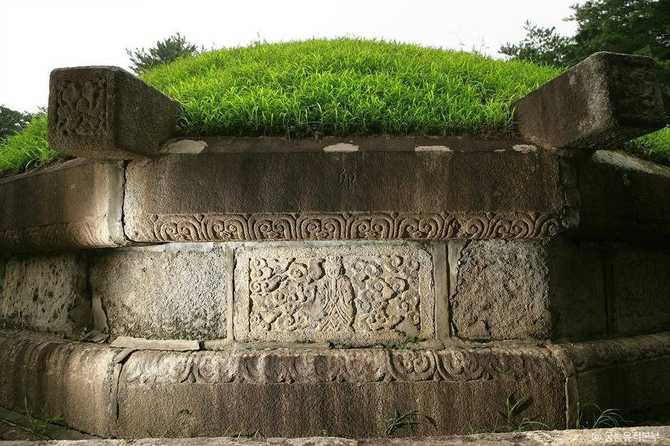
Taereung was relocated and established as a royal tomb in 1565, while Gyeongneung was built in two phases in 1567 and 1575. These tombs reflect the mid-Joseon Dynasty architectural style and burial customs.
Q2: What are the main features of Taereung and Gyeongneung?
Both sites feature stone screens, sculptures, and traditional Korean feng shui elements. Taereung is a single Queen’s tomb with elaborate stone carvings, whereas Gyeongneung consists of paired tombs of a king and queen with detailed stone craftsmanship.
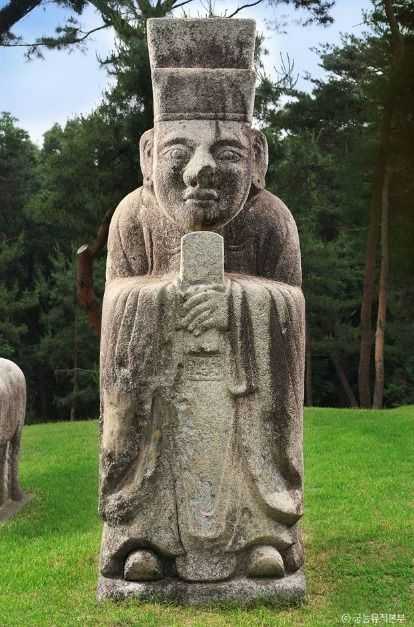
Q3: What architectural style do Taereung and Gyeongneung follow?
They follow the Joseon Dynasty’s mid-period stone architecture, characterized by intricate stone screens, sculptures, and landscape elements that reflect traditional burial customs and Confucian ideals.
Q4: Why are Taereung and Gyeongneung designated as UNESCO World Heritage Sites?
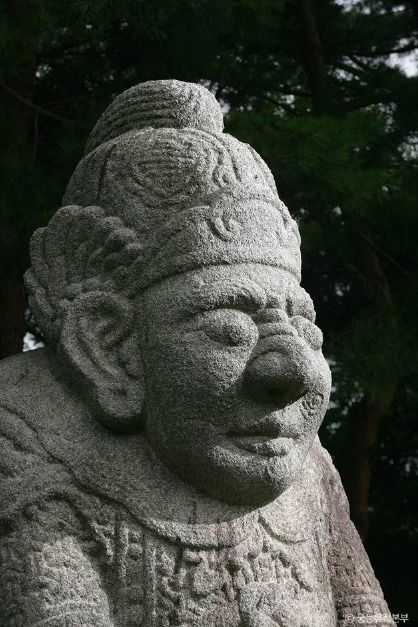
These tombs were designated in 2009 due to their outstanding universal value as exemplary representations of Joseon royal burial architecture and cultural history, reflecting Korea’s spiritual and artistic traditions.
Q5: What should visitors keep in mind when visiting Taereung and Gyeongneung?
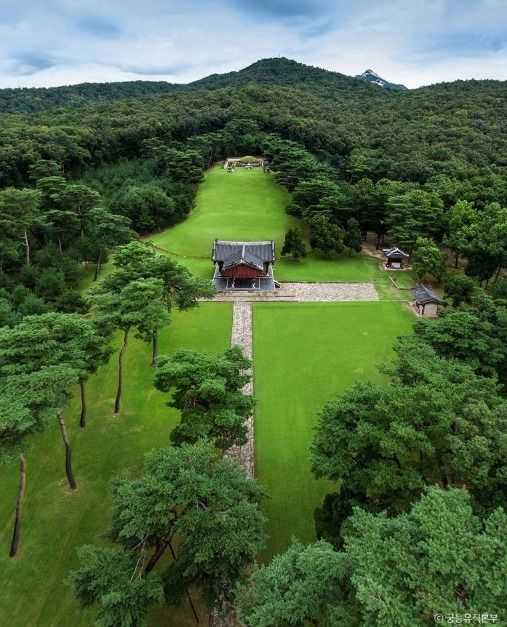
Visitors should observe proper etiquette, especially inside the tombs, and check opening hours beforehand. The sites are closed on Mondays and may have restrictions on photography and access to preserve their integrity.
Q6: How can I plan my visit to Taereung and Gyeongneung?
It is recommended to check the official website or contact the visitor center for opening hours and availability. Pre-booking tickets and using public transportation are advised, as parking may be limited during peak times.
Discover the UNESCO World Heritage Sites of Seoul’s Taereung and Gyeongneung Royal Tombs
Visiting the Seoul UNESCO World Heritage Sites of Taereung and Gyeongneung offers a profound opportunity to connect with Korea’s royal history and cultural legacy. These historic tombs are not only remarkable examples of traditional Joseon Dynasty architecture but also serve as enduring symbols of Korea’s spiritual and artistic achievements. When planning your visit, remember that these sites are protected by strict preservation guidelines to ensure their longevity for future generations. Be sure to check the official opening hours before your trip, as they may vary seasonally or due to special circumstances. Respectful behavior inside the tombs, such as maintaining silence and following designated pathways, is essential to preserve their sanctity and integrity. Wearing comfortable clothing and appropriate footwear will make your exploration more enjoyable, especially since walking around the expansive grounds is part of the experience. To enhance your visit, consider arriving early or during less crowded times, and utilize public transportation for convenience. By understanding the significance of the Seoul UNESCO World Heritage Sites of Taereung and Gyeongneung, you can fully appreciate their cultural importance and help contribute to their ongoing preservation. These sites stand as a testament to Korea’s rich history and are a must-see for anyone eager to deepen their understanding of Korea’s royal past and architectural excellence.