
출처 : ⓒ한국관광콘텐츠랩 또는 ⓒ한국관광공사
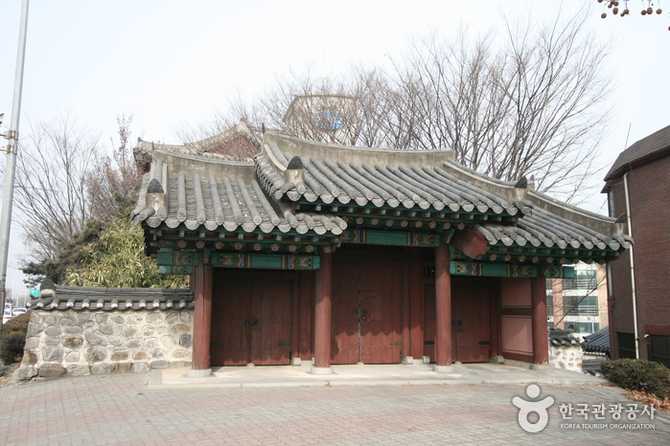
Discover Mangwonjeong Site: Seoul’s Historic Pavilion and Restoration
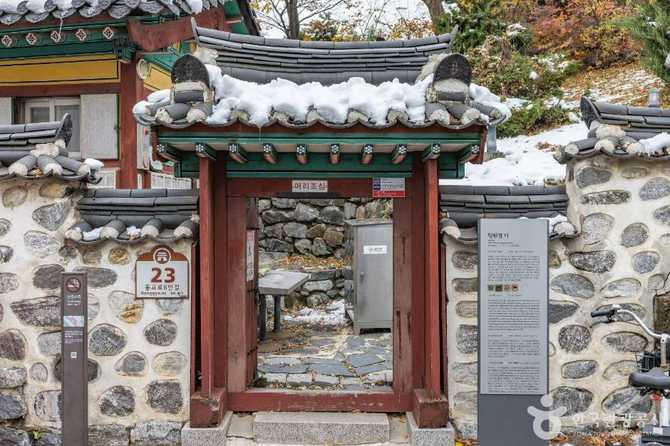
Location 서울특별시 마포구 동교로8안길 23 (합정동)
Location 서울특별시 마포구 동교로8안길 23 (합정동)
Are you interested in exploring Korea’s rich cultural heritage? Visiting the Mangwonjeong site in Seoul offers a unique glimpse into the Joseon Dynasty’s elegant pavilion architecture and the fascinating restoration process that preserves this historic site for modern visitors. Whether you’re a history enthusiast, a cultural traveler, or a local resident, understanding the significance of Mangwonjeong enhances your appreciation of Seoul’s traditional heritage.
At a glance
- Who this is for
-
- Travelers interested in Seoul’s historical sites
- History and cultural heritage enthusiasts
- Professionals involved in cultural preservation
- Local residents seeking cultural experiences
- Key takeaways
-
- Designated as Seoul City Monument, with a rich history dating back to 1424
- Restored in 1989, showcasing traditional Joseon-era architecture
- Located in Mapo-gu, easily accessible with free admission
- Open year-round, with parking available and no entrance fee
- Important cultural site reflecting Korea’s architectural and historical heritage
- Tips & cautions
-
- Check traffic and parking options before visiting
- Respect the site’s restored nature; it may differ from original structures
- Visit during off-peak hours to enjoy a quiet experience
- Wear comfortable shoes suitable for walking
- Review latest opening hours and visitor guidelines in advance
- Bottom line
- Visiting the Mangwonjeong site offers a meaningful opportunity to experience Seoul’s historical architecture and cultural legacy firsthand.
Are you planning a trip to Seoul and want to explore its historical sites? The Mangwonjeong site in Mapo-gu is a must-visit destination that captures the essence of Korea’s royal and scholarly traditions. This historic pavilion, dating back to the early 15th century, has been carefully restored to reflect its original beauty, providing visitors with a tangible connection to Korea’s past. Whether you’re interested in traditional Korean architecture, Joseon Dynasty history, or cultural preservation efforts, Mangwonjeong offers a compelling experience.
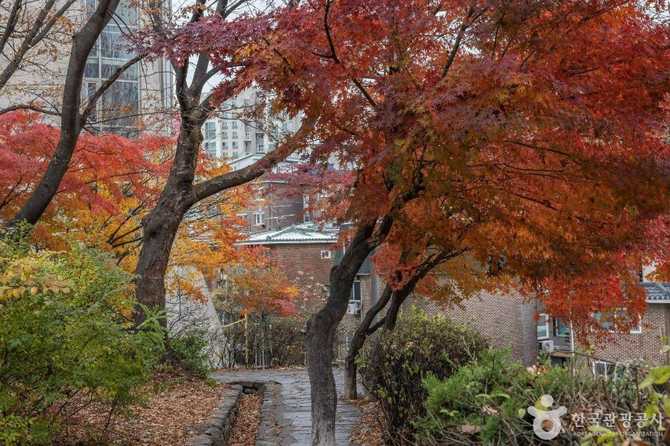
The site is not only a window into Korea’s architectural elegance but also a symbol of ongoing efforts to preserve and restore cultural assets. As a designated Seoul City Monument, Mangwonjeong continues to attract locals and tourists alike, offering free access all year round. Its proximity to the vibrant neighborhood of Mangwon-dong makes it an ideal stop during your Seoul exploration. With convenient parking and public transportation options, a visit to Mangwonjeong is both accessible and enriching. In this guide, you’ll find detailed information about the site’s history, restoration process, location, and visiting tips, ensuring you make the most of your cultural journey in Seoul.
Historical Background and Origin of Mangwonjeong
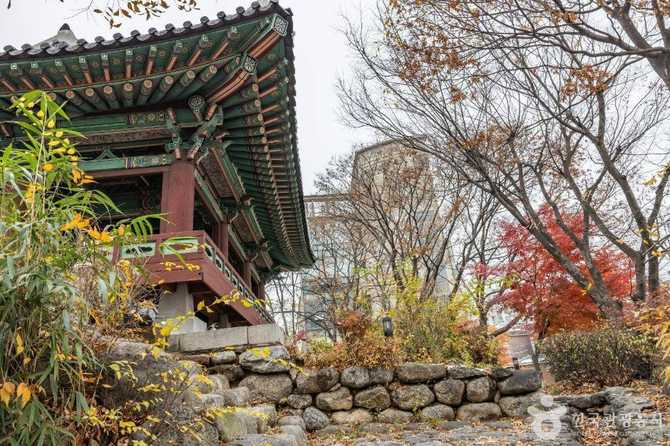
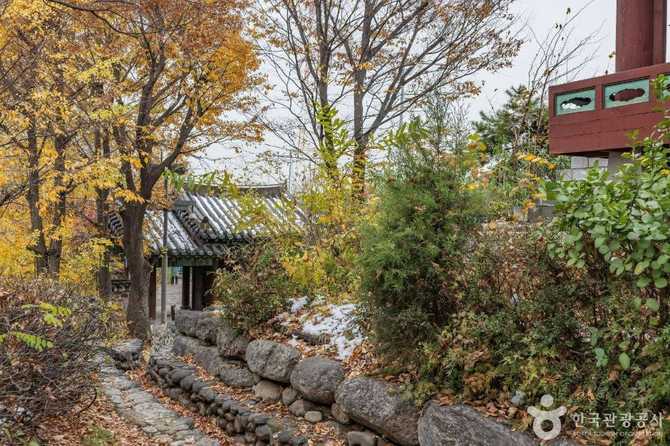
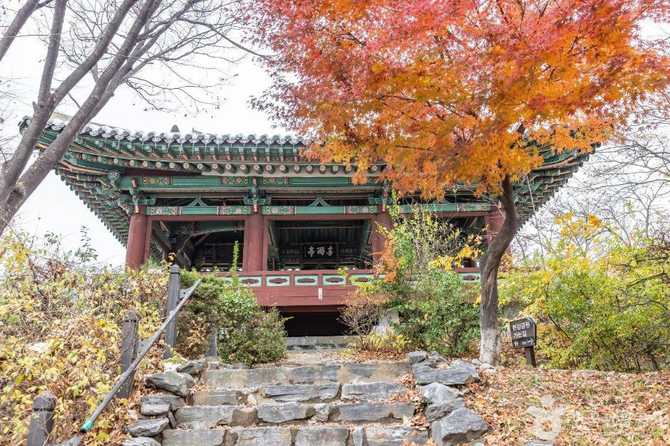
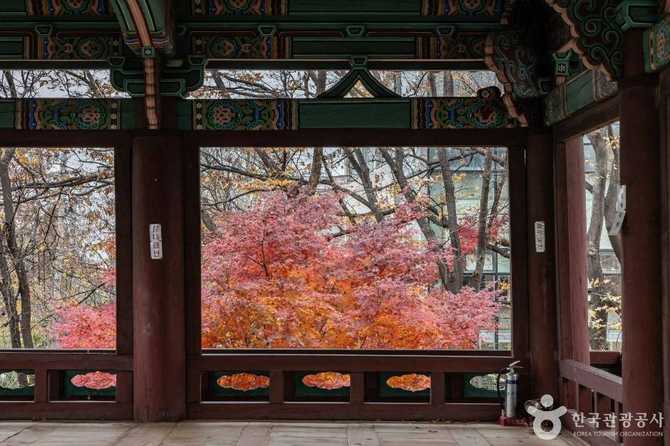
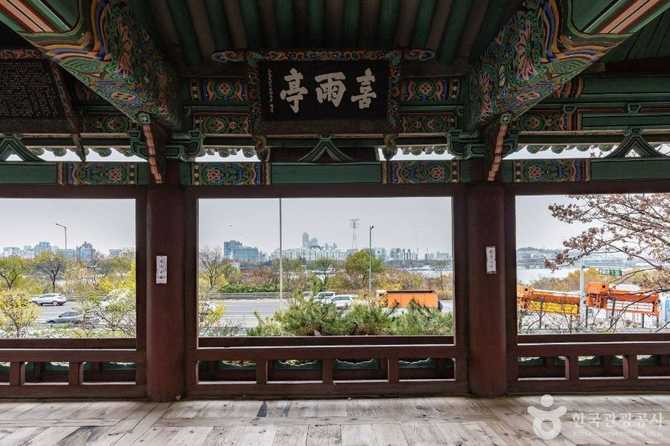
Discover the fascinating history of Mangwonjeong, a historic pavilion located in Seoul’s Mapo-gu. As a significant cultural heritage site, the Mangwonjeong site embodies Korea’s traditional architecture and royal leisure culture from the Joseon Dynasty. The name “Mangwonjeong” traces back to its origins in the early 15th century, serving as a royal or scholarly retreat during the reign of King Sejong and his successors. The pavilion was originally built in 1424 by Prince Hyoryeong, the son of King Sejong, as a private leisure space, reflecting the aesthetic ideals and architectural style of the Joseon period.
Throughout its long history, Mangwonjeong has undergone numerous changes, including expansions, repairs, and reconstructions. It was initially called “Seokjeong” but later renamed “Mangwonjeong,” which translates to “Mangwon Pavilion,” symbolizing the area’s lush surroundings and tranquil atmosphere. During the 15th and 16th centuries, it was a favored spot for scholars and officials to gather, discuss politics, and enjoy nature. The pavilion’s historical significance lies in its association with Korea’s scholarly and royal culture, representing the harmony between architecture and nature.
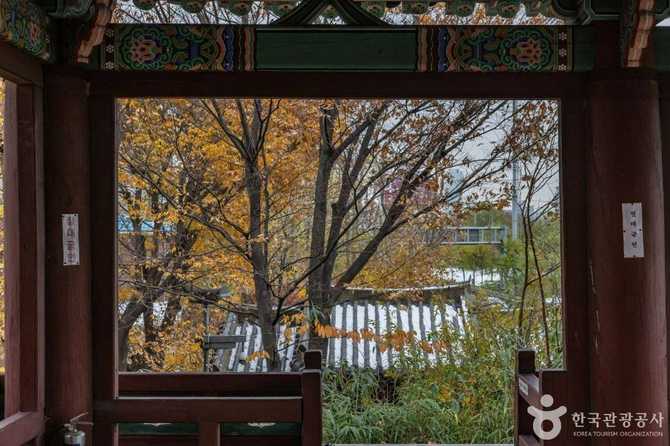
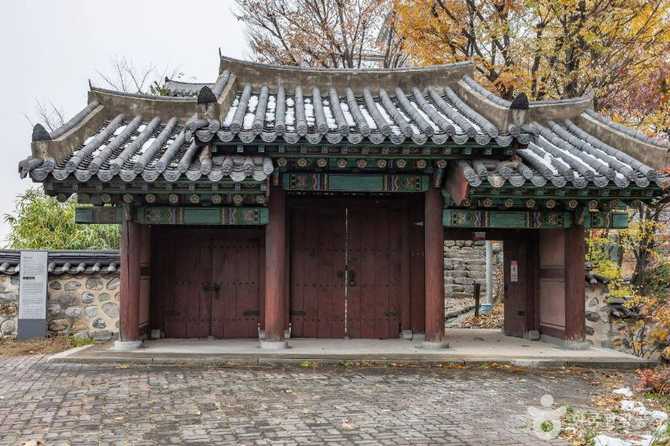
In the 20th century, the original structure was damaged by natural disasters and urban development. However, in 1989, a meticulous restoration project was undertaken, aiming to preserve the traditional design while adapting it for modern appreciation. The restored Mangwonjeong was designated as a Seoul City Monument in 1990, emphasizing its importance as a cultural asset. Today, visitors can explore the site and experience a glimpse of Korea’s Joseon Dynasty aristocratic leisure culture. Its historical background highlights the enduring value of Korea’s architectural and cultural heritage, making Mangwonjeong a must-visit site for those interested in Korea’s history.
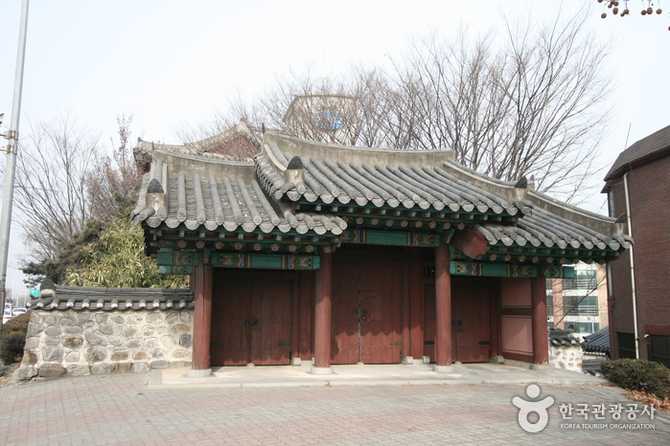
Comparison of Restoration and Preservation of Mangwonjeong
| Aspect | Historical State | Restoration Details |
|---|---|---|
| Original Construction | Built in 1424 during the Joseon Dynasty by Prince Hyoryeong | Reconstructed in 1989 based on historical records and traditional techniques |
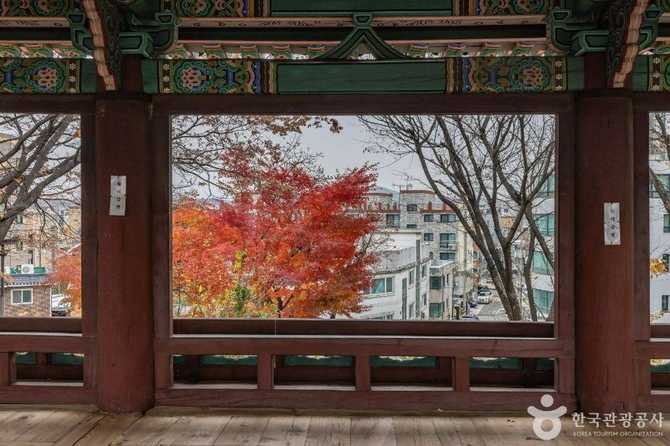
| Design and Architecture | Traditional Korean wooden pavilion with tiled roof, open layout, and natural surroundings | Restored to reflect original architectural style, using traditional materials and methods |
| Purpose | Private leisure and scholarly gatherings for royalty and officials | Public cultural site for educational and tourism purposes |
| Restoration Period | Multiple repairs over centuries, with major restoration in 1988-1989 | Complete reconstruction completed in 1989, with ongoing maintenance |
| Current Status | Partially preserved original elements, some reconstructions | Fully restored, open to the public, designated as Seoul City Monument |
Location and Visitor Information for Mangwonjeong
- Address: Seoul Special City, Mapo-gu, Donggyo-ro 8-gil 23 (Hapjeong-dong)
- Contact: 02-3153-8350
- Website: https://www.mapo.go.kr
- Operational Hours: Open year-round, 24/7 access
- Parking: Available on-site; nearby public parking lots also accessible
- Designated Status: Seoul City Monument (since June 18, 1990)
- Admission Fee: Free of charge
Visiting Mangwonjeong is straightforward thanks to its central location in Mapo-gu. The site is easily accessible by public transportation, with nearby bus stops and subway stations, including Hapjeong Station (Line 2 and Line 6). Parking is available, but during weekends and holidays, it can be crowded. Therefore, using public transit is recommended for a more comfortable experience. The site’s open hours allow visitors to explore at their own pace, making it an ideal spot for a peaceful cultural experience. Remember to check the latest updates on traffic conditions and parking availability before your visit to ensure a smooth trip.
Visiting Tips and Guidelines for Mangwonjeong
| Tip | Details |
|---|---|
| Check Accessibility | Verify traffic conditions and parking availability before your visit, especially on weekends and holidays. |
| Respect the Site | Since the site has been restored, some structures may differ from the original. Avoid touching or climbing on the structures to help preserve them. |
| Visit During Off-Peak Hours | To enjoy a peaceful experience, consider visiting early in the morning or late in the afternoon when crowds are minimal. |
| Wear Comfortable Attire | Use comfortable shoes suitable for walking around the outdoor site and bring weather-appropriate clothing. |
| Use Public Transportation | Public transit is recommended to avoid parking issues. Nearby subway stations include Hapjeong Station (Line 2 and 6). |
Visitor Checklist for Mangwonjeong
- Confirm traffic and parking conditions before your visit.
- Respect the site’s restored structures; avoid climbing or touching.
- Plan to visit during less crowded hours for a more tranquil experience.
- Wear comfortable shoes and weather-appropriate clothing.
- Use public transportation when possible to ease parking concerns.
- Check the latest opening hours and visitor guidelines in advance.
Whether you visit during the day or evening, Discover Mangwonjeong Site is a meaningful stop on any Seoul itinerary for history-minded travelers.
Frequently Asked Questions (FAQ)
Q1. When was Mangwonjeong restored and opened to the public?
Restoration of Mangwonjeong was completed in 1989, and it has been open to the public since then. The restoration project began in 1988, aiming to preserve its traditional architecture.
Q2. What is the historical significance of Mangwonjeong?
Built in 1424 during the Joseon Dynasty, Mangwonjeong served as a private leisure and scholarly retreat for royalty and officials. It reflects Korea’s traditional pavilion architecture and aristocratic leisure culture of the era.
Q3. Is there an entrance fee to visit Mangwonjeong?
No, Mangwonjeong is freely accessible to visitors year-round, with no admission fee required.
Q4. How can I get to Mangwonjeong using public transportation?
It is accessible via Hapjeong Station on Line 2 and Line 6, with nearby bus stops. The site is centrally located in Mapo-gu, making public transit the most convenient option.
Q5. Are there parking facilities available at Mangwonjeong?
Yes, on-site parking is available, but it can be limited during weekends and holidays. Public transportation is recommended for easier access.
Q6. Can I take photos or climb on the structures at Mangwonjeong?
Since the site has been restored, visitors are advised to respect preservation guidelines and avoid touching or climbing on the structures to prevent damage.
Conclusion: Experience the Rich Heritage of Mangwonjeong Site in Seoul
Visiting the Mangwonjeong site in Seoul offers a unique opportunity to immerse yourself in Korea’s rich cultural and architectural history. As a significant relic from the Joseon Dynasty, this historic pavilion not only embodies traditional Korean design but also reflects the scholarly and leisure pursuits of Korea’s royal and aristocratic classes. The restoration completed in 1989 ensures that visitors today can appreciate the beauty and harmony of traditional architecture within a tranquil natural setting. Whether you are a history enthusiast, a cultural explorer, or a local resident seeking a peaceful outdoor experience, the Mangwonjeong site provides a meaningful connection to Korea’s past. Its designation as a Seoul City Monument highlights its importance as a cultural asset worth preserving and sharing with future generations. The site’s accessibility, free admission, and year-round open hours make it an ideal destination for anyone interested in Korea’s history and heritage. Make sure to plan your visit ahead of time, check parking and transportation options, and approach the site with respect for its delicate restoration. A trip to Mangwonjeong promises a memorable journey into Korea’s traditional architecture and cultural legacy, enriching your understanding of Seoul’s historical landscape.