
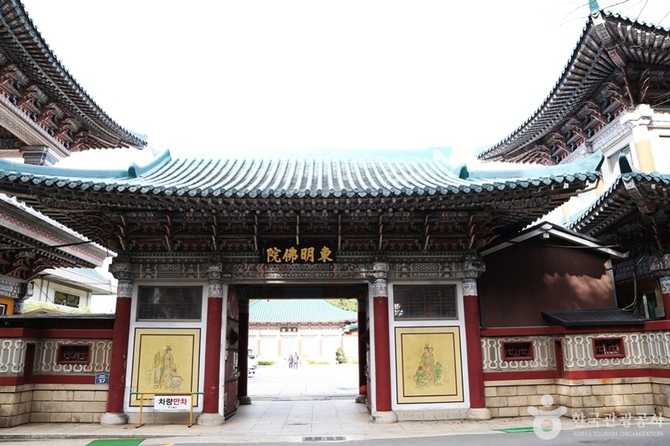
Busan Dongmyeongbulwon: Unique Temple with Southeast Asian Architecture
Discover the cultural and architectural marvel of Busan Dongmyeongbulwon, a temple that beautifully blends traditional Korean Buddhist elements with Southeast Asian influences. Perfect for travelers interested in exploring Korea’s diverse religious sites, this temple offers a distinctive experience that combines history, spirituality, and exotic architecture.
Whether you’re a cultural enthusiast, a history buff, or simply seeking a serene place to reflect, Busan Dongmyeongbulwon provides a unique glimpse into Korea’s rich Buddhist heritage alongside Southeast Asian artistic styles. Located on Yongbi Mountain in the Nam-gu district of Busan, this temple is renowned for its striking architecture, cultural treasures, and peaceful ambiance. Visitors can enjoy year-round free access, ample parking, and a variety of cultural relics, including Myanmar relics, the largest wooden gold Buddha statue in Korea, and Korea’s biggest bell.

At a glance
- Who this is for
-
- Travelers interested in Korea’s cultural and religious sites
- Architecture and history enthusiasts exploring unique temple designs
- Cultural and religious scholars studying Buddhist art and architecture
- Tourists seeking tranquil, free-access spiritual destinations in Busan
- Key takeaways
-
- Features Southeast Asian influenced architecture with straight ridge lines
- Houses Myanmar relics, Korea’s largest wooden gold Buddha, and Korea’s biggest bell
- Open year-round with free admission and parking facilities
- Built with special construction techniques requiring caution during visits
- Located on Yongbi Mountain in Busan’s Nam-gu district
- Tips & cautions
-
- Be respectful of religious artifacts and architecture
- Check operating hours before visiting, despite year-round open status
- Use caution when entering buildings built with special construction methods
- Parking is available; plan your visit accordingly
- Consider making a small donation or gift during your visit
- Bottom line
- Busan Dongmyeongbulwon offers a rare opportunity to experience a temple that combines traditional Korean Buddhist culture with Southeast Asian architectural influences, making it a must-visit for cultural explorers in Busan.
Busan Dongmyeongbulwon is a remarkable Buddhist temple located on Yongbi Mountain in the Nam-gu district of Busan. Unlike traditional Korean temples, this site features Southeast Asian architectural influences, characterized by straight ridge lines and exotic design elements. The temple was built by the late Kang Seok-jin with the hope of praying for national prosperity and the peaceful afterlife of parents. It is home to numerous cultural treasures, including Myanmar relics, Korea’s largest wooden gold Buddha statue, and Korea’s biggest bell, making it a unique destination for visitors interested in religious art, architecture, and cultural history.

Open all year round and free of charge, Busan Dongmyeongbulwon welcomes both locals and tourists to explore its spiritual and cultural offerings at any time. The temple’s tranquil environment, combined with its impressive relics and architecture, provides a perfect setting for reflection and cultural appreciation. Visitors can enjoy parking facilities and easy access, but are advised to observe religious etiquette and exercise caution when entering the buildings, which were constructed using special techniques. Whether you’re interested in Korea’s Buddhist traditions or Southeast Asian art, this temple promises a memorable cultural experience in Busan.
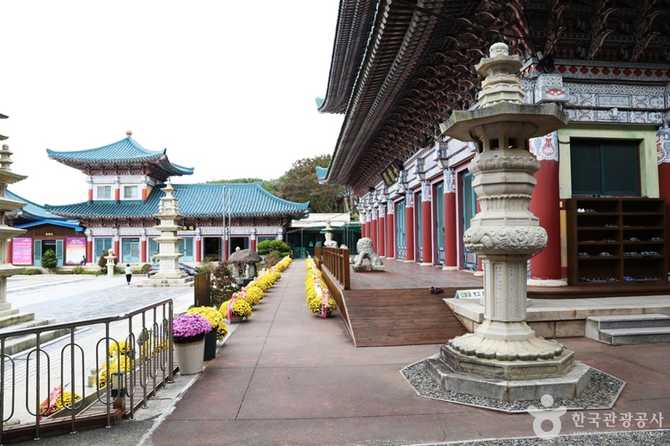
Overview of Busan Dongmyeongbulwon: A Unique Temple with Southeast Asian Architecture
Busan Dongmyeongbulwon is a distinctive Buddhist temple located on Yongbi Mountain in the Nam-gu district of Busan, South Korea. What sets this temple apart from traditional Korean temples is its remarkable Southeast Asian architectural influence, which is evident in its straight ridge lines, exotic roof designs, and culturally significant relics. Built by the late Kang Seok-jin, the temple was constructed with the purpose of praying for national prosperity and the peaceful afterlife of ancestors, reflecting a deep spiritual intent combined with unique artistic expression.
This temple is home to Korea’s largest wooden gold Buddha statue, Myanmar relics, and the country’s biggest bell, making it a treasure trove for those interested in religious art and cultural heritage. The Myanmar relics, which include sacred relics from Southeast Asia, give visitors an immersive experience into exotic Buddhist traditions. The temple’s architecture features a prominent, straight ridge roof (용마루), which is characteristic of Southeast Asian design, contrasting with Korea’s traditional curved rooflines.
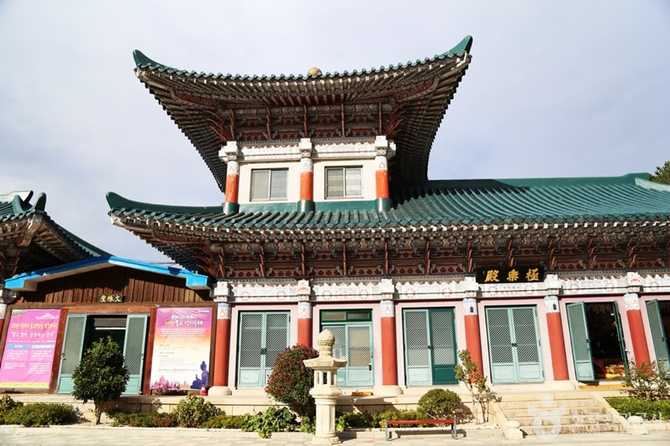
Busan Dongmyeongbulwon is open year-round, offering free admission and parking facilities, making it accessible for both locals and tourists. Despite its open status, visitors are advised to exercise caution when entering the buildings, which were constructed using special methods. The temple’s tranquil environment and rich collection of cultural treasures provide a perfect setting for reflection, cultural exploration, and spiritual connection. Whether you are a history enthusiast, a religious scholar, or a curious traveler, Busan Dongmyeongbulwon offers a rare opportunity to experience a fusion of traditional Korean Buddhism with Southeast Asian architectural and cultural influences.
Comparison of Architectural Features at Busan Dongmyeongbulwon
| Feature | Busan Dongmyeongbulwon | Traditional Korean Temples |
|---|---|---|
| Roof Design | Straight ridge lines influenced by Southeast Asian architecture | Curved, ornate eaves with upturned edges |
| Architectural Style | Southeast Asian influence with exotic, straight-lined roofs | Korean traditional style with intricate woodwork and curved lines |
| Main Religious Relics | Myanmar relics, Korea’s largest wooden gold Buddha, Korea’s biggest bell | Traditional Buddhist statues, pagodas, and bells |
| Construction Techniques | Built with special construction methods, requiring caution during entry | Conventional Korean temple construction with emphasis on harmony and natural materials |
This comparison highlights how Busan Dongmyeongbulwon’s architecture distinctly reflects Southeast Asian influences, especially in its roof design and cultural relics, setting it apart from traditional Korean temples. The unique construction techniques also demand visitors to exercise caution when exploring the interior spaces.
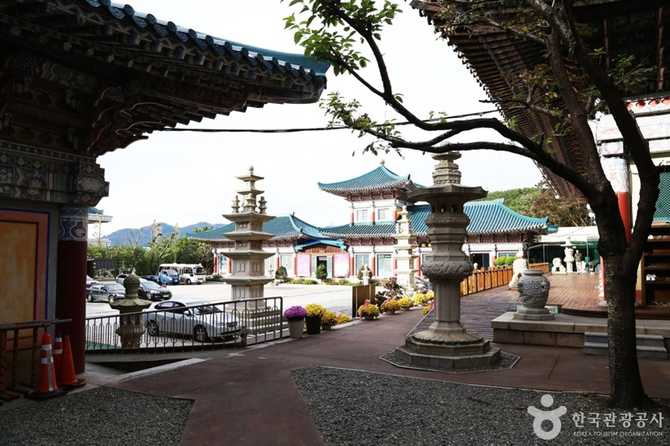
Cultural Treasures and Artifacts at Busan Dongmyeongbulwon
- Myanmar Relics: Sacred relics from Myanmar, including relic caskets and artifacts, symbolize Southeast Asian Buddhist traditions and provide an exotic ambiance to the temple grounds.
- Largest Wooden Gold Buddha: An intricately carved, gilded wooden Buddha statue, recognized as Korea’s largest of its kind, serves as the main object of veneration within the temple’s main hall.
- Biggest Bell in Korea: The temple houses Korea’s largest bell, which weighs heavily and features unique dragon-patterned inscriptions (사룡 문양) on its clapper, showcasing exceptional craftsmanship.
- Myanmar Relics: These relics are not only religious artifacts but also cultural symbols, offering visitors a glimpse into the spiritual practices of Southeast Asia.
- Architectural Features: The temple’s buildings are constructed using special techniques that require careful handling, and interior spaces are designed to evoke reverence and tranquility.
Visitor Information & Practical Tips for Busan Dongmyeongbulwon
| Category | Details |
|---|---|
| Opening Hours | Open year-round, 24 hours a day |
| Admission Fee | Free |
| Contact Number | 051-626-4337 |
| Location | 57 Dongmyeong-ro, Nam-gu, Busan |
| Parking | Available |
| Facilities | Restrooms available |
Visitors are encouraged to check the temple’s official website or contact the management before planning their visit, especially if they wish to participate in special events or observe specific religious practices. Remember to arrive early or plan your trip accordingly, as parking is available but may be busy during peak hours. When inside, please observe religious etiquette, avoid touching artifacts unnecessarily, and walk carefully around the buildings constructed with special techniques.
Visitor Checklist for Busan Dongmyeongbulwon
- Verify opening hours and special event schedules before your visit.
- Wear respectful attire suitable for a religious site.
- Bring a small donation or gift if desired, as a sign of respect.
- Use caution when entering buildings, which are constructed with special techniques.
- Refrain from touching or disturbing relics and artifacts.
- Arrive early to secure parking and avoid crowds.
- Plan your transportation in advance; parking is available on-site.
- Maintain silence and show reverence while inside the temple grounds.
- Check the official contact number (051-626-4337) for any updates or questions.
- Consider bringing a camera, but avoid flash photography inside sacred areas.
Frequently Asked Questions (FAQ)
Q1: What is the architectural style of Busan Dongmyeongbulwon?
Busan Dongmyeongbulwon features Southeast Asian architectural influences, characterized by straight ridge lines and exotic roof designs, contrasting with traditional Korean temples’ curved eaves.
Q2: What are the main cultural treasures at Busan Dongmyeongbulwon?
The temple houses Myanmar relics, Korea’s largest wooden gold Buddha statue, and Korea’s biggest bell with unique dragon-patterned inscriptions, reflecting its rich cultural heritage.
Q3: Is Busan Dongmyeongbulwon open all year round?
Yes, the temple is open year-round, 24 hours a day, and visitors can access it freely at any time without restrictions.
Q4: Is there an entrance fee to visit Busan Dongmyeongbulwon?
No, admission to the temple is completely free, allowing anyone to visit and explore its cultural and architectural treasures at no cost.
Q5: What precautions should visitors take when entering the temple buildings?
Visitors should exercise caution due to the special construction methods used in the buildings and should show respect for religious artifacts and architecture during their visit.
Q6: How can I get to Busan Dongmyeongbulwon?
The temple is located on Yongbi Mountain in Nam-gu, Busan. It is accessible by car with parking facilities, and public transportation options are available; for detailed directions, contact 051-626-4337.
Experience the Unique Charm of Busan Dongmyeongbulwon
Visiting Busan Dongmyeongbulwon offers a rare opportunity to explore a Buddhist temple that beautifully blends traditional Korean spiritual architecture with Southeast Asian influences. Its distinctive design, featuring straight ridge lines and exotic relics, makes it a must-visit destination for travelers seeking cultural enrichment and architectural novelty. The temple’s collection of cultural treasures, including Myanmar relics, Korea’s largest wooden gold Buddha, and the country’s biggest bell, provides a fascinating glimpse into diverse Buddhist traditions and artistic craftsmanship. Located on Yongbi Mountain in Busan’s Nam-gu district, the temple is accessible year-round with free admission and ample parking, making it convenient for all visitors. Whether you are a history enthusiast, a cultural explorer, or someone seeking a peaceful retreat, Busan Dongmyeongbulwon promises a memorable experience that combines spiritual serenity with architectural wonder. Remember to observe respectful behavior when exploring the temple and its artifacts, and consider visiting during off-peak hours for a more tranquil experience. A visit to this extraordinary temple will deepen your understanding of Korea’s rich Buddhist heritage while offering a unique perspective on Southeast Asian architectural influence.