
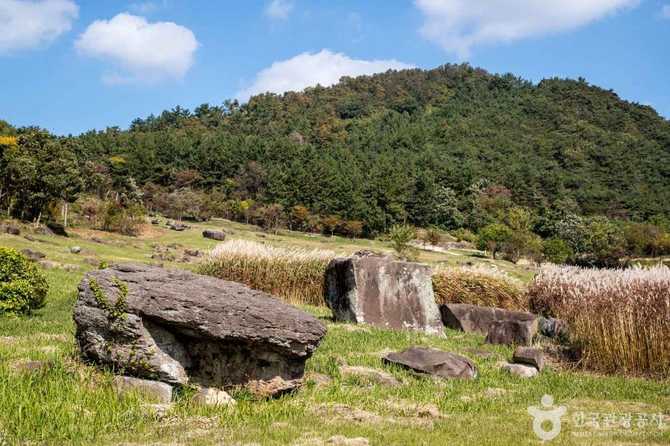
Discover the UNESCO World Heritage Site: Gochang Dolmen Sites in Korea
Are you interested in exploring Korea’s ancient history and prehistoric monuments? The Gochang Dolmen Sites, recognized as a UNESCO World Heritage Site, offer a fascinating glimpse into Korea’s prehistoric era and its cultural heritage. Visiting this remarkable archaeological site allows travelers to understand the life and burial practices of ancient communities, as well as appreciate Korea’s rich cultural legacy.
In this guide, we will introduce you to the significance of the Gochang Dolmen Sites, details on how to visit, and practical tips for your exploration. As one of Korea’s most important prehistoric sites, the Gochang Dolmen Sites encompass over 1,700 megalithic tombs, showcasing various styles and construction techniques from the Neolithic and Bronze Age periods. Recognized by UNESCO in 2000, these ancient monuments are not only a testament to Korea’s ancient craftsmanship but also a valuable resource for researchers studying prehistoric society and burial customs.
At a glance
- Who this is for
-
- History enthusiasts interested in Korea’s ancient civilizations
- Travelers planning a cultural trip to Jeollabuk-do
- Researchers and students studying prehistoric Korea
- Families seeking educational outdoor experiences
- Key takeaways
-
- Located in Gochang County, Jeollabuk-do, with over 1,700 dolmens
- UNESCO World Heritage Site since 2000
- Features diverse styles including table-style, flat, and capstone dolmens
- Accessible via well-maintained walking courses, with a museum on-site
- Offers cultural programs and guided tours for visitors
- Tips & cautions
-
- Check opening hours and admission fees before visiting
- Follow designated paths to protect the site’s integrity
- Avoid touching or disturbing the dolmens
- Wear comfortable shoes suitable for walking
- Respect the preservation rules and signage
- Bottom line
- Visiting the Gochang Dolmen Sites offers an enriching experience to explore Korea’s ancient past and cultural heritage.
Korea’s Gochang Dolmen Sites stand as a remarkable testament to prehistoric Korea’s cultural and burial practices. Recognized globally as a UNESCO World Heritage Site, these ancient megalithic tombs reveal the craftsmanship and social organization of early communities that lived thousands of years ago. Located in the scenic Jeollabuk-do province, the site features a variety of dolmen types, including table-style, capstone, and flat formations, each illustrating different construction techniques and regional styles.
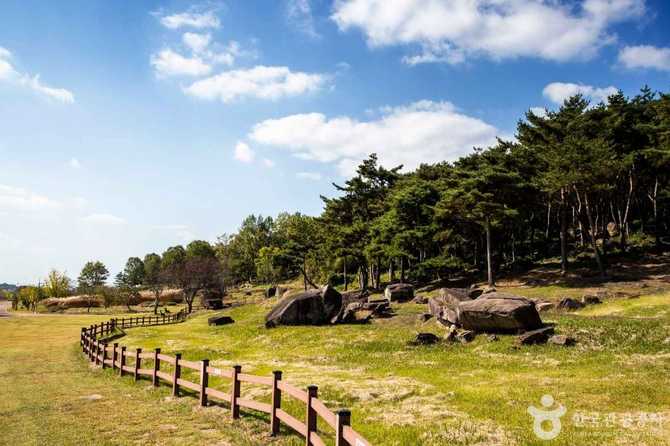
Visiting the Gochang Dolmen Sites provides an immersive experience into Korea’s prehistoric era. The site spans a walking course of approximately 3.5 kilometers, connecting visitors to the dolmen clusters, a dedicated museum, and educational programs. The preservation efforts ensure that this invaluable cultural asset remains intact for future generations. Whether you are a history enthusiast, a student, or a family looking for an educational adventure, exploring this UNESCO site offers a meaningful journey into Korea’s ancient history.
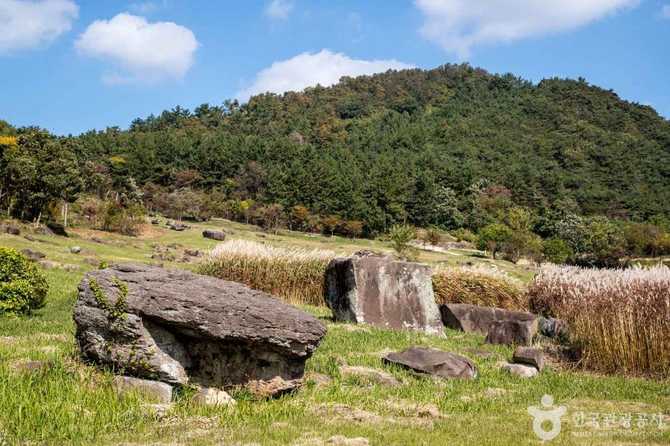
To make the most of your visit, it’s advisable to check operational hours, entrance fees, and parking options beforehand. Guided tours and cultural activities are available, enriching your understanding of the site’s significance. Remember to follow all guidelines for preservation and safety, ensuring that this ancient site remains preserved for years to come.
Introduction to Gochang Dolmen Sites
The Gochang Dolmen Sites are a remarkable testament to Korea’s prehistoric era and are recognized as a UNESCO World Heritage Site. This collection of ancient megalithic tombs, situated in Gochang County, Jeollabuk-do Province, offers a fascinating glimpse into early human burial practices and social organization during the Neolithic and Bronze Age periods. As one of Korea’s most significant archaeological sites, the Gochang Dolmen Sites encompass over 1,700 dolmens, making it the largest concentration in the country and a vital part of Korea’s cultural heritage.
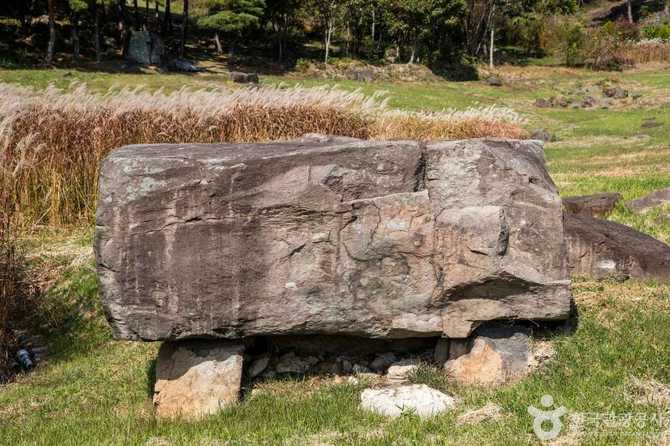
The term “dolmen” refers to a type of megalithic tomb constructed from large stone slabs, often arranged in various styles such as table-style, capstone, and flat formations. The Gochang site showcases these diverse styles, illustrating the evolution of burial techniques and social complexity among prehistoric communities. The site’s significance extends beyond its age; it provides valuable insights into the technological skills, spiritual beliefs, and societal structures of ancient Koreans.
In 2000, the Gochang Dolmen Sites were designated as a UNESCO World Heritage Site, recognizing their outstanding universal value. This designation helps protect and preserve the site for future generations while promoting international awareness of Korea’s rich prehistoric culture. Visitors can explore the site via well-maintained walking courses, which connect various clusters of dolmens, a dedicated museum, and educational facilities. The site also offers cultural programs and guided tours, making it an engaging experience for history enthusiasts, students, and families alike.
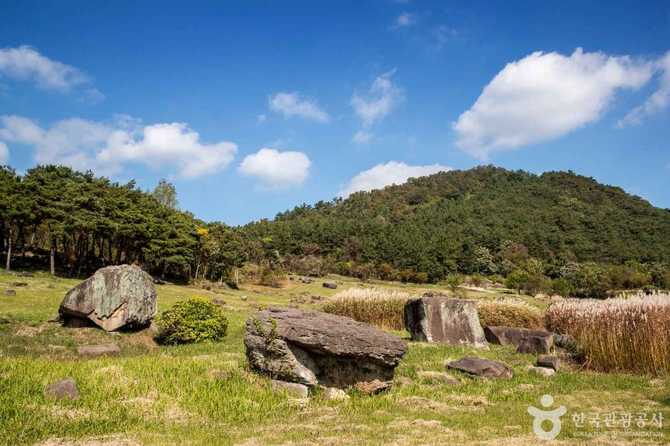
Visiting the Gochang Dolmen Sites allows travelers to immerse themselves in Korea’s ancient past, understanding the craftsmanship and societal organization of early communities. Whether you are interested in archaeology, history, or cultural preservation, this UNESCO site provides a meaningful journey into Korea’s prehistoric world. Proper planning, including checking operational hours and guidelines, ensures a smooth and respectful visit, helping to conserve this invaluable cultural treasure.
Comparison of Gochang Dolmen Types and Features
| Dolmen Type | Description | Examples in Gochang |
|---|---|---|
| Table-style Dolmen | Features a large capstone supported by upright stones, resembling a table. Commonly used for burial chambers. | Most prevalent in Gochang, with many examples showing varied sizes and arrangements. |
| Capstone Dolmen | Consists of a large flat stone (capstone) placed horizontally on upright stones, often forming a simple chamber. | Found in clusters, illustrating early burial practices with emphasis on stone arrangement. |
| Flat or Rectangular Dolmen | Features flat stones arranged in rectangular shapes, often used for collective burials. | Less common but present in Gochang, showing regional variation in construction styles. |
The diversity of dolmen styles in Gochang reflects regional differences and technological advancements during prehistoric times. Recognizing these variations helps researchers understand societal development, burial customs, and cultural exchanges among ancient communities.
Visiting the Gochang Dolmen Sites: Checklist and Tips
- Plan your visit ahead: Check the opening hours and admission fees for the site and museum.
- Wear comfortable footwear: The exploration involves walking along designated courses spanning several kilometers.
- Follow designated paths: To preserve the site’s integrity, always stay on marked trails and avoid touching the dolmens.
- Bring essentials: Carry water, sun protection, and a camera to capture your experience.
- Participate in guided tours: These provide deeper insights into the history and significance of the dolmens.
- Respect preservation rules: Do not disturb or damage any part of the site.
By following this checklist and tips, visitors can enjoy a respectful and enriching experience exploring the Gochang Dolmen Sites while contributing to their preservation for future generations.
Practical Visitor Information for Gochang Dolmen Sites
| Item | Details |
|---|---|
| Operating Hours | Summer (Haejeong): 09:00 – 18:00 / Winter (Dongjeong): 09:00 – 17:00 |
| Admission Fees | Adults: 3,000 KRW / Youth & Soldiers: 2,000 KRW / Children: 1,000 KRW Group discounts available: Adults 2,400 KRW, Youth 1,600 KRW, Children 600 KRW |
| Facilities | Parking lot, restrooms, information signage, educational programs, guided tours |
| Accessibility & Safety | Stay on designated paths, do not touch or damage the dolmens, follow staff instructions for safety |
Research, Preservation, and Visitor Tips for Gochang Dolmen Sites
- Check operational hours and holidays: Confirm opening times, especially during seasonal changes or public holidays, to plan your visit accordingly.
- Follow preservation guidelines: Always stay on marked trails, avoid touching or moving any stones, and do not disturb the site’s natural state.
- Respect the site’s rules: Do not litter, vandalize, or engage in any activity that could harm the cultural heritage.
- Participate in guided tours: Join educational programs or guided walks to deepen your understanding of the site’s historical significance.
- Prepare for the walk: Wear comfortable walking shoes and bring essentials like water, sun protection, and a camera.
- Visit surrounding sites: Explore nearby areas such as the local quarry or additional archaeological sites to enrich your experience.
Whether you visit during the day or evening, Discover the UNESCO World Heritage is a meaningful stop on any Seoul itinerary for history-minded travelers.
Frequently Asked Questions (FAQ)
Q1: When was the Gochang Dolmen Sites designated as a UNESCO World Heritage Site?
The Gochang Dolmen Sites were officially inscribed as a UNESCO World Heritage Site in December 2000, recognizing their outstanding cultural and historical significance.
Q2: What types of dolmens can be found at the Gochang site?
The site features various types of dolmens, including table-style, capstone, and flat or rectangular formations, showcasing diverse prehistoric burial practices.

Q3: Where exactly are the Gochang Dolmen Sites located?
The Gochang Dolmen Sites are situated in the regions of Juklim-ri, Sanggap-ri, and Dosan-ri within Gochang County, Jeollabuk-do Province, South Korea.
Q4: What should I prepare before visiting the Gochang Dolmen Sites?
It is advisable to check the site’s operating hours, admission fees, and parking options beforehand. Wearing comfortable walking shoes and following preservation guidelines are also recommended.
Q5: Why are the Gochang Dolmen Sites important for research?
The sites provide valuable insights into prehistoric burial customs, social organization, and technological skills of early Korean communities, making them crucial for archaeological studies.
Q6: Are there any rules or restrictions when visiting the Gochang Dolmen Sites?
Visitors must follow designated paths, avoid touching or damaging the dolmens, and adhere to site regulations to help preserve this cultural heritage for future generations.
Final Tips for Visiting Gochang Dolmen Sites
Planning your visit to the Gochang Dolmen Sites, a UNESCO World Heritage Site, ensures a smooth and meaningful experience. Before heading out, double-check the operational hours, especially during seasonal changes, to avoid any inconvenience. Remember that the site is protected by strict regulations to preserve its historical value, so always follow designated pathways and refrain from touching or disturbing the dolmens. Wearing comfortable shoes and bringing essentials like water, sun protection, and a camera will help you enjoy your exploration fully. Participating in guided tours or educational programs can deepen your understanding of Korea’s prehistoric culture and the significance of these ancient monuments. Respect for the site’s preservation rules is crucial, as unauthorized access or damage can lead to legal penalties and harm this invaluable cultural heritage. By being well-prepared and mindful during your visit, you contribute to the ongoing effort to conserve Korea’s rich history. The Gochang Dolmen Sites offer a unique window into Korea’s ancient past, making it a must-see destination for history lovers and cultural enthusiasts alike.