
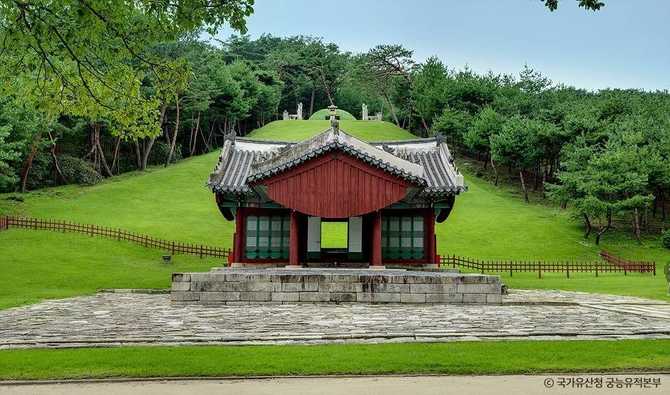
Seoul Jeongneung UNESCO World Heritage
This guide to Seoul Jeongneung UNESCO World Heritage covers location, opening hours, visitor tips, and FAQs for international travelers visiting Korea.
Discover the historical significance and visitor information of Seoul Jeongneung, a UNESCO World Heritage site that offers a unique glimpse into Korea’s royal history and cultural heritage.
At a glance
- Who this is for
-
- Travelers interested in Korean royal history and cultural heritage
- History enthusiasts exploring UNESCO World Heritage sites in Seoul
- Tourists planning visits to historical sites within Seoul
- Students and researchers studying Korean history and architecture
- Local residents and visitors seeking meaningful cultural experiences
- Key takeaways
-
- Jeongneung is the royal tomb of Queen Shindeok, wife of King Taejo, built in 1396 and reconstructed as a royal tomb in 1669.
- Located in Seongbuk-gu, Seoul, it is designated as a UNESCO World Heritage site for its cultural and historical significance.
- The site features traditional stone sculptures and structures reflecting the architectural styles of the Goryeo and Joseon periods.
- Visiting hours vary seasonally, with limited parking and specific guidelines for respectful tourism.
- Jeongneung offers a peaceful harmony of natural scenery and historical relics, making it a must-visit in Seoul.
- Tips & cautions
-
- Check the latest opening hours and holidays on the official website before visiting.
- Arrive early, especially during peak seasons, to ensure access and parking.
- Use public transportation as parking is limited to nine vehicles.
- Maintain silence and respect the site’s cultural significance during your visit.
- Follow all rules for preservation and environmental protection.
- Bottom line
- Seoul Jeongneung is a culturally rich and historically important UNESCO World Heritage site that offers a meaningful experience of Korea’s royal past and natural beauty.
Seoul Jeongneung (Shindeok Hwanghu) is a significant cultural heritage site that embodies Korea’s royal history and architectural tradition. As a UNESCO World Heritage site, it preserves the tomb of Queen Shindeok, the wife of Korea’s founding monarch, King Taejo. Established in 1396 and reconstructed into a formal royal tomb in 1669, Jeongneung stands as a testament to Korea’s rich history and cultural continuity.
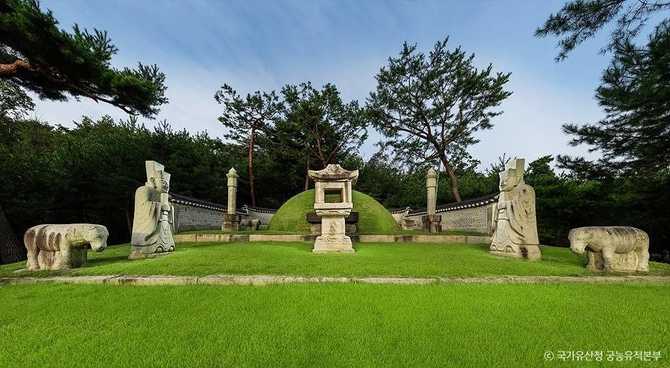
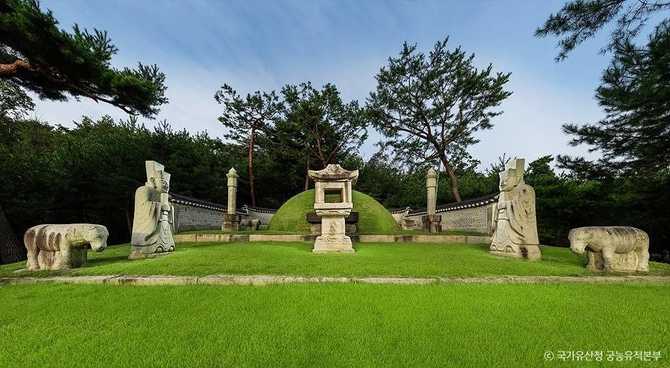
Located in the Seongbuk district of Seoul, Jeongneung is more than just a tomb; it is a cultural symbol that combines historical architecture with natural scenery, offering visitors a tranquil space to reflect on Korea’s royal legacy. The site features traditional stone sculptures, including guardian statues and ceremonial stone markers, which reflect the artistic styles of the Goryeo and Joseon dynasties. Its strategic location and design embody Korea’s deep respect for ancestors and royal traditions.
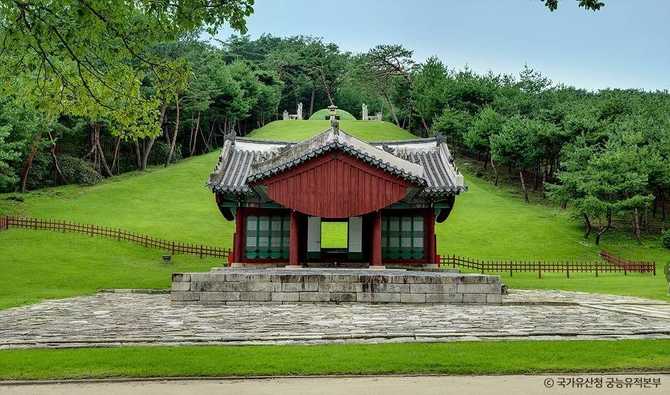
For travelers interested in exploring Korea’s royal history, Jeongneung provides a unique opportunity to connect with the past. Its designated UNESCO status ensures that the site is protected and preserved, allowing future generations to appreciate Korea’s cultural heritage. Visiting Jeongneung not only offers historical insight but also a peaceful retreat within the bustling city of Seoul.
Overview of Seoul Jeongneung (Shindeok Hwanghu) UNESCO World Heritage Site
Seoul Jeongneung, designated as a UNESCO World Heritage site, is a vital cultural and historical landmark that encapsulates Korea’s royal heritage. Located in the Seongbuk district of Seoul, this royal tomb is the final resting place of Queen Shindeok, the wife of Korea’s founding monarch, King Taejo. Established in 1396, Jeongneung has been carefully preserved and reconstructed over centuries, reflecting Korea’s deep respect for its ancestors and royal traditions.
This site is not only significant for its historical value but also for its architectural features, which blend traditional Korean tomb design with elements from the Goryeo and Joseon periods. The tomb’s layout includes a serene natural environment, stone sculptures, and ceremonial structures, all arranged to honor the royal lineage and provide a tranquil space for reflection. As a UNESCO World Heritage site, Jeongneung is protected under international standards, ensuring its preservation for future generations.
Visitors to Seoul often include Jeongneung in their cultural itinerary to gain insight into Korea’s royal history and architectural heritage. The site’s historical significance is complemented by its natural beauty, making it a peaceful retreat amid the bustling city. The tomb’s strategic location and design embody Korea’s reverence for ancestors, with stone statues and markers that reflect traditional artistic styles from the Goryeo and Joseon eras. The site’s layout and sculptures serve as a testament to Korea’s cultural identity and historical continuity.
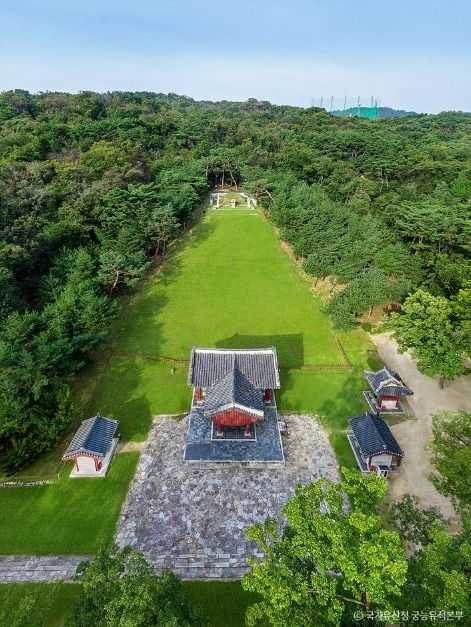
Understanding Jeongneung’s history and significance enhances visitors’ appreciation of Korea’s royal past. Its UNESCO designation underscores the importance of preserving this cultural treasure, which continues to educate and inspire both locals and international visitors. Whether exploring Korea’s dynastic history or enjoying the natural scenery, Jeongneung offers a meaningful experience that connects the past with the present.
Comparison of Structural and Stone Features of Jeongneung
| Feature | Details | Remarks |
|---|---|---|
| Burial Mound (Bong) | Natural topography adapted for burial, with minimal artificial shaping | Reflects harmony with natural landscape |
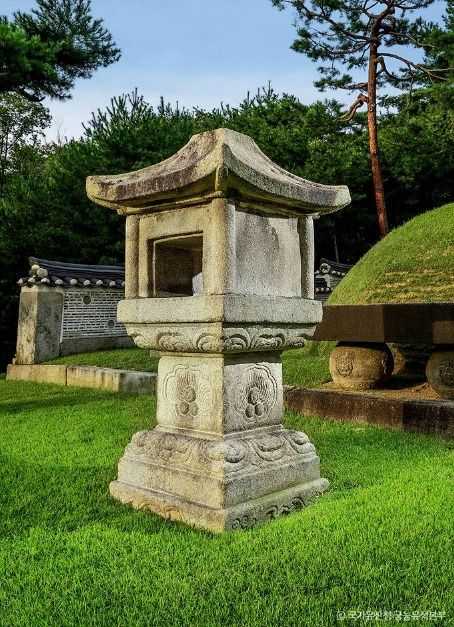
| Sakleuk (Sacrificial Stone) and Ancillary Structures | Stone statues such as guardian figures, ceremonial stone markers, and spirit statues | Some sculptures are reproductions from the Joseon period, original stones are preserved |
| Stone Carvings and Sculptures | Stone lanterns, statues, and memorial stones, mainly from the Goryeo and Joseon eras | Some sculptures were reconstructed during restoration efforts in the 17th century |
| Stone Stele (Bi-gak) | Inscribed stone tablets marking the tomb’s boundaries and significance | Changes in style reflect historical periods, from Joseon to Korean Empire |
| Reconstruction and Preservation | Some stone features have been restored or reproduced to maintain authenticity | Restoration adheres to strict cultural heritage guidelines |
Visitor Checklist for Seoul Jeongneung (Shindeok Hwanghu) UNESCO World Heritage Site
- Check Opening Hours: Verify current visiting hours and holidays on the official website or contact the site before your visit. Hours vary seasonally, e.g., 06:00–18:00 (Feb–May, Sept–Oct), 06:00–18:30 (Jun–Aug), 06:30–17:30 (Nov–Jan).
- Plan Transportation: Use public transportation as parking is limited to only 9 vehicles. The site is accessible via Seoul subway and bus routes.
- Arrive Early: To avoid crowds and secure parking, especially during peak seasons or holidays.
- Respect the Site: Maintain silence, do not disturb the sculptures or structures, and follow all preservation guidelines.
- Prepare for Weather: Dress appropriately for the season and weather conditions, as the site is largely outdoors.
- Bring Essentials: Water, sun protection, and a camera for photography, respecting regulations on photography inside certain areas.
Significance of Seoul Jeongneung as a UNESCO World Heritage Site
As a designated UNESCO World Heritage site, Seoul Jeongneung holds a prominent place in Korea’s cultural and historical landscape. This recognition underscores its importance as a royal tomb that embodies Korea’s rich dynastic history and architectural heritage. The site not only serves as a testament to the craftsmanship and spiritual beliefs of the Joseon Dynasty but also plays a vital role in preserving Korea’s cultural identity for future generations.
The UNESCO designation ensures that Jeongneung is protected under strict international standards, which include conservation efforts, controlled access, and ongoing research. This status helps promote global awareness of Korea’s historical legacy and encourages cultural tourism, contributing to local economies and educational initiatives. It also emphasizes the importance of natural harmony, as Jeongneung’s landscape integrates seamlessly with its natural surroundings, reflecting traditional Korean respect for nature and ancestors.
Furthermore, Jeongneung’s status as a UNESCO World Heritage site highlights the need for continuous preservation efforts. It acts as an educational resource, illustrating Korea’s royal customs, architectural styles, and spiritual practices. The site’s protection ensures that the cultural and natural elements remain intact, allowing visitors from around the world to experience Korea’s historical grandeur firsthand.
Visitor Checklist for Seoul Jeongneung (Shindeok Hwanghu) UNESCO World Heritage Site
- Verify Operating Hours: Check the official website or contact the site before your visit to confirm seasonal hours and holidays. Typical hours are 06:00–18:00 (Feb–May, Sept–Oct), 06:00–18:30 (Jun–Aug), and 06:30–17:30 (Nov–Jan). Note that the site is closed on Mondays unless it falls on a public holiday.
- Plan Your Transportation: Use public transportation such as Seoul subway or buses, as parking is limited to only 9 vehicles. Planning ahead ensures a smoother visit.
- Arrive Early: To avoid crowds and secure parking, especially during peak seasons or holidays. Early visits also allow for a more contemplative experience.
- Respect the Cultural Site: Maintain silence, refrain from touching sculptures or structures, and follow all preservation guidelines to help conserve the site’s integrity.
- Be Weather-Prepared: Dress appropriately for the season and weather conditions, as Jeongneung is largely outdoors. Consider bringing sun protection or rain gear as needed.
- Bring Necessary Items: Water, a camera (respecting photography rules), and any personal items needed for comfort. Remember to dispose of trash properly to keep the site pristine.
- Check for Updates: Prior to your visit, review the official Jeongneung webpage or contact the visitor center for the latest information on operational hours, special events, or temporary closures.
- Follow Environmental Guidelines: Do not disturb the natural surroundings or sculptures. Keep noise levels low and avoid littering to preserve the site’s natural beauty and historical artifacts.
- Respect Visiting Etiquette: Be courteous to other visitors and staff, and follow all signage and instructions during your visit.
Whether you visit during the day or evening, Seoul Jeongneung UNESCO World Heritage is a meaningful stop on any Seoul itinerary for history-minded travelers.
Frequently Asked Questions (FAQ)
Q1: What is the historical significance of Seoul Jeongneung (Shindeok Hwanghu)?
An: Seoul Jeongneung is the royal tomb of Queen Shindeok, wife of King Taejo, built in 1396 and reconstructed as a royal tomb in 1669. It represents Korea’s royal history and architectural heritage from the Joseon Dynasty.
Q2: What are the main features of the stone sculptures at Jeongneung?
An: The site features stone statues such as guardian figures, ceremonial markers, and spirit statues, mainly from the Goryeo and Joseon periods. Some sculptures are reproductions from the Joseon era, with original stones preserved.
Q3: What are the visiting hours for Jeongneung, and are there seasonal variations?
An: Visiting hours vary seasonally: from 06:00 to 18:00 (February–May, September–October), 06:00 to 18:30 (June–August), and 06:30 to 17:30 (November–January). It is closed on Mondays unless they are public holidays.
Q4: Why is Jeongneung designated as a UNESCO World Heritage site?
An: Jeongneung is recognized for its cultural and historical importance as a royal tomb that embodies Korea’s dynastic history and architectural traditions. It also exemplifies the harmony between natural landscape and cultural relics.
Q5: What precautions should visitors take when visiting Jeongneung?
An: Visitors should check the latest operational hours and holidays beforehand, arrive early, and use public transportation due to limited parking. Respect the site’s preservation rules and maintain silence during the visit.
Q6: How can I get to Jeongneung, and is parking available?
An: Jeongneung is located in Seongbuk-gu, Seoul, accessible via subway and bus routes. Parking is limited to nine vehicles, so public transportation is recommended for convenience and to avoid parking issues.
Conclusion: Visiting Seoul Jeongneung (Shindeok Hwanghu) UNESCO World Heritage Site
A visit to Seoul Jeongneung (Shindeok Hwanghu) UNESCO World Heritage Site offers a unique opportunity to connect with Korea’s rich royal history and cultural heritage. As the final resting place of Queen Shindeok, wife of Korea’s founding monarch, King Taejo, Jeongneung stands as a testament to Korea’s dynastic traditions and architectural excellence. Its designation as a UNESCO World Heritage site highlights its global significance and the importance of preserving this cultural treasure for future generations.
When planning your visit, keep in mind the seasonal variations in opening hours and the limited parking space. Using public transportation is highly recommended to ensure a smooth and respectful experience. Remember to check the official website or contact the visitor center for the latest updates on operational hours and any special events or closures. Respect the site’s natural and cultural environment by maintaining silence, following preservation guidelines, and leaving no trace of your visit.
Whether you are a history enthusiast, a cultural explorer, or simply seeking a peaceful retreat within Seoul, Jeongneung provides a meaningful glimpse into Korea’s royal past. Its harmonious blend of natural scenery and historical relics makes it an essential destination for visitors interested in Korea’s heritage. A trip to Jeongneung not only enriches your understanding of Korea’s history but also offers a serene space to reflect and appreciate the enduring legacy of the Joseon Dynasty. Make sure to include this remarkable site in your Seoul itinerary and experience the profound cultural significance it holds.