
출처 : ⓒ한국관광콘텐츠랩 또는 ⓒ한국관광공사
Discover Busan Dongnae Hyanggyo: A Historic Cultural Heritage
Location 부산광역시 동래구 동래로 103
Location 부산광역시 동래구 동래로 103
Are you interested in exploring Korea’s traditional educational and cultural sites? Visiting Dongnae Hyanggyo in Busan offers a unique glimpse into Korea’s rich history, architecture, and educational heritage from the Joseon Dynasty to today.
At a glance
- Who this is for
-
- Travelers interested in Korea’s traditional culture and history
- Visitors exploring Busan’s cultural heritage sites
- Researchers studying Confucian educational institutions
- History enthusiasts and cultural explorers
- Students and educators seeking cultural insights
- Key takeaways
-
- Established in 1392, Dongnae Hyanggyo is a key historical Confucian school in Busan.
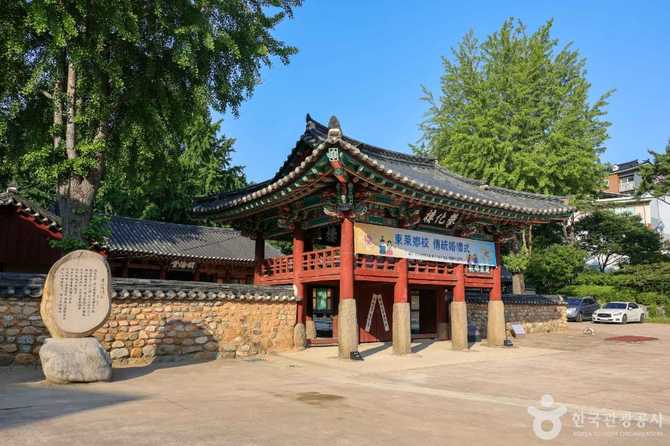
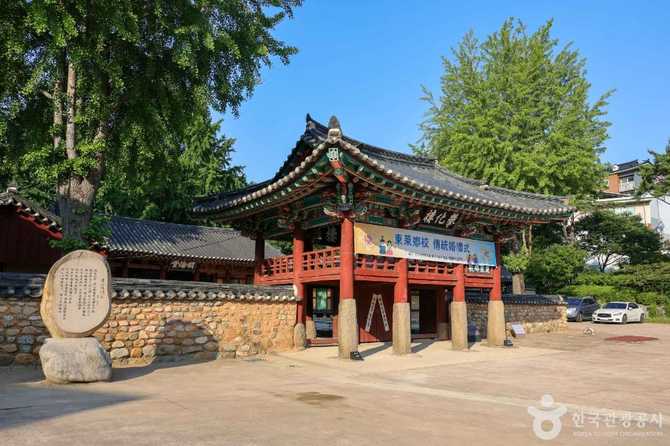
- It features traditional architecture, including Myeongnyundang and Daeungjeon halls.
- Open year-round with free admission and parking facilities.
- Designated as Busan Metropolitan City Cultural Heritage Site.
- Offers insights into Korea’s educational and ceremonial traditions.
- Tips & cautions
-
- Check official website or contact prior to visiting for event schedules or maintenance closures.
- Group visits should be scheduled in advance.
- Respect the ceremonial spaces and avoid entering restricted areas.
- Prepare for outdoor exposure depending on weather conditions.
- Bottom line
- Dongnae Hyanggyo is a must-visit cultural site in Busan that beautifully combines historical significance with educational heritage.
Exploring Dongnae Hyanggyo in Busan allows visitors to experience Korea’s traditional educational institutions firsthand. As a historic Confucian school founded in 1392, it has served as a center for local education, ceremonial rites, and cultural preservation for over six centuries. Today, it stands as a valuable cultural heritage site, offering insights into Korea’s Confucian traditions, architecture, and history. Whether you are a history enthusiast, a researcher, or a curious traveler, visiting Dongnae Hyanggyo provides a meaningful connection to Korea’s rich past.
This article provides detailed information about the history, architecture, visiting hours, and important tips for exploring Dongnae Hyanggyo. Planning your visit with this guide ensures a smooth experience and a deeper understanding of Korea’s educational and cultural legacy. From its traditional buildings to ceremonial spaces, Dongnae Hyanggyo is an essential cultural destination in Busan that offers both educational enrichment and cultural appreciation.
Overview of the History of Dongnae Hyanggyo
Dongnae Hyanggyo is a historic Confucian educational institution located in Busan, South Korea. As one of the oldest and most significant traditional schools in the region, it embodies Korea’s rich cultural heritage and educational legacy. Established in 1392, shortly after the founding of the Joseon Dynasty, Dongnae Hyanggyo has played a vital role in shaping local scholarship, Confucian rites, and community leadership for over six centuries. Its long history reflects Korea’s dedication to Confucian principles, educational development, and cultural continuity.
The origin of Dongnae Hyanggyo traces back to the early Joseon period, when the government established local schools to promote Confucian learning among officials and students. Despite suffering destruction during the Japanese invasions in the late 16th century, the school was reconstructed in 1605 and has undergone several renovations and relocations over the centuries. The current site has been maintained since 1813, preserving its historical layout and architectural style. Recognized as a designated cultural heritage site by Busan Metropolitan City, Dongnae Hyanggyo continues to serve as a symbol of Korea’s educational and cultural history.
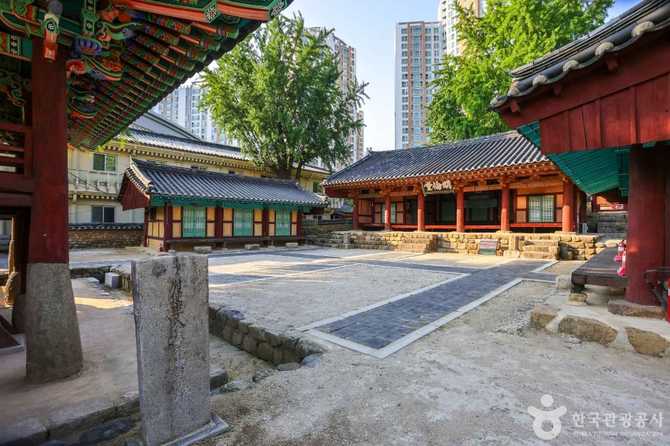
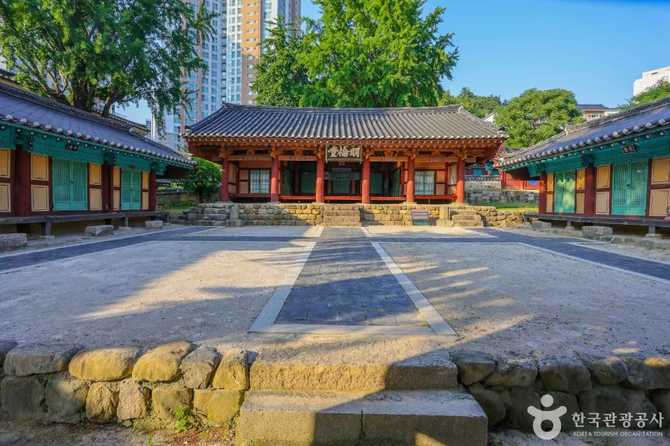
Throughout its history, Dongnae Hyanggyo has been more than just a school; it has been a center for ceremonial rites, community gatherings, and scholarly activities. Its traditional buildings, including the Myeongnyundang lecture hall and Daeungjeon shrine, exemplify classical Korean architecture with wooden structures, tiled roofs, and intricate carvings. Visitors today can explore these historic spaces, which have been preserved to reflect their original form. The site’s continuous use for educational and ceremonial purposes underscores its enduring significance in Korea’s cultural landscape.
Comparison of Main Structures at Dongnae Hyanggyo
| Structure | Purpose | Architectural Features |
|---|---|---|
| Myeongnyundang | Main lecture hall for Confucian scholars and students | Traditional wooden structure, tiled roof, elegant eaves, and intricate wood carvings |
| Daeungjeon | Shrine for Confucian ancestral rites and ceremonies | Large hall with a raised platform, wooden beams, and traditional decorative elements |
| Dongjae & Seojae | Student dormitories and study spaces | Simple wooden buildings, functional design, with courtyards for outdoor study |
| Inner & Outer Gate (Neomun & Oemun) | Main entrances and security points for the school grounds | Traditional wooden gates with decorative carvings and protective roof structures |
Visiting Dongnae Hyanggyo: Tips and Checklist
- Check opening hours: Dongnae Hyanggyo is open year-round, 24/7, with free access.
- Plan your visit: Visit on a clear day for outdoor exploration and photography.
- Transportation: Located at 103 Dongnae-ro, Busan, easily accessible via bus or subway. Use parking facilities if arriving by car.
- Prepare essentials: Comfortable shoes, weather-appropriate clothing, and sun protection.
- Respect the site: Maintain silence in ceremonial spaces, do not enter restricted areas, and follow local etiquette.
Visitor Tips and Important Notices for Dongnae Hyanggyo
- Check for maintenance or special events: Before planning your visit, verify the official website or contact the site at 051-552-4160 to confirm if any areas are temporarily closed due to repairs, restorations, or ceremonies.
- Group visits: For large groups or educational tours, it is recommended to make prior arrangements by contacting the management in advance to ensure smooth access and guided support.
- Respect ceremonial spaces: When inside the site, maintain silence, avoid loud noises, and do not enter restricted or private areas to preserve the sanctity of the space.
- Weather considerations: Outdoor areas are exposed to weather conditions. Wear suitable clothing, bring umbrellas or sun protection, and prepare for rain or sun depending on the forecast.
- Personal belongings: Keep your valuables secure and avoid bringing large bags into the historic buildings to prevent damage or inconvenience.
- Is there an admission fee to visit Dongnae Hyanggyo? No, entry is free of charge. The site is open year-round without any entrance fee, allowing visitors to explore its historical buildings and grounds at any time.
- What are the best times to visit Dongnae Hyanggyo? Since it is open 24/7, visitors can come at any time. However, for outdoor photography and pleasant weather, visiting during spring or autumn is recommended. Check for special events or festivals that might enhance your experience.
- How do I get to Dongnae Hyanggyo? The address is 103 Dongnae-ro, Busan. It is easily accessible by public transportation, including buses and subway. There is also free parking available for visitors arriving by car.
- Are guided tours available at Dongnae Hyanggyo? Guided tours can be arranged in advance, especially for groups or educational visits. It’s best to contact the site at 051-552-4160 for scheduling and additional information.
- Are there any restrictions during special events or renovations? Yes, some areas may be temporarily closed during maintenance or ceremonial activities. Always verify the current status before your visit by consulting the official website or calling ahead.
- Can I take photographs inside the buildings? Photography outside and in designated areas is generally permitted, but inside the buildings, especially during ceremonies, photography may be restricted. Respect the rules to avoid disturbance.
Whether you visit during the day or evening, Discover Busan Dongnae Hyanggyo is a meaningful stop on any Seoul itinerary for history-minded travelers.
Frequently Asked Questions (FAQ)
Q1: When was Dongnae Hyanggyo established?
Dongnae Hyanggyo was founded in 1392, shortly after the establishment of the Joseon Dynasty. It has undergone multiple reconstructions and relocations, with its current site maintained since 1813.
Q2: What are the main buildings at Dongnae Hyanggyo?
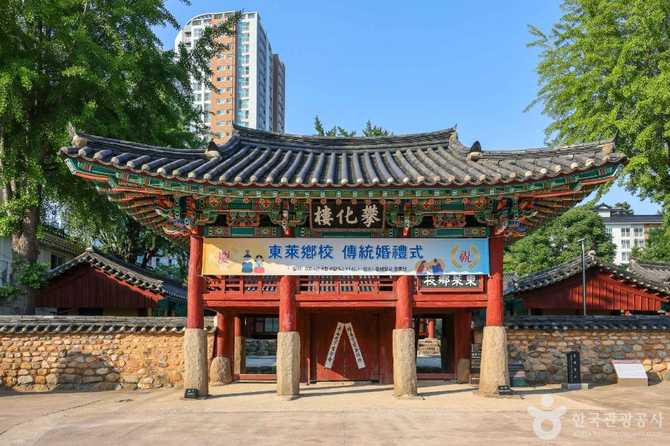
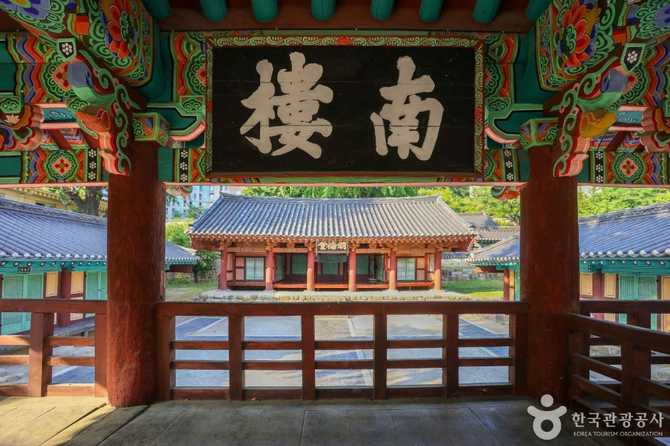
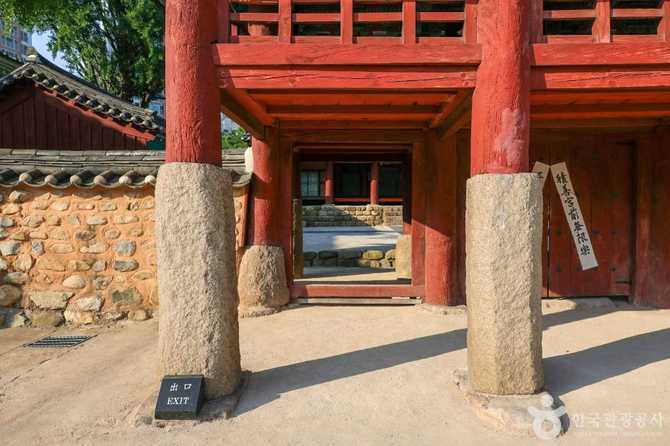
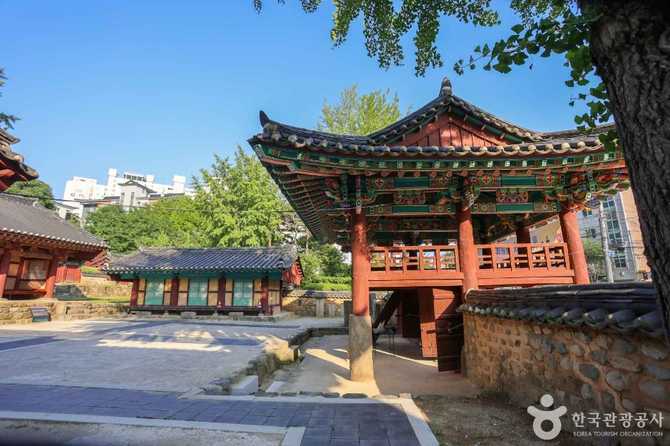
The key structures include Myeongnyundang (lecture hall), Daeungjeon (shrine for ancestral rites), student dormitories (Dongjae & Seojae), and traditional gates (Neomun & Oemun). These buildings reflect traditional Korean Confucian architecture.
Q3: Is there an admission fee to visit Dongnae Hyanggyo?
No, visiting Dongnae Hyanggyo is free of charge. It is open year-round, allowing visitors to explore its historical and cultural sites without any entrance fee.
Q4: How can I get to Dongnae Hyanggyo?
Dongnae Hyanggyo is located at 103 Dongnae-ro, Busan, accessible by bus or subway. There is also free parking available for visitors arriving by car.
Q5: What should I keep in mind when visiting Dongnae Hyanggyo?
Visitors should check for any maintenance or special event closures beforehand. Respect the ceremonial spaces, avoid restricted areas, and dress appropriately for outdoor exploration.
Q6: When is the best time to visit Dongnae Hyanggyo?
Since it is open 24/7, you can visit at any time. For outdoor photography and pleasant weather, visiting during spring or autumn is recommended, but always check for special events or holidays.
Final Thoughts on Visiting Dongnae Hyanggyo in Busan
Exploring Dongnae Hyanggyo in Busan offers a unique opportunity to immerse yourself in Korea’s rich cultural and educational history. As one of the oldest Confucian academies in the region, this historic site embodies Korea’s dedication to traditional learning, ceremonial rites, and architectural beauty. Whether you are a history enthusiast, a cultural explorer, or simply seeking a peaceful place to appreciate Korea’s heritage, Dongnae Hyanggyo provides an authentic experience that connects the past with the present.
The site’s well-preserved buildings, such as the Myeongnyundang lecture hall and Daeungjeon shrine, showcase traditional Korean architecture and craftsmanship. Visiting this cultural heritage site is not only a step back in time but also an educational journey that highlights Korea’s long-standing Confucian traditions. With free admission and year-round access, Dongnae Hyanggyo is a must-visit destination for travelers interested in Korea’s history, culture, and educational legacy.
To ensure a smooth and meaningful visit, plan ahead by checking the official website or contacting the site at 051-552-4160 for any updates on maintenance or special events. Remember to respect the site’s sanctity, follow local etiquette, and enjoy the tranquil atmosphere of this historic Confucian academy. Visiting Dongnae Hyanggyo in Busan will enrich your understanding of Korea’s cultural fabric and leave you with lasting memories of Korea’s traditional educational and ceremonial practices. Make sure to include this important cultural heritage site in your travel itinerary to experience Korea’s history firsthand.