
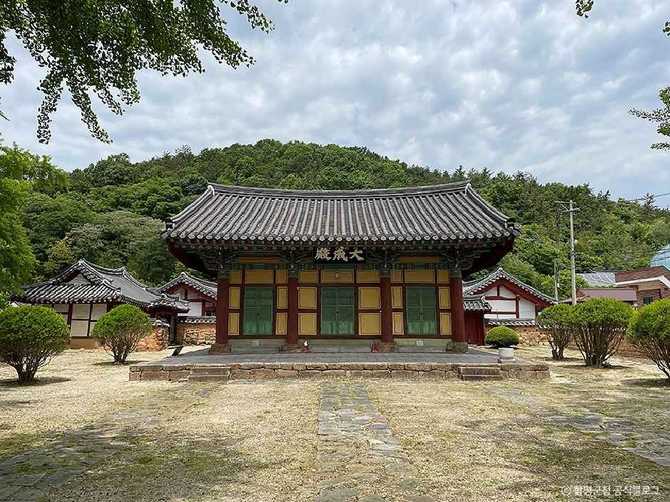
출처 : ⓒ한국관광콘텐츠랩 또는 ⓒ한국관광공사
Discover the Rich History of Hampyeong Hyanggyo: Korea’s Traditional Confucian Academy
Location 전남광주통합특별시 함평군 대동면 대동길 45
Location 전남광주통합특별시 함평군 대동면 대동길 45
Are you interested in experiencing Korea’s cultural heritage firsthand? Visiting Hampyeong Hyanggyo offers a unique opportunity to explore a historic Confucian school that has played a vital role in Korea’s educational and cultural history since the Joseon Dynasty. This article provides comprehensive insights into the history, architecture, cultural significance, and visitor information of Hampyeong Hyanggyo, ensuring you have all the details needed for an enriching visit.
Hampyeong Hyanggyo stands as a testament to Korea’s traditional educational institutions, dating back to the late 16th century. Recognized as a designated cultural heritage site, it embodies traditional Korean architecture and reflects the enduring values of Confucianism that shaped Korea’s society for centuries. Whether you are a history enthusiast, a student of architecture, or a traveler seeking cultural immersion, understanding the significance of Hampyeong Hyanggyo enhances your appreciation of Korea’s rich cultural tapestry.
At a glance
- Who this is for
-
- Visitors interested in Korean traditional culture and history
- Researchers and students studying architecture or Confucian education
- Travelers exploring regional cultural heritage sites
- Key takeaways
-
- Founded in the late 16th century, rebuilt in 1597
- Designated as a cultural heritage site in 1985
- Features traditional Korean architecture like the Daeungjeon Hall
- Operates mainly for cultural ceremonies and educational events
- Located in Hampyeong-gun, Jeollanam-do, South Korea
- Tips & cautions
-
- Some buildings may be under restoration; check before visiting
- Follow cultural heritage guidelines during your visit
- Respect the site’s cultural and historical significance
- Bottom line
- Hampyeong Hyanggyo is a vital cultural heritage site where visitors can experience Korea’s traditional educational and architectural legacy.
Hampyeong Hyanggyo, located in Hampyeong County, Jeollanam-do, South Korea, is a historic Confucian academy that has preserved Korea’s educational traditions for over four centuries. Built during the Joseon Dynasty, it served as a local school for cultivating Confucian scholars and promoting moral values. Today, it stands as a designated cultural heritage site, offering visitors a glimpse into Korea’s rich history, traditional architecture, and ongoing cultural practices.
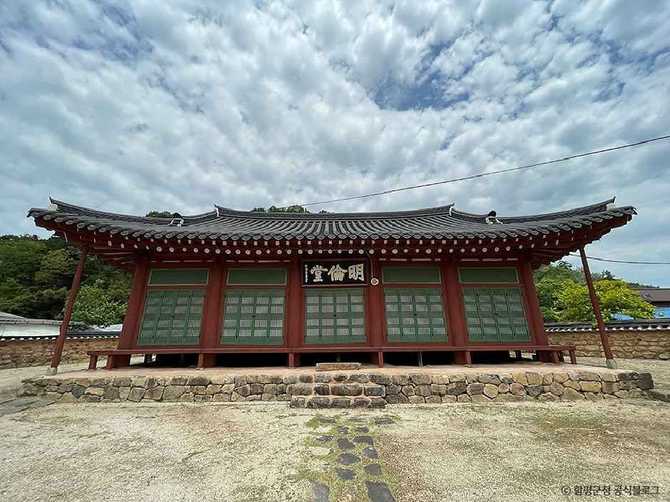
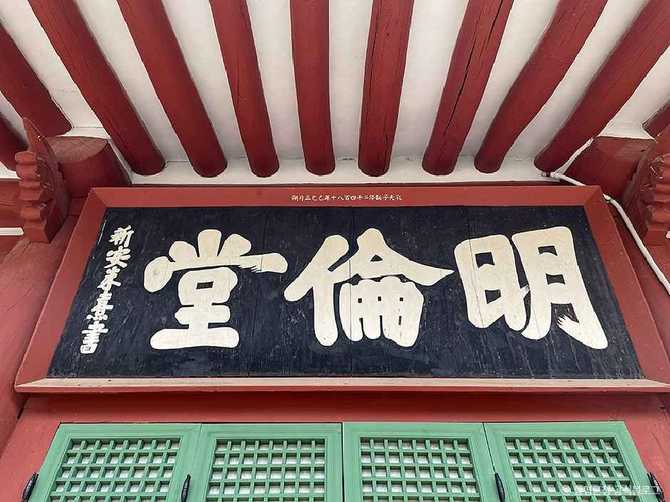
Visiting Hampyeong Hyanggyo provides an immersive experience into Korea’s cultural roots. The site features well-preserved buildings such as the Daeungjeon (Main Hall), Myeongnyundang (Lecture Hall), and various ancillary structures, all arranged in a traditional layout that emphasizes harmony and respect for Confucian principles. While the site’s primary function now revolves around cultural ceremonies and educational programs, it continues to serve as a symbol of Korea’s enduring cultural identity.
If you are planning a trip to Korea and wish to deepen your understanding of its traditional values and architecture, Hampyeong Hyanggyo is a must-visit destination. This article offers detailed information about its history, architectural features, cultural significance, and practical visitor tips to help you make the most of your visit.
Overview of Hampyeong Hyanggyo: Korea’s Traditional Confucian Academy
Hampyeong Hyanggyo is a historic Confucian school located in Hampyeong-gun, Jeollanam-do, South Korea. Established during the Joseon Dynasty, it served as an educational institution for cultivating local scholars and promoting Confucian values in the region. Recognized as a designated cultural heritage site, Hampyeong Hyanggyo embodies traditional Korean architecture and reflects the enduring principles of Confucianism that have shaped Korea’s educational and social systems for centuries. Today, it remains a vital cultural landmark, offering visitors a glimpse into Korea’s rich educational history and architectural heritage.

The academy’s founding dates back to the late 16th century, with significant reconstruction efforts in 1597. Its layout follows traditional Confucian educational principles, featuring a main hall, lecture spaces, and auxiliary buildings arranged in a harmonious manner. The site’s architecture showcases classic Korean wooden construction, with iconic features such as the Daeungjeon (Main Hall) with its characteristic tiled roof and wooden beams. As a cultural heritage site designated in 1985, Hampyeong Hyanggyo is protected under South Korea’s cultural preservation laws, ensuring its historical and architectural integrity for future generations.
Visiting Hampyeong Hyanggyo provides an immersive experience into Korea’s Confucian traditions. The site is active during cultural ceremonies, especially during the spring and autumn rites, where visitors can observe traditional rituals and participate in educational programs. Its significance lies not only in its architecture but also in its role in fostering moral education and cultural continuity. Whether you are a history enthusiast, a student of Korean culture, or a curious traveler, Hampyeong Hyanggyo offers a meaningful connection to Korea’s past and ongoing cultural practices.
Comparison of Key Architectural Features of Hampyeong Hyanggyo
| Feature | Description | Remarks |
|---|---|---|
| Daeungjeon (Main Hall) | A three-section, gabled roof structure with traditional wooden beams, used for ancestral rites and ceremonies. | Central feature, showcasing traditional Korean architecture. |
| Myeongnyundang (Lecture Hall) | A building dedicated to scholarly lectures and Confucian teachings, typically smaller than the main hall. | Located near the main hall, fostering educational activities. |
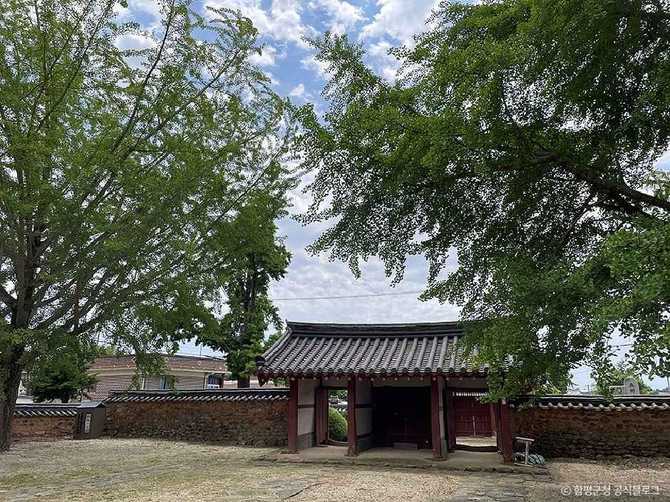
| Entrance Gate (Sammun) | Traditional wooden gate with a tiled roof, serving as the main access point. | Positioned at the front, emphasizing respect and hierarchy. |
| Ancillary Buildings | Includes dormitories (seojae), study rooms, and storage facilities arranged around the main structures. | Reflects traditional Korean courtyard layout. |
Checklist for Visiting Hampyeong Hyanggyo
- Check the opening hours: Typically open during daytime hours, but verify before your visit as some buildings may be under restoration.
- Respect the site’s rules: Follow signage and guidelines to preserve the cultural heritage.
- Participate in cultural programs: Engage in traditional rituals or educational activities if available.
- Bring a camera: Capture the beautiful architecture and scenic surroundings.
- Wear appropriate attire: Dress modestly and comfortably, especially if attending ceremonies.
Current Use and Cultural Events at Hampyeong Hyanggyo
Today, Hampyeong Hyanggyo primarily functions as a cultural heritage site that hosts traditional ceremonies and educational programs, rather than its original role as a Confucian school. The site plays a vital role in preserving Korea’s cultural and educational traditions through various annual events and ongoing cultural activities. Visitors can witness and participate in authentic rituals, especially during the spring and autumn rites, which are significant cultural celebrations rooted in Confucian values. These events also serve as educational opportunities for local residents and tourists alike, fostering a deeper understanding of Korea’s historical and cultural identity.

| Event/Activity | Description | Timing |
|---|---|---|
| Spring and Autumn Rites (Seokjeon) | Traditional Confucian ceremonies honoring ancestors, involving offerings, prayers, and rituals conducted by local scholars and officials. | Held twice a year, typically in April (spring) and October (autumn) |
| Cultural Festivals | Various local cultural festivals include traditional music, dance, and craft demonstrations aimed at promoting Korean heritage. | Occur periodically, mainly during national holidays or local festival seasons |
| Educational Programs | Workshops and guided tours aimed at students and tourists to learn about Confucian teachings and traditional Korean architecture. | Scheduled throughout the year, especially during school vacations and cultural weeks |
| Special Commemorative Events | Occasional events such as lectures, exhibitions, and performances related to Korea’s cultural heritage. | Variable dates, announced in advance by local authorities |
Visitor Checklist for Hampyeong Hyanggyo
- Check the opening hours: The site is generally open during daylight hours. Confirm the schedule before your visit, as some areas may be temporarily closed for maintenance or restoration.
- Respect the cultural site: Follow all signage and guidelines provided on-site to help preserve the integrity of Hampyeong Hyanggyo.
- Participate in activities: Engage in cultural programs or rituals if available, to gain a deeper understanding of Korea’s Confucian traditions.
- Capture memories: Bring a camera to photograph the traditional architecture and scenic surroundings, but avoid taking pictures where prohibited.
- Dress modestly: Wear respectful attire, especially if attending ceremonial events or participating in rituals.
- Plan ahead: Check the official website or contact the local office for the latest information on event schedules and any temporary closures.
Whether you visit during the day or evening, Discover the Rich History of is a meaningful stop on any Seoul itinerary for history-minded travelers.
Frequently Asked Questions (FAQ)
Q1. When was Hampyeong Hyanggyo established?
Hampyeong Hyanggyo was originally founded during the Joseon Dynasty, with significant reconstruction in 1597. Its exact founding date is not clearly recorded, but it has been maintained through various restorations since then.
Q2. What are the main architectural features of Hampyeong Hyanggyo?
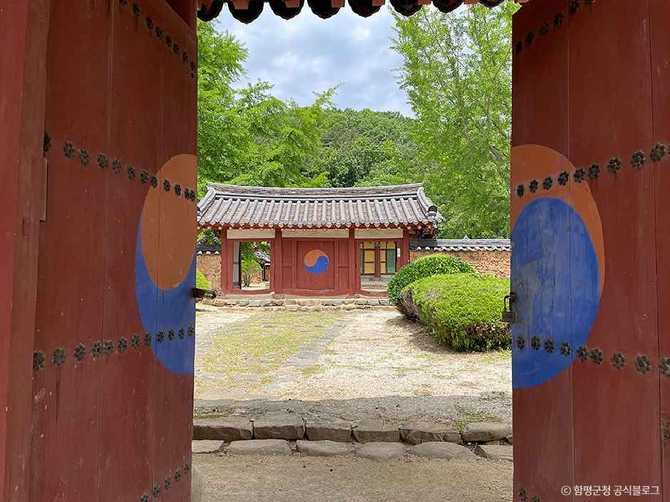
The site features traditional Korean wooden architecture, including the Daeungjeon (Main Hall) with a gabled roof, Myeongnyundang (Lecture Hall), and a traditional entrance gate. Ancillary buildings such as dormitories and study rooms are also part of the layout.
Q3. Is Hampyeong Hyanggyo recognized as a cultural heritage site?
Yes, Hampyeong Hyanggyo was designated as a cultural heritage site on February 25, 1985, and is protected as a designated cultural property under South Korea’s cultural preservation laws.
Q4. What activities are currently held at Hampyeong Hyanggyo?
The site primarily hosts traditional ceremonies such as the spring and autumn rites, along with cultural events and educational programs that promote Confucian values and Korean heritage.
Q5. How can I visit Hampyeong Hyanggyo?
Visitors can reach Hampyeong Hyanggyo by traveling to Hampyeong-gun, Jeollanam-do, and should contact the local cultural office at 061-320-1784 or visit the official website for visiting hours and guidance. Always follow cultural site regulations during your visit.
Q6. What are the architectural characteristics of Hampyeong Hyanggyo?
The architecture follows traditional Korean wooden construction, with features such as tiled roofs, wooden beams, and a layout emphasizing harmony and hierarchy, typical of Confucian educational institutions during the Joseon era.
Experience the Cultural Significance of Hampyeong Hyanggyo
Visiting Hampyeong Hyanggyo offers a rare opportunity to immerse yourself in Korea’s rich cultural and educational heritage. As a historic Confucian academy dating back to the Joseon Dynasty, it embodies traditional Korean architecture and reflects the enduring values of Confucianism that have shaped Korea’s society for centuries. Whether you’re interested in exploring its beautifully preserved buildings, participating in traditional ceremonies, or simply appreciating the tranquil harmony of its layout, Hampyeong Hyanggyo stands as a testament to Korea’s deep-rooted cultural identity.
The site is not only a window into Korea’s past but also a vibrant space where cultural traditions are actively preserved and celebrated through various ceremonies and events. Visiting Hampyeong Hyanggyo allows you to witness authentic rituals, learn about Korea’s educational history, and appreciate the craftsmanship of traditional Korean architecture. Remember to check the visiting hours and any ongoing restoration work before your trip to ensure a smooth experience. Respect for the site and adherence to guidelines will help preserve this invaluable cultural treasure for future generations.
In summary, Hampyeong Hyanggyo is a must-visit destination for anyone eager to deepen their understanding of Korea’s cultural roots. Its historical significance, architectural beauty, and ongoing cultural activities make it a meaningful stop on your journey through Korea’s traditional heritage. By exploring this historic site, you will gain a greater appreciation for Korea’s rich history and the enduring legacy of Confucian values that continue to influence Korean society today. Make sure to include Hampyeong Hyanggyo in your travel plans to experience the timeless beauty and cultural depth of Korea firsthand.