

출처 : ⓒ한국관광콘텐츠랩 또는 ⓒ한국관광공사
Ueumdo Island: Discover Dinosaur Fossils & Natural Beauty in Korea
Location 경기도 화성시 송산면 고정리
Location 경기도 화성시 송산면 고정리
Are you interested in exploring a unique destination where natural landscapes meet ancient history? Ueumdo Island in Korea offers an extraordinary experience with its fascinating dinosaur fossils and stunning scenery. Whether you’re a history enthusiast, nature lover, or curious traveler, this remarkable island provides a perfect blend of geological wonders and scenic tranquility. Discover why Ueumdo Island is a must-visit attraction for international visitors seeking an educational and scenic adventure.
Located in Hwaseong City, Gyeonggi Province, Ueumdo is renowned for its rich prehistoric heritage, including over 30 dinosaur egg fossils and more than 200 individual eggs, dating back approximately 100 million years to the Cretaceous period. Originally an island, it was connected to the mainland through land reclamation projects, making it accessible for visitors year-round. The island’s unique topography resembles a cow’s shape, adding to its charm and distinctiveness.
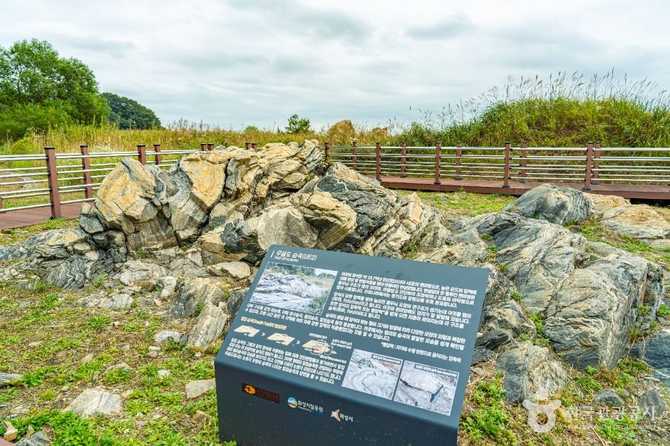
This destination offers travelers the chance to walk amidst ancient relics while enjoying picturesque views of the surrounding natural environment. Visitors can take memorable photos, learn about the prehistoric era, and appreciate Korea’s efforts in preserving its natural and archaeological heritage. Best of all, Ueumdo Island is free to visit and open throughout the year, making it a convenient and enriching addition to your travel itinerary in Korea.
At a glance
- Who this is for
-
- Travelers interested in natural scenery and geology
- History enthusiasts and students of paleontology
- Tourists seeking free, accessible attractions in Korea
- Nature lovers wanting scenic outdoor experiences
- Key takeaways
-
- Over 30 dinosaur egg fossils and 200 individual eggs discovered
- Fossils date back approximately 100 million years to the Cretaceous period
- Originally an island, now connected to the mainland via land reclamation
- Free admission, open year-round for visitors
- Natural scenery and archaeological relics harmoniously coexist
- Tips & cautions
-
- Strictly no fossil collection or removal allowed to protect the site
- Follow designated pathways and safety signs during exploration
- Keep the environment clean; dispose of trash properly
- Check transportation options and parking availability beforehand
- Bottom line
- Ueumdo Island offers a unique blend of natural beauty and prehistoric history, making it a must-visit destination for international travelers in Korea.
Welcome to our detailed guide on Ueumdo Island, a captivating destination in Gyeonggi Province, Korea. This island is a treasure trove of natural and archaeological wonders, especially famous for its dinosaur fossils from the Cretaceous period. Whether you are planning a day trip or an educational excursion, understanding the key features and visiting tips will help you make the most of your experience.
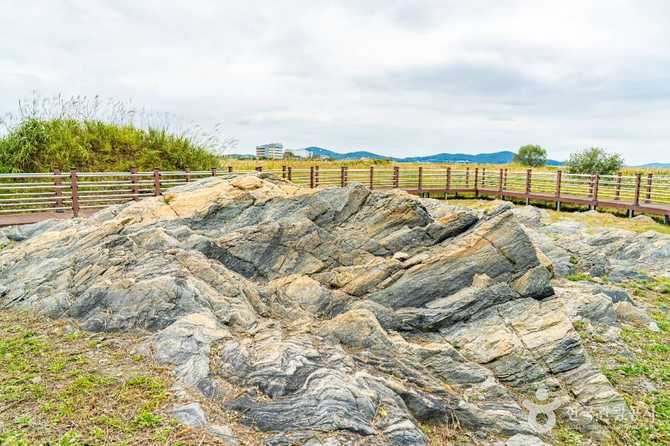
In this guide, you’ll find essential information about the island’s geological significance, how to visit, safety precautions, and recommended activities. Ueumdo’s scenic landscapes and ancient fossils create a truly immersive environment where visitors can connect with Korea’s natural and prehistoric past. Prepare to explore a site where history and nature come together in harmony, providing a memorable journey for all ages.
Ueumdo Island Overview and Natural Scenery
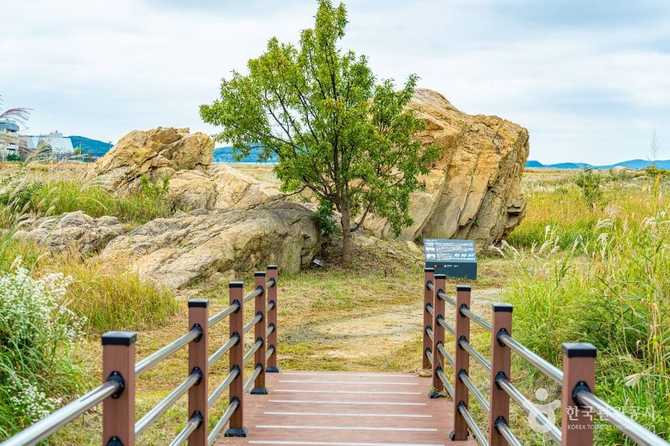
Ueumdo Island, located in Hwaseong City, Gyeonggi Province, is a fascinating destination where natural beauty and prehistoric heritage come together. The name “Ueumdo” is derived from the island’s shape, which resembles a cow (牛), and it has a unique history of transformation from an island to a land-connected site through land reclamation projects. Today, Ueumdo is renowned for its remarkable geological features and its significance as a site where dinosaur fossils, particularly from the Cretaceous period, have been discovered. These fossils include over 30 dinosaur egg fossils and more than 200 individual eggs, estimated to be around 100 million years old, making it a globally recognized paleontological site.
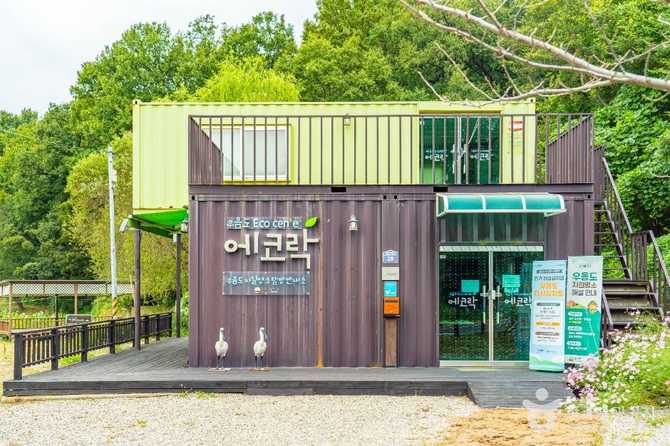
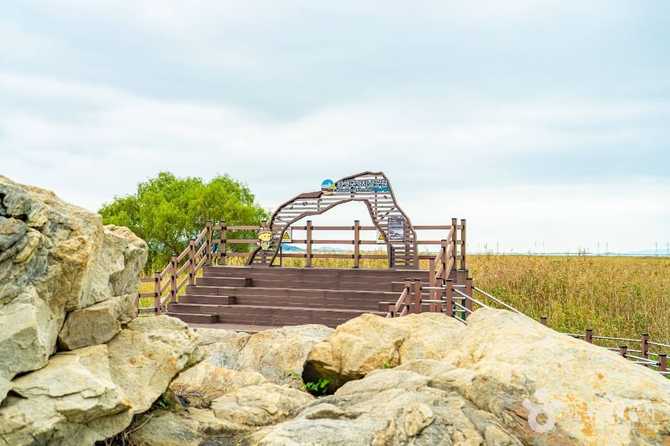
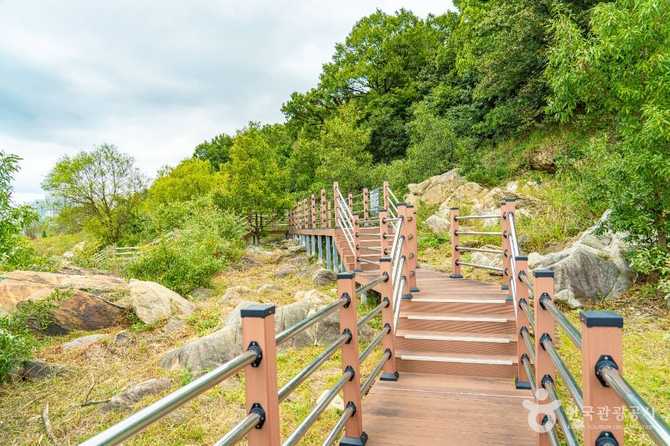
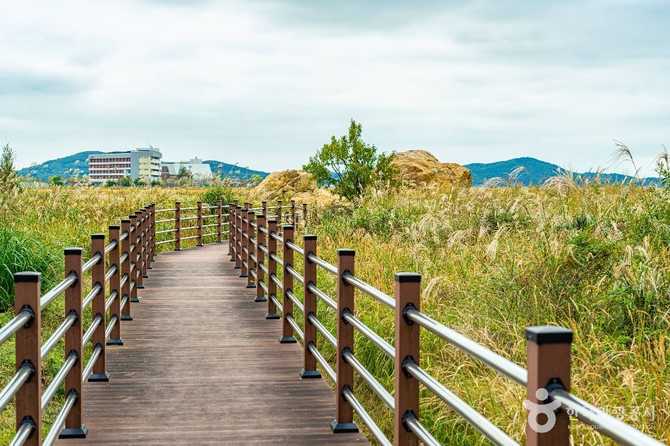
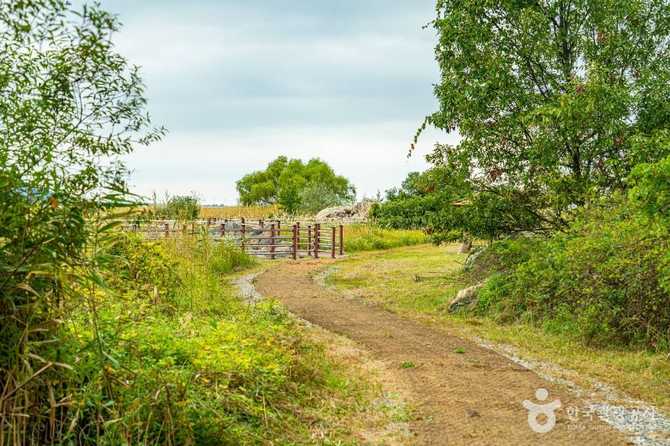
The island’s topography features rugged coastlines, scenic walking paths, and open spaces that allow visitors to enjoy the natural environment while exploring the historical relics. Its distinctive landscape, shaped by geological processes over millions of years, offers stunning views and photo opportunities. Because Ueumdo is now connected to the mainland, visitors can easily access the site by vehicle or on foot, making it a convenient yet extraordinary destination for nature and history enthusiasts alike.
Beyond its scenic appeal, Ueumdo provides an educational glimpse into Korea’s prehistoric past. The fossils discovered here are believed to be from the mid-Cretaceous period, offering insights into the ancient ecosystems that once thrived in this region. The site is carefully protected to preserve its natural and archaeological integrity, and visitors are encouraged to enjoy the scenery responsibly. Best of all, Ueumdo is open year-round and free of charge, welcoming travelers from around the world to experience its unique blend of natural beauty and historical significance.
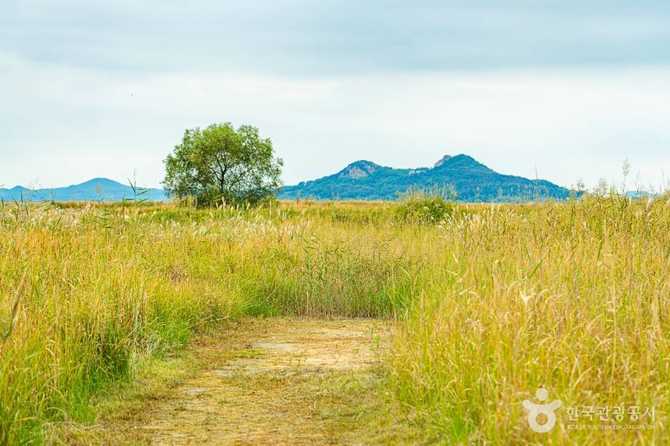
Comparison of Dinosaur Fossil Discovery and Historical Significance
| Feature | Details | Remarks |
|---|---|---|
| Type of Fossils | Dinosaur eggs, eggs nests | Approximately 30+ fossils and 200+ eggs |
| Estimated Age | Around 100 million years (Cretaceous period) | Significant for understanding mid-Cretaceous ecosystems |
| Discovery Location | Near Ueumdo Island, Korea | Site protected for scientific research and tourism |
| Historical Significance | Provides crucial insights into dinosaur nesting behaviors and habitat | Recognized as a key paleontological site in Korea and internationally |
| Protection Status | Designated as a protected archaeological site | Strict regulations against fossil collection to preserve the site |
Visitor Information & Essential Tips for Visiting Ueumdo Island
- Accessibility: Ueumdo is accessible year-round, with no admission fee. Visitors can reach the island by car or walk from nearby parking areas.
- Best Visiting Time: The site can be visited any time of the year, but spring and autumn offer the most pleasant weather for outdoor exploration.
- Transportation Tips: Check local transportation schedules and parking options before your visit to ensure smooth access.
- Photography: The scenic landscapes and fossils provide excellent photo opportunities. Remember to carry your camera or smartphone.
- Guided Tours: Consider joining guided tours for detailed explanations of the fossils and site history, especially if you want a deeper understanding.
Precautions & Environmental Conservation at Ueumdo
Ueumdo Island’s natural and archaeological treasures require careful preservation. Visitors must adhere to specific guidelines to ensure the protection of its unique fossils and pristine environment. Following these precautions helps maintain the site’s integrity for future generations and supports ongoing scientific research.
- Fossil Protection: Strictly refrain from collecting, touching, or removing any fossils or artifacts. Unauthorized collection is prohibited by law and can lead to legal penalties.
- Environmental Care: Dispose of trash properly in designated bins. Avoid littering, and do not damage plants or natural features.
- Respect Signage and Barriers: Follow all posted signs and stay within designated pathways. Do not enter restricted areas to prevent environmental disturbance or personal injury.
- Wildlife and Vegetation: Do not disturb local wildlife or pick plants. Preserve the natural habitat for the benefit of ecosystems and future visitors.
- Safety Precautions: Wear appropriate footwear, carry sun protection, and stay hydrated during outdoor activities. Be cautious of uneven terrain and coastal areas.
Implementing these precautions ensures that Ueumdo remains a safe, pristine, and scientifically valuable site. Visitors’ cooperation in environmental conservation is essential to sustain its natural beauty and archaeological significance.
Recommended Activities & Post-Visit Suggestions on Ueumdo
- Photography: Capture the scenic coastal landscapes, fossil sites, and panoramic views to create memorable keepsakes of your visit.
- Nature Walks: Explore designated trails around the island to enjoy the diverse natural scenery and fresh sea air.
- Visit Local Markets and Shops: Purchase regional souvenirs, such as local crafts or specialty foods, to support nearby communities.
- Enjoy Local Cuisine: Dine at nearby restaurants offering regional dishes, including fresh seafood and traditional Korean meals.
- Environmental Cleanup: Participate in or organize small-scale cleanup activities to help preserve the natural environment after your visit.
- Educational Engagement: Share your experience and knowledge about the fossils and natural environment with friends and family, fostering awareness and appreciation.
Frequently Asked Questions (FAQ)
Q1: What is Ueumdo Island known for?
Ueumdo Island is famous for its discovery of dinosaur egg fossils, with over 30 fossils and 200 eggs from the Cretaceous period. It is a significant archaeological site that offers a unique combination of natural scenery and prehistoric history.
Q2: What types of fossils have been found on Ueumdo?
Fossils include dinosaur eggs and eggs nests, estimated to be around 100 million years old. These fossils provide important insights into dinosaur nesting behaviors and habitat during the mid-Cretaceous era.

Q3: When is the best time to visit Ueumdo Island?
Ueumdo is accessible year-round and can be visited at any time. Spring and autumn are recommended for pleasant weather, but the site is open throughout all seasons for exploration.
Q4: Is there an entrance fee to visit Ueumdo?
No, Ueumdo is free to visit and open to the public all year long, making it an accessible destination for travelers interested in geology and natural scenery.
Q5: What precautions should visitors take when visiting Ueumdo?
Visitors must refrain from collecting or disturbing fossils, follow safety signs, and dispose of trash properly. Protecting the natural environment and archaeological site is essential for preservation.
Q6: What activities can visitors enjoy at Ueumdo?
Visitors can take photos of fossils and scenic landscapes, walk along natural trails, and enjoy the coastal views. Nearby local shops and restaurants are also recommended for experiencing regional cuisine.
Final Thoughts on Ueumdo Island: A Unique Destination for Nature and History Enthusiasts
Visiting Ueumdo Island offers a rare opportunity to immerse yourself in Korea’s rich natural and prehistoric heritage. This remarkable site seamlessly combines stunning landscapes with fascinating archaeological discoveries, making it a must-visit for travelers interested in geology, paleontology, and scenic outdoor experiences. Whether you’re exploring the rugged coastlines, capturing photos of the picturesque scenery, or learning about the ancient dinosaur eggs and nests, Ueumdo provides a meaningful connection to the Earth’s distant past.
Remember that this destination is open year-round and free of charge, allowing everyone to enjoy its unique features without worry about admission fees. Respectful behavior is essential to preserve its natural beauty and archaeological significance—strictly avoid collecting fossils or damaging the environment. By following the guidelines and safety tips, you can ensure a safe and responsible visit that contributes to the ongoing preservation of this extraordinary site.
In conclusion, Ueumdo Island stands out as a distinctive travel destination where natural scenery and ancient history come together. It offers an educational and scenic experience that enriches your understanding of Korea’s prehistoric past while providing a peaceful escape into nature. Whether for a day trip or a deeper exploration, this island promises memorable moments and valuable insights into our planet’s ancient ecosystems. Plan your visit with care, respect the environment, and enjoy this exceptional site that beautifully showcases Korea’s geological and archaeological treasures.