
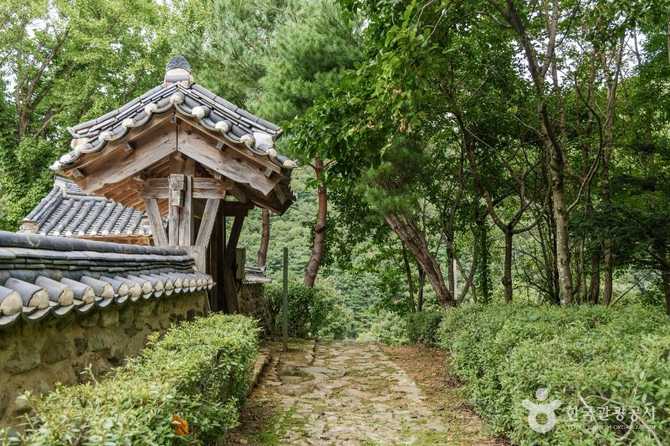
출처 : ⓒ한국관광콘텐츠랩 또는 ⓒ한국관광공사
Discover Seobyeokjeong: A Historic Landmark in Mudeo Guchon-dong
Location 전북특별자치도 무주군 설천면 구천동로 1868-30
Location 전북특별자치도 무주군 설천면 구천동로 1868-30
Explore the rich history and traditional Korean architecture of Seobyeokjeong, a cultural heritage site that embodies the spirit of loyalty and the beauty of nature in Korea.
At a glance
- Who this is for
-
- Travelers interested in Korean history and traditional architecture
- History enthusiasts wanting to learn about Joseon-era figures
- Nature lovers seeking scenic cultural sites in Mudeo Guchon-dong
- Tourists exploring Korea’s cultural heritage and scenic landscapes
- Key takeaways
-
- Seobyeokjeong was built in the late Joseon Dynasty as a noble residence.
- It is associated with patriot Song Byeong-seon, a loyalist of the late Joseon period.
- The site features traditional Hanok architecture, reconstructed after a fire in 1891.
- Surrounded by the scenic Guchon-dong natural landscape, blending history and nature.
- Designated as a cultural heritage site protected by the local government.
- Tips & cautions
-
- Respect the natural environment and avoid damaging the site.
- Check weather and opening hours before visiting.
- Refrain from littering and follow preservation guidelines.
- Bottom line
- Seobyeokjeong offers a unique glimpse into Korea’s Joseon history and traditional architecture amidst beautiful natural scenery.
Are you interested in exploring Korea’s rich cultural heritage and traditional architecture? If so, Seobyeokjeong in Mudeo Guchon-dong is a must-visit historical site that beautifully combines Korea’s ancient history with stunning natural landscapes. Located at 1868-30 Guchon-dong-ro, Seolcheon-myeon, Mudeo-gun, Jeollabuk-do, this site offers visitors a chance to step back in time and experience the spirit of loyalty and patriotism embodied by the late Joseon figure Song Byeong-seon.
Seobyeokjeong is more than just a traditional Korean Hanok; it is a cultural symbol that reflects the architectural style and social values of the late Joseon Dynasty. The site’s history is intertwined with Korea’s turbulent period of modernization and national struggle, making it an important educational and cultural resource. Whether you are a history enthusiast, a lover of Korean architecture, or someone seeking scenic tranquility, Seobyeokjeong provides a meaningful experience that combines history, architecture, and natural beauty.
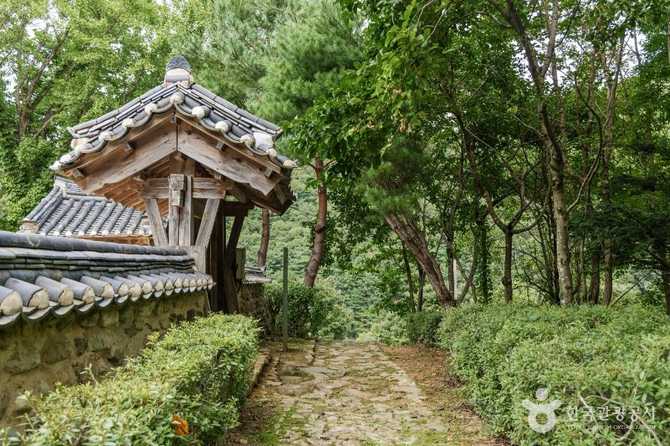
Visiting Seobyeokjeong not only allows you to appreciate traditional Korean construction but also offers insights into the life of patriot Song Byeong-seon, who demonstrated unwavering loyalty to his country during a time of national crisis. The site was reconstructed in 1891 after a devastating fire and played a role during the Korean War, further adding to its historical significance. Today, it is protected as a cultural asset by the local authorities, ensuring its preservation for future generations.
Plan your visit to Seobyeokjeong with confidence by reviewing the key information and tips provided. From understanding its historical background to respecting its natural surroundings, every step helps preserve this precious cultural heritage. Whether you are exploring solo, with family, or as part of a cultural tour, Seobyeokjeong promises a rewarding experience that combines Korea’s noble past with its breathtaking natural scenery.
Seobyeokjeong’s History and Architectural Style
Seobyeokjeong, located in the scenic Guchon-dong area of Mudeo, is a historically significant site that exemplifies traditional Korean architecture from the late Joseon Dynasty. Built in the late 19th century, this structure was originally constructed as a noble residence reflecting the social and cultural values of the period. The architecture of Seobyeokjeong embodies the elegance and functionality of traditional Hanok buildings, which were designed to harmonize with Korea’s natural environment and climate.

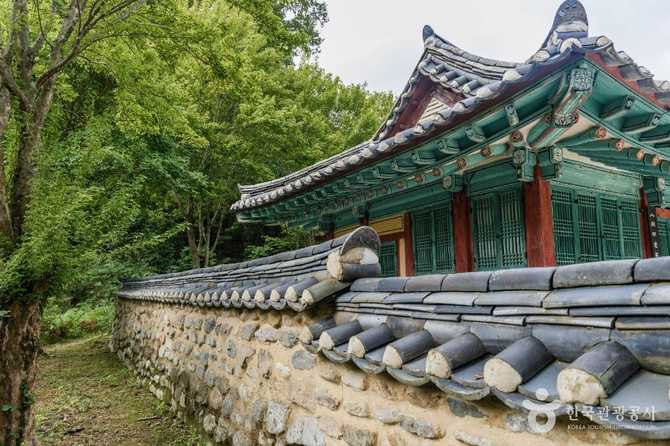
The building is constructed on a stone foundation, which provides stability and protection against moisture. Its main structure features a wooden frame with a distinctive paljak (hip-and-gable) roof, characterized by gracefully curved eaves that extend outward, offering shade and protection from the elements. The layout includes a front yard, living quarters, and auxiliary spaces, all arranged to facilitate social interactions and daily activities of the noble class during the Joseon era.
Notably, Seobyeokjeong was reconstructed in 1891 after a devastating fire, preserving its traditional architectural features while adapting to the needs of its time. The design emphasizes symmetry and balance, with a focus on harmony between indoor and outdoor spaces. The building’s wooden beams and lattice windows showcase the craftsmanship of Korean artisans, and the overall aesthetic reflects the Confucian ideals of modesty, harmony, and respect for nature.
Today, Seobyeokjeong stands as a valuable cultural asset, offering visitors a glimpse into the architectural ingenuity and social history of late Joseon Korea. Its unique design not only highlights traditional construction techniques but also symbolizes the enduring cultural identity of Korea. As a protected cultural heritage site, it continues to inspire appreciation for Korea’s historical architecture and the values it represents.
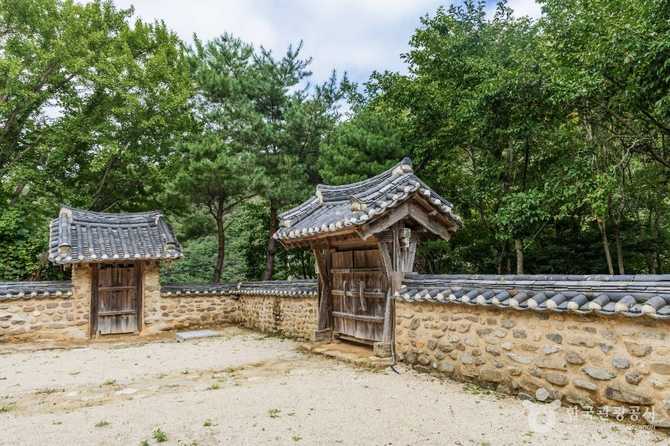
Restoration and Current Preservation of Seobyeokjeong
Since its reconstruction in 1891, Seobyeokjeong has been carefully maintained and protected as an important cultural heritage site. Despite suffering damage from a fire in the past, continuous efforts have been made to restore and preserve its traditional architecture, ensuring that its historical integrity remains intact. The site is now under the official protection of Mudeo County, which implements various measures to safeguard the structure and surrounding natural environment.
The current preservation activities include:
| Preservation Activity | Details |
|---|---|
| Regular Maintenance | Scheduled inspections and repairs to maintain structural integrity. |
| Fire Prevention Measures | Installation of fire detection and suppression systems. |
| Natural Environment Conservation | Protection of surrounding forests and water sources to preserve scenic beauty. |
| Visitor Management | Guidelines and restrictions to prevent damage from tourism activities. |
| Educational Programs | Hosting workshops and informational sessions to promote awareness of preservation efforts. |
Visitor Information and Important Tips
To ensure a respectful and enjoyable visit to Seobyeokjeong, please follow these important tips and guidelines:
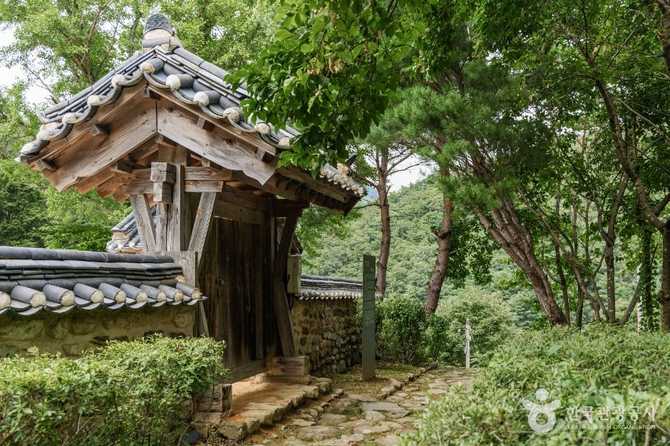
- Respect the natural environment: Stay on designated paths and avoid damaging plants or structures.
- Check weather and operational hours: Visit during daylight hours and verify opening times before your trip.
- Avoid littering: Carry trash with you and dispose of it properly to keep the site pristine.
- Maintain silence and decorum: Preserve the peaceful atmosphere by speaking quietly and refraining from disruptive behavior.
- Manage personal belongings: Keep personal items and photography equipment secure and avoid touching or climbing on the structures.
- Plan your visit seasonally: Guchon-dong’s natural scenery varies with seasons; spring and autumn offer particularly scenic views.
- Follow signage and guidelines: Pay attention to instructions from staff and posted notices to ensure safety and preservation.
Whether you visit during the day or evening, Discover Seobyeokjeong is a meaningful stop on any Seoul itinerary for history-minded travelers.
Frequently Asked Questions (FAQ)
Q1: When was Seobyeokjeong originally built?
An: Seobyeokjeong was constructed in the late 19th century during the late Joseon Dynasty, specifically reconstructed in 1891 after a fire.
Q2: Who was Song Byeong-seon and why is he significant?
An: Song Byeong-seon was a patriot and scholar during the late Joseon period, known for his loyalty and resistance to Japanese influence. He committed suicide to uphold his principles after the Eulsa Treaty was signed.
Q3: What are the main architectural features of Seobyeokjeong?
An: Seobyeokjeong features traditional Hanok architecture with a wooden structure, a paljak (hip-and-gable) roof, and a layout that includes a front yard and living quarters, reflecting late Joseon design principles.
Q4: How does the natural landscape enhance the historical site?
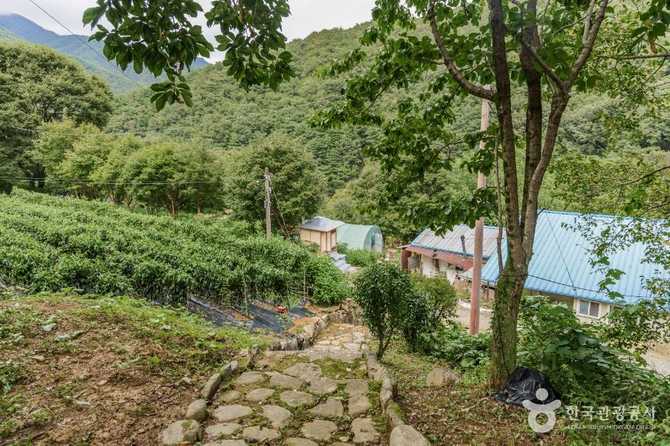
An: The site is surrounded by the scenic Guchon-dong area, with clear streams, lush forests, and mountain views that create a harmonious backdrop for Seobyeokjeong, emphasizing the integration of nature and traditional architecture.
Q5: What preservation efforts are currently in place for Seobyeokjeong?
An: The site is protected as a cultural heritage by Mudeo County, with ongoing maintenance, structural repairs, fire prevention measures, and natural environment conservation activities to ensure its longevity.
Q6: What should visitors keep in mind when visiting Seobyeokjeong?
An: Visitors should stay on designated paths, avoid damaging the structures or environment, respect the peaceful atmosphere, and check weather and opening hours beforehand to ensure a safe and respectful visit.
Experience the Timeless Charm of Seobyeokjeong in Mudeo Guchon-dong
Visiting Seobyeokjeong offers a unique opportunity to immerse yourself in Korea’s rich history and traditional architecture. This historic site, nestled within the stunning natural landscape of Guchon-dong, is more than just a relic of the past; it is a living testament to Korea’s cultural heritage and the enduring spirit of patriotism embodied by figures like Song Byeong-seon. As you explore the beautifully reconstructed Hanok structure, you will gain insights into the architectural ingenuity of the late Joseon Dynasty, characterized by elegant wooden craftsmanship and harmonious integration with nature. The surrounding scenery, with lush forests and tranquil streams, perfectly complements the historical ambiance, creating a peaceful environment for reflection and learning. Whether you are a history enthusiast, architecture lover, or someone seeking serene natural beauty, Seobyeokjeong provides a meaningful experience that connects Korea’s past with its natural splendor. Remember to check the visitor tips and preservation guidelines to help protect this precious cultural asset for future generations. Plan your visit carefully to fully enjoy the historical significance and scenic tranquility of this remarkable site, and take home a deeper appreciation for Korea’s rich cultural legacy. Exploring Seobyeokjeong in Mudeo Guchon-dong promises an enriching journey into Korea’s noble history and traditional architecture, making it an essential stop for anyone interested in Korea’s cultural and natural heritage.