

출처 : ⓒ한국관광콘텐츠랩 또는 ⓒ한국관광공사
Discover Goesan Hyanggyo: Korea’s Historic Confucian Academy
Location 충청북도 괴산군 괴산읍 서부리
Location 충청북도 괴산군 괴산읍 서부리
Are you interested in exploring Korea’s rich cultural heritage? Visiting Goesan Hyanggyo offers a unique opportunity to experience traditional Confucian architecture and learn about Korea’s educational history. This historic site, located in Goesan County, North Chungcheong Province, is a treasured cultural landmark that embodies centuries of Korea’s Confucian scholarly tradition. Whether you’re a history enthusiast, a student of traditional architecture, or a traveler seeking authentic cultural experiences, Goesan Hyanggyo provides a fascinating glimpse into Korea’s past.
In this guide, you’ll find comprehensive information about Goesan Hyanggyo’s history, architectural features, visiting hours, and tips for a meaningful visit. As a well-preserved Confucian academy established in the 16th century, it continues to serve as a symbol of Korea’s educational and cultural legacy. The site is open year-round, free of charge, making it accessible for all visitors interested in Korean history and traditional architecture.
At a Glance
- Who this is for
-
- Visitors interested in Korea’s Confucian cultural heritage
- History and architecture enthusiasts
- Travelers exploring traditional Korean sites
- Researchers studying Korean historical education
- Anyone seeking free cultural experiences in Korea
- Key takeaways
-
- Established in the 1530s, relocated to its current site in 1587
- Features well-preserved buildings like Dae Seongjeon and Myeongnyundang
- Open all year round with free admission
- Traditional architecture reflecting Korea’s Confucian values
- Located in Goesan County, North Chungcheong Province
- Tips & cautions
-
- Check with local authorities for renovation or event schedules
- Visit during daylight hours for the best experience
- Respect the traditional structures and avoid damage
- Wear appropriate attire when exploring the site
- Use the official contact number for inquiries: 043-830-3432
- Bottom line
- Goesan Hyanggyo offers an authentic, educational experience of Korea’s Confucian heritage, accessible to everyone at no cost.
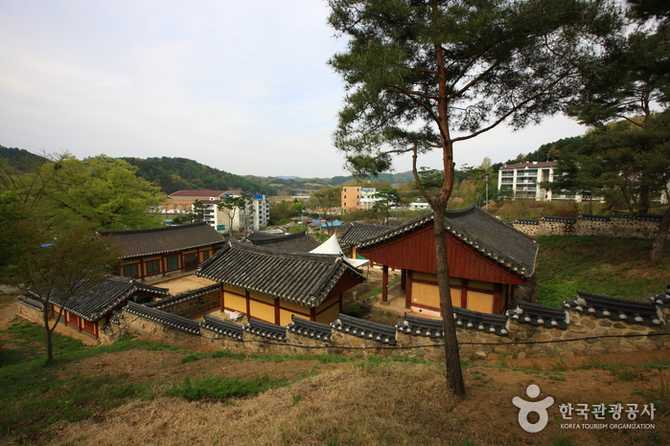
Goesan Hyanggyo is a significant cultural heritage site located in Goesan County, North Chungcheong Province. As a traditional Confucian academy founded in the 16th century, it stands as a testament to Korea’s scholarly and educational traditions. Visitors can explore beautifully maintained buildings such as the Dae Seongjeon (Main Shrine Hall) and Myeongnyundang (Lecture Hall), which showcase traditional Korean architecture and Confucian aesthetics.
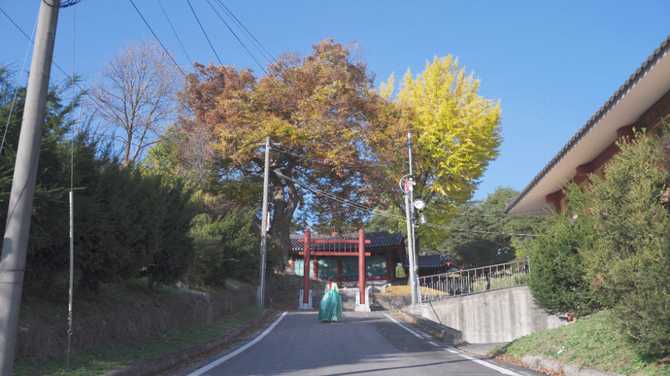
This historic site has played a vital role in regional education and cultural ceremonies for centuries. Today, it remains open year-round, welcoming tourists, students, and researchers alike. Its free admission policy encourages everyone to experience Korea’s rich cultural history firsthand. Whether you’re interested in learning about traditional Confucian rituals or admiring the architecture, Goesan Hyanggyo provides an immersive journey into Korea’s past.
Planning a visit is simple—just check the local contact number for any scheduled renovations or special events. Remember to respect the site’s cultural significance by following guidelines and maintaining proper decorum. With its deep historical roots and well-preserved structures, Goesan Hyanggyo is a must-see destination for those exploring Korea’s traditional heritage.
Goesan Hyanggyo’s History and Origins
Goesan Hyanggyo is a historic Confucian academy located in North Chungcheong Province, South Korea. As one of the country’s well-preserved traditional educational institutions, it embodies Korea’s rich scholarly and cultural heritage. Established initially in the 16th century, around the 1530s, the academy played a vital role in regional education during the Joseon Dynasty. Its primary purpose was to serve as a place for Confucian learning, moral cultivation, and ancestral rites, which were central to Korean society at the time.

The exact founding date of Goesan Hyanggyo remains uncertain, but historical records indicate that it was relocated to its current site in 1530. The academy was reconstructed and expanded in 1587, reflecting the importance placed on Confucian education during the Joseon era. Over the centuries, it underwent several renovations to maintain its structural integrity and historical authenticity. Despite modern developments, the site has retained its original architectural features, including the main shrine hall (Dae Seongjeon) and lecture halls (Myeongnyundang).
Throughout its history, Goesan Hyanggyo served as a hub for local scholars and students, fostering Confucian values and moral discipline. It was also a site for important cultural ceremonies, such as ancestral rites and educational assessments. Today, it stands as a cultural heritage site that offers visitors a glimpse into Korea’s educational traditions during the Joseon Dynasty. Its preservation allows modern visitors to appreciate traditional Korean architecture and understand the historical significance of Confucianism in Korea’s development.
Visiting Goesan Hyanggyo provides an educational experience rooted in history, showcasing the enduring legacy of Korea’s scholarly pursuits. As a designated cultural asset, it continues to symbolize Korea’s commitment to preserving its historical and educational traditions.
Comparison of Key Architectural Features at Goesan Hyanggyo
| Building | Structure & Features | Purpose |
|---|---|---|
| Dae Seongjeon (Main Shrine Hall) | Traditional wooden structure, three bays front, two bays side, with a curved tiled roof. Built in the Joseon style, it houses memorial tablets of Confucian sages. | Ceremonial rites, ancestral worship, and Confucian rituals. |
| Myeongnyundang (Lecture Hall) | Five-bay front, two-bay side structure, with a traditional tiled roof. Used for educational purposes and scholarly gatherings. | Classroom activities, scholarly discussions, and Confucian learning sessions. |
| Dongmu, Seomu, Gyojiksa (Administrative Buildings) | Smaller, matching traditional style, used for administration, staff, and storage. Built with the same wooden and tiled roof aesthetic. | Management of the academy, staff offices, and storage of ritual items. |
Visiting Checklist and Tips for Goesan Hyanggyo
- Check opening hours: The site is open year-round, 24/7, but it’s recommended to visit during daylight hours for better experience.
- Confirm special events: Call the local contact at 043-830-3432 to inquire about any renovations, ceremonies, or temporary closures.
- Wear appropriate attire: Respect the cultural significance by dressing modestly and comfortably.
- Bring essentials: Water, sun protection, and a camera are recommended for a comfortable visit.
- Respect the site: Do not touch or damage the buildings; stay on designated paths to preserve the structures.
Cultural Significance and Preservation of Goesan Hyanggyo
Goesan Hyanggyo holds a prominent place in Korea’s cultural and educational history as a well-preserved example of traditional Confucian architecture and scholarly tradition. Recognized as a cultural heritage asset, it embodies the core values of Confucianism, such as filial piety, moral integrity, and respect for learning. Its architectural features, including the main shrine hall and lecture buildings, reflect the aesthetic principles of the Joseon Dynasty, emphasizing harmony with nature and simplicity in design.
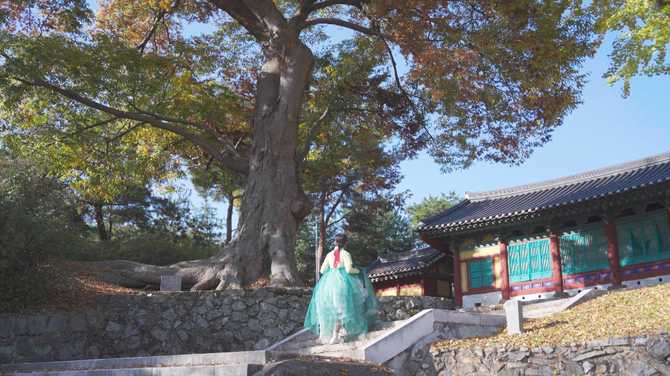
The site’s preservation is vital for maintaining Korea’s historical integrity and educational legacy. It is managed by local authorities and designated as a protected cultural asset, ensuring ongoing conservation efforts. Regular maintenance and restoration work are conducted to prevent deterioration, respecting the original construction techniques and materials. The site also serves as an educational resource, offering insights into traditional Korean architecture, Confucian rituals, and historical educational practices.
Community involvement and government support are crucial for its continued preservation. Educational programs, cultural events, and guided tours are organized periodically to raise awareness about its historical importance. Visitors and locals alike are encouraged to respect and support these efforts, ensuring that future generations can appreciate this valuable cultural relic.
Visitor Guidelines and Tips for Respectful Exploration of Goesan Hyanggyo
- Check opening hours: Although open year-round, verify the current hours and any scheduled closures or special events by contacting the local office at 043-830-3432 before your visit.
- Dress appropriately: Wear modest and comfortable clothing suitable for exploring traditional cultural sites.
- Respect the structures: Do not touch or climb on the buildings, and avoid any actions that could cause damage or deterioration.
- Stay on designated paths: Use marked walkways to prevent wear and tear on the historic grounds and structures.
- Photography etiquette: Photography is generally permitted, but avoid flash photography inside buildings to protect delicate artifacts and tablets.
- Maintain quietness: Keep noise levels low to preserve the peaceful atmosphere, especially during cultural ceremonies or rituals.
- Environmental responsibility: Dispose of trash properly and refrain from littering to help conserve the site’s natural and cultural environment.
- Participate in guided tours: When available, join guided tours to gain deeper insights into the history and architecture of Goesan Hyanggyo.
- Support preservation efforts: Follow all guidelines and support local initiatives aimed at maintaining the site’s integrity for future visitors.
Whether you visit during the day or evening, Discover Goesan Hyanggyo is a meaningful stop on any Seoul itinerary for history-minded travelers.

Frequently Asked Questions (FAQ)
Q1: When was Goesan Hyanggyo originally established?
While the exact founding date is uncertain, historical records indicate that Goesan Hyanggyo was relocated to its current site around 1530 during the Joseon Dynasty. It has since been maintained as a key site for Confucian education and cultural heritage.
Q2: What are the main buildings at Goesan Hyanggyo?
The primary structures include the Dae Seongjeon (Main Shrine Hall), Myeongnyundang (Lecture Hall), and administrative buildings such as Dongmu, Seomu, and Gyojiksa. These buildings follow traditional Korean architectural styles and serve ceremonial and educational purposes.
Q3: Can I visit Goesan Hyanggyo any time of the year?
Yes, Goesan Hyanggyo is open year-round, 24 hours a day, and free of charge. Visitors can explore the site at any time, though daytime visits are recommended for better visibility and experience.
Q4: Are there any special events or renovations to consider before visiting?
It is advisable to contact the local authorities at 043-830-3432 before your visit to confirm if any renovations, ceremonies, or temporary closures are scheduled. Some buildings may be restricted during maintenance or special events.
Q5: What cultural significance does Goesan Hyanggyo hold?
Goesan Hyanggyo is a significant cultural asset representing Korea’s Confucian educational and ritual traditions from the Joseon era. It embodies core Confucian values like filial piety, moral discipline, and respect for learning, preserving Korea’s scholarly heritage.
Q6: How can I plan my visit to Goesan Hyanggyo?
You can contact the local tourism office or visit the official Goesan County website for detailed visiting hours, directions, and event schedules. The site is freely accessible, and no reservation is needed for general visits.
Experience the Rich Heritage of Goesan Hyanggyo
Visiting Goesan Hyanggyo offers a unique opportunity to immerse yourself in Korea’s traditional Confucian culture and historical architecture. As a well-preserved educational institution from the Joseon Dynasty, it provides a tangible connection to Korea’s scholarly past and cultural values. Whether you are a history enthusiast, an architecture lover, or simply a curious traveler, this site presents an authentic experience that is both educational and inspiring.
The best part is that Goesan Hyanggyo is open year-round and free of charge, making it accessible to everyone. Its location in North Chungcheong Province is easy to reach, and the site’s well-maintained buildings, such as the main shrine hall and lecture spaces, showcase traditional Korean architecture at its finest. Remember to check with local authorities before your visit for any scheduled maintenance or special events, ensuring a smooth and enjoyable experience.
A visit to Goesan Hyanggyo not only enriches your understanding of Korea’s educational and cultural history but also allows you to appreciate the beauty of traditional architecture in a peaceful, natural setting. Respect the site’s cultural significance by following guidelines and maintaining proper decorum during your visit. Whether you’re exploring alone, with family, or as part of a cultural tour, this historic Confucian academy promises a meaningful journey into Korea’s rich heritage. Make sure to include Goesan Hyanggyo in your travel plans to experience an essential part of Korea’s cultural landscape firsthand.