
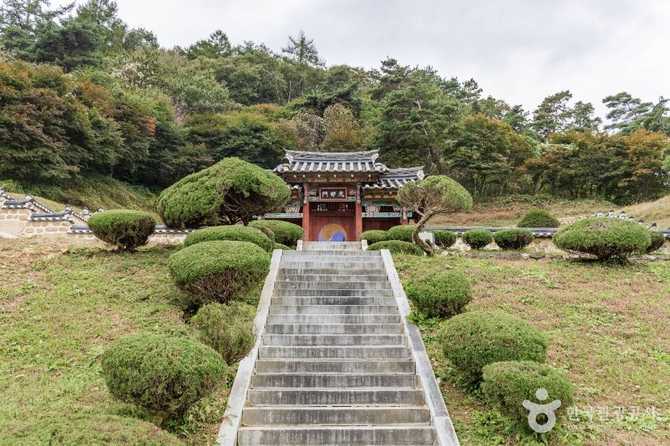
출처 : ⓒ한국관광콘텐츠랩 또는 ⓒ한국관광공사
Discover Goesan Chilchungsa and Pisejeong: Korea’s Heritage of Loyalty and Natural Beauty
Location 충청북도 괴산군 문광면 괴산로 3440-14
Location 충청북도 괴산군 문광면 괴산로 3440-14
Are you interested in exploring Korea’s rich cultural history and stunning natural landscapes? Visiting Goesan Chilchungsa and Pisejeong offers a unique opportunity to experience both the historic significance of loyalty and the serene beauty of traditional Korean architecture and scenery. These sites are perfect for travelers seeking to deepen their understanding of Korea’s cultural heritage while enjoying peaceful natural surroundings.
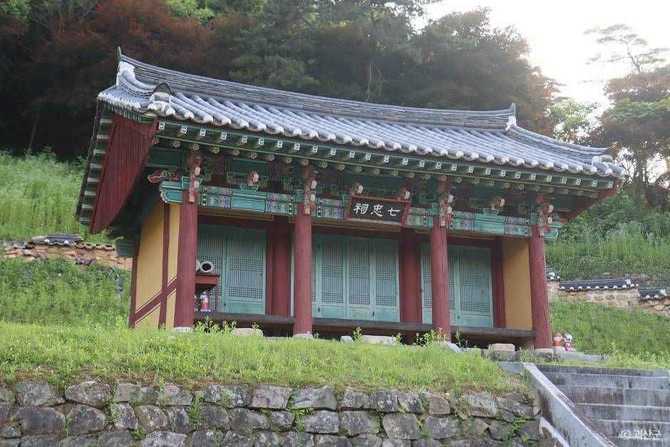
Goesan Chilchungsa and Pisejeong are two remarkable cultural relics located in Chungcheongbuk-do, each embodying Korea’s values of loyalty, respect for nature, and historical preservation. Chilchungsa, a shrine dedicated to seven loyal scholars from the Joseon Dynasty, symbolizes the enduring spirit of fidelity. Meanwhile, Pisejeong, a traditional wooden pavilion, offers visitors a tranquil space to appreciate the region’s natural landscape and historical artifacts. Both sites are open year-round and free to visit, making them accessible destinations for tourists and locals alike.
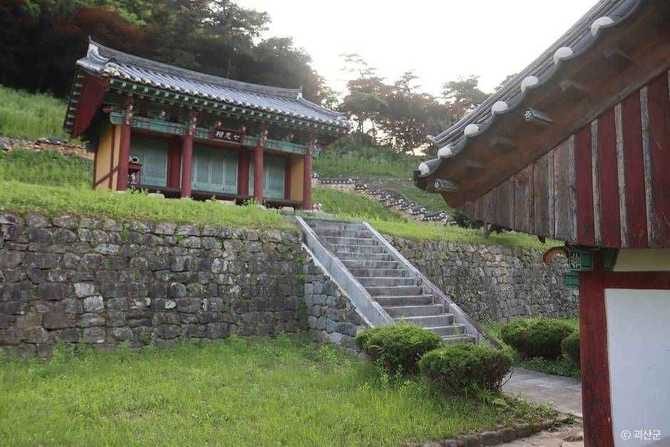
In this guide, we will explore the historical background and cultural importance of Goesan Chilchungsa and Pisejeong, along with practical tips for visiting. Whether you are a history enthusiast, a nature lover, or simply looking for a meaningful cultural experience during your trip to Korea, these sites provide a perfect blend of heritage and scenic beauty. Planning your visit to these sites will allow you to appreciate Korea’s deep-rooted values and natural splendor in one memorable journey.
At a glance
- Who this is for
-
- Travelers interested in Korean history and cultural heritage
- Visitors seeking scenic natural landscapes combined with historical sites
- Tourists planning cultural and heritage-focused trips in Chungcheongbuk-do
- Anyone wanting to learn about Korea’s loyalty and respect for tradition
- Key takeaways
-
- Goesan Chilchungsa honors seven loyal scholars from the Joseon era
- Pisejeong is a traditional wooden pavilion offering scenic views and historical insights
- Both sites are open year-round and free to visit, with easy access and parking
- The sites symbolize Korea’s cultural values of loyalty and harmony with nature
- Visit to deepen understanding of Korea’s cultural and natural heritage
- Tips & cautions
-
- Check weather conditions before visiting, especially for outdoor areas
- Wear respectful attire suitable for historical sites and natural surroundings
- Arrive early or during off-peak hours to avoid crowds, especially in peak seasons
- Use the contact information provided for the latest updates on opening hours
- Be mindful of preserving the natural environment and historical artifacts
- Bottom line
- Goesan Chilchungsa and Pisejeong offer a meaningful experience of Korea’s cultural loyalty and scenic beauty, perfect for enriching your travel journey.
Embarking on a visit to Goesan Chilchungsa and Pisejeong provides a rare chance to connect with Korea’s historical values and enjoy its pristine natural scenery. Located in the scenic Chungcheongbuk-do province, these sites reflect Korea’s deep respect for loyalty, tradition, and harmony with nature. Chilchungsa, established to honor seven loyal scholars from the Joseon Dynasty, stands as a testament to the enduring spirit of fidelity that has shaped Korean culture for centuries. Meanwhile, Pisejeong, a traditional wooden pavilion, offers visitors a peaceful retreat where they can appreciate the region’s natural beauty and historical artifacts.
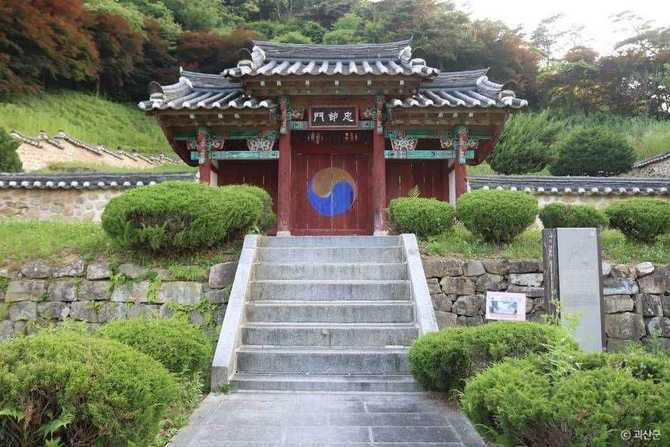
Both sites are easily accessible, open year-round without admission fees, and serve as perfect destinations for cultural explorers and nature lovers alike. Whether you are interested in Korea’s historical stories or simply want to enjoy scenic views in a tranquil setting, Goesan Chilchungsa and Pisejeong are must-visit spots during your trip. This guide will help you understand their significance and prepare for a memorable visit that combines cultural appreciation with natural relaxation.

Overview of Goesan Chilchungsa and Its Historical Significance
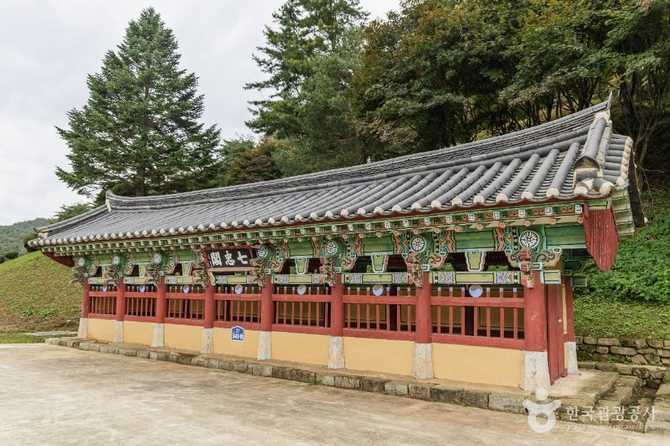
Goesan Chilchungsa is a revered shrine dedicated to honoring seven loyal scholars from the Joseon Dynasty, embodying Korea’s deep-rooted values of loyalty and filial piety. Located in Chungcheongbuk-do, this historical site offers visitors a meaningful glimpse into Korea’s rich cultural heritage. As a symbol of fidelity and moral integrity, Chilchungsa was established in 1975 with a traditional wooden structure that reflects classical Korean architecture. It serves not only as a memorial but also as a place for reflection on the virtues that have shaped Korean society over centuries.
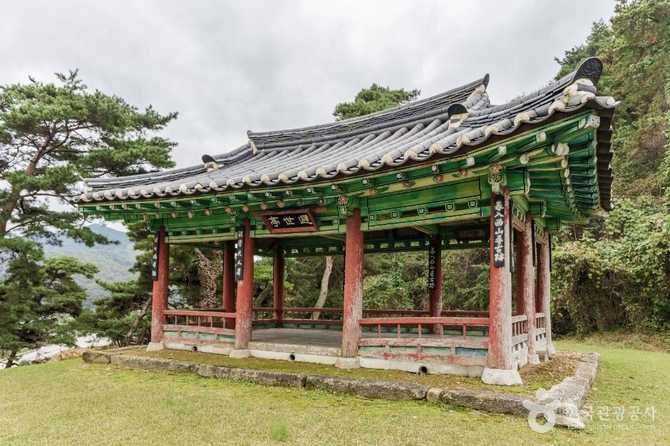
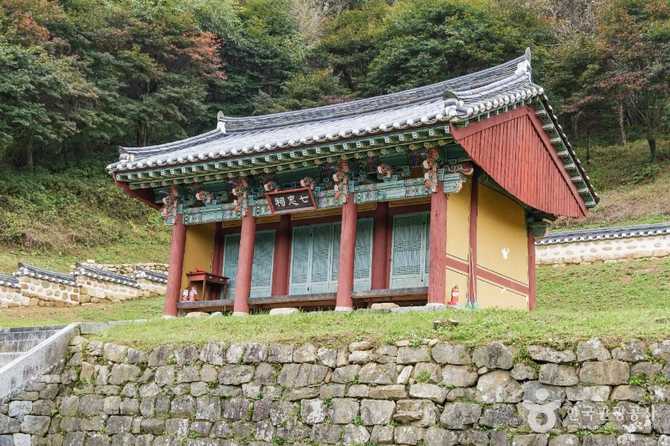
The significance of Goesan Chilchungsa extends beyond its physical presence. It represents the enduring spirit of loyalty that was highly esteemed during the Joseon era, where scholars and officials were celebrated for their unwavering commitment to their country and moral principles. Visitors can explore the shrine’s architecture, which includes a wooden hall with traditional tiled roofing, and learn about the stories of the seven scholars it commemorates. The site is open year-round and free to access, making it an ideal destination for travelers interested in Korea’s history and cultural traditions.
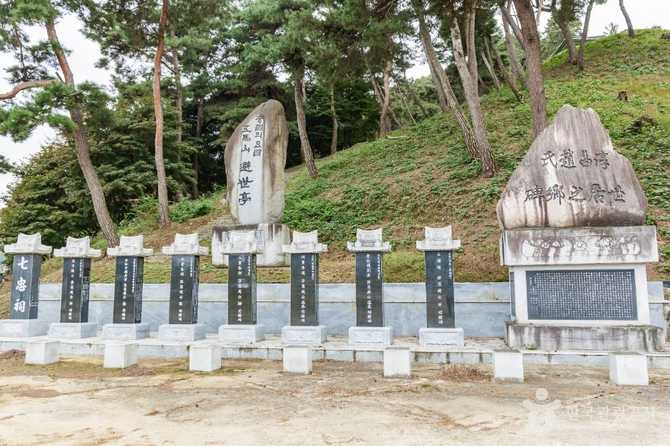
Understanding the historical context of Goesan Chilchungsa enhances appreciation for Korea’s Confucian values and the importance placed on loyalty and righteousness. It is a place where history and morality intersect, offering visitors a chance to connect with Korea’s spiritual and cultural roots. Whether you are a history enthusiast, a student of Korean culture, or a traveler seeking meaningful experiences, visiting Chilchungsa provides insights into the moral fabric that has sustained Korea through centuries of change. The site’s tranquil environment also offers a peaceful setting for contemplation and appreciation of Korea’s traditional architecture and cultural landscape.
Comparison of Goesan Chilchungsa and Pisejeong
| Feature | Goesan Chilchungsa | Pisejeong |
|---|---|---|
| Type of Structure | Wooden shrine (3-kan, tiled roof) | Wooden pavilion (palgak-style, traditional roof) |
| Construction Year | 1975 | Unknown, established with natural landscape |
| Main Function | Memorial for Joseon loyalists | Scenic viewpoint and historical display |
| Architectural Style | Traditional Korean wooden architecture with tiled roof | Palgak-style wooden pavilion with curved roof |
| Open Hours | Year-round, open 24/7 | Year-round, open 24/7 |
| Key Features | Historical shrine, memorial plaques | Natural scenery, panoramic views, historical artifacts |
Both Goesan Chilchungsa and Pisejeong are accessible and open year-round, offering visitors a chance to experience Korea’s cultural and natural heritage. While Chilchungsa serves as a dedicated memorial site honoring historical figures, Pisejeong functions as a scenic pavilion that blends natural beauty with cultural artifacts. Together, they provide a comprehensive experience of Korea’s reverence for loyalty and appreciation for nature’s harmony.
Visitor Checklist and Tips for Visiting Goesan Chilchungsa and Pisejeong
- Check weather conditions: Before heading out, verify the weather forecast to ensure a comfortable visit, especially if you plan to walk around outdoor areas.
- Wear respectful attire: Dress modestly and appropriately for cultural sites and natural environments. Comfortable shoes are recommended for walking.
- Arrive early or during off-peak hours: To avoid crowds and enjoy a peaceful experience, visit early in the morning or during weekdays.
- Use provided contact information: For current opening hours or special notices, contact the Goesan County Cultural Tourism Office at 043-830-3432.
- Respect natural and cultural assets: Do not disturb or remove artifacts, and avoid damaging the natural scenery.
Practical Visiting Tips and Guidelines for Goesan Heritage Sites
| Tip | Details |
|---|---|
| Check Weather Forecast | Before your visit, verify the weather conditions to ensure a comfortable outdoor experience, especially if you plan to walk around scenic areas like Pisejeong. |
| Dress Respectfully | Wear modest, comfortable clothing suitable for cultural sites and natural surroundings. Walking shoes are recommended for exploring outdoor areas. |
| Visit During Off-Peak Hours | To enjoy a peaceful atmosphere and avoid crowds, plan your visit early in the morning or during weekdays. |
| Use Contact Information | For the latest updates on opening hours or special notices, contact the Goesan County Cultural Tourism Office at 043-830-3432. |
| Respect Nature and Cultural Artifacts | Do not disturb or remove artifacts. Be mindful of preserving the natural scenery and respecting the environment during your visit. |
Why Visiting Goesan’s Heritage Sites Is Highly Recommended
- Deepen understanding of Korea’s cultural values: Visiting Chilchungsa and Pisejeong allows you to experience Korea’s core virtues of loyalty, filial piety, and respect for tradition firsthand.
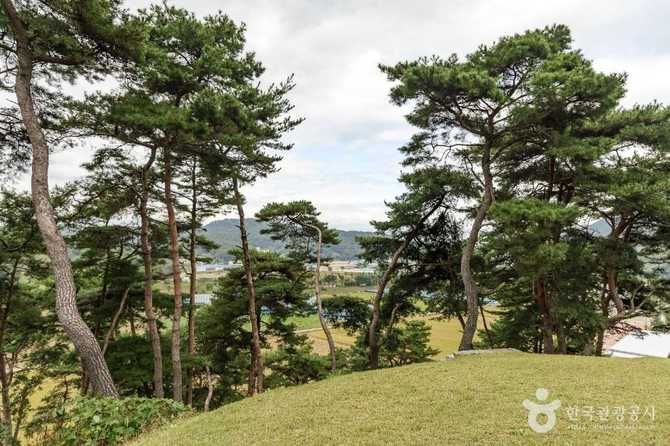
- Enjoy scenic natural beauty: Pisejeong offers panoramic views and a tranquil environment that complements Korea’s traditional architecture, providing a perfect harmony of nature and culture.
- Accessible and free to visit: Both sites are open year-round without admission fees, making them easy and affordable destinations for all travelers.
- Learn about Korea’s historical figures and stories: Chilchungsa commemorates seven loyal scholars, offering insights into Korea’s Joseon Dynasty moral ideals.
- Experience peaceful reflection: The serene environment of these sites provides a quiet space for contemplation and appreciation of Korea’s cultural heritage.
- Ideal for cultural and nature enthusiasts: Whether you are interested in history, architecture, or scenic landscapes, these sites offer a well-rounded cultural experience.
Whether you visit during the day or evening, Discover Goesan Chilchungsa and Pisejeon is a meaningful stop on any Seoul itinerary for history-minded travelers.
Frequently Asked Questions (FAQ)
Q1: What is the historical significance of Goesan Chilchungsa?
Goesan Chilchungsa is a shrine dedicated to seven loyal scholars from the Joseon Dynasty, symbolizing Korea’s values of loyalty and filial piety. Established in 1975, it serves as a memorial for these historical figures and reflects Korea’s Confucian heritage.
Q2: What are the main features of Pisejeong?
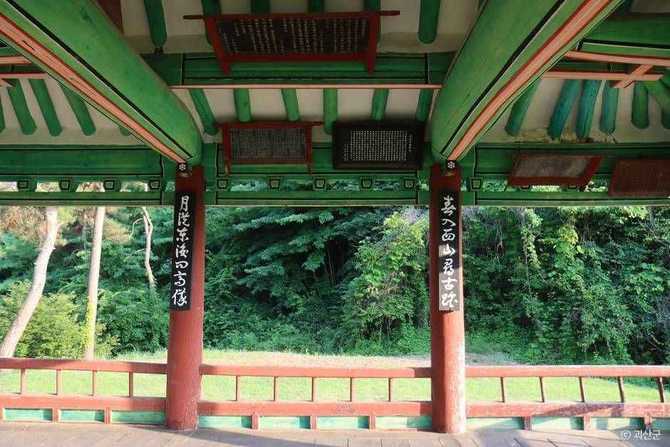
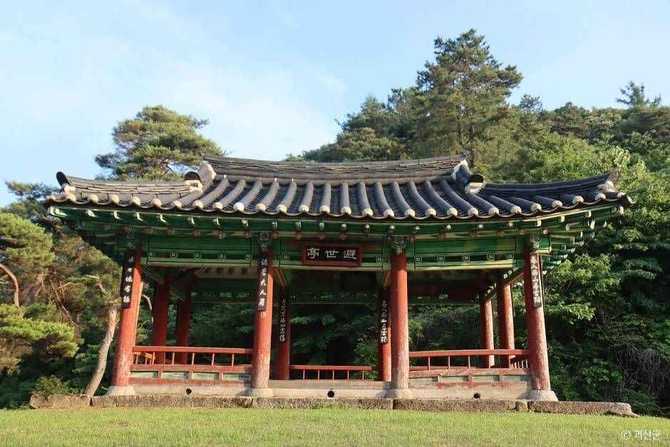
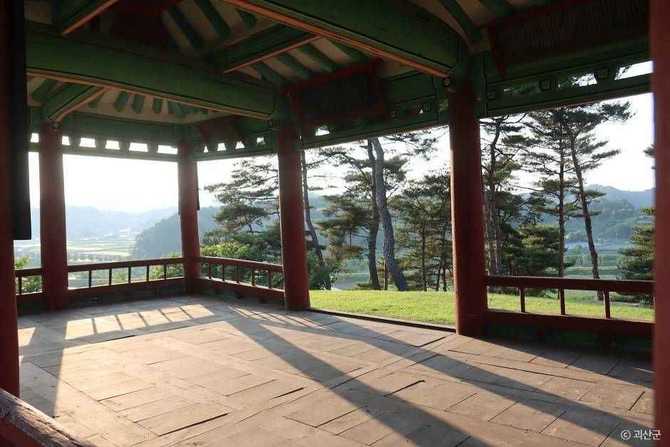
Pisejeong is a traditional wooden pavilion with a palgak-style curved roof, offering scenic views of the natural landscape. It functions as a viewpoint and a place to appreciate Korea’s natural scenery alongside historical artifacts.
Q3: When is the best time to visit Goesan Chilchungsa and Pisejeong?
Both sites are open year-round and can be visited at any time. However, for optimal natural scenery and pleasant weather, spring and autumn are recommended seasons. Visiting early in the morning or during weekdays helps avoid crowds.
Q4: Are there any entrance fees for visiting these sites?
No, both Goesan Chilchungsa and Pisejeong are open to the public free of charge. They are accessible year-round and do not require tickets for entry.
Q5: How do I get to Goesan Chilchungsa and Pisejeong?
The sites are located in Chungcheongbuk-do, at 3440-14 Goeusan-ro, Mungang-myeon, Goesan-gun. They are accessible by car, and parking is available free of charge. Public transportation options may require additional planning, such as local buses or taxis.
Q6: What should I keep in mind when visiting these cultural sites?
Visitors should dress respectfully and be mindful of preserving the natural environment and artifacts. It is recommended to check weather conditions beforehand and handle artifacts and surroundings carefully to maintain the site’s integrity.
Final Thoughts on Visiting Goesan Chilchungsa and Pisejeong
Exploring Goesan Chilchungsa and Pisejeong offers a meaningful journey into Korea’s rich cultural history and natural beauty. These heritage sites beautifully embody Korea’s deep respect for loyalty, morality, and harmony with nature. Whether you are a history enthusiast eager to learn about the Joseon Dynasty’s loyal scholars or a traveler seeking tranquil scenic spots, these locations provide a perfect blend of cultural significance and natural serenity. The fact that both sites are open year-round and free to visit makes them accessible options for anyone interested in Korea’s heritage. Visiting Chilchungsa allows you to reflect on the enduring values that have shaped Korean society, while Pisejeong offers stunning views that connect you with the region’s natural landscape. Planning your trip with respect for the environment and local customs will ensure a rewarding experience. Whether it’s your first visit or a return journey, these sites promise an enriching encounter with Korea’s history and natural environment, leaving you with lasting memories and a deeper appreciation for Korea’s cultural treasures.