
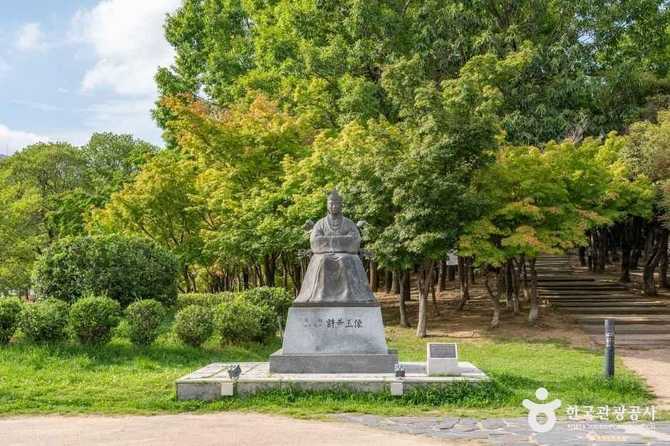
출처 : ⓒ한국관광콘텐츠랩 또는 ⓒ한국관광공사
Discover Gaya’s Heritage at Sureungwon: A Natural & Historic Park in Korea
Location 경상남도 김해시 분성로261번길 35
Location 경상남도 김해시 분성로261번길 35
Looking for a unique travel experience that combines Korea’s rich history with beautiful natural scenery? Sureungwon in Gimhae offers an immersive visit into the ancient Gaya Kingdom, featuring historic relics and tranquil landscapes perfect for families, history enthusiasts, and nature lovers alike.
At a glance
- Who this is for
-
- Travelers interested in Korea’s Gaya history and culture
- Families seeking educational outdoor activities
- History and nature enthusiasts visiting Gimhae
- Visitors exploring local Korean heritage sites
- Key takeaways
-
- Sureungwon is a 39,600㎡ ecological park dedicated to Gaya royalty
- Adjacent to Daeseong-dong Tumuli, the royal tombs of Gaya kings
- Features gardens, ponds, museums, and scenic walking paths
- Free entry, open year-round, with parking facilities
- Offers cultural experiences and natural beauty in one location
- Tips & cautions
-
- Respect natural surroundings; no littering allowed
- Follow safety guidelines when using facilities
- Check weather conditions before outdoor walks
- Visit early morning or late evening for peaceful ambiance
- Bottom line
- Experience Korea’s ancient Gaya kingdom’s legacy amidst serene natural landscapes at Sureungwon—an essential cultural and eco-tourism destination in Gimhae.
Sureungwon, located in Gimhae, South Korea, is a historic and ecological park that beautifully blends Korea’s Gaya Dynasty heritage with lush natural scenery. Covering an area of 39,600 square meters, this park is dedicated to commemorating King Suro and Queen Heo, the legendary founders of Gaya. Visitors can explore historical relics, walk through scenic gardens, and enjoy tranquil ponds that reflect Korea’s ancient royal culture. Whether you are a history enthusiast, a family looking for an educational outdoor activity, or someone eager to experience Korea’s natural beauty, Sureungwon offers a meaningful and memorable experience.
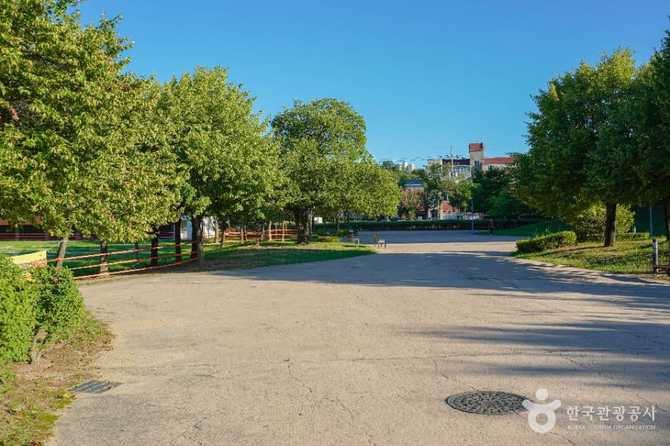
Sureungwon’s proximity to the Daeseong-dong Tumuli, the royal burial mounds of Gaya kings, enhances its historical significance. The park features various facilities such as traditional gardens, ponds, a folk museum, and cultural pavilions like Gaya-ro, all accessible free of charge and open year-round. Visitors can enjoy leisurely walks along well-maintained paths, learn about Korea’s Gaya era at the museum, and appreciate the harmony of natural and cultural elements. The park is designed to provide a peaceful environment for reflection and education, making it an ideal destination for families, students, and tourists interested in Korea’s ancient history.
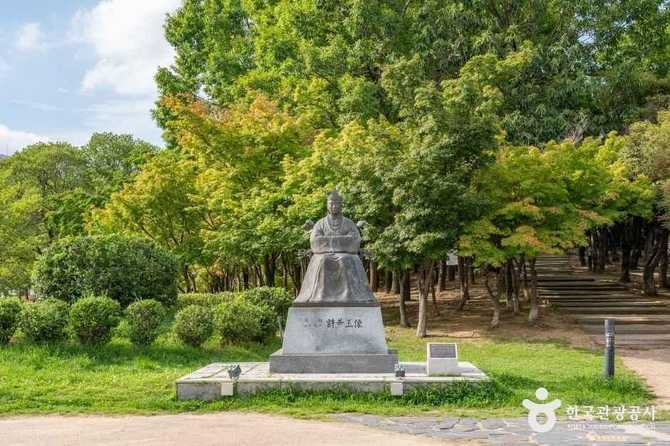
Planning a visit to Sureungwon is simple: the park is open 24 hours, with ample free parking available nearby. It is recommended to visit during the early morning or late evening hours for a more tranquil experience. Remember to follow safety rules and keep the park clean to preserve its natural beauty. After exploring Sureungwon, visitors can also visit nearby attractions such as the Gimhae Folk Museum and traditional Hanok experience centers to deepen their understanding of Gaya’s rich cultural history.
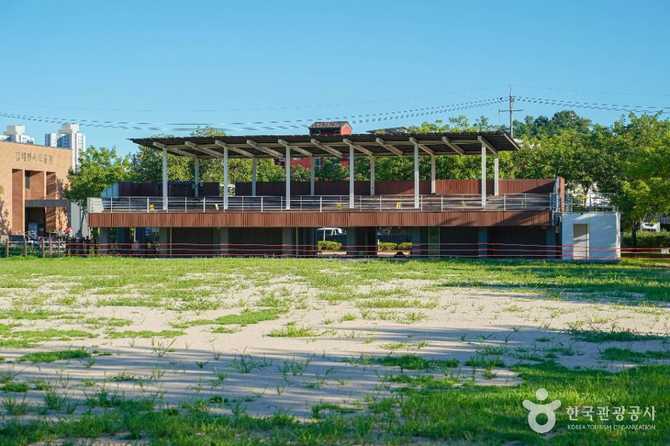
Sureungwon Overview and Historical Significance
Located in Gimhae, South Korea, Sureungwon is a renowned cultural and ecological park that offers visitors a unique opportunity to explore Korea’s ancient Gaya Kingdom heritage while enjoying lush natural surroundings. Covering an expansive area of 39,600 square meters, this historic site is dedicated to commemorating King Suro (also spelled Suro) and Queen Heo, the legendary founders of Gaya. The park’s primary purpose is to preserve and showcase the rich history of the Gaya Dynasty, which flourished in southern Korea from the 1st to the 6th centuries, and to provide a space where visitors can connect with Korea’s ancient royal culture in harmony with nature.
The concept of Sureungwon is rooted in the idea of blending history with natural beauty. It is situated adjacent to the Daeseong-dong Tumuli, the royal tombs of Gaya kings, which further enhances its historical significance. The park features meticulously designed gardens, ponds, and cultural pavilions that evoke the atmosphere of Korea’s ancient royal courts. Visitors can walk along scenic pathways that lead through themed areas dedicated to King Suro and Queen Heo, experiencing the stories and legends that have been passed down through generations.
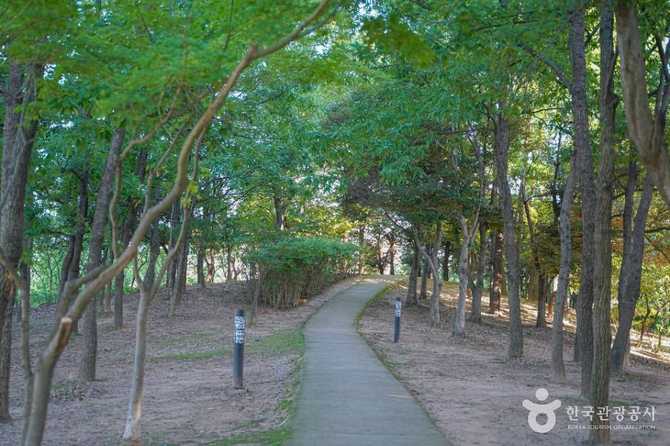
As a key cultural site, Sureungwon plays an essential role in preserving Gaya’s legacy and educating the public about Korea’s early history. It is a symbol of national pride and cultural identity, attracting history enthusiasts, families, and tourists eager to learn about Korea’s past. The park’s natural environment not only provides a peaceful retreat but also serves as an open-air museum where history and nature coexist seamlessly. With free admission and open year-round, Sureungwon is accessible to everyone seeking to deepen their understanding of Korea’s ancient civilization while enjoying the serenity of its scenic landscape.
Whether exploring the historical relics, strolling through the gardens, or participating in cultural activities, visitors will find Sureungwon a meaningful destination that highlights Korea’s rich heritage. It is an ideal place for educational trips, family outings, or simply a reflective walk in a setting that beautifully combines history and nature. If you are interested in Korea’s Gaya era, Sureungwon offers an immersive experience that leaves a lasting impression of Korea’s ancient royal lineage and its natural environment.
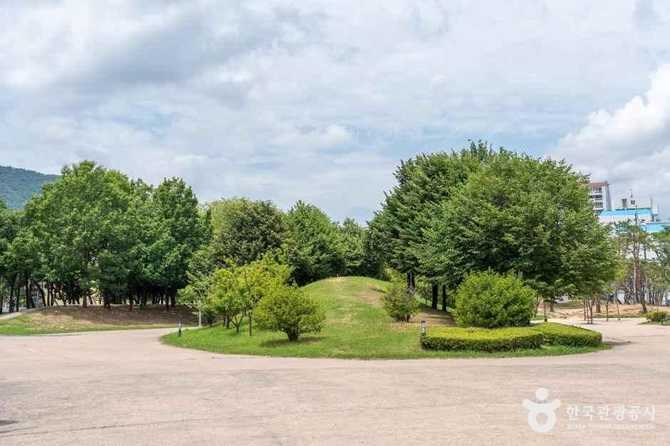
Natural Scenery & Themed Areas Comparison
| Aspect | Suro & Queen Heo Themed Spaces | Natural & Garden Features |
|---|---|---|
| Main Theme | Celebrates the legendary founders of Gaya, King Suro and Queen Heo | Showcases Korea’s native flora and tranquil ponds |
| Design Focus | Historical storytelling with themed gardens and pavilions | Natural landscapes, indigenous trees, and water features |
| Key Visual Elements | Statues, murals, and gardens representing Gaya legends | Wildflower patches, lotus ponds, and native trees like ginkgo and pine |
| Visitor Experience | Immersive cultural walk through themed zones | Relaxing natural scenery ideal for walking and reflection |
Main Facilities & Visitor Checklist
- Gardens & Themed Spaces: Explore the Suro and Queen Heo gardens, designed to tell their legendary stories through landscape and architecture.
- Ponds & Water Features: Relax by the scenic ponds, including lotus and water lily ponds that symbolize Korea’s royal water gardens.
- Museum & Cultural Pavilions: Visit the Folk Museum and Gaya-ro Pavilion to learn about ancient Gaya culture and history.
- Historical Sites: Walk to the nearby Daeseong-dong Tumuli and Gaya royal tombs for a deeper historical experience.
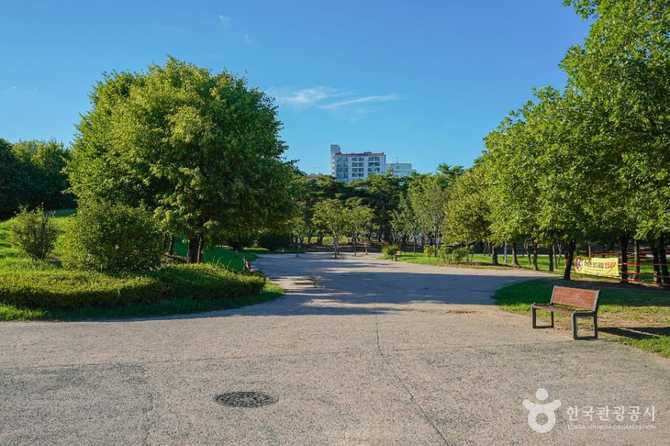
- Walking Trails: Enjoy well-maintained paths around the park, perfect for family strolls or reflective walks.
- Parking & Accessibility: Free parking is available nearby, and the park is accessible for visitors with mobility needs.
- Safety & Preservation: Please respect the natural environment by not littering and following safety guidelines when using facilities.
- Weather Considerations: Check the weather forecast before your visit to ensure comfortable outdoor walking conditions.
- Best Time to Visit: Spring and autumn are ideal for enjoying the park’s natural beauty and mild weather.
Visitor Information & Tips for Exploring Sureungwon
| Aspect | Details |
|---|---|
| Opening Hours | Open year-round, 24 hours daily |
| Admission Fee | Free entry; no ticket required |
| Parking | Free parking available nearby |
| Best Visiting Times | Early mornings or late evenings for tranquility; spring and autumn for optimal weather |
| What to Bring | Comfortable walking shoes, sun protection, water bottles, camera |
Cultural & Historical Experience Recommendations at Sureungwon
- Take a leisurely walk through the gardens dedicated to King Suro and Queen Heo, immersing yourself in Korea’s legendary royal stories.
- Visit the scenic ponds, especially the lotus and water lily ponds, to appreciate Korea’s traditional water garden symbolism.
- Explore the Folk Museum and Gaya-ro Pavilion to deepen your understanding of Gaya-era culture and daily life.
- Walk to the nearby Daeseong-dong Tumuli and royal tombs for an authentic experience of Gaya’s royal burial sites.
- Participate in cultural activities or educational programs if available, to gain insights into Korea’s ancient civilization.
- Capture photos of the natural scenery and historical landmarks for lasting memories of your visit.
- Combine your visit with nearby attractions like the Gimhae Folk Museum or traditional Hanok experience centers for a comprehensive cultural immersion.
Whether you visit during the day or evening, Discover Gaya’s Heritage at Sureungwon is a meaningful stop on any Seoul itinerary for history-minded travelers.
Frequently Asked Questions (FAQ)
Q1: What is the historical significance of Sureungwon in Korea?
Sureungwon is a cultural park dedicated to commemorating King Suro and Queen Heo, the legendary founders of the Gaya Kingdom. It is located near the royal tombs of Gaya kings and serves as an important site for understanding Korea’s early history and royal heritage.
Q2: What natural features can visitors enjoy at Sureungwon?
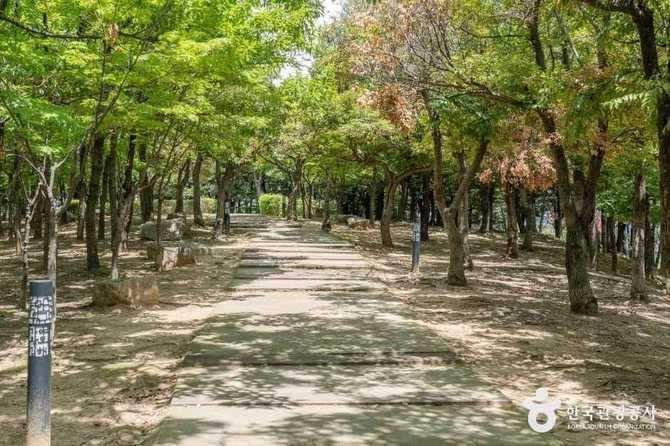
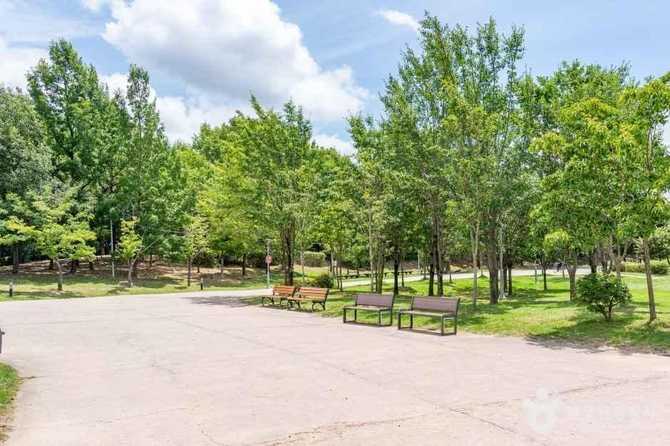
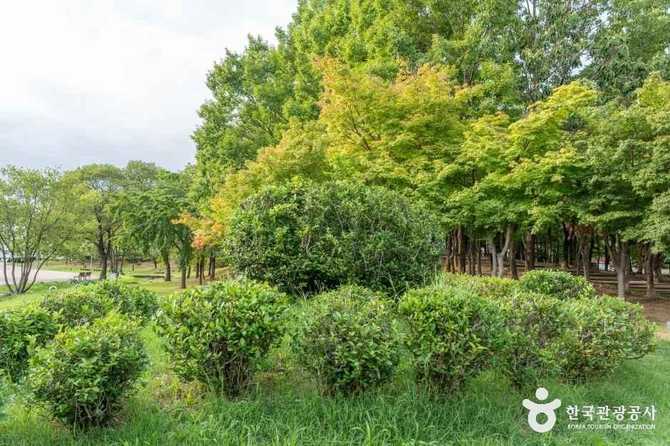
Visitors can enjoy scenic ponds, native trees such as ginkgo and pine, and lush gardens that reflect Korea’s traditional royal water gardens. The park’s natural environment offers tranquil spaces for walking and reflection amidst historical landscapes.
Q3: Are there any cultural facilities or museums within Sureungwon?
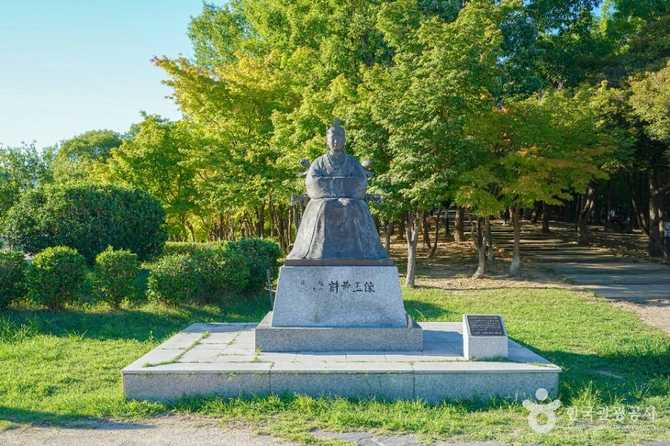
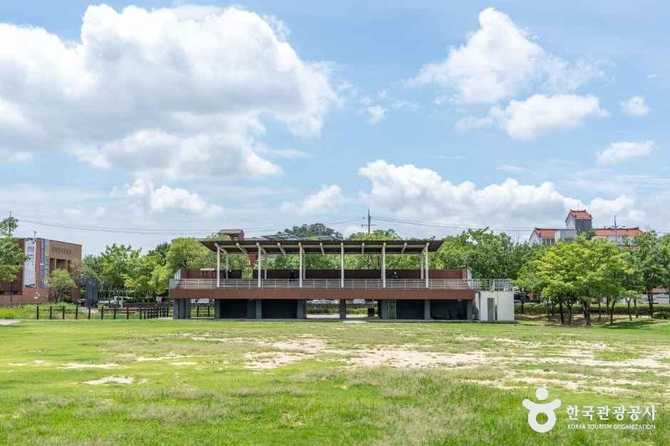
Yes, Sureungwon features the Folk Museum and cultural pavilions like Gaya-ro, where visitors can learn about Gaya’s history and culture. The park also includes themed gardens and statues representing Gaya legends.

Q4: When is the best time to visit Sureungwon?
The park is open year-round and 24 hours daily, but spring and autumn are ideal for enjoying the natural scenery. Visiting early in the morning or late in the evening provides a peaceful atmosphere for walking.
Q5: Is there an entrance fee for Sureungwon?
No, Sureungwon is free to enter. Visitors do not need to purchase tickets, making it accessible for all travelers interested in Korea’s Gaya heritage and natural beauty.
Q6: What other attractions are near Sureungwon?

Nearby attractions include the Daeseong-dong Tumuli, the royal tombs of Gaya kings, as well as the Gimhae Folk Museum and Hanok experience centers. These sites provide additional insights into Gaya’s history and culture.
Final Tips for Visiting Sureungwon
Visiting Sureungwon, a remarkable blend of Korea’s rich history and natural beauty, offers a meaningful experience for all travelers. To make the most of your trip, plan to visit during the early morning or late evening hours when the park is most peaceful and the weather is cooler. This allows for a more relaxed stroll through the scenic gardens and themed areas dedicated to King Suro and Queen Heo, making your visit even more memorable. Remember to respect the natural environment by disposing of trash properly and following safety guidelines when exploring the various facilities and walking trails.
Since the park is open 24 hours and free of charge, you have the flexibility to visit at your convenience. However, visiting during spring or autumn can enhance your experience with beautiful seasonal scenery and comfortable temperatures. If you’re traveling with family, ensure children are supervised near water features and historical sites for safety. Bringing along a camera or smartphone will help capture the stunning landscapes and cultural landmarks. Additionally, combining your visit to Sureungwon with nearby attractions like the Gimhae Folk Museum or traditional Hanok experience centers can deepen your understanding of Korea’s Gaya era and cultural heritage. With proper planning, your trip to Sureungwon will be both educational and enjoyable, leaving you with lasting memories of Korea’s ancient royal history intertwined with its natural splendor.