
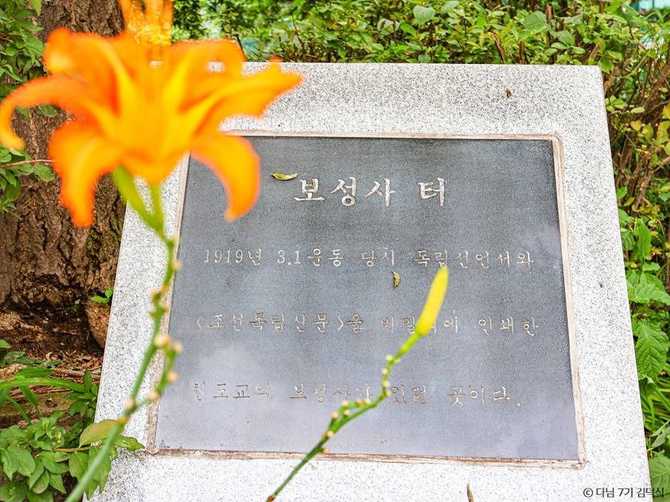
출처 : ⓒ한국관광콘텐츠랩 또는 ⓒ한국관광공사
Discover the Historic Bosungsa Site: A Key Location in Korea’s Independence Movement
Location 서울특별시 종로구 우정국로 55 (견지동)
Location 서울특별시 종로구 우정국로 55 (견지동)
Are you interested in exploring Korea’s rich history of independence and learning about the sites that played a pivotal role in the nation’s fight for sovereignty? The Bosungsa Site in Jongno-gu, Seoul, offers a unique glimpse into Korea’s modern history, serving as a symbol of resistance against Japanese colonial rule. Visiting this historic location allows travelers and history enthusiasts to connect with the stories of patriotism, independence activism, and the country’s journey toward freedom.
In this guide, you’ll find essential information about the Bosungsa Site, including its historical significance, location, visiting hours, and important tips to ensure a respectful and meaningful visit. Whether you’re a student, researcher, or a traveler interested in Korea’s modern history, understanding the importance of Bosungsa provides valuable insights into the nation’s independence movement during the early 20th century. The site was the birthplace of the printing of the Korean Declaration of Independence in 1919, making it a cornerstone of Korea’s national history.
At a glance
- Who this is for
-
- History enthusiasts interested in Korea’s independence movement
- Travelers exploring Jongno-gu’s cultural heritage
- Students and researchers studying modern Korean history
- Educators and tour guides seeking historical sites
- Key takeaways
-
- Bosungsa was established in 1910 as a printing house supporting independence activism
- It played a central role in printing and distributing the Korean Declaration of Independence in 1919
- The site was destroyed during Japanese colonial repression but has been restored as a historic monument
- Located near Jogyesa Temple in Jongno-gu, Seoul, and open year-round free of charge
- Visitors should use public transportation, as parking is unavailable
- Tips & cautions
-
- Respect the site’s historical significance; interior access may be restricted
- Use public transportation to reach the site, as parking is not provided
- Maintain a respectful attitude during visits and avoid damage or disturbance
- Check ahead for opening hours or any temporary closures
- Bottom line
- Visiting the Bosungsa Site offers a profound educational experience, connecting visitors with Korea’s fight for independence and national pride.
Embark on a meaningful journey through Korea’s modern history by visiting the Bosungsa Site, a place that stands as a testament to the resilience and patriotism of the Korean people during the Japanese occupation. This historic site not only preserves the physical remnants of the independence movement but also serves as an educational resource that highlights the importance of national sovereignty and collective effort in shaping Korea’s future.
Located conveniently near Jogyesa Temple in Seoul’s Jongno district, the Bosungsa Site is accessible and open to the public year-round at no cost. As a significant cultural heritage site, it offers visitors a chance to reflect on Korea’s past struggles and triumphs. Remember to respect the site’s preservation efforts and follow the guidelines for visitors to ensure that this historical landmark remains intact for future generations.
Bosungsa’s Historical Background and Significance
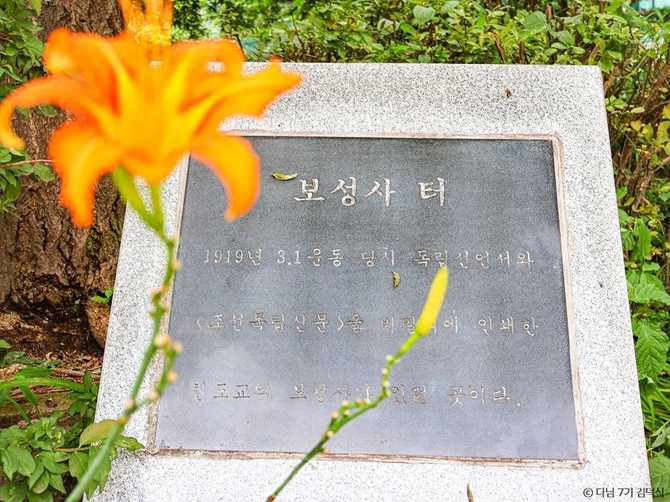
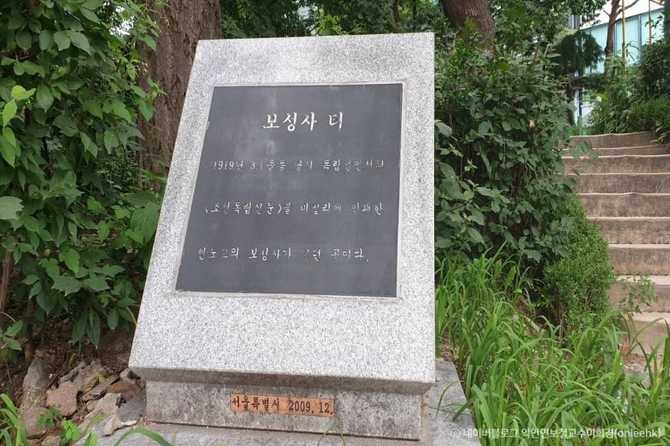
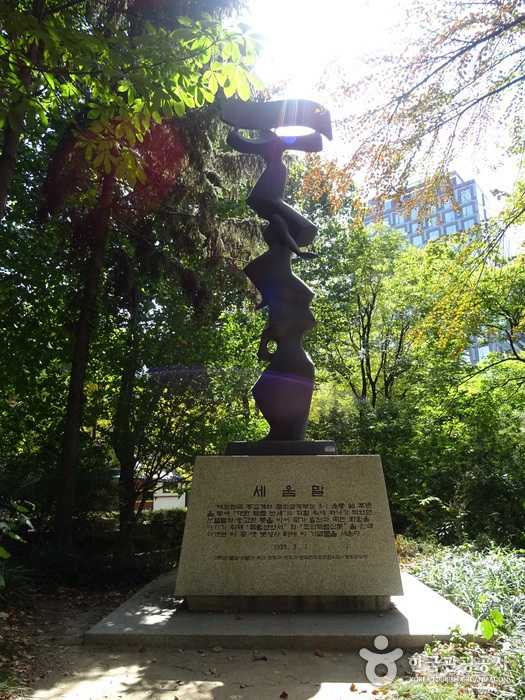
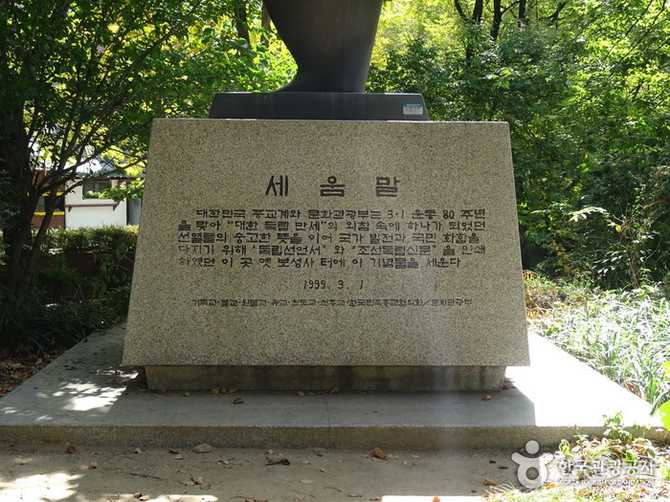
Bosungsa Site in Jongno-gu, Seoul, is a historically significant location that played a pivotal role in Korea’s independence movement during the early 20th century. Established in 1910, Bosungsa was originally a printing house affiliated with the Cheondoist movement, which was deeply involved in Korean resistance against Japanese colonial rule. This site became a symbol of national pride and resistance, especially after it was designated as the printing center for the Korean Declaration of Independence in 1919. The declaration, printed at Bosungsa, was a crucial document that rallied Koreans to stand against Japanese oppression and assert their sovereignty. During the Japanese occupation, the site was targeted and destroyed in 1919 as part of the colonial authorities’ suppression of independence activities. Despite this, the importance of Bosungsa in Korea’s modern history has been recognized, leading to its restoration and preservation as a cultural heritage site. Today, the site stands as a testament to the resilience and patriotism of the Korean people, symbolizing their unwavering spirit in the face of adversity. Its proximity to Jogyesa Temple makes it accessible for visitors interested in Korea’s independence history. Visiting Bosungsa offers a profound opportunity to learn about Korea’s fight for sovereignty, the role of underground printing presses in spreading independence ideas, and the collective efforts of Korean patriots during the colonial period. As a designated cultural heritage site, Bosungsa continues to educate visitors about the sacrifices made for Korea’s independence and the importance of preserving national history for future generations.
Comparison of Bosungsa’s Historical Role and Present Status
| Aspect | Historical Role | Current Status |
|---|---|---|
| Establishment Year | 1910, as a Cheondoist-affiliated printing house supporting independence activism | Designated as a protected historic site, with ongoing preservation efforts |
| Main Function | Printing and distributing the Korean Declaration of Independence in 1919 | A preserved historic site and educational monument, open to the public |
| Destruction | Targeted and burned by Japanese colonial authorities in 1919 | Restored and maintained as a cultural heritage site with informational displays |
| Location | Jongno-gu, Seoul, near Jogyesa Temple | Same location, accessible for visitors today |
| Visitor Access | Not applicable during the colonial period | Open year-round, free admission, interior access may be restricted |
Visiting Bosungsa: Essential Checklist and Tips
- Check the opening hours: Bosungsa is open year-round, but it’s best to verify before visiting, especially during special events or maintenance periods.
- Use public transportation: The site is easily accessible via subway or bus, as there is no parking available nearby.
- Respect the site: As a protected historic monument, avoid touching or damaging the remnants. Follow any posted guidelines or instructions from staff.
- Plan your visit: Combine your trip with nearby attractions like Jogyesa Temple or other cultural sites in Jongno-gu for a richer experience.
- Bring essentials: Water, comfortable shoes, and a camera are recommended for a pleasant visit.
Important Tips for Visiting Bosungsa
- Verify opening hours: Although Bosungsa is open year-round, it is advisable to confirm current hours or any special closures by contacting 02-2148-2032 or checking official sources before your visit.
- Use public transportation: The site is conveniently accessible via subway and bus routes. Since there is no parking available nearby, plan to arrive by subway or bus for a hassle-free experience.
- Respect the site: As a protected historic monument, avoid touching or damaging any remnants or markers. Follow posted guidelines and instructions from staff or signage to ensure preservation.
- Plan your itinerary: Combine your visit to Bosungsa with nearby cultural attractions such as Jogyesa Temple or other historic sites in Jongno-gu to enrich your experience.
- Prepare essentials: Bring water, comfortable shoes, and a camera to enjoy your visit comfortably and capture meaningful moments.
Historical Significance and Educational Value of Bosungsa
- Symbol of independence: Bosungsa stands as a powerful symbol of Korea’s fight for independence during the Japanese colonial period, representing the resilience and patriotism of the Korean people.
- Educational resource: The site offers a tangible connection to Korea’s modern history, especially the 1919 independence movement and the underground printing activities that supported national sovereignty.
- Historical preservation: Despite being destroyed during the colonial era, Bosungsa has been restored and preserved as a cultural heritage site, allowing visitors to learn about Korea’s resistance efforts.
- Inspiring patriotism: Visiting Bosungsa provides an opportunity to reflect on the sacrifices made by independence fighters and to appreciate the importance of national sovereignty and collective effort.
- Community and educational impact: The site plays a vital role in local history education, serving as a meaningful field trip destination for students and a site for public awareness of Korea’s independence history.
Whether you visit during the day or evening, Discover the Historic Bosungsa Site is a meaningful stop on any Seoul itinerary for history-minded travelers.
Frequently Asked Questions (FAQ)
Q1: What is the historical significance of Bosungsa in Korea’s independence movement?
An: Bosungsa was a key site during Korea’s fight for independence, established in 1910 as a printing house supporting resistance activities. It printed and distributed the Korean Declaration of Independence in 1919, symbolizing Korean patriotism and resistance against Japanese colonial rule.
Q2: When can I visit Bosungsa, and is there an entrance fee?
An: Bosungsa is open year-round and free of charge. Visitors can explore the site at any time, but it is recommended to verify opening hours beforehand, as interior access may be restricted at times for preservation reasons.
Q3: How do I get to Bosungsa, and is parking available?
An: The site is located at 55 Ujeongguk-ro, Jongno-gu, Seoul, near Jogyesa Temple. Public transportation is recommended, as there is no parking facility nearby. Visitors are advised to use subway or bus routes for easy access.
Q4: Are there any restrictions or precautions I should be aware of when visiting Bosungsa?
An: As a protected historic site, interior access may be limited, and visitors should respect the site’s significance by avoiding damage or disturbance. Always follow posted guidelines and inquire in advance if necessary, especially for access restrictions.
Q5: Why is Bosungsa considered an important educational and historical site?
An: Bosungsa symbolizes Korea’s resistance during the Japanese occupation, having played a central role in printing and distributing the independence declaration. It serves as an educational resource to understand Korea’s modern history and the patriotism of its people.
Q6: Can I visit Bosungsa as part of a guided tour or educational program?
An: Yes, many educational groups and tour operators include Bosungsa in their programs, as it offers valuable insights into Korea’s independence movement. Visitors are encouraged to contact local tour services or the Jongno-gu tourism office for organized visits and additional educational resources.
Conclusion: The Significance of Visiting Bosungsa Site in Korea’s Independence History
Visiting the Bosungsa Site provides a meaningful opportunity to connect with Korea’s rich history of independence and resilience. As a key location in the nation’s fight against Japanese colonial rule, this historic site symbolizes the unwavering spirit of Korean patriots who risked their lives for sovereignty. The site’s role in printing and distributing the Korean Declaration of Independence in 1919 makes it a vital educational resource that highlights the collective effort of countless activists during a turbulent period in Korea’s modern history. By exploring Bosungsa, visitors gain a deeper understanding of the sacrifices made for national freedom and the importance of preserving such heritage sites for future generations. Its proximity to cultural landmarks like Jogyesa Temple and its accessibility via public transportation make it an ideal destination for those interested in Korea’s independence movement. Remember to approach the site with respect, appreciating its historical significance and the stories it holds. A visit to Bosungsa is not only a journey through history but also an inspiring reminder of the enduring spirit of Korea’s independence movement.