
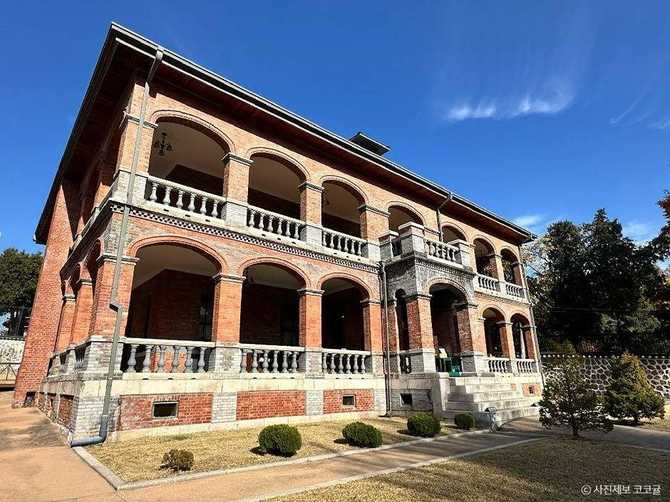
출처 : ⓒ한국관광콘텐츠랩 또는 ⓒ한국관광공사
Discover the Historic Significance of Jungmyeongjeon in Korea
Location 서울특별시 중구 정동길 41-11 (정동)
Location 서울특별시 중구 정동길 41-11 (정동)
Are you interested in exploring Korea’s rich modern history and cultural heritage? Visiting Jungmyeongjeon offers a unique opportunity to understand Korea’s past through one of its most important historical sites located within Deoksugung Palace. This guide provides essential information about Jungmyeongjeon, including its historical background, restoration process, visiting tips, and how it connects to Korea’s modern era. Whether you’re a history enthusiast, a cultural heritage researcher, or a traveler planning a trip to Seoul, understanding the significance of Jungmyeongjeon enhances your visit and appreciation of Korea’s cultural landscape.
Jungmyeongjeon is a key cultural asset that embodies Korea’s transition from the late Joseon Dynasty to the modern era. Used as a royal office and event venue during the Korean Empire period, it played a crucial role in shaping Korea’s political and cultural history. Its location within Deoksugung Palace makes it easily accessible for visitors exploring Seoul’s historical sites. The building’s reconstruction and preservation efforts reveal the importance placed on safeguarding Korea’s modern heritage. Visiting Jungmyeongjeon not only offers a glimpse into Korea’s past but also highlights the ongoing efforts to restore and maintain cultural landmarks for future generations.

At a glance
- Who this is for
-
- History and culture enthusiasts
- Researchers interested in Korean modern history
- Travelers visiting Seoul and Deoksugung Palace
- Students and educators studying Korean heritage
- Key takeaways
-
- Jungmyeongjeon was built in 1904 during the Korean Empire era.
- It served as Emperor Gojong’s official residence and event hall.
- In 1905, it was the site where the Eulsa Treaty was forcibly signed.
- Reconstructed after a 1925 fire, it was used as a foreigner’s social club.
- Restored in 2009-2010, it is now open to the public as a cultural heritage site.
- Tips & cautions
-
- Check the opening hours and closure days before visiting.
- No parking facilities are available; use public transportation.
- Respect the preservation efforts—do not touch or damage exhibits.
- Photography may be restricted in certain areas; follow posted signs.
- Bottom line
- Jungmyeongjeon is a vital cultural heritage site that offers insight into Korea’s modern history and royal legacy, making it an essential stop for visitors interested in Korea’s past.
Exploring Jungmyeongjeon within Deoksugung Palace provides a meaningful connection to Korea’s recent history, especially during the late Joseon Dynasty and the Korean Empire period. This building’s historical significance is deeply intertwined with Korea’s political transformations and cultural developments. Its restoration process, completed in 2010, symbolizes Korea’s dedication to preserving its modern heritage for educational and cultural appreciation. Visitors can witness the architectural style of the early 20th century, learn about the events that took place here, and gain a deeper understanding of Korea’s journey into the modern age.
Whether you’re a history buff, a student, or a curious traveler, Jungmyeongjeon offers a compelling narrative of Korea’s national story. Located conveniently within Deoksugung Palace, it’s accessible via public transport, making it an ideal destination for those exploring Seoul’s historical districts. Remember to check the opening hours and plan your visit accordingly, as the site is closed on Mondays and has no parking facilities. With its restored beauty and historical importance, Jungmyeongjeon continues to serve as a symbol of Korea’s resilience and cultural pride.
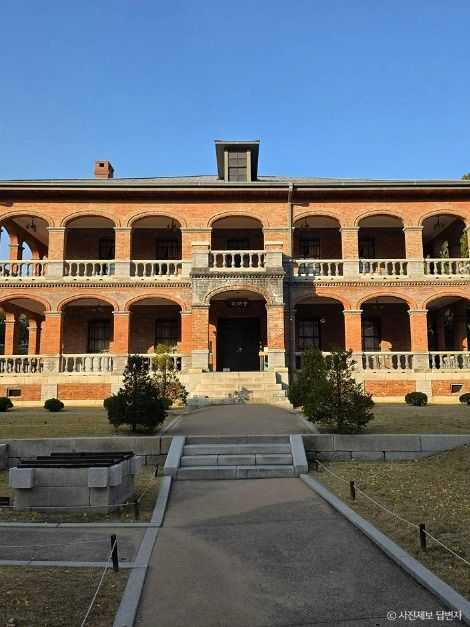
Historical Background and Significance of Jungmyeongjeon
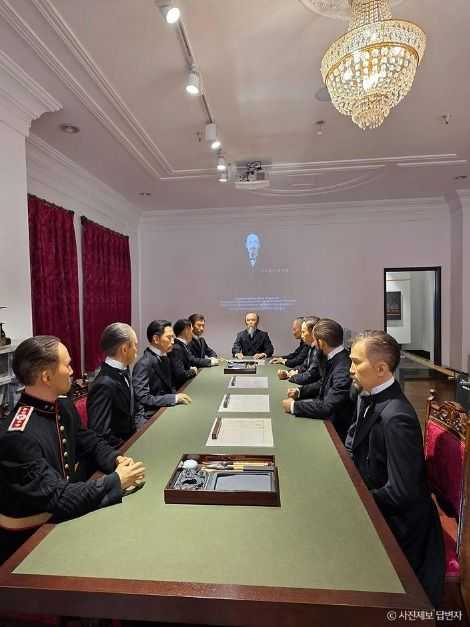
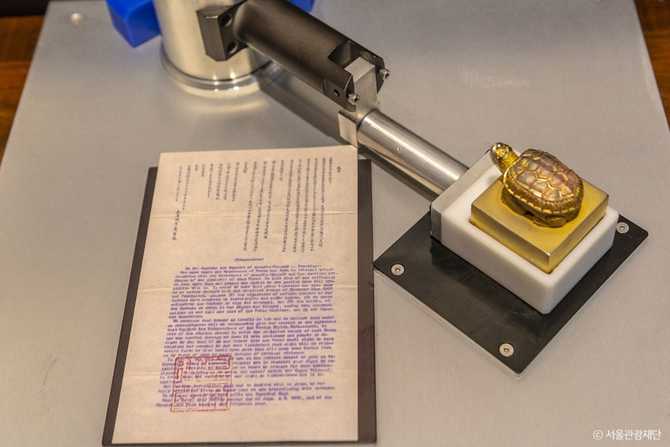
Jungmyeongjeon holds a prominent place in Korea’s modern history as a symbol of the late Joseon Dynasty and the Korean Empire period. Located within Deoksugung Palace, this historic building was originally constructed in 1904 during Emperor Gojong’s reign, serving as his official residence and a venue for important state affairs. Its significance deepened when, in 1905, it became the site where the Eulsa Treaty (Japan-Korea Protectorate Treaty) was forcibly signed, marking a pivotal moment in Korea’s sovereignty and independence. This event is a critical chapter in Korea’s struggle against external influence and colonial domination, making Jungmyeongjeon a key historical landmark.
Throughout the early 20th century, Jungmyeongjeon was more than just a royal residence; it was a hub for political decisions and diplomatic activities. After suffering a fire in 1925, the building was reconstructed and repurposed as a social club for foreigners, reflecting Korea’s complex colonial history and international interactions during that era. In 1963, the Korean government officially returned the building to cultural heritage status, recognizing its importance in Korea’s national history.
The restoration process, completed in 2009-2010, aimed to preserve the architectural integrity and historical authenticity of Jungmyeongjeon. Today, it stands as a cultural heritage site that embodies Korea’s transition from a monarchy to a modern nation-state. Visitors can learn about Korea’s political upheavals, diplomatic struggles, and cultural transformations through exhibits and preserved structures. Jungmyeongjeon’s historical background makes it an essential destination for understanding Korea’s modern era, highlighting the resilience and enduring spirit of the Korean people.
Comparison of Restoration Process and Cultural Heritage Value
| Aspect | Details |
|---|---|
| Restoration Period | 2009 to 2010 |
| Restoration Techniques | Combination of traditional restoration methods and modern technology, ensuring historical accuracy and structural stability |
| Restoration Goals | Preserve architectural integrity, restore original appearance, and maintain historical authenticity |
| Cultural Heritage Value | Represents Korea’s political upheavals, colonial history, and efforts for cultural preservation |
| Public Access | Open to visitors since 2010, serving as an educational and cultural site |
Overall, the restoration process of Jungmyeongjeon was a meticulous effort aimed at safeguarding Korea’s modern history. The use of both traditional and contemporary techniques ensured that the building’s historical authenticity was maintained while enhancing its structural resilience. Its cultural heritage value lies in its embodiment of Korea’s political struggles, colonial history, and ongoing efforts to preserve national identity. Today, Jungmyeongjeon stands as a testament to Korea’s resilience and commitment to cultural preservation, serving as an educational resource for visitors and scholars alike.
Visitor Information and Essential Checklist for Jungmyeongjeon
- Operating Hours: 09:30 AM – 05:30 PM (Last admission at 05:00 PM)
- Closed: Every Monday, please verify before your visit
- Admission Fee: Free for all visitors
- Location: 41-11 Jeongdong-gil, Jung-gu, Seoul
- Transportation: Accessible via Deoksugung Palace entrance, walk along Deoksugung Stone Wall Road, behind Jeongdong Theater
- Parking: Not available; public transportation recommended
- Plan your transportation to avoid parking issues, as there is no dedicated parking lot.
- Confirm the current operating hours and any special notices before your visit.
- Respect the preservation efforts—do not touch or damage exhibits or structures.
- Be mindful of photography restrictions in certain areas; follow posted signs.
- Dress modestly and comfortably for an outdoor cultural experience.
Important Precautions During Your Visit to Jungmyeongjeon
| Precaution | Guidelines |
|---|---|
| Visit Timing | Ensure to arrive within operating hours (09:30-17:30). Be aware that last admission is at 17:00. Visiting outside of hours is not permitted. |
| Handling Exhibits | Do not touch or move any exhibits or restored structures to prevent damage and preserve the site’s integrity. |
| Photography | Follow posted signs regarding photography restrictions. Refrain from using flash or taking photos in areas where it is prohibited. |
| Behavior | Maintain a respectful and quiet demeanor. Avoid loud conversations or disruptive behavior to ensure a pleasant experience for all visitors. |
| Dress Code | Wear modest and comfortable clothing suitable for outdoor sightseeing and cultural visits. |
| Environmental Responsibility | Dispose of trash properly and avoid damaging the landscape or greenery surrounding Jungmyeongjeon. |
Visitor Preparation Checklist for Jungmyeongjeon
- Have you confirmed the current opening hours and closure days before your visit?
- Did you review the guidelines for handling exhibits and structures to avoid accidental damage?
- Are you planning to use public transportation, considering there is no parking available?
- Have you checked for any specific photography restrictions in certain areas?
- Are you dressed appropriately for outdoor cultural exploration?
- Have you prepared any necessary items such as water, hat, or umbrella for outdoor comfort?
- Did you familiarize yourself with the site’s behavior expectations to ensure a respectful visit?
- Is your camera or smartphone fully charged for capturing memorable moments?
- Have you noted the location of nearby facilities or emergency contacts in case of need?
Whether you visit during the day or evening, Discover the Historic Significance of is a meaningful stop on any Seoul itinerary for history-minded travelers.
Frequently Asked Questions (FAQ)
Q1: When is Jungmyeongjeon open to visitors?
Jungmyeongjeon is open daily from 09:30 AM to 05:30 PM, with last admission at 05:00 PM. The site is closed every Monday, so it is recommended to check the schedule before your visit.
Q2: Is there an entrance fee to visit Jungmyeongjeon?
No, visiting Jungmyeongjeon is free of charge. However, visitors should verify opening hours and closure days in advance to plan their trip accordingly.
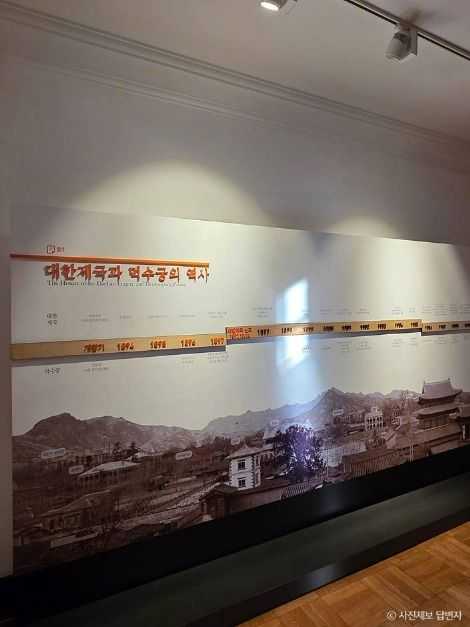
Q3: What historical events are associated with Jungmyeongjeon?
Jungmyeongjeon was used as Emperor Gojong’s official residence in 1904 and was the site where the 1905 Eulsa Treaty was forcibly signed, marking a significant moment in Korea’s modern history. It also served as a social club for foreigners after a fire in 1925 and was restored as a cultural heritage site in 2010.
Q4: How was Jungmyeongjeon restored?
The restoration was carried out between 2009 and 2010 using traditional techniques combined with modern technology. The process aimed to preserve the building’s historical authenticity and structural stability, and it is now open to the public as a cultural heritage site.
Q5: Are there any restrictions during the visit?
Visitors should arrive within operating hours and avoid touching or damaging exhibits and structures. Photography may be restricted in certain areas, so it is important to follow posted signs and guidelines for preservation.
Q6: How can I get to Jungmyeongjeon?
Jungmyeongjeon is located at 41-11 Jeongdong-gil, Jung-gu, Seoul. It is accessible via Deoksugung Palace entrance, walking along Deoksugung Stone Wall Road, behind Jeongdong Theater. Public transportation is recommended as there is no parking available nearby.
Final Tips for Visiting Jungmyeongjeon
A visit to Jungmyeongjeon offers a meaningful opportunity to connect with Korea’s modern history and cultural heritage. To make the most of your experience, plan ahead by checking the official operating hours and ensuring your visit falls within the open times, typically from 09:30 to 17:30. Remember that the site is closed on Mondays, so scheduling your trip accordingly will help avoid disappointment. Since there are no parking facilities available nearby, utilizing public transportation is highly recommended—take the subway or bus to Deoksugung Palace Station or nearby stops, and enjoy a leisurely walk along Deoksugung Stone Wall Road to reach Jungmyeongjeon. Respect for the preservation efforts is essential; refrain from touching exhibits or structures, and follow any posted guidelines regarding photography restrictions. Wearing modest, comfortable clothing will enhance your experience, especially if you plan to explore the outdoor areas extensively. By preparing in advance and respecting the site’s historical significance, your visit to Jungmyeongjeon will be both enjoyable and educational, leaving you with a deeper appreciation of Korea’s journey through modern history.