
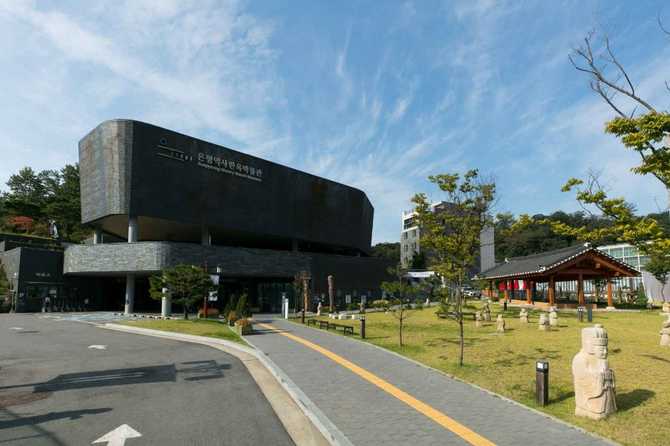
출처 : ⓒ한국관광콘텐츠랩 또는 ⓒ한국관광공사
Eunpyeong Hanok Museum: Discover Seoul’s Traditional Heritage
Location 서울특별시 은평구 연서로50길 8 (진관동)
Location 서울특별시 은평구 연서로50길 8 (진관동)
Looking to explore Seoul’s rich history and traditional architecture? The Eunpyeong Hanok Museum offers an immersive experience into Korea’s cultural heritage, showcasing historical artifacts, traditional hanok structures, and modern interpretations of Korea’s past. Whether you’re a history enthusiast, a family planning educational outings, or a traveler interested in Korea’s architectural beauty, this museum provides a comprehensive glimpse into Seoul’s local history and traditional living spaces.
Located in the heart of Eunpyeong-gu, the Eunpyeong Hanok Museum is a leading cultural site that bridges Korea’s ancient traditions with contemporary design. Opened in 2014, it serves as a vital hub for preserving and promoting the region’s historical legacy. Visitors can enjoy diverse exhibits, hands-on experiences, and scenic spaces such as rooftop pavilions, all designed to deepen understanding of Korea’s cultural identity.
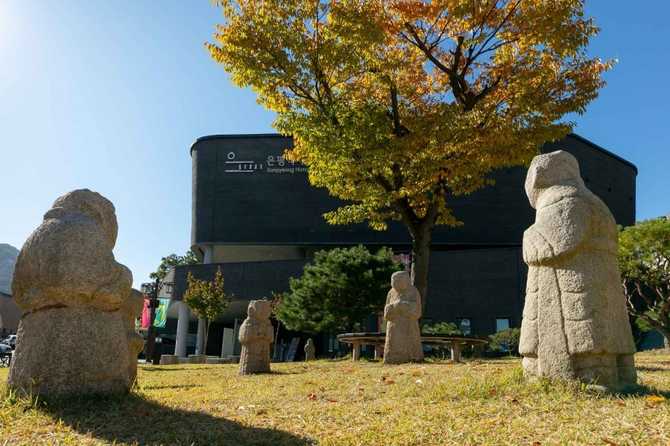
Before planning your visit, it’s helpful to know the museum’s operating hours, admission policies, and transportation options. This guide provides all the essential information to ensure a smooth and enriching experience at the Eunpyeong Hanok Museum. From its historical background to practical tips for visiting, discover why this site is a must-see for anyone interested in Korea’s cultural heritage and traditional architecture.
At a glance
- Who this is for
-
- Students and locals interested in Korean history and culture
- Families planning educational outings or cultural experiences
- Tourists seeking authentic traditional architecture and scenic spaces
- Architecture enthusiasts exploring hanok design and modern adaptations
- Educators and parents organizing cultural activities
- Key takeaways
-
- Open since 2014, showcasing Seoul’s regional history and hanok architecture
- Features exhibits from Unified Silla period to modern times
- Includes traditional hanok structures, interactive zones, and rooftop gardens
- Free admission for certain groups; ticketed for others
- Accessible via public transportation with limited parking
- Tips & cautions
-
- Check operating hours and holidays before visiting
- Bring proof for free entry eligibility (e.g., seniors, children)
- Use public transportation to avoid parking constraints
- Reserve special exhibitions or programs in advance if possible
- Wear comfortable shoes for walking around the outdoor and indoor spaces
- Bottom line
- Visit the Eunpyeong Hanok Museum for an authentic and educational glimpse into Korea’s traditional architecture and local history.
Discovering Seoul’s cultural heritage is easier and more engaging at the Eunpyeong Hanok Museum. Situated in Eunpyeong-gu, this museum not only preserves the region’s historical artifacts but also provides a living showcase of Korea’s traditional hanok architecture blended with modern design elements. Since its opening in 2014, it has become a vital cultural landmark, attracting both locals and tourists eager to learn about Korea’s past and its architectural evolution.
The museum’s exhibits cover a broad timeline—from the Unified Silla period to contemporary Korea—highlighting artifacts, traditional building techniques, and natural harmony principles embodied in hanok design. Visitors can enjoy hands-on activities, explore scenic rooftop pavilions, and participate in educational programs tailored for all ages. Its location within Eunpyeong-gu makes it an ideal destination for those interested in Seoul’s lesser-known historical sites, offering a peaceful environment away from the city’s hustle.
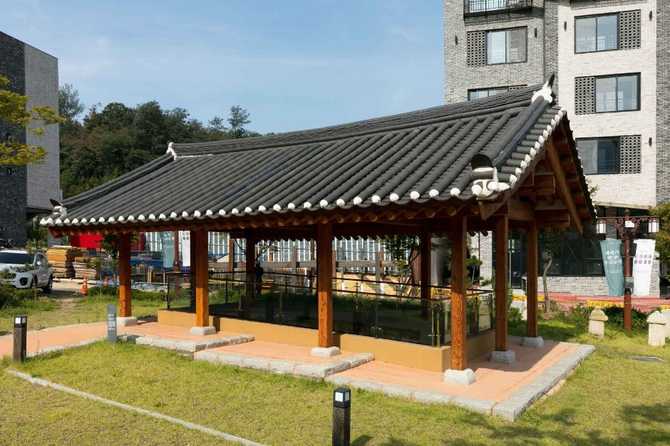
Planning your visit to the Eunpyeong Hanok Museum involves understanding its opening hours, admission policies, and transportation options. This guide aims to provide comprehensive details, including tips for a smooth experience, information on free and paid entry, and directions to the museum. Whether you are a history buff, a family with children, or a traveler exploring Seoul’s cultural landscape, the Eunpyeong Hanok Museum promises an enriching journey into Korea’s traditional heritage.
Eunpyeong Hanok Museum Overview & History
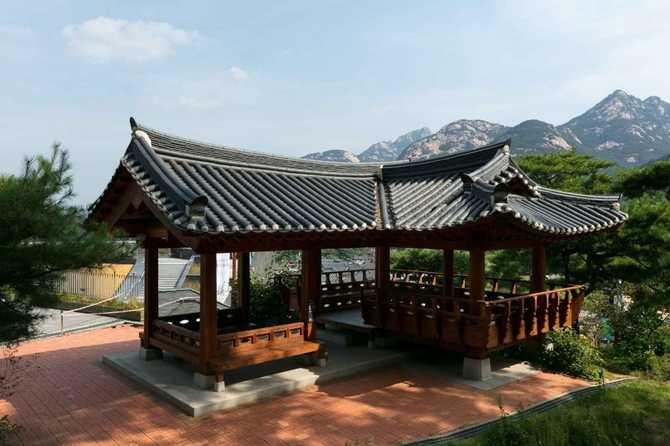
Located in the scenic district of Eunpyeong-gu in Seoul, the Eunpyeong Hanok Museum is a dedicated cultural institution that showcases Korea’s rich architectural heritage and local history. Opened in 2014, this museum serves as a vital hub for preserving traditional hanok structures and promoting understanding of Seoul’s regional evolution. As a comprehensive space for cultural education and historical preservation, the Eunpyeong Hanok Museum offers visitors a unique opportunity to explore Korea’s architectural craftsmanship through both historical artifacts and modern interpretations.
The museum’s main focus is to connect the past with the present by displaying artifacts from the Unified Silla period through to contemporary Korea. Its architecture combines traditional hanok design with eco-friendly, modern elements, emphasizing harmony with nature and sustainable living. This blend of old and new makes the museum a distinctive venue for cultural appreciation and educational programs. The museum’s location within Eunpyeong-gu is strategic, as it highlights the region’s unique history and ongoing efforts to preserve local traditions amidst urban development.
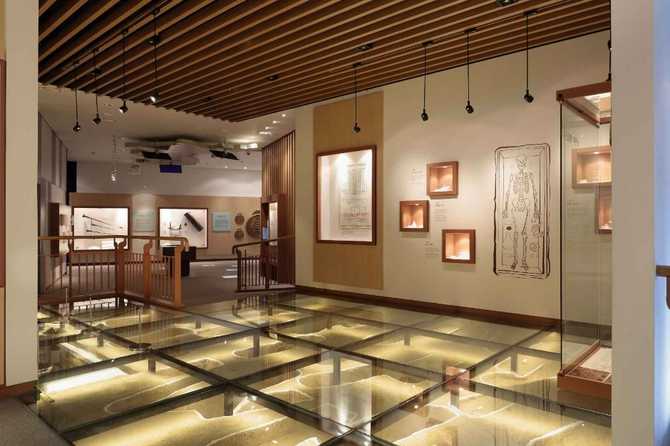
Since its establishment, the Eunpyeong Hanok Museum has played a significant role in fostering community pride and cultural awareness. It hosts various exhibitions, hands-on workshops, and outdoor activities, making it accessible for visitors of all ages. The museum also emphasizes the importance of natural surroundings, with scenic rooftop gardens and outdoor spaces that reflect traditional Korean landscape aesthetics. This focus on sustainability and cultural continuity positions the museum as a leading site for understanding Korea’s architectural and historical landscape.
Whether you are interested in traditional architecture, Korean history, or eco-friendly design, the Eunpyeong Hanok Museum provides an engaging and educational experience. Its role in preserving regional identity and promoting cultural heritage makes it a must-visit destination for travelers, students, and locals alike who wish to deepen their understanding of Korea’s historical and architectural legacy.
Main Exhibits & Experience Facilities
| Exhibit Area | Features & Highlights | Notes |
|---|---|---|
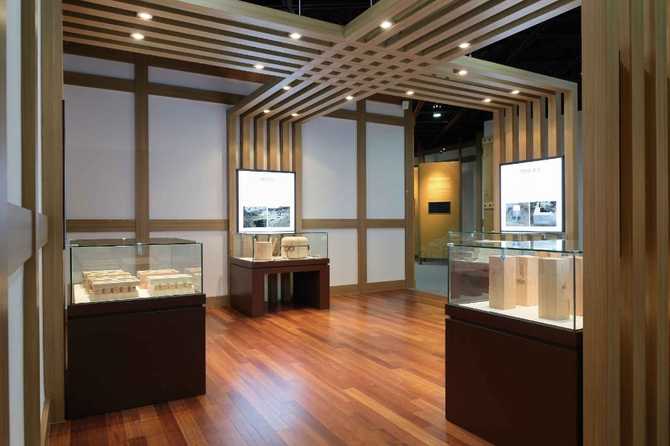
| Main Exhibition Hall | Displays artifacts from the Unified Silla period to modern Korea, showcasing historical relics, traditional costumes, and tools. | Ideal for understanding regional history through tangible objects. |
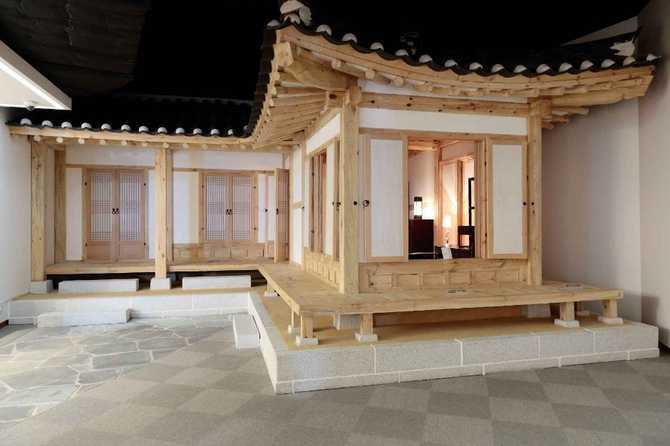
| Hanok Architecture Zone | Features restored traditional hanok homes, model buildings, and architectural models demonstrating construction techniques. | Perfect for visitors interested in traditional Korean building methods. |
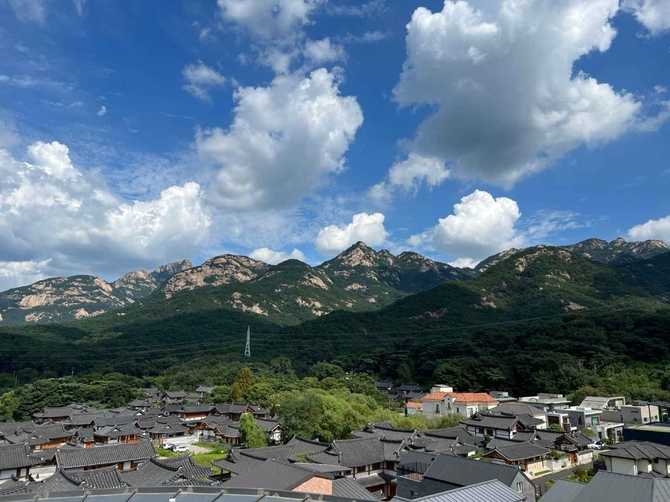
| Outdoor Rooftop Gardens | Scenic spaces that blend traditional landscape design with modern eco-friendly concepts, offering panoramic views of Eunpyeong. | Great for relaxation and photography. |
| Experience & Workshop Rooms | Hands-on activities such as traditional craft making, calligraphy, and architecture workshops for visitors of all ages. | Advance reservation recommended for popular programs. |
| Educational Facilities | Library, lecture halls, and resource centers dedicated to Korean history and architecture education. | Supports school groups and cultural programs. |
Visiting Hours & Tips for Visitors
- Operating Hours: The museum is open from 9:00 AM to 6:00 PM, with last admission at 5:00 PM.
- Closed on: Mondays, New Year’s Day (January 1), and during major Korean holidays such as Seollal and Chuseok.
- Best Visiting Times: Weekdays in the morning or late afternoon to avoid crowds, especially during peak seasons.
- Entry Tips: Arrive early to enjoy the outdoor scenic spots and participate in workshops with fewer visitors.
- Preparation: Check the museum’s official website or contact prior to your visit for any special events or temporary closures.
Admission Fees & Free Entry Criteria
| Category | Admission Fee | Free Entry Criteria |
|---|---|---|
| General Adults | 1,000 KRW | None |
| Students (Elementary to High School) | 500 KRW | ID required for verification |
| Military Personnel | 500 KRW | ID required |
| Groups (Over 10 People) | 700 KRW per person | Advance reservation required |
Free Admission Eligibility
- Children aged 6 years and under
- Visitors aged 65 and above
- National merit holders, such as veterans and independence activists
- Persons with disabilities and one accompanying guardian
- Recipients of basic livelihood security
- On the last Wednesday of every month (“Cultural Day”)
Getting There & Parking Information
- Address: 8 Yeonse-ro 50-gil, Eunpyeong-gu, Seoul (Jingwan-dong)
- Public Transportation:
- Subway: Take Line 3 to Eungam Station, then transfer to bus or walk approximately 15 minutes.
- Bus: Several buses stop near the museum, including local city buses from different parts of Seoul. Check local bus routes for the most convenient options.
- Parking: Limited parking spaces are available around the museum premises. Visitors are encouraged to use public transportation to avoid parking congestion.
- Parking Fees: Please refer to the museum’s official website or onsite signage for current parking charges.
- Travel Tips:
- Use the nearby Yeonse-ro 50-gil bus stops for easy access.
- Arrive early during weekends and holidays to secure parking and avoid crowds.
- Plan your route in advance using navigation apps or public transit schedules.
Frequently Asked Questions (FAQ)
Q1: When was the Eunpyeong Hanok Museum established?
The Eunpyeong Hanok Museum opened to the public in 2014 as a dedicated space to preserve and showcase Korea’s traditional architecture and regional history.
Q2: What are the main exhibits at the Eunpyeong Hanok Museum?
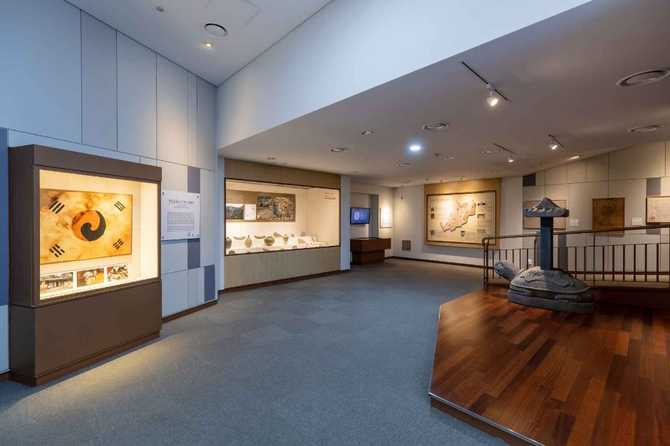
The museum features artifacts from the Unified Silla period to modern Korea, traditional hanok structures, architectural models, and scenic outdoor gardens. Its exhibits highlight Korea’s architectural evolution and cultural heritage.
Q3: What are the museum’s operating hours and closing days?
The museum is open from 9:00 AM to 6:00 PM, with last admission at 5:00 PM. It is closed on Mondays, New Year’s Day (January 1), and during major Korean holidays such as Seollal and Chuseok.
Q4: How much is the entrance fee, and who can enter for free?
General admission costs 1,000 KRW for adults and 500 KRW for students and military personnel. Free entry is available for children under 6, seniors over 65, national veterans, and individuals with disabilities upon presenting proof.
Q5: How can I get to the Eunpyeong Hanok Museum?
The museum is located at 8 Yeonseo-ro 50-gil, Eunpyeong-gu, Seoul. It is accessible by bus and subway, with nearby bus stops and Eungnyeon Station on Line 3 within walking distance.
Q6: Is there parking available at the museum?
Yes, there is limited parking around the museum, but public transportation is recommended to avoid parking shortages. Check the museum’s website for detailed parking information and fees.
Final Tips for Visiting Eunpyeong Hanok Museum
Visiting the Eunpyeong Hanok Museum offers a unique opportunity to immerse yourself in Korea’s rich cultural heritage and traditional architecture. To make the most of your trip, it’s advisable to plan ahead by checking the museum’s official website for the latest information on operating hours, special exhibitions, and any scheduled events. Remember that the museum is closed on Mondays and major Korean holidays, so scheduling your visit on a weekday or during non-holiday periods can provide a more relaxed experience.
Arriving early in the day allows you to enjoy the outdoor scenic spots and participate in hands-on workshops with fewer visitors. If you’re traveling with family or a group, consider booking guided tours or educational programs in advance to deepen your understanding of Korea’s traditional architecture and history. Don’t forget to bring proof of eligibility if you qualify for free admission, such as senior or child identification.
Transportation options are highly recommended for a smooth visit, as parking can be limited. Public transportation, including buses and the nearby subway station at Yeonsinnae, provides convenient access to the museum. Wearing comfortable shoes is also advisable, especially if you plan to explore outdoor gardens and rooftop spaces. With thoughtful preparation, your visit to the Eunpyeong Hanok Museum will be both enjoyable and educational, offering meaningful insights into Korea’s architectural traditions and cultural history. This remarkable museum stands out as a must-visit destination for anyone eager to explore Seoul’s local heritage in depth.