
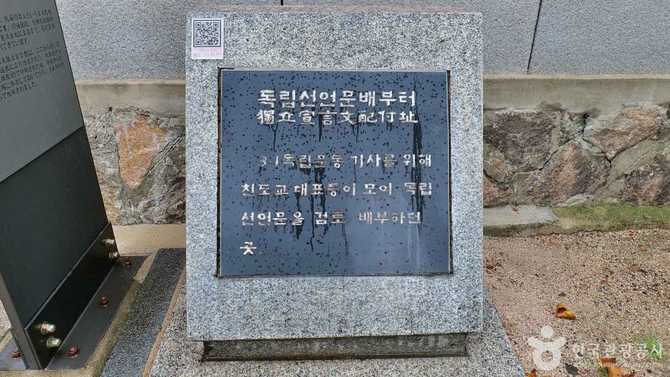
출처 : ⓒ한국관광콘텐츠랩 또는 ⓒ한국관광공사
Visit the Historic Site of the Korean Declaration of Independence Distribution in Jongno-gu
Location 서울특별시 종로구 삼일대로 457 (경운동)
Location 서울특별시 종로구 삼일대로 457 (경운동)
Are you interested in exploring the birthplace of Korea’s independence movement? Discover the significance of the site where independence activists distributed the Declaration of Independence in 1919, a symbol of Korea’s fight for freedom and sovereignty. Visiting this historic location offers a profound connection to Korea’s national history and the courage of those who fought for independence. Whether you’re a history enthusiast, a student on an educational trip, or a traveler seeking meaningful cultural experiences, this site provides valuable insights into Korea’s struggle for independence.
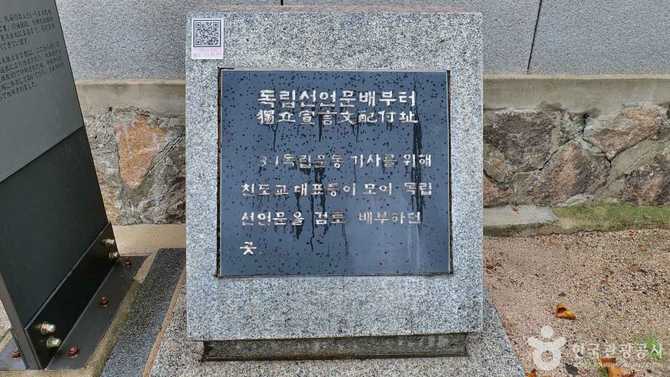
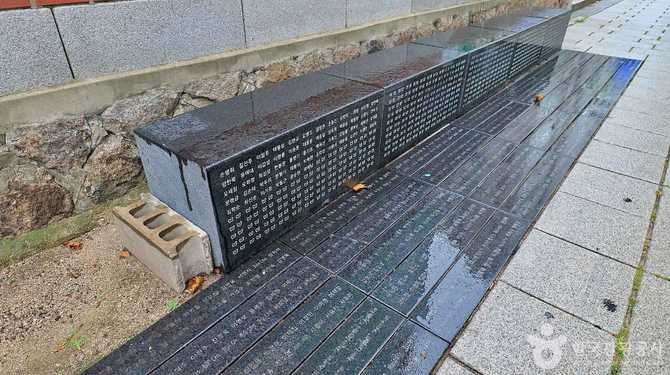
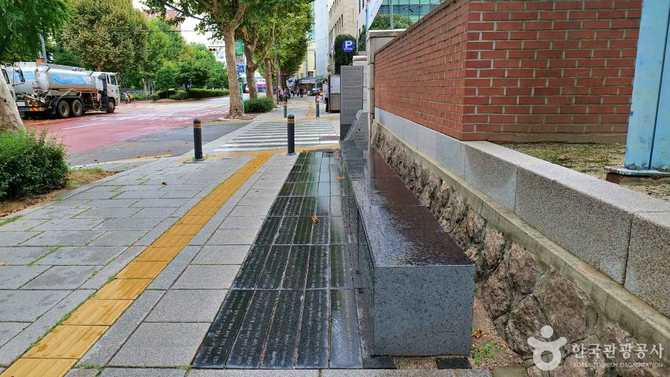
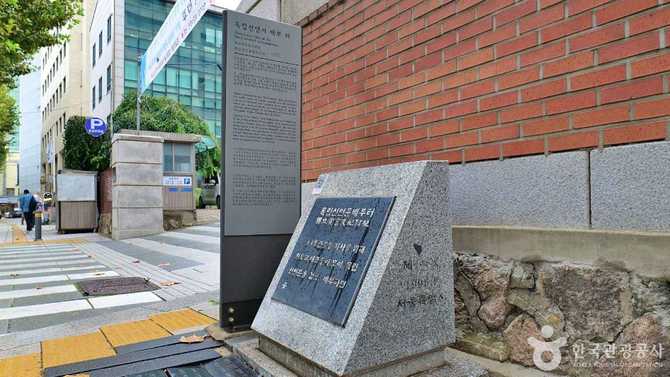
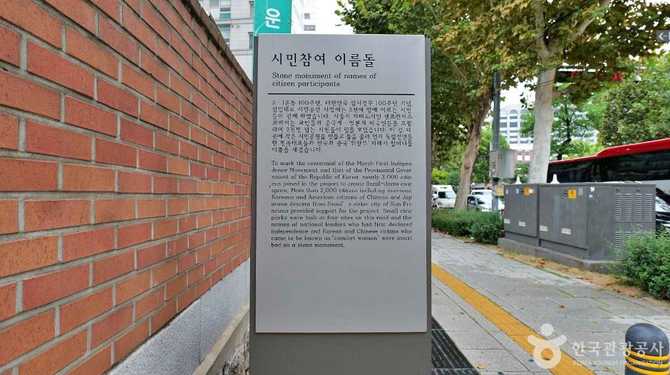
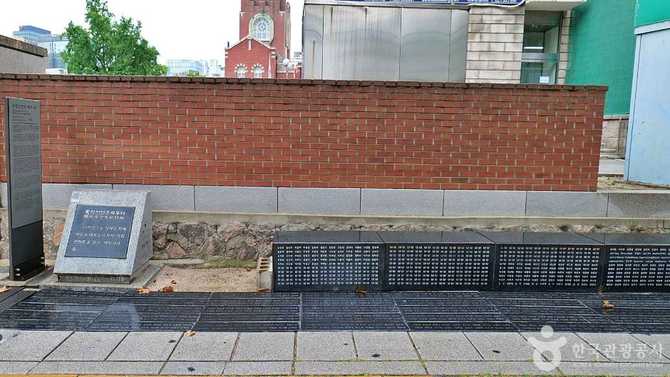
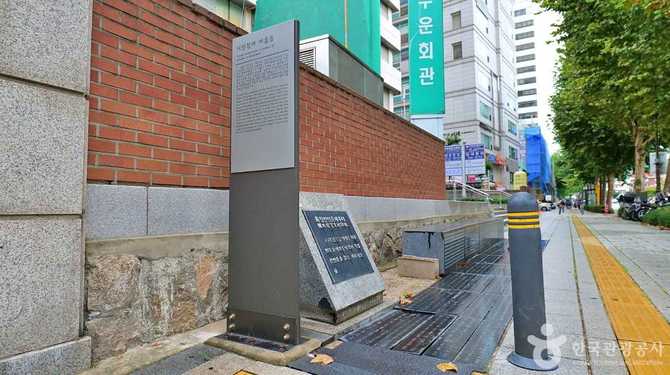
Located in Seoul’s Jongno-gu, the site of the Korean Declaration of Independence distribution is a must-visit for anyone interested in Korea’s independence movement. It’s a place that embodies the spirit of resistance and patriotism, where the seeds of Korea’s liberation were sown. The site is open year-round and free of charge, making it accessible for all visitors eager to learn about Korea’s historic fight for sovereignty. As you explore this important location, you will see commemorative plaques and the names of independence activists engraved on stones, fostering a deeper understanding of Korea’s national history.
In this guide, we will provide comprehensive information about the historical background of the site, how to visit, and why it remains a significant symbol of Korea’s independence. Whether you are visiting for educational purposes or personal interest, understanding the context and importance of this site enhances your experience and appreciation of Korea’s national heritage.
At a glance
- Who this is for
-
- Visitors interested in Korean history and independence movement
- Travelers exploring Seoul’s historic sites
- Students and educators studying Korea’s national liberation
- Key takeaways
-
- Location of the historic distribution of the Declaration of Independence in 1919
- Symbolic site representing Korea’s fight for independence
- Open year-round and free for public access
- Nearby landmarks include Boseong Printing House and Cheondo교 Daegyo-dang
- Memorializes independence activists with engraved names
- Tips & cautions
-
- Visit with respectful attitude towards the historical significance
- Be cautious to avoid damaging plaques or inscriptions
- Maintain quietness and decorum during your visit
- Wear comfortable clothing and shoes suitable for walking
- Bottom line
- Understanding and visiting this site offers a meaningful connection to Korea’s struggle for independence and national pride.
Historical Background of the Independence Distribution Site
The Independence Declaration Distribution Site in Jongno-gu holds a pivotal place in Korea’s national history as the location where independence activists publicly distributed the Declaration of Independence in 1919. During the Japanese colonial rule, Korea’s fight for sovereignty was fraught with hardship, but this site became a symbol of resistance and national pride. On March 1, 1919, a significant movement known as the March 1st Movement was initiated, demanding independence and rallying Koreans across the country. This location in Seoul’s Jongno-gu was central to those efforts, serving as a strategic point where independence leaders reviewed and disseminated the declaration document, which articulated Korea’s desire for sovereignty and freedom from Japanese rule.
The site’s historical significance is further underscored by its proximity to key locations like the Boseong Printing House, where the declaration was printed, and the Cheondo교 Daegyo-dang, a major religious and social center supporting independence activities. The place was carefully chosen for its visibility and symbolic importance, serving as a rallying point for independence demonstrations and gatherings. Despite the oppressive atmosphere of the time, the activists’ courage shone through as they used this location to inspire and mobilize the Korean people.
Today, this site remains a powerful reminder of Korea’s resilience and the sacrifices made for independence. The engraved names of independence fighters on nearby stones serve as a lasting tribute to their dedication and heroism. Visiting this location offers a profound insight into the early stages of Korea’s independence movement, emphasizing the collective effort to reclaim sovereignty. It is a must-visit for those interested in understanding Korea’s path to independence and the enduring spirit of patriotism that continues to inspire the nation.
Comparison of Key Facts About the Independence Declaration Distribution Site
| Feature | Details | Remarks |
|---|---|---|
| Location | Seoul, Jongno-gu, Samil-daero 457 | Near Boseong Printing House and Cheondo교 Daegyo-dang |
| Historical Significance | Site of the 1919 Korean Declaration of Independence distribution | Symbol of Korea’s resistance against Japanese colonial rule |
| Operational Hours | Open year-round, 24 hours | No restrictions on visiting hours |
| Admission Fee | Free | No cost for visitors |
| Accessibility | Accessible via public transportation, near major bus stops and subway stations | Easy to reach for international travelers |
| Special Features | Commemorative plaques, engraved names of independence fighters | Provides historical context and tribute |
Checklist of Significance and Visitor Tips for the Independence Declaration Site
- Understand the historical context: Recognize that this site was central to Korea’s independence movement in 1919, symbolizing resistance against colonial oppression.
- Respect the site: Maintain a respectful attitude, as it commemorates the sacrifices of countless independence fighters.
- Visit with appropriate attire: Wear comfortable clothing and shoes suitable for walking around the outdoor site.
- Observe silence and decorum: Keep noise to a minimum to honor the solemnity of the location.
- Do not damage inscriptions: Be cautious not to touch or deface plaques or engraved stones.
- Photograph responsibly: Take photos without disturbing other visitors and avoid touching or moving historical artifacts.
- Prepare for weather conditions: Bring an umbrella or sun protection depending on the season, as the site is mostly outdoors.
Visitor Guidelines and Precautions at the Independence Declaration Site
| Guideline | Details |
|---|---|
| Respect the historical significance | Maintain a respectful attitude towards the site and its symbols of independence. |
| Maintain silence and decorum | Keep noise to a minimum to preserve the solemn atmosphere. |
| Avoid damaging inscriptions | Refrain from touching or defacing plaques, engraved stones, or any artifacts. |
| Photograph responsibly | Take photos without disturbing other visitors and avoid touching or moving historical features. |
| Weather preparedness | Bring an umbrella, hat, or sun protection depending on the season, as the site is mostly outdoors. |
| Keep the environment clean | Dispose of trash properly and do not leave any litter behind. |
Visitor Checklist for Respectful and Safe Exploration
- Dress appropriately: Wear comfortable clothing and sturdy shoes suitable for outdoor walking and weather conditions.
- Arrive prepared: Bring essentials such as water, sun protection, or an umbrella depending on the weather forecast.
- Be mindful of others: Maintain a quiet demeanor and respect other visitors’ experience and reflection.
- Respect the site: Do not touch or move plaques, inscriptions, or any historical artifacts to preserve their integrity.
- Photograph with care: Take pictures without disturbing others and avoid touching or damaging the memorials.
- Follow signage and staff instructions: Adhere to posted guidelines and any directions provided by staff or security personnel.
- Secure personal belongings: Keep personal items safe and avoid leaving valuables unattended.
- Practice environmental responsibility: Dispose of trash properly and avoid littering to maintain the site’s cleanliness.
- Visit during appropriate hours: The site is open year-round, 24 hours, but visiting during daylight hours is recommended for safety and better experience.
- Show reverence: Remember the historical importance of this site and conduct yourself with respect and dignity.
Frequently Asked Questions (FAQ)
Q1: Where is the site of Korea’s Declaration of Independence distribution located in Seoul?
The site is located at 457 Samil-daero, Jongno-gu, Seoul, near Boseong Printing House and Cheondo교 Daegyo-dang. It is easily accessible by public transportation and is open year-round for visitors.
Q2: What is the historical significance of the Independence Declaration distribution site?
This site was where Korean independence activists distributed the Declaration of Independence in March 1919, marking the start of Korea’s independence movement against Japanese colonial rule. It symbolizes resistance and national pride in Korea’s history.
Q3: Is there an admission fee to visit the Independence Declaration site?
No, the site is open to the public free of charge and can be visited at any time throughout the year. There are no entrance fees or restrictions on visiting hours.
Q4: What should visitors keep in mind when visiting this historic site?
Visitors should maintain a respectful attitude, avoid damaging plaques or inscriptions, and keep noise to a minimum. Wearing comfortable clothing and shoes is recommended for outdoor walking.
Q5: When is the best time to visit the Independence Declaration site?
The site is open year-round and can be visited at any time. Visiting early in the morning or late in the afternoon can provide a quieter experience and better lighting for photos.
Q6: How can I prepare for my visit to this historical site?
Prepare by wearing comfortable clothes and shoes suitable for walking outdoors. It is also helpful to bring water, sun protection, or an umbrella depending on the weather, and to check any visitor guidelines beforehand.
Visit the Historic Site of the Korean Declaration of Independence Distribution in Jongno-gu
Exploring the historic site of the Korean Declaration of Independence distribution in Jongno-gu offers a meaningful opportunity to connect with Korea’s rich history of resistance and patriotism. This location stands as a testament to the courage and sacrifices made by independence activists who, in 1919, distributed the declaration that ignited Korea’s fight for sovereignty. Visiting this site allows travelers to gain a deeper understanding of Korea’s national identity and the resilience of its people during a challenging period of colonization.
As one of Korea’s most significant historical landmarks, the site provides an authentic experience of the country’s independence movement. Its accessibility—being open year-round and free of charge—makes it an ideal destination for international visitors, students, educators, and history enthusiasts alike. When planning your visit, remember to approach the site with respect and mindfulness of its importance. Taking time to reflect on the sacrifices of those who fought for Korea’s freedom will enrich your understanding and appreciation of Korea’s enduring spirit of independence.
Visiting this meaningful location not only deepens your knowledge of Korea’s past but also inspires a greater respect for the ongoing journey of national sovereignty and pride. Make sure to review the visitor guidelines and arrive prepared to honor this revered historical site. Your visit will undoubtedly be a memorable and educational experience that highlights Korea’s unwavering pursuit of independence.