
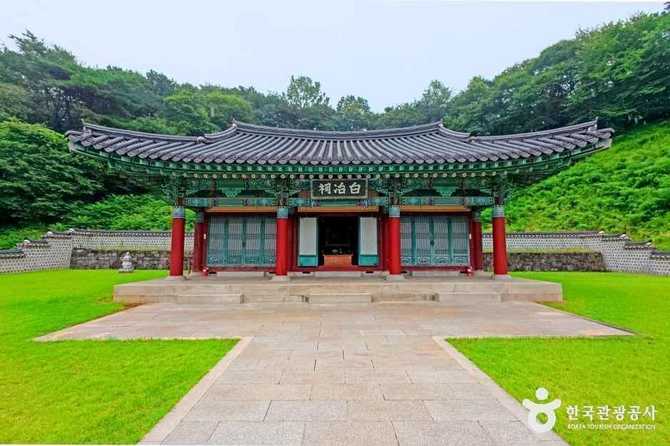
출처 : ⓒ한국관광콘텐츠랩 또는 ⓒ한국관광공사
Visit the Kim Jwa-jin Shrine: A Key Landmark in Korea’s Independence Movement
Location 충청남도 홍성군 갈산면 행산리 206-6
Location 충청남도 홍성군 갈산면 행산리 206-6
Discover the historical significance of the Kim Jwa-jin Shrine, a vital site dedicated to one of Korea’s most revered independence heroes. Whether you’re a history enthusiast or planning an educational trip, visiting this shrine offers a profound insight into Korea’s fight for independence and the legacy of Kim Jwa-jin.
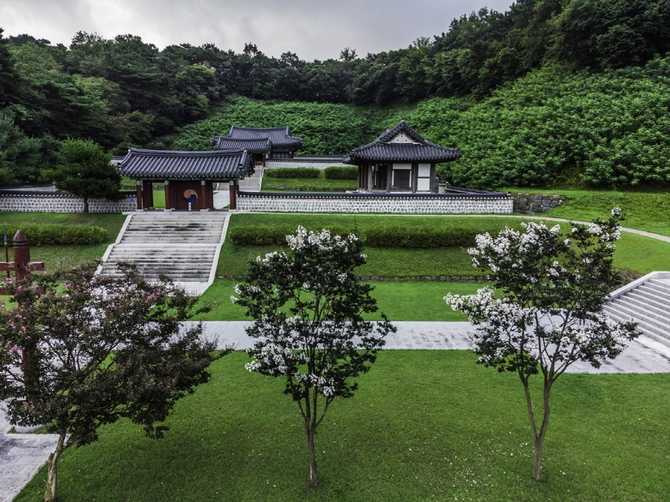
In this guide, you’ll learn about the life and achievements of Kim Jwa-jin, the details of his shrine, and practical information for your visit. Explore how this historic site embodies Korea’s independence movement, and gain a deeper understanding of its importance through detailed descriptions, visitor tips, and essential facts.
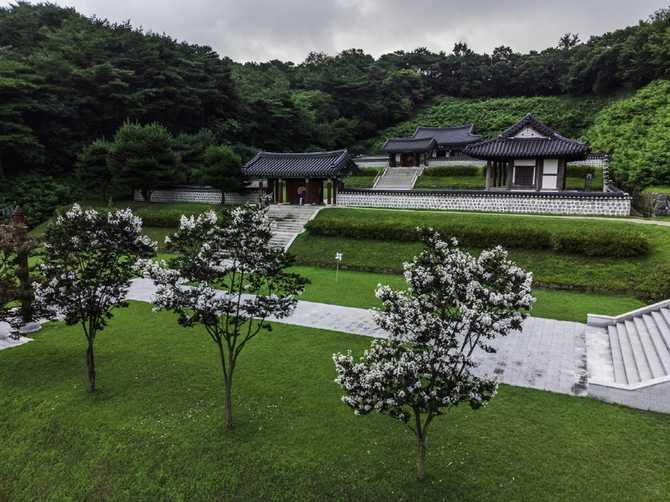
At a glance
- Who this is for
-
- Visitors interested in Korea’s independence history
- History buffs and educators
- Travelers planning a cultural or historical itinerary in Chungcheongnam-do
- Anyone seeking meaningful cultural experiences in Korea
- Key takeaways
-
- Kim Jwa-jin was a prominent leader in Korea’s independence movement, founding the Northern Military Government in 1919.
- The Cheongsanri Battle in 1920 was a major victory in Korea’s fight for independence, led by Kim Jwa-jin.
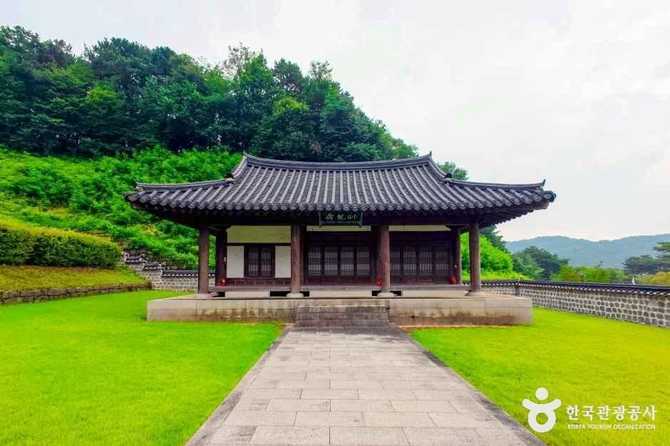
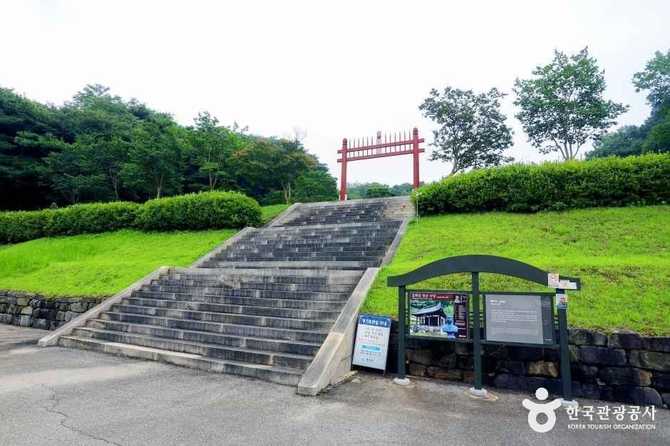
- The shrine, located in Hongseong County, preserves his birthplace and commemorates his contributions.
- Annual memorial ceremonies are held on October 25th at the shrine.
- Visitors can enjoy free entry, parking, and facilities year-round, with respectful visitation encouraged.
- Tips & cautions
-
- Maintain respectful behavior and observe proper shrine etiquette during visits.
- Check event schedules, especially around October 25th, to participate in memorial ceremonies.
- Arrive early or during less busy hours to avoid crowds during special events.
- Ensure to follow guidelines for preserving the site’s historical integrity.
- Bottom line
- Visiting the Kim Jwa-jin Shrine provides a meaningful connection to Korea’s independence history and honors a national hero’s legacy.
Embark on a journey to explore the life and legacy of Kim Jwa-jin, a key figure in Korea’s fight for independence. Located in Chungcheongnam-do, the Kim Jwa-jin Shrine is more than just a memorial; it is a symbol of patriotism and resilience that continues to inspire generations. This site not only preserves his birthplace but also hosts annual memorial rites that draw visitors from across the country and beyond.
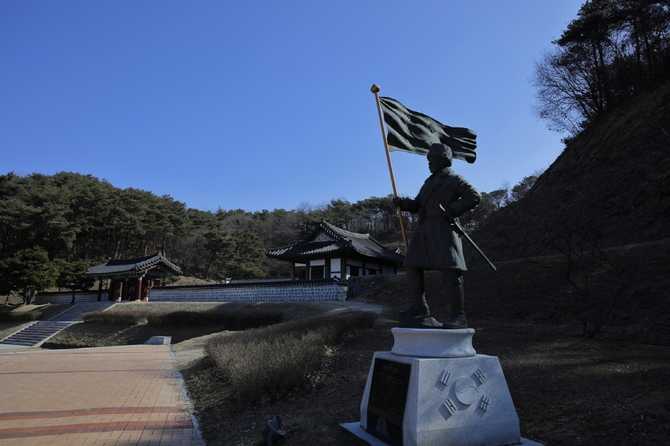
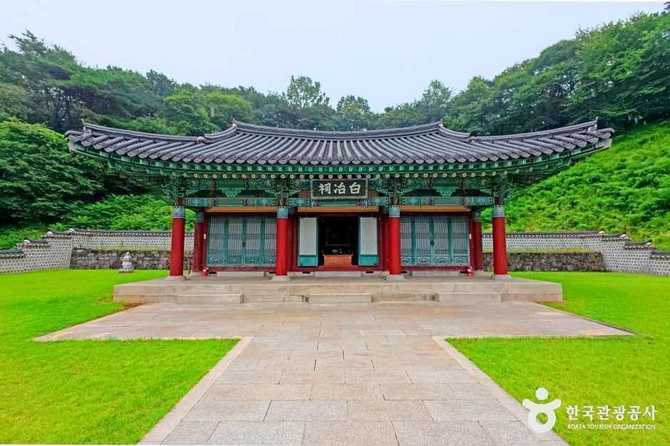
Understanding the historical context of Kim Jwa-jin’s contributions, including his leadership in the Northern Military Government and his role in the pivotal Cheongsanri Battle, enriches visitors’ appreciation of Korea’s independence movement. The shrine offers educational opportunities and a space for reflection on the sacrifices made for Korea’s sovereignty. Whether you are a history enthusiast or a curious traveler, visiting this shrine is an opportunity to connect with Korea’s patriotic past and honor its heroes.

Kim Jwa-jin’s Life and Contributions to Korea’s Independence Movement
Kim Jwa-jin stands as a prominent figure in Korea’s struggle for independence, embodying patriotism and leadership. Born in 1889 in what is now Hongseong County, Chungcheongnam-do, he dedicated his life to resisting Japanese colonial rule and advocating for national sovereignty. His role in Korea’s independence movement is widely recognized, especially for establishing the Northern Military Government in 1919, which served as a vital organization coordinating resistance efforts against Japanese forces. This movement was a significant step in unifying various independence activities under a centralized leadership, inspiring many Koreans to continue their fight for freedom.

Kim Jwa-jin’s leadership was crucial during the tumultuous period of the early 20th century. His strategic vision and dedication led to key victories, most notably the Cheongsanri Battle in 1920, which marked a turning point in Korea’s fight for independence. The battle was a major victory over Japanese forces, with Kim Jwa-jin leading guerrilla fighters in a series of successful engagements. His efforts not only boosted the morale of independence fighters but also demonstrated the possibility of resisting Japanese military power through guerrilla tactics.
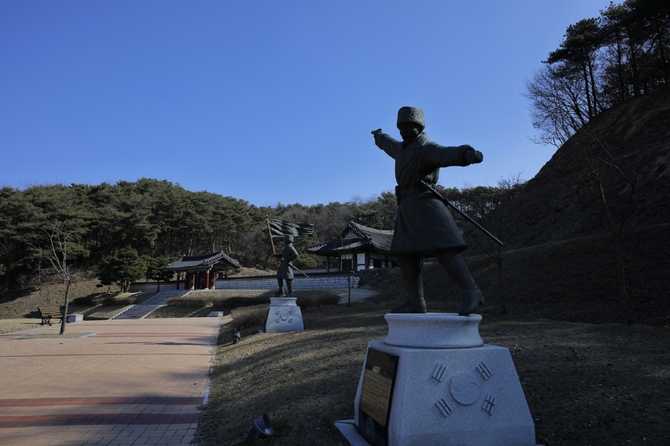
Throughout his life, Kim Jwa-jin remained committed to the cause of Korean independence, even at great personal risk. His leadership extended beyond military engagement; he also fostered a sense of national identity and resilience among Koreans. His legacy endures today as a symbol of patriotism and resistance. The historical significance of his contributions is commemorated at his shrine and birthplace, where visitors can learn about his life, achievements, and the broader context of Korea’s independence struggle. Understanding Kim Jwa-jin’s life provides valuable insight into the sacrifices made for Korea’s sovereignty and the enduring spirit of independence that continues to inspire Koreans today.
Comparison of Major Battles Led by Kim Jwa-jin
| Battle Name | Date | Location | Outcome | Significance |
|---|---|---|---|---|
| Cheongsanri Battle | October 21–26, 1920 | North Korea, near Cheongsanri River | Decisive victory for Korean guerrillas | Marked a turning point in resistance, boosting morale and showcasing guerrilla tactics |
| Hwanin Battle | 1920 | Hwanin, North Korea | Indecisive, but strategic resistance | Part of broader guerrilla campaigns against Japanese forces |
| Yongdong Battle | 1921 | Yongdong, North Korea | Tactical retreat, but morale maintained | Demonstrated resilience despite setbacks |
Kim Jwa-jin’s leadership in these battles exemplifies strategic guerrilla warfare that challenged Japanese forces during Korea’s fight for independence. The Cheongsanri Battle remains the most celebrated victory, symbolizing the resilience and tactical ingenuity of Korean fighters under his command. Comparing these engagements highlights his military acumen and the broader scope of his resistance efforts, which collectively contributed to Korea’s national liberation movement.

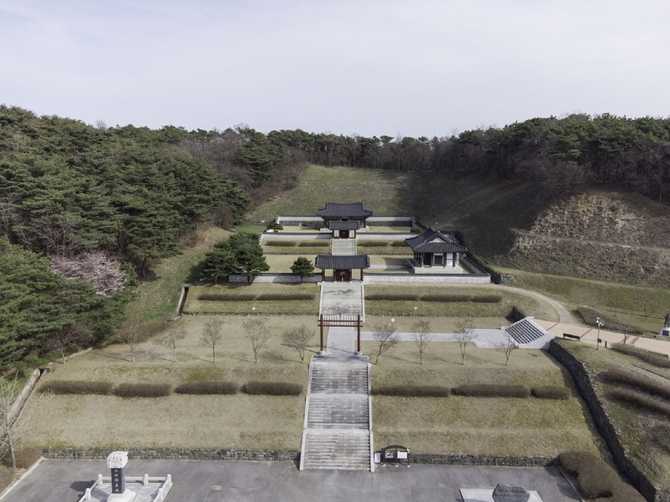
Restoration of Kim Jwa-jin’s Birthplace and Memorials in Hongseong
- 1991: The Hongseong County initiated the restoration project of Kim Jwa-jin’s birthplace, aiming to preserve his legacy and educate future generations about his contributions.
- Restoration Process: The original site was largely destroyed or unmarked, so efforts focused on reconstructing the historic location while maintaining authenticity. The project included clearing the area, restoring traditional architecture, and installing informative exhibits.
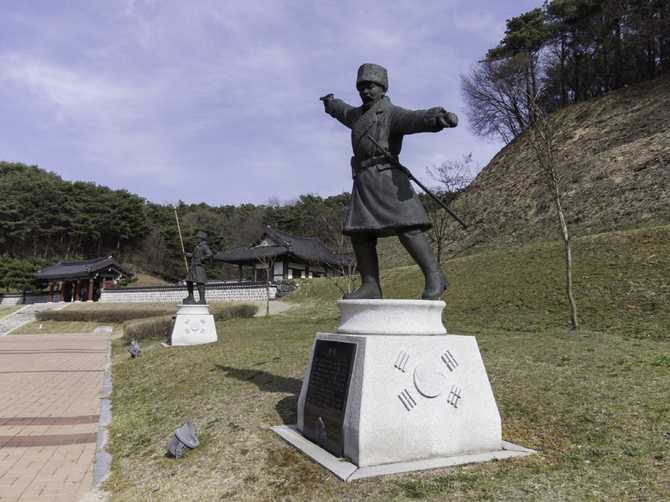
- Current Features: The restored site now features a memorial hall, a commemorative monument, and educational displays detailing Kim Jwa-jin’s life and the independence movement.
- Kim Jwa-jin Memorial Hall: Offers multimedia exhibits, photographs, and documents that narrate his leadership and the historical context of the independence struggle.
- Significance: The restoration emphasizes regional pride and national history, serving as a vital educational resource and cultural heritage site.
Kim Jwa-jin Shrine and Memorial Ceremonies
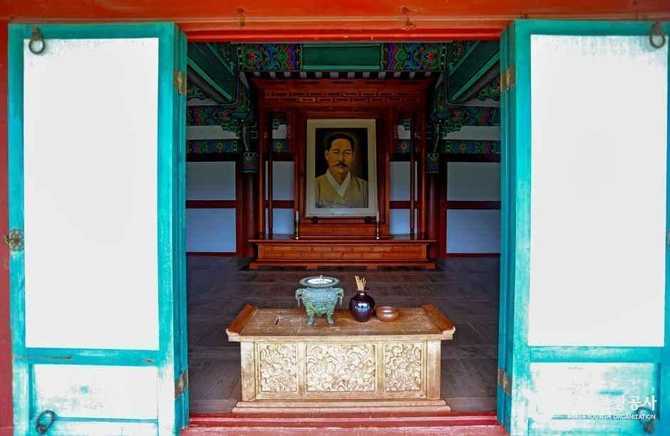
The Kim Jwa-jin Shrine, located in Hongseong County, is a sacred site dedicated to honoring the life and achievements of Korea’s independence hero. Every year on October 25th, the shrine hosts a memorial ceremony (제향) to pay tribute to Kim Jwa-jin and reinforce the spirit of patriotism. This event gathers local residents, history enthusiasts, and visitors from across the country, providing a meaningful opportunity to reflect on Korea’s independence movement and the sacrifices made by its heroes.
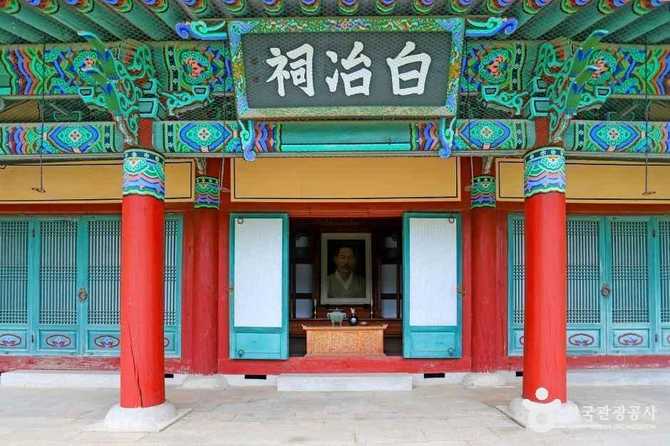
Participation in the memorial ceremony is a respectful act of remembrance. Visitors are encouraged to observe proper etiquette, such as quiet reflection and respectful behavior during the rites. The ceremony typically includes traditional offerings, prayers, and speeches commemorating Kim Jwa-jin’s contributions to Korea’s independence. The shrine’s atmosphere during these events offers a profound experience for those interested in Korea’s patriotic history and cultural traditions.
| Aspect | Details |
|---|---|
| Annual Memorial Ceremony | October 25th every year |
| Participation | Open to visitors; respectful attire and behavior required |
| Event Activities | Offerings, prayers, speeches, and cultural performances |
| Participation Tips | Arrive early, dress modestly, and observe shrine etiquette |
Visitor Information and Important Tips for Visiting Kim Jwa-jin Shrine
- Operating Hours: Open year-round from 9:00 AM to 6:00 PM. Visits outside these hours may not be permitted.
- Admission: Free entry for all visitors.
- Parking: Ample parking facilities are available on-site for visitors arriving by car.
- Facilities: Restrooms are provided within the shrine grounds for visitor convenience.
- Etiquette: Please maintain a respectful demeanor; speak quietly and follow shrine customs during your visit.
- Special Events: During memorial ceremonies or special occasions, the site may be crowded. It is advisable to arrive early or during less busy hours.
- Visiting Tips: Check the official schedule beforehand, especially if you wish to participate in ceremonies. Wear modest clothing and avoid disruptive behavior to preserve the solemn atmosphere.
- Environmental Responsibility: Please keep the site clean, dispose of waste properly, and avoid damaging or removing any artifacts or plants.
Frequently Asked Questions (FAQ)
Q1: Where is the Kim Jwa-jin Shrine located?
The Kim Jwa-jin Shrine is situated at 206-6 Hangsan-ri, Galsan-myeon, Hongseong-gun, Chungcheongnam-do, South Korea. It is accessible year-round with free admission and parking facilities available.

Q2: When is the best time to visit the Kim Jwa-jin Shrine?
The shrine is open daily from 9:00 AM to 6:00 PM. The most significant visit date is October 25th, when the annual memorial ceremony (제향) is held to honor Kim Jwa-jin.
Q3: What historical events are associated with Kim Jwa-jin?
Kim Jwa-jin was a key leader in Korea’s independence movement, founding the Northern Military Government in 1919. He led the victorious Cheongsanri Battle in 1920 against Japanese forces, which was a turning point in resistance efforts.

Q4: Are there any special events or ceremonies held at the shrine?
Yes, every October 25th, the shrine hosts a memorial ceremony (제향) to commemorate Kim Jwa-jin’s contributions. Visitors can participate respectfully in this annual event, which attracts many locals and visitors.
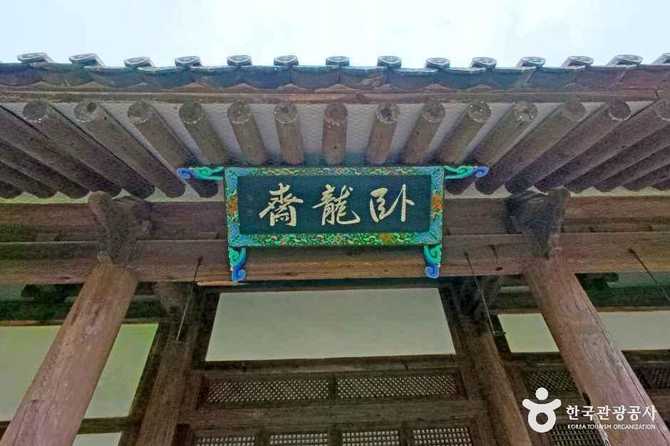
Q5: What facilities are available at the shrine for visitors?
The shrine provides free parking, restrooms, and a visitor center with exhibits about Kim Jwa-jin’s life and the independence movement. Visitors are advised to observe proper shrine etiquette during their visit.

Q6: Is there any recommended visiting etiquette or tips for visitors?
Visitors should maintain respectful behavior, speak quietly, and follow shrine customs during their visit. During special events or holidays, the site may be crowded, so arriving early or during less busy hours is recommended.
Experience the Significance of Visiting the Kim Jwa-jin Shrine
Visiting the Kim Jwa-jin Shrine offers a meaningful opportunity to connect with Korea’s rich history of independence and patriotism. As a symbol of resilience and resistance, this historic site allows visitors to reflect on the sacrifices made by Korea’s independence heroes, especially Kim Jwa-jin, a key figure in the country’s fight for sovereignty. Exploring his birthplace, restored in Hongseong, provides a deeper understanding of his leadership and the pivotal battles that shaped Korea’s modern history. The annual memorial ceremonies held here serve as a powerful reminder of the enduring spirit of independence and national pride. Whether you’re a history enthusiast, a student, or a traveler seeking cultural enrichment, a visit to this shrine is an educational and inspiring experience that honors Korea’s patriotic legacy. Remember to plan your trip during open hours, respect local customs, and participate in the commemorative events to fully appreciate the historical significance of this important site. Visiting the Kim Jwa-jin Shrine is not just about sightseeing; it’s about paying homage to the heroes who fought for Korea’s freedom and ensuring their sacrifices are remembered for generations to come.