
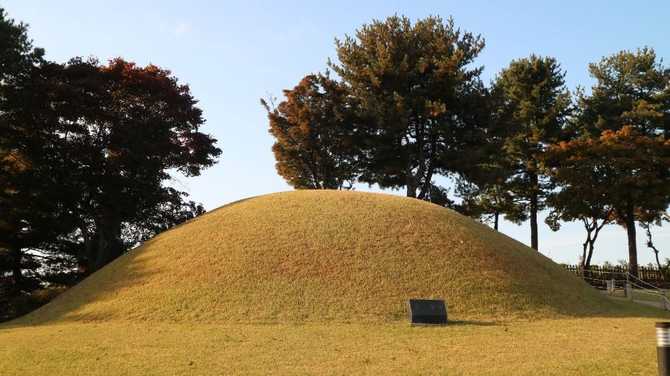
출처 : ⓒ한국관광콘텐츠랩 또는 ⓒ한국관광공사
Seoul Bangi-dong Ancient Tombs: Discover Korea’s Baekje Heritage
Location 서울특별시 송파구 오금로 219 (방이동)
Location 서울특별시 송파구 오금로 219 (방이동)
Explore the rich history of Korea through the Seoul Bangi-dong ancient tombs, a significant archaeological site from the Baekje period. Whether you’re a history enthusiast, a cultural researcher, or a traveler seeking to understand Korea’s ancient civilization, this site offers a fascinating glimpse into Korea’s past.
Visiting the Seoul Bangi-dong ancient tombs provides an excellent opportunity to learn about Baekje-era burial practices, discover ancient artifacts, and appreciate Korea’s cultural heritage firsthand. This guide will help you understand the historical significance, structure, and key features of this important archaeological site, along with practical visiting tips.
At a glance
- Who this is for
-
- History enthusiasts interested in Korea’s ancient periods
- Researchers studying Baekje culture and burial customs
- Travelers planning a cultural exploration in Seoul
- Cultural heritage advocates and preservationists
- Key takeaways
-
- The site features 8 ancient tombs from the Baekje era, including stone chamber tombs
- Some tombs have vaulted ceilings called 궁륭식 돌방무덤 (Gungnyung-style stone chamber tombs)
- Discover artifacts such as pottery from Baekje and Silla periods
- Site was excavated in the 1970s and later developed into a public park
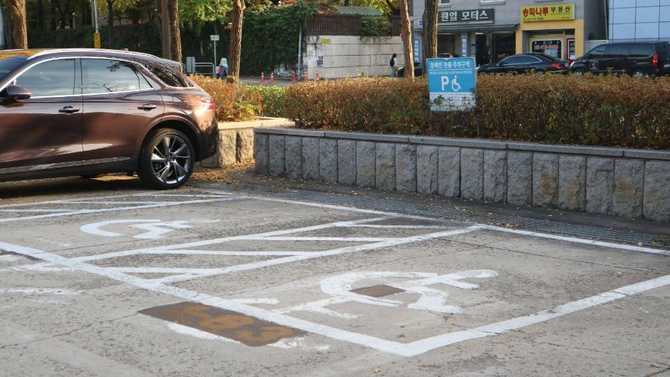
- Admission is free, open year-round, with limited parking facilities
- Tips & cautions
-
- Some tombs may have been looted, with artifacts damaged or missing
- Details of tomb structures are limited; some records are incomplete
- Parking is limited; public transportation is recommended
- Respect the site’s preservation guidelines; avoid disturbing artifacts
- Bottom line
- Seoul Bangi-dong ancient tombs offer an insightful look into Korea’s Baekje history and are ideal for cultural exploration and academic research.
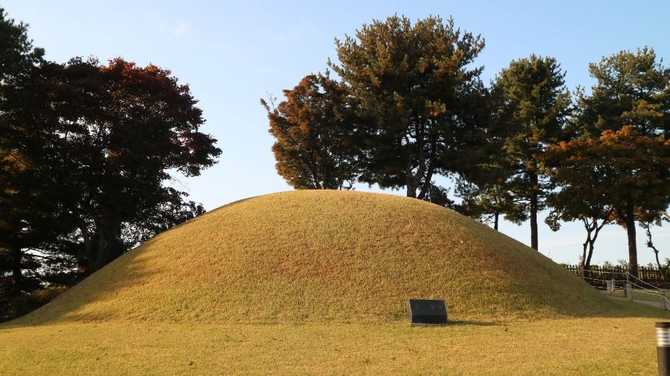
The Seoul Bangi-dong ancient tombs are a vital part of Korea’s cultural heritage, representing the burial customs and societal structure of the Baekje Kingdom. Located in the Songpa district, this archaeological site has been preserved and opened to the public after excavations and restorations that began in the 1970s.
This site features eight well-preserved tombs, some with vaulted ceilings characteristic of Baekje burial architecture, providing valuable insights into ancient Korean funerary practices. Artifacts such as pottery from both Baekje and Silla periods have been uncovered here, illustrating the cultural exchanges and trade relations of the time.
Visitors can enjoy exploring the site free of charge, with the site being accessible throughout the year. However, it’s important to note that some tombs may have been looted, and the structures are limited in detail, making expert-guided research crucial for a comprehensive understanding.

To make the most of your visit, public transportation is recommended due to limited parking options. Respect for the site’s preservation is essential; avoid touching or disturbing the artifacts. Whether you are a history buff, a student, or a casual tourist, the Seoul Bangi-dong ancient tombs provide a meaningful experience into Korea’s ancient past and its cultural legacy.
Overview and Historical Background of Seoul Bangi-dong Ancient Tombs
The Seoul Bangi-dong ancient tombs are a significant archaeological site that offers a glimpse into Korea’s Baekje period, one of the Three Kingdoms of ancient Korea. Located in the Songpa district of Seoul, this site contains eight well-preserved tombs dating back to approximately the 4th to 6th centuries CE. As an important cultural heritage asset, the site provides valuable insights into the funerary customs, social hierarchy, and material culture of the Baekje kingdom, which was known for its advanced civilization and vibrant trade networks.
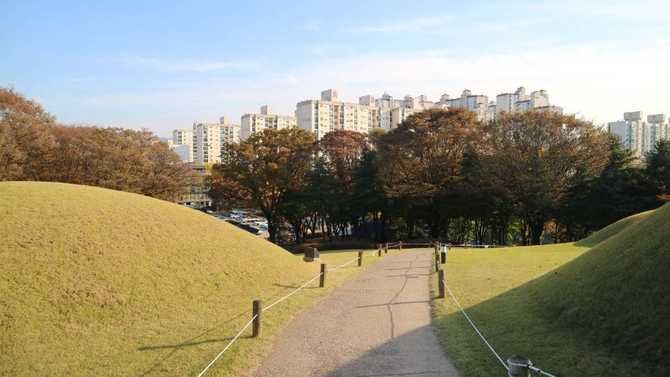
The tombs at Bangi-dong include a variety of structures, notably stone chamber tombs with vaulted ceilings, known as 궁륭식 돌방무덤 (Gungnyung-style stone chamber tombs). These tombs are characteristic of Baekje’s distinctive burial architecture, reflecting the society’s beliefs about the afterlife and social status. The site was first excavated in the 1970s, during which archaeologists uncovered numerous artifacts, including pottery from both Baekje and Silla periods, indicating cultural exchanges and trade relations between different kingdoms. After excavation, the site was carefully restored and developed into a public park, allowing visitors to explore Korea’s ancient history firsthand.
Today, the Seoul Bangi-dong ancient tombs serve as a vital educational resource and a popular destination for history enthusiasts, researchers, and tourists. The site’s open access and free admission make it an accessible way to learn about Korea’s early kingdoms and their burial customs. However, some tombs may have been looted or damaged over the centuries, emphasizing the importance of preservation efforts. The site’s historical background underscores its significance as a cultural treasure that connects modern Korea with its ancient past, illustrating the sophistication of Baekje society and its enduring legacy in Korean history.
Comparison of Tomb Structures and Artifacts at Seoul Bangi-dong
| Tomb Type | Structural Features | Estimated Period | Notable Artifacts |
|---|---|---|---|
| 궁륭식 돌방무덤 (Gungnyung-style stone chamber tomb) | Vaulted ceiling, stone chamber, rectangular layout | Baekje early period (4th-5th centuries) | Baekje pottery, gold ornaments, jade artifacts |
| 구덩식 돌덧널무덤 (Pitted stone chamber tomb) | Simple pit with stone lining, no vaulted roof | Later Baekje period (6th century) | Ceramic ware, iron tools, glass beads |
The tombs at Seoul Bangi-dong can be broadly categorized into two types. The first, 궁륭식 돌방무덤, features a vaulted ceiling supported by stone walls, typical of early Baekje burial practices. These tombs often contain elaborate artifacts such as pottery, jewelry, and sometimes gold or jade items, reflecting the high status of the interred individuals. The second type, 구덩식 돌덧널무덤, is a simpler pit-style tomb with a stone-lined grave, associated with later periods of Baekje, indicating evolving burial customs over time.
Artifacts uncovered from these tombs include pottery vessels from both Baekje and Silla, suggesting active cultural exchange. Items like glass beads, iron tools, and decorative objects provide insights into the daily life and social hierarchy of the ancient society. The comparison highlights the architectural and cultural diversity within the tombs, illustrating the development of burial practices and material culture across different periods of Baekje history. This comparison underscores the importance of the site for understanding the evolution of ancient Korean funerary customs and regional interactions.
Excavation and Restoration Process of Seoul Bangi-dong Tombs
- Initial Excavation: In the early 1970s, archaeologists conducted the first excavations, carefully locating and documenting the tombs’ positions and structures. This step was crucial for understanding the layout and significance of each tomb.
- Detailed Recording: During excavation, detailed records of the tombs’ dimensions, internal structures, and artifacts were documented. Photographs, sketches, and notes helped preserve the context of each find.
- Artifact Preservation: Artifacts recovered were cleaned, cataloged, and stored in controlled environments to prevent deterioration. Special attention was given to fragile items like pottery and jewelry.
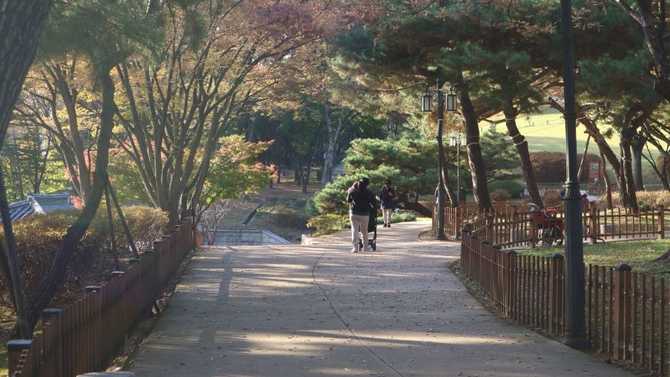
- Restoration and Development: Post-excavation, the site was restored and developed into a public park. Damaged structures were stabilized, and some tombs were reconstructed for display and educational purposes.
- Ongoing Research: Continuous archaeological work aims to uncover more about the tombs’ structures and artifacts, refining our understanding of Baekje burial customs.
- Conservation Efforts: Experts employ advanced preservation techniques to protect the site from environmental damage and vandalism.
Visiting Information and Tips for Seoul Bangi-dong Ancient Tombs
| Aspect | Details |
|---|---|
| Operating Hours | 08:00 AM to 06:00 PM (Open year-round) |
| Admission Fee | Free of charge |
| Parking Facilities | Limited parking available; public transportation recommended |
| Contact Information | Songpa-gu Office, Cultural Heritage Division, 02-2147-2001 |
Connection of Seoul Bangi-dong Tombs to Baekje Heritage and Research
- Historical Significance: The Seoul Bangi-dong tombs are closely linked to the Baekje Kingdom, one of Korea’s Three Kingdoms, known for its cultural sophistication and extensive trade networks.
- Archaeological Evidence: The discovery of Baekje-style stone chamber tombs and artifacts such as pottery, jade, and gold ornaments confirm the site’s importance as a Baekje burial site.
- Research and Excavation: Ongoing archaeological excavations and studies aim to uncover more about the burial customs, social hierarchy, and cultural exchanges of Baekje society.
- Historical Connections: The artifacts found here, including some from Silla, indicate active cultural interactions and trade between different Korean kingdoms during the early centuries CE.
- Preservation and Education: The site serves as a vital educational resource, helping both researchers and the public understand Korea’s ancient history and the legacy of Baekje.
- Research Focus: Scholars analyze artifacts and tomb structures to better understand Baekje’s funerary practices, societal structure, and cultural influences.
- Future Studies: With ongoing excavations, new discoveries are expected to deepen our knowledge of Baekje’s regional interactions and its role in Korean history.
- Conservation Efforts: Preservation projects aim to protect the tombs and artifacts from environmental and human damage, ensuring their availability for future generations.
Frequently Asked Questions (FAQ)
Q1: What is the historical significance of Seoul Bangi-dong ancient tombs?
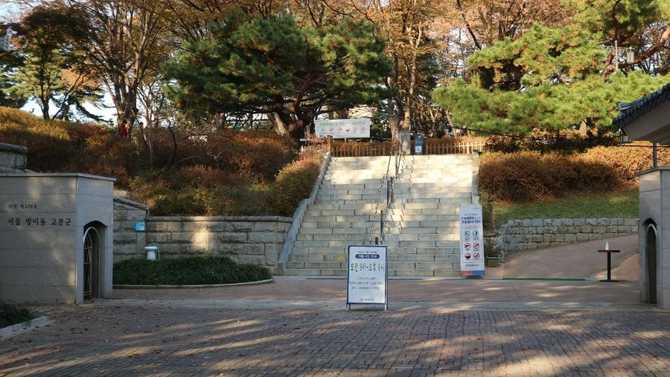
The Seoul Bangi-dong ancient tombs are important archaeological sites from the Baekje period, providing insights into burial customs, social hierarchy, and material culture of Korea’s Three Kingdoms era. They are key to understanding early Korean civilization and its cultural exchanges.
Q2: How many tombs are preserved at the Seoul Bangi-dong site?
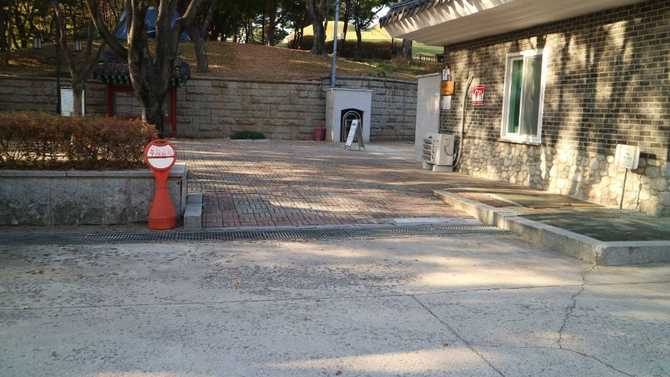
There are currently eight well-preserved tombs at the site, some featuring vaulted ceilings known as 궁륭식 돌방무덤, which are characteristic of Baekje burial architecture.
Q3: What are the main features of the tomb structures at Seoul Bangi-dong?

The tombs include vaulted stone chamber tombs with rectangular layouts and simpler pit-style tombs. Some structures have elaborate stone ceilings, reflecting different periods of Baekje burial practices.
Q4: What artifacts have been found in the Seoul Bangi-dong tombs?
Artifacts such as Baekje pottery, gold ornaments, jade items, and Silla-era pottery have been uncovered, indicating cultural exchange and social status of the interred individuals.
Q5: Is there any risk of damage or looting at the site?
Some tombs may have been looted or damaged over time, resulting in missing or damaged artifacts. Visitors are advised to respect the site and avoid touching or disturbing the structures to help preserve the heritage.

Q6: How can I best visit the Seoul Bangi-dong ancient tombs?
The site is open year-round with free admission. Due to limited parking, it is recommended to use public transportation. Be sure to follow preservation guidelines during your visit.
Final Thoughts on Visiting Seoul Bangi-dong Ancient Tombs
Visiting the Seoul Bangi-dong ancient tombs offers a unique opportunity to connect with Korea’s rich historical and cultural heritage. As one of the most significant Baekje-era archaeological sites in Seoul, this location provides valuable insights into ancient burial practices, societal structures, and material culture. Whether you are a history enthusiast, a researcher, or simply curious about Korea’s past, exploring these tombs can deepen your understanding of Korea’s early kingdoms and their influence on modern society.
Remember that the site is open year-round and free of charge, making it an accessible destination for all visitors. While some tombs may have been looted or damaged over the centuries, the remaining structures and artifacts still tell compelling stories about the people of Baekje. To make the most of your visit, consider arriving via public transportation, as parking options are limited. Always be respectful of the site’s preservation efforts by avoiding touching artifacts or engaging in disruptive behavior.
Understanding the historical context and ongoing research surrounding these tombs can greatly enhance your experience. The Seoul Bangi-dong ancient tombs serve as a vital link to Korea’s ancient civilization, offering a tangible connection to the lives and customs of the Baekje people. Visiting this site not only enriches your knowledge but also contributes to the appreciation and preservation of Korea’s invaluable cultural heritage. Make sure to take your time, observe respectfully, and reflect on the historical significance of this remarkable archaeological treasure.