
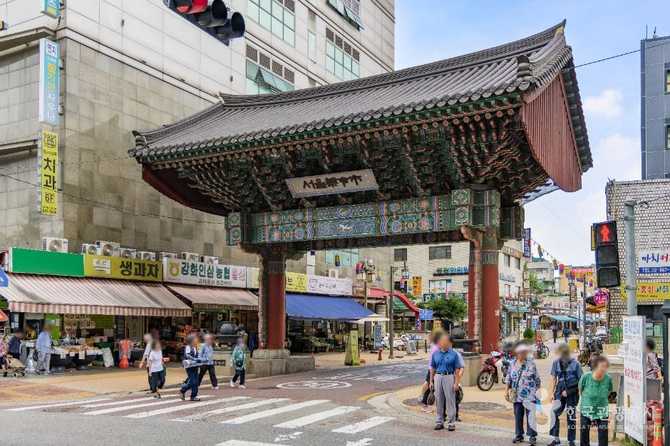
출처 : ⓒ한국관광콘텐츠랩 또는 ⓒ한국관광공사
Discover Seoul Yakryeong Market: Korea’s Largest Traditional Herbal Market
Location 서울특별시 동대문구 약령중앙로 10
Location 서울특별시 동대문구 약령중앙로 10
Are you interested in exploring Korea’s rich herbal medicine heritage? Visit Seoul Yakryeong Market to experience the vibrant history and modern developments of Korea’s leading traditional herbal market, a hub for herbal medicine trading, culture, and business opportunities.
At a glance
- Who this is for
-
- Travelers interested in traditional Korean medicine
- Herbal medicine enthusiasts and researchers
- Business professionals involved in herbal product trade
- Cultural explorers seeking Korea’s historical markets
- Key takeaways
-
- Founded during the Joseon Dynasty, dating back to the reign of King Hyojong
- Modernized in the 1960s, now Korea’s largest herbal market
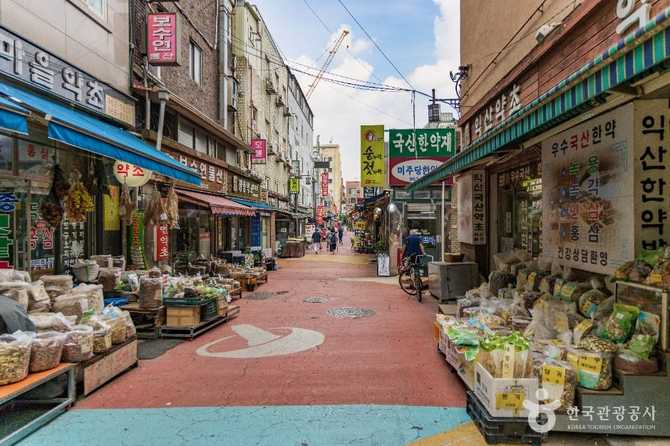
- Expansive market with over 280,000 square meters of herbal products
- Active in global herbal medicine exports, especially to China, Japan, and New Zealand
- Offers a rich blend of tradition and contemporary herbal trade
- Tips & cautions
-
- Check individual store hours and holidays before visiting
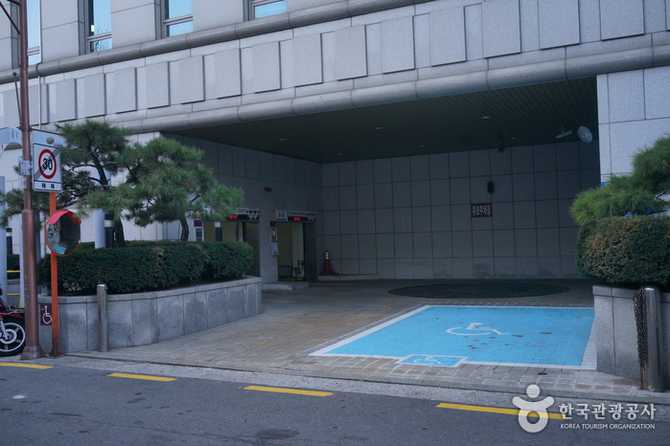
- No parking facilities available; use public transportation
- Consult with herbal experts before purchasing herbal medicines
- Supply and prices may vary seasonally and due to supply chain
- Bottom line
- Visiting Seoul Yakryeong Market offers a unique glimpse into Korea’s traditional herbal medicine industry and its modern evolution.
Seoul Yakryeong Market, known as Seoul Yakryeongsi, is Korea’s largest traditional herbal medicine market with a history that spans centuries. From its origins during the Joseon Dynasty to its modern-day prominence, this market has been a vital center for herbal medicine trading, cultural exchange, and business development. Whether you are a visitor interested in Korea’s rich medical traditions, a researcher exploring herbal ingredients, or a business professional involved in herbal exports, Seoul Yakryeong Market offers a comprehensive experience of Korea’s herbal heritage.
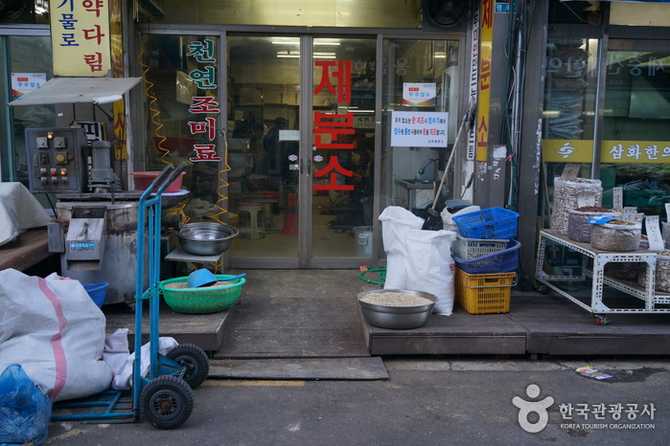
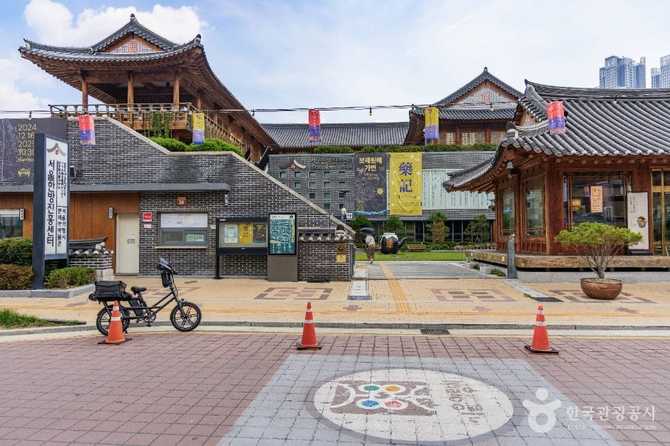
Located conveniently in Seoul, this historic market has evolved from a traditional gathering place into a modern hub that still retains its cultural roots. Its expansive size, diverse herbal products, and active international trade make it a must-visit destination for those interested in traditional Korean medicine and herbal industries. Explore the vibrant stalls, learn about herbal ingredients like ginseng and honey, and observe Korea’s dedication to herbal medicine’s past, present, and future.
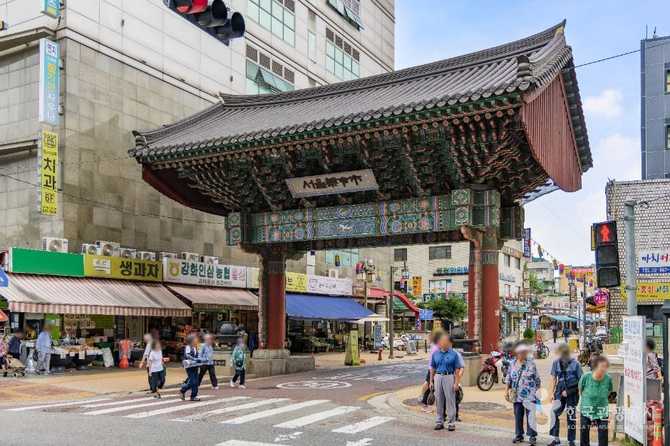
In this guide, you’ll find detailed information about Seoul Yakryeong Market’s history, development, key products, global trade activities, and practical visiting tips. Whether you are planning a cultural trip, a business venture, or simply want to learn about Korea’s herbal traditions, understanding Seoul Yakryeong Market’s significance will enrich your experience and appreciation of Korea’s herbal medicine industry.
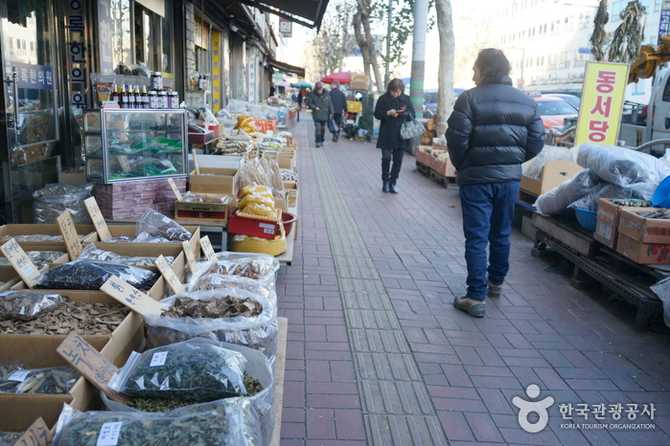
History and Origins of Seoul Yakryeong Market
Seoul Yakryeong Market stands as Korea’s most historic and prominent traditional herbal medicine marketplace, with a history deeply rooted in the nation’s medical and trading traditions. The focus keyword for this section is Seoul Yakryeong Market. Its origins trace back to the Joseon Dynasty, specifically during the reign of King Hyojong, when it first emerged as a vital hub for collecting and distributing medicinal herbs. During this period, it served as a gathering place for herbalists, merchants, and scholars, facilitating the exchange of traditional medicinal ingredients and knowledge.
Initially, the market operated as seasonal trading points called ‘Chunryeong’ and ‘Churyeong,’ which corresponded to the harvesting seasons of medicinal herbs. These markets were held twice a year, aligning with the planting and harvesting cycles of herbs such as ginseng, licorice, and various roots and leaves. Over time, the market’s significance grew as it became a central location for the collection and sale of rare and valuable herbs, supporting Korea’s traditional medicine practices.
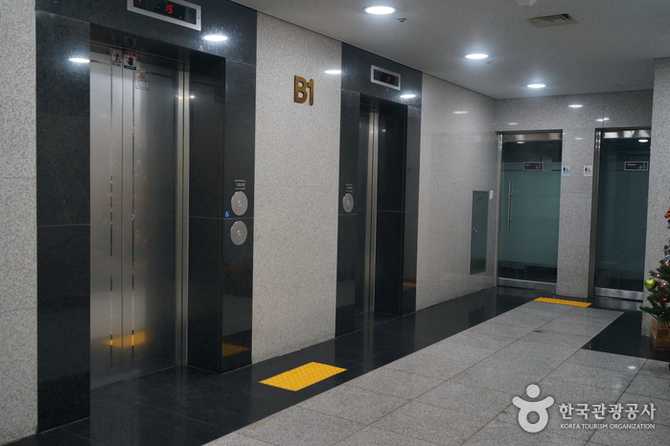
In the modern era, particularly beginning in the 1960s, Seoul Yakryeong Market underwent significant transformation. The market was modernized to accommodate the increasing demand for herbal products and to facilitate trade both domestically and internationally. Its strategic location near transportation hubs like Cheongnyangni Station and the Mangu-dong bus terminal contributed to its expansion. This modernization included the establishment of permanent stalls, improved facilities, and expanded product offerings, making it the largest herbal market in Korea today.
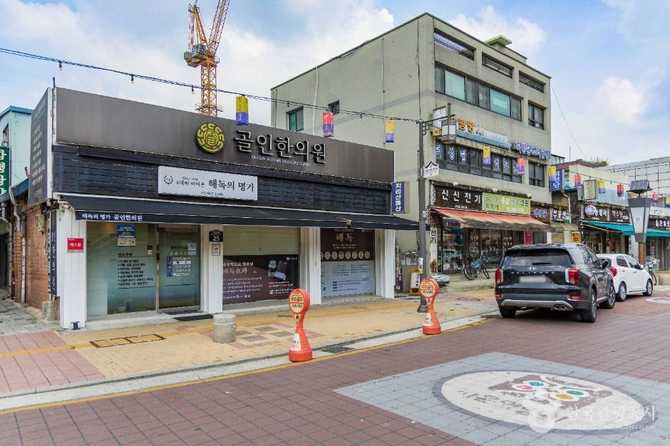
Today, Seoul Yakryeong Market continues to honor its historical roots while embracing modern trade practices. It has grown into a vibrant marketplace that not only supplies Korea’s traditional medicine industry but also exports herbal products worldwide. Its long-standing history as a center for herbal medicine, combined with its ongoing development, makes Seoul Yakryeong Market a unique blend of Korea’s rich heritage and modern economic growth.
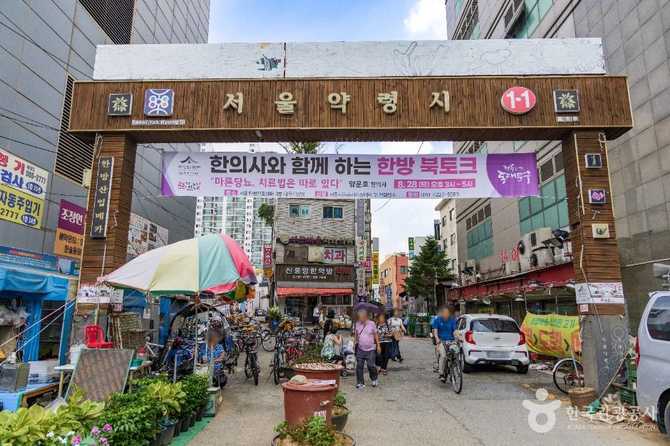
Market Development and Modern Changes
| Period | Development Stage | Key Features |
|---|---|---|
| 1960s | Initial Modernization | Establishment of permanent stalls, introduction of modern facilities, expansion of herbal product variety |
| 1970s | Market Expansion | Relocation of traditional herbal shops, increased product diversity, growth in customer base |
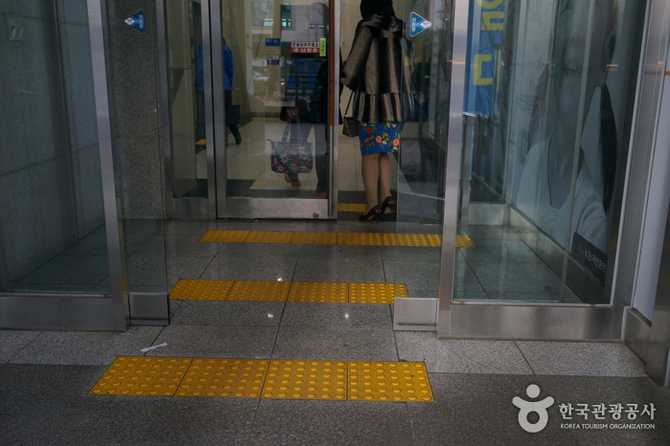
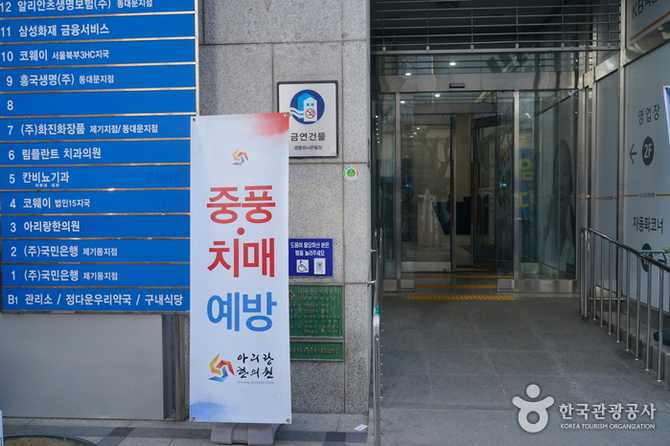
| 1980s | Modern Infrastructure | Implementation of modern market facilities, improved sanitation, and accessibility features |
| 1983 onwards | Product Diversification | Addition of new herbal products like ginseng, honey, and herbal extracts, expanding export options |
| 1995 | Official Naming & Global Growth | Renamed to Seoul Yakryeong Market, increased international recognition, active export/import activities |
This progression highlights how Seoul Yakryeong Market evolved from a traditional herbal gathering into a modern, globally recognized marketplace. The continuous improvements in infrastructure, product diversity, and international trade have established it as Korea’s premier herbal medicine hub, blending tradition with innovation to meet contemporary demands.
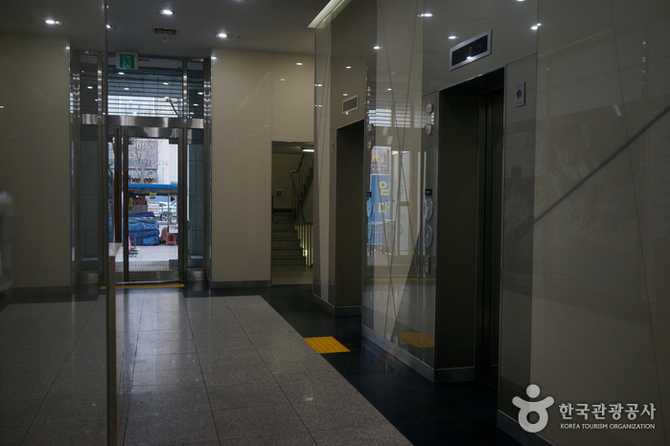
Main Products and Market Size
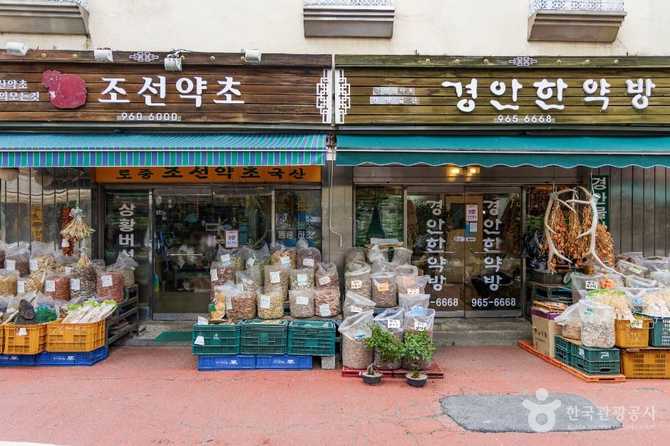
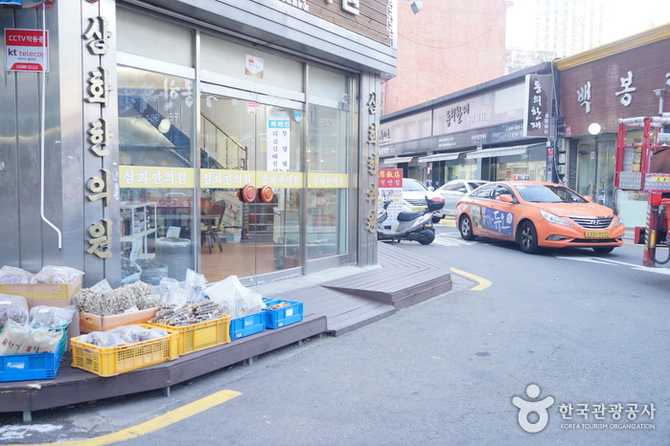
- Herbal and Medicinal Plants: A wide array of traditional herbs, roots, and leaves including ginseng, licorice, angelica, and dong quai.
- Specialized Products: Ginseng, honey, herbal extracts, and medicinal powders are among the most sought-after items.
- Export-Oriented Items: Herbal medicines, extracts, and herbal teas exported to countries like China, Japan, and New Zealand.
- Herbal Supplements & Preparations: Ready-to-use herbal products for health and wellness markets.
The market covers an expansive area of approximately 280,688 square meters (about 84,908 pyeong), hosting numerous shops and vendors. This large scale allows for a diverse selection of herbal products, catering to both traditional practitioners and modern consumers. The market’s extensive size supports a broad supply chain, from raw herbs to processed herbal medicines, making it a comprehensive hub for Korea’s herbal industry.
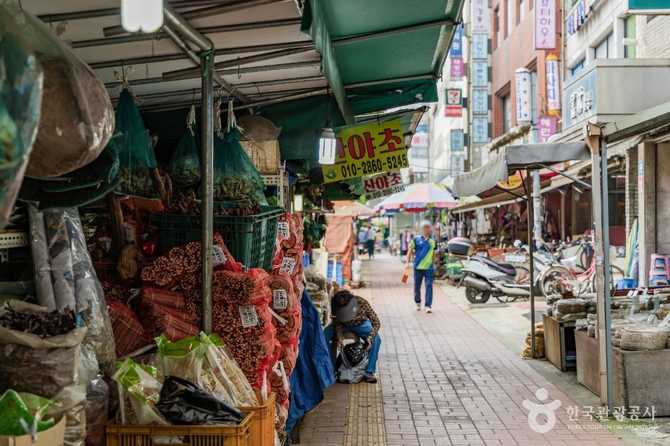
Visitors should note that individual store hours and holidays may vary, so it is advisable to check ahead of your visit. Although the market does not offer dedicated parking facilities, accessible public transportation options are plentiful, including subway stations and bus routes nearby. Whether you are a herbal medicine enthusiast, a business trader, or a cultural explorer, Seoul Yakryeong Market’s vast product range and size make it a must-visit destination for experiencing Korea’s herbal heritage firsthand.
Global Trade and Export Activities of Seoul Yakryeong Market
Seoul Yakryeong Market plays a vital role not only within Korea but also on the international stage by actively engaging in the export and import of traditional herbal medicines and related products. Its global trade activities have significantly contributed to elevating Korea’s reputation in the field of herbal medicine and traditional health products. The market’s strategic focus on international markets has fostered strong trade relationships with several key countries, making it a prominent hub for Korea’s herbal export industry.
| Country | Main Exported Items | Trade Characteristics |
|---|---|---|
| China | Herbal medicines, ginseng, herbal extracts | Primary export partner, high demand for traditional Korean herbal products |
| Japan | Herbal medicines, herbal teas, medicinal powders | Active trade in herbal teas and traditional medicine ingredients |
| New Zealand | Herbal extracts, medicinal herbs | Growing demand for natural and organic herbal products |
| Other countries | Herbal supplements, herbal medicines, extracts | Expanding global markets, increasing export volume |
Seoul Yakryeong Market’s active participation in international trade has helped promote Korea’s traditional herbal medicine globally. Its exports to China, Japan, New Zealand, and other countries continue to grow, driven by increasing global interest in natural health products and traditional medicine. The market’s focus on quality, authenticity, and traditional methods ensures that Korea’s herbal products maintain a competitive edge in the international marketplace.
Visitor Information and Practical Tips for Seoul Yakryeong Market
- Check store hours and holidays: Each shop within Seoul Yakryeong Market may have different operating hours and holiday schedules. It is advisable to verify these details before your visit to avoid inconvenience.
- Use public transportation: The market does not provide parking facilities. To reach Seoul Yakryeong Market conveniently, utilize nearby subway stations such as Cheongnyangni Station or bus routes that serve the area.
- Consult herbal experts: When purchasing herbal medicines or supplements, seek advice from certified herbalists or knowledgeable vendors to ensure safety and authenticity.
- Be prepared for seasonal and supply variations: The availability and prices of herbal products can fluctuate based on seasonality and supply chain conditions. Plan accordingly, especially if you are sourcing specific herbs or products.
- Carry cash or cards: Many vendors accept both cash and card payments, but it’s best to carry some cash for smaller transactions or vendors that do not accept electronic payments.
- Respect cultural practices: When engaging with vendors and participating in traditional trade, observe local customs and show appreciation for Korea’s herbal heritage.
Whether you visit during the day or evening, Discover Seoul Yakryeong Market is a meaningful stop on any Seoul itinerary for history-minded travelers.
Frequently Asked Questions (FAQ)
Q1: When did Seoul Yakryeong Market originally open?
An: The market’s origins date back to the Joseon Dynasty during King Hyojong’s reign, serving as a key herbal medicine trading hub at that time.
Q2: When did Seoul Yakryeong Market modernize and expand?
An: The market underwent significant modernization starting in the 1960s, with permanent stalls and improved facilities, growing into Korea’s largest herbal market by the 1970s and beyond.
Q3: What are the main products sold at Seoul Yakryeong Market?
An: The market primarily sells herbal medicines, roots, herbs like ginseng and licorice, honey, herbal extracts, and herbal supplements, with many items exported internationally.
Q4: How active is Seoul Yakryeong Market in international trade?
An: The market actively exports herbal products to countries such as China, Japan, and New Zealand, and engages in import activities to support Korea’s herbal medicine industry.
Q5: What should visitors keep in mind when visiting Seoul Yakryeong Market?
An: Visitors should check individual store hours and holidays beforehand, use public transportation as parking is unavailable, and consult herbal professionals when purchasing herbal medicines.
Q6: How large is Seoul Yakryeong Market?
An: The market covers approximately 280,688 square meters (around 84,908 pyeong) and hosts numerous shops offering a wide variety of herbal products.
Final Thoughts on Seoul Yakryeong Market
Visiting Seoul Yakryeong Market offers a unique opportunity to immerse yourself in Korea’s rich tradition of herbal medicine while witnessing its modern evolution. As Korea’s largest and most historic herbal market, it provides a comprehensive glimpse into the country’s herbal industry, blending centuries-old practices with contemporary trade and export activities. Whether you are a curious traveler, a herbal product trader, or a cultural enthusiast, exploring this vibrant marketplace will deepen your understanding of Korea’s herbal heritage and its global influence.
Keep in mind that the market’s vast size and diverse offerings mean that each visit can be a different experience. Be sure to check the operating hours and store holidays beforehand, as they may vary across vendors. Since parking facilities are not available, utilizing public transportation is highly recommended for convenience and ease of access. For those interested in herbal medicines, consulting with knowledgeable vendors or herbalists on-site can enhance your understanding and ensure safe purchases. Remember that herbal products are seasonal and supply-dependent, so availability might fluctuate.
Overall, Seoul Yakryeong Market stands as a testament to Korea’s enduring dedication to traditional medicine and herbal craftsmanship. It is a place where history, culture, and modern commerce intersect, making it a must-visit destination for anyone interested in Korea’s herbal industry. By experiencing the market firsthand, visitors can appreciate the depth of Korea’s herbal medicine legacy and witness its ongoing contribution to health, wellness, and international trade. Whether exploring for cultural enrichment or business opportunities, Seoul Yakryeong Market remains a vital hub that continues to thrive and adapt, ensuring its relevance for generations to come.