
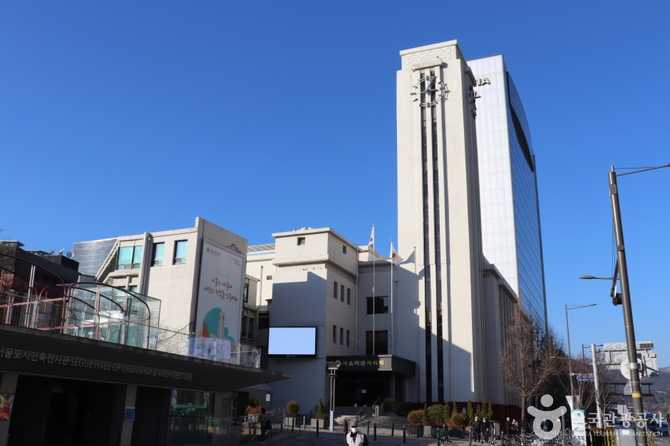
Korean Independence Movement Landmark: The Gyeongseong Bumin-gwan Bombing Incident
Discover the historic significance of the Gyeongseong Bumin-gwan bombing, a symbol of Korean resistance during the Japanese occupation, and explore its impact on Korea’s fight for independence.
At a glance
- Who this is for
-
- History enthusiasts interested in Korea’s modern independence movement
- Researchers and students studying Japanese occupation resistance
- Tourists seeking to understand Korea’s historical landmarks
- General visitors curious about Korea’s fight for sovereignty
- Key takeaways
-
- The Gyeongseong Bumin-gwan was a cultural and assembly venue established in 1935 in Seoul.
- On July 24, 1945, young independence fighters carried out a bombing to protest Japanese rule.
- The bombing involved homemade bombs set in the Bumin-gwan building to halt a pro-Japanese event.
- This act symbolized Korean resistance just before liberation from Japanese occupation.
- The site now features a commemorative marker highlighting its historical importance.
- Tips & cautions
-
- The bombing involved illegal and violent acts; understand their historical context.
- Respect the site as a memorial representing Korea’s independence spirit.
- Legal and ethical considerations are important when discussing or visiting the site.
- Bottom line
- Understanding the Gyeongseong Bumin-gwan bombing helps appreciate Korea’s enduring fight for independence and sovereignty.
The Gyeongseong Bumin-gwan bombing incident stands as a powerful symbol of Korea’s resistance against Japanese colonial rule during the early 20th century. This significant event took place at the Gyeongseong Bumin-gwan, a cultural and assembly hall built in 1935 in Seoul, which served as a hub for various cultural activities and political gatherings. On July 24, 1945, just before Korea’s liberation, a group of passionate young independence fighters carried out a daring bombing attack to disrupt a pro-Japanese event held at the venue. Their courageous act aimed to demonstrate the unwavering resolve of the Korean people to achieve independence, even through acts of resistance that involved violence.
Today, the site of the bombing is marked by a commemorative plaque, serving as a reminder of the sacrifices made in Korea’s fight for sovereignty. This event is not only a historical milestone but also a testament to the resilience and patriotism of Korea’s independence movement. Visitors and researchers interested in Korea’s modern history can learn about this pivotal moment that symbolized the collective desire for freedom during a dark period of colonial oppression. Understanding this event provides insight into Korea’s broader struggle for independence, which involved numerous acts of resistance and sacrifice by countless individuals.
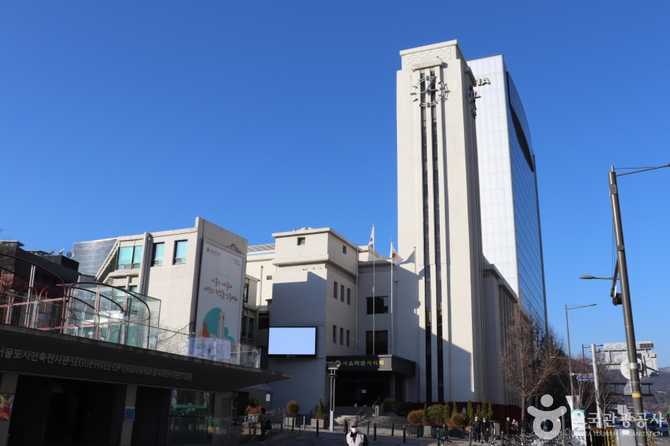
In this article, we will explore the background and significance of the Gyeongseong Bumin-gwan bombing, the key figures involved, and how the event is remembered today. Whether you are a history enthusiast, a student, or a traveler seeking to deepen your understanding of Korea’s past, this site offers a compelling story of courage and resistance that shaped modern Korea. The incident remains a symbol of national pride and a reminder of the enduring spirit that fueled Korea’s journey toward independence.
Read on to discover the detailed history, the context of the event, and how this landmark continues to inspire Koreans today.

Overview of the Gyeongseong Bumin-gwan Bombing Incident
The Gyeongseong Bumin-gwan bombing incident stands as a pivotal moment in Korea’s fight for independence during the Japanese occupation. Occurring on July 24, 1945, just weeks before Korea’s liberation, this act of resistance was carried out by passionate young activists aiming to disrupt a pro-Japanese event held at the Gyeongseong Bumin-gwan, a cultural and assembly hall established in 1935 in Seoul. The incident is widely regarded as a symbol of Korean resistance and patriotism, demonstrating the unwavering desire for independence despite the risks involved. The event involved the strategic placement of homemade bombs by a group of youthful independence fighters, who sought to make a bold statement against Japanese colonial rule. Their courageous act aimed to awaken national consciousness and inspire further resistance movements across Korea. Today, the site where the bombing took place is marked by a memorial plaque, serving as a reminder of the sacrifices made in Korea’s struggle for sovereignty. The incident is not only a historical milestone but also a testament to the resilience and patriotism of Korea’s independence movement. It highlights how acts of defiance, even involving violence, played a role in Korea’s broader fight for freedom. For visitors and history enthusiasts, understanding this event offers valuable insights into the sacrifices and strategies employed by Korean independence fighters. The incident exemplifies the lengths to which Koreans went to resist colonization, and it continues to inspire national pride and remembrance. As a significant chapter in Korea’s modern history, the Gyeongseong Bumin-gwan bombing underscores the importance of resilience and collective effort in overcoming oppression. This overview provides a comprehensive understanding of the event’s background, its role in Korea’s independence movement, and its enduring legacy as a symbol of resistance.
Comparison of Key Facts about the Gyeongseong Bumin-gwan Bombing Incident
| Aspect | Details |
|---|---|
| Event Name | Gyeongseong Bumin-gwan Bombing Incident |
| Date | July 24, 1945 |
| Location | Gyeongseong Bumin-gwan, Seoul |
| Purpose | To protest Japanese colonial rule and demonstrate independence |
| Participants | Young independence fighters, mainly in their 20s |
| Method | Placement of homemade bombs in the venue’s restroom |
| Outcome | Bombs detonated during the event, halting the gathering and symbolizing resistance |
| Legacy | Memorial plaque and recognition as a symbol of resistance |
Checklist of Key Aspects of the Gyeongseong Bumin-gwan Bombing Incident
- Understand the historical context: Recognize the event as part of Korea’s broader independence movement during Japanese occupation.
- Know the key figures involved: Young activists like 조문기, 유만수, 우동학, and 강윤국 played significant roles.
- Learn about the method of attack: Homemade bombs were planted in the venue’s restroom, with explosives sourced from a dynamite obtained through infiltration.
- Appreciate the significance: The bombing was a courageous act to demonstrate Korea’s resistance and desire for independence.
- Visit the memorial site: The site is located at 서울시 중구 세종대로 125, with a commemorative plaque installed within the Seoul City Council premises.
Significance and Modern Evaluation of the Gyeongseong Bumin-gwan Bombing
The Gyeongseong Bumin-gwan bombing incident holds a profound place in Korea’s history as a symbol of unwavering resistance against Japanese colonial rule. This act of daring protest by young independence fighters not only aimed to disrupt a pro-Japanese event but also served as a powerful statement of Korea’s desire for sovereignty. Over time, this event has been recognized as a pivotal moment that exemplifies the spirit of patriotism and resilience that fueled Korea’s broader independence movement. Today, the incident is commemorated as a significant historical milestone, inspiring national pride and remembrance of the sacrifices made for freedom.
Modern evaluations of the incident acknowledge its complex legacy. While the act involved violence, it is understood within the context of Korea’s desperate struggle for independence, where acts of resistance—violent or otherwise—were seen as necessary sacrifices. Historians and scholars emphasize the courage of the young activists, viewing their actions as a reflection of the collective will to end colonial oppression. The site now features a memorial plaque and is recognized as a symbol of resistance, emphasizing the importance of remembering Korea’s fight for sovereignty and the enduring spirit of independence.

The incident’s significance extends beyond its immediate impact, shaping Korea’s national identity and collective memory. It serves as a reminder of the sacrifices made and the lengths to which Koreans went to achieve independence. The event continues to be studied and honored in Korean history, illustrating how acts of resistance, even involving violence, can contribute to a nation’s path toward liberation and self-determination.
Current Memorials and Site Information of the Gyeongseong Bumin-gwan Bombing
- Location: The memorial site is situated at 서울시 중구 세종대로 125, within the premises of the Seoul City Council building.
- Memorial marker: A dedicated plaque has been installed to commemorate the event and honor the resistance fighters.
- Accessibility: The site is open to the public year-round, with no admission fee. It is accessible at any time, though visitors are advised to respect the site’s solemn purpose.
- Opening hours and closures: The site is open daily but is closed on weekends and public holidays, so plan your visit accordingly.
- Facilities: There are no dedicated parking facilities; visitors are encouraged to use public transportation.
- Contact information: For inquiries, contact the Seoul Jung-gu Office Cultural Heritage Management Team at 02-3396-5842.
- Official resources: More details can be found on the official website of the Seoul Metropolitan Government Cultural Heritage Division at http://mfis.mpva.go.kr.
Whether you visit during the day or evening, Korean Independence Movement Landmark is a meaningful stop on any Seoul itinerary for history-minded travelers.
Frequently Asked Questions (FAQ)
Q1: What is the significance of the Gyeongseong Bumin-gwan bombing incident?
The Gyeongseong Bumin-gwan bombing was a symbolic act of resistance against Japanese colonial rule in Korea, carried out on July 24, 1945. It demonstrated the determination of Korean independence fighters to fight for sovereignty just before liberation.

Q2: Where was the Gyeongseong Bumin-gwan located?
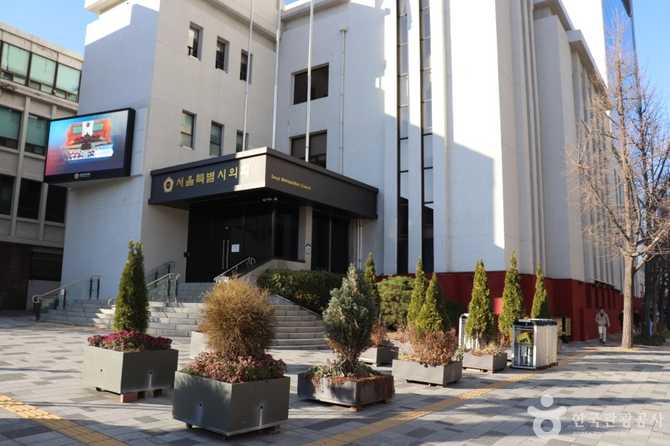
The bombing took place at the Gyeongseong Bumin-gwan, a cultural and assembly hall built in 1935 in Seoul, located at Seoul-si Jung-gu Sejong-daero 125. The site is now marked with a memorial plaque within the Seoul City Council premises.
Q3: How did the independence fighters carry out the bombing?
Young activists planted homemade bombs in the restroom of the venue, with explosives obtained from a dynamite they infiltrated and extracted from a construction site. The bombs detonated during a pro-Japanese event, halting the gathering.
Q4: What is the modern significance of this event?
The incident is regarded as a symbol of Korean resistance and patriotism. Today, it is commemorated with a plaque and recognized as a pivotal moment in Korea’s fight for independence, inspiring national pride.
Q5: Can the public visit the site today?
Yes, the memorial site is located at Seoul-si Jung-gu Sejong-daero 125, within the Seoul City Council area. It is open year-round, free of charge, but closed on weekends and public holidays. No parking facilities are available.
Q6: Are there any precautions or considerations when visiting the memorial site?
Visitors should respect the site as a historical memorial and be aware that the bombing involved illegal activities. It is important to approach the site with understanding of its significance in Korea’s independence movement.
Conclusion: Remembering the Gyeongseong Bumin-gwan Bombing Incident
The Gyeongseong Bumin-gwan bombing incident remains a powerful symbol of Korea’s enduring spirit of resistance and the relentless pursuit of independence. This courageous act by young activists during a critical period in Korea’s history exemplifies the sacrifices made in the fight against colonial oppression. Today, the site stands as a memorial to their bravery and unwavering patriotism, reminding us of the importance of resilience in the face of adversity. Visiting this historic landmark offers a meaningful opportunity to reflect on Korea’s journey toward sovereignty and the sacrifices that paved the way for modern independence. Understanding the significance of the Gyeongseong Bumin-gwan bombing helps us appreciate the depth of Korea’s national pride and the collective effort that contributed to liberation. As we remember this pivotal event, it encourages us to value the freedom we enjoy today and to honor the courage of those who fought for Korea’s independence. Preserving and recognizing such historical moments ensures that future generations continue to learn from Korea’s resilient past and the sacrifices made for sovereignty and self-determination.