
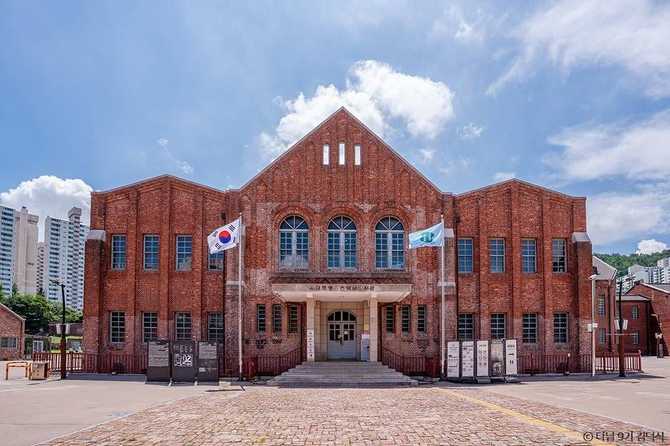
출처 : ⓒ한국관광콘텐츠랩 또는 ⓒ한국관광공사
Visit Seodaemun Prison History Hall: Korea’s Historic Site for Independence Movement
Location 서울특별시 서대문구 통일로 251
Location 서울특별시 서대문구 통일로 251
Discover the powerful history of Korea’s independence movement at Seodaemun Prison History Hall, a vital site where you can experience the struggles and sacrifices of those who fought for national freedom during the Japanese occupation.
At a glance
- Who this is for
-
- History enthusiasts interested in Korea’s modern history and independence movement
- Students and researchers seeking in-depth understanding of Japanese occupation era
- Visitors aiming to learn about patriotic sacrifices through educational programs
- Key takeaways
-
- Established in 1992 on the site of historic Seodaemun Prison, a symbol of resistance
- Originally opened as Gyeongseong Prison in 1908, pivotal during Japanese colonization
- Features exhibits on independence fighters, prison life, and resistance history
- Operates year-round with seasonal hours, closed Mondays and public holidays
- Designated as a national cultural heritage site, serving as an educational space
- Tips & cautions
-
- Check operating hours and holidays in advance, especially during holidays and special events
- Reservations recommended for group visits and educational programs
- Parking available; arrive early for popular times or guided tours
- Bottom line
- Seodaemun Prison History Hall offers a profound experience into Korea’s fight for independence, making it a must-visit for those seeking historical insight and patriotic inspiration.
Seodaemun Prison History Hall stands as a testament to Korea’s turbulent past during the Japanese occupation, where countless patriots sacrificed their lives for the nation’s independence. This historic site, now a museum, preserves the original prison structures and displays compelling exhibits that narrate stories of resistance, imprisonment, and sacrifice. Visiting this site provides a unique opportunity to understand Korea’s modern history, especially the struggles faced by independence activists who endured harsh conditions and persecution.
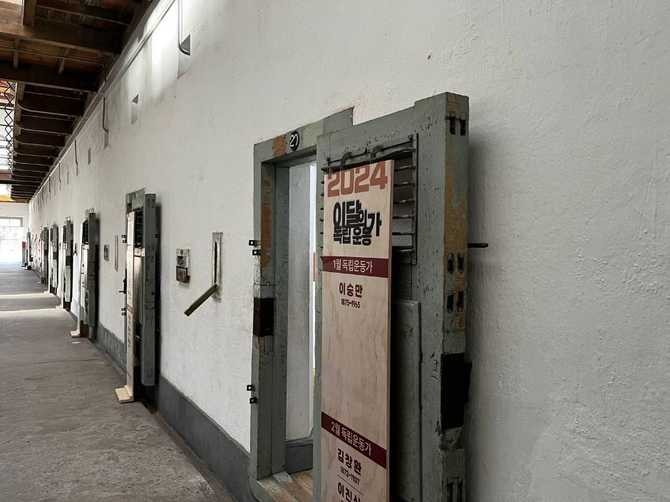
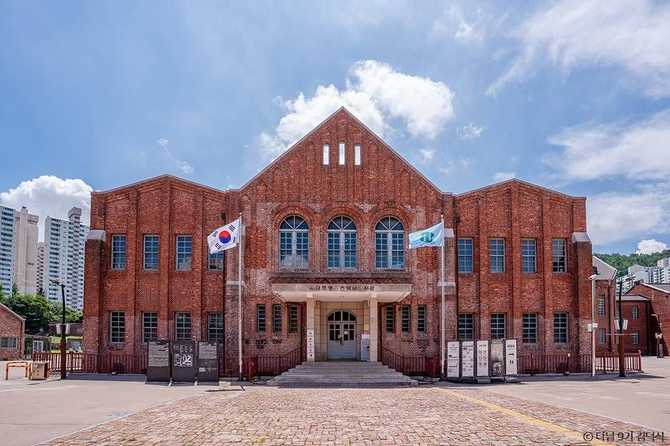
Located in Seoul, the Seodaemun Prison History Hall is not only a place for historical education but also a symbol of resilience and patriotism. It attracts visitors from around the world who want to deepen their knowledge of Korea’s fight for sovereignty. Whether you’re a history lover, student, researcher, or a traveler interested in cultural heritage, this site offers meaningful insights into Korea’s national identity and the importance of independence.
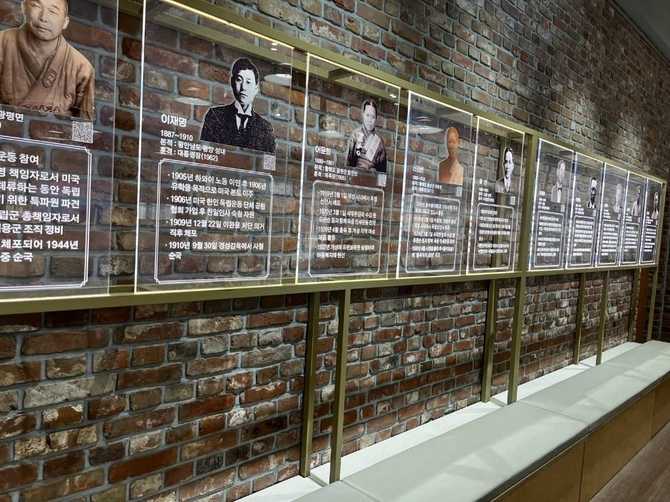
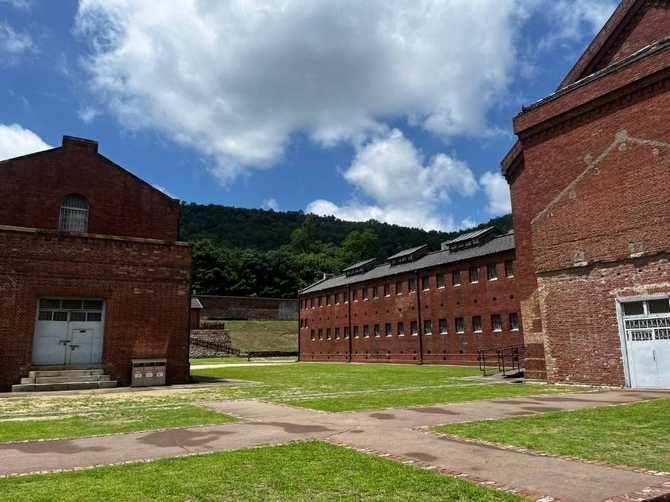
Plan your visit to Seodaemun Prison History Hall by checking the seasonal hours and holiday closures. The facility is accessible by public transportation and offers parking facilities for those arriving by car. Engage with the exhibits, participate in educational programs, or simply reflect on the sacrifices made by Korea’s forebears. Remember, understanding this history helps appreciate the value of independence and sovereignty today.

Overview of Seodaemun Prison History and Its Significance
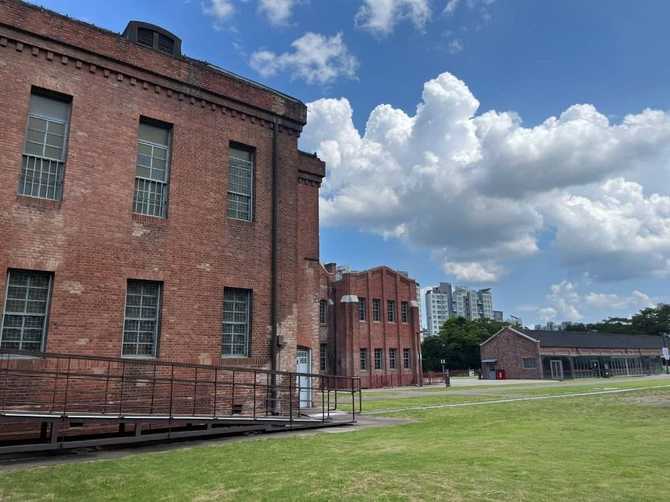
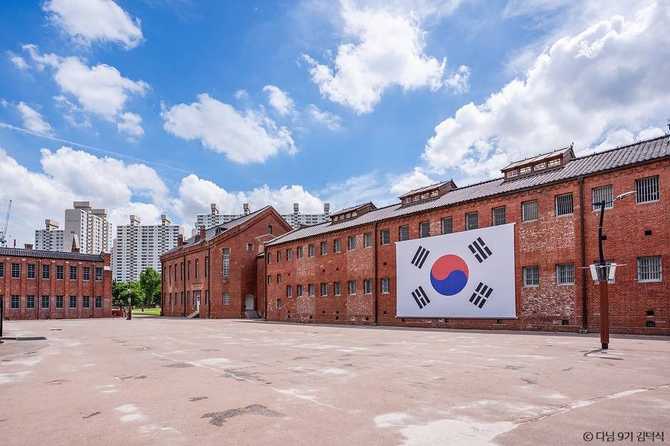
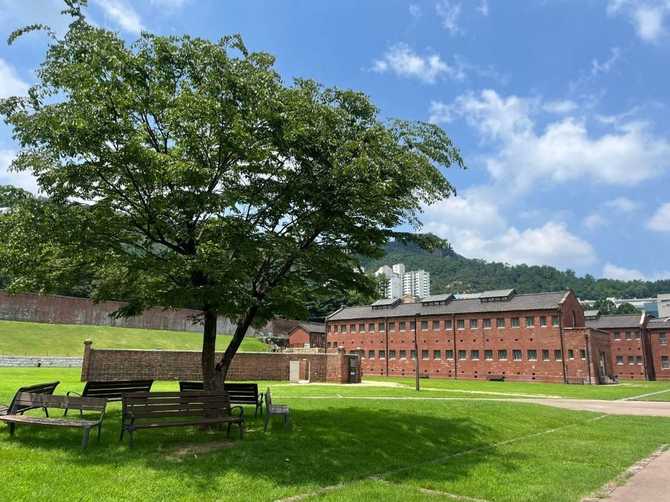
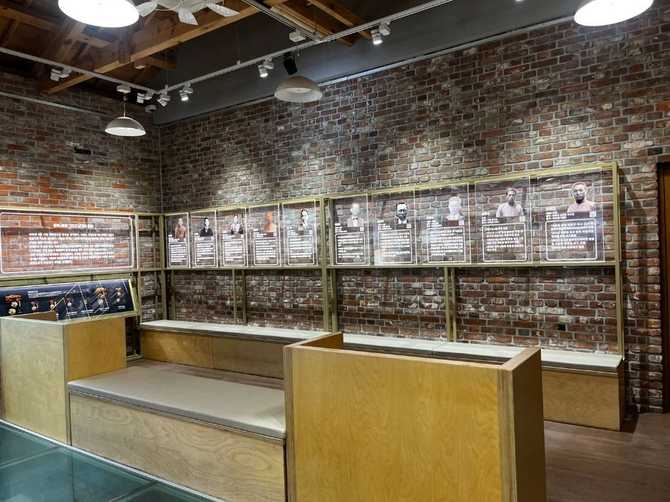
Seodaemun Prison History Hall stands as a powerful symbol of Korea’s struggle for independence during the Japanese occupation. Established in 1908, this historic site originally served as Gyeongseong Prison, where many independence activists and resistance fighters were imprisoned and subjected to harsh treatment. Over the years, the prison became a site of resilience and sacrifice, embodying the spirit of patriotism and resistance that fueled Korea’s fight for sovereignty. Today, the Seodaemun Prison History Hall preserves the original structures and offers visitors a chance to experience the historical realities faced by those who fought for national liberation. The museum’s exhibits vividly depict the prison’s role during the colonial period, highlighting stories of imprisonment, torture, and perseverance by independence fighters. The site was renamed Seodaemun Prison in 1912 and was designated as a national cultural heritage site, emphasizing its importance in Korea’s modern history. Since its opening as a museum in 1992, it has become a vital educational resource for understanding Korea’s independence movement and the sacrifices made for freedom. Visitors can explore reconstructed prison cells, learn about the lives of resistance leaders, and participate in educational programs that deepen understanding of Korea’s turbulent past. The hall also hosts memorial events and commemorations for independence heroes, reinforcing the importance of remembering Korea’s fight for sovereignty. Whether you are a history enthusiast, student, or traveler interested in cultural heritage, Seodaemun Prison History Hall offers an immersive experience that highlights Korea’s resilience and patriotic spirit. Visiting this site provides a meaningful opportunity to reflect on the sacrifices of those who fought for Korea’s independence and to appreciate the enduring value of sovereignty in modern Korea.
Seodaemun Prison Historical Role During the Japanese Occupation & Its Modern Comparison
| Aspect | Historical Role | Modern Significance |
|---|---|---|
| Purpose | Imprisonment of independence activists, suppression of resistance movements during Japanese rule | Educational site and memorial to Korea’s independence movement, promoting patriotism and historical awareness |
| Function | Detention, interrogation, and punishment of resistance fighters and political prisoners | Museum for preserving history, hosting exhibitions, educational programs, and memorial events |
| Physical Structure | Original prison buildings, cells, interrogation rooms, and execution sites | Restored and preserved structures, with reconstructed exhibits and interactive displays |
| Cultural Role | Symbol of colonial repression and resistance | Symbol of resilience, patriotism, and Korea’s modern independence identity |
Visitor Checklist for Exploring Seodaemun Prison History Hall
- Check operating hours and holidays: Visit the official website or call ahead, especially during holidays and special events.
- Plan your transportation: The site is accessible via public transportation; parking is available for visitors arriving by car.
- Reserve in advance: Group visits and educational programs may require prior booking.
- Prepare for guided tours: Consider joining guided tours for a comprehensive understanding of the exhibits and history.
- Bring essentials: Comfortable shoes, water, and a camera are recommended for exploring the site.
- Visit the prison cells and detention areas: Experience the conditions faced by independence fighters.
- Explore exhibits of resistance leaders: Learn about their lives and sacrifices.
- Participate in educational programs: Engage with lectures, workshops, and commemorative events.
- Reflect at memorial sites: Pay tribute to those who sacrificed for Korea’s independence.
Visitor Information & Tips for Seodaemun Prison History Hall
| Aspect | Details |
|---|---|
| Operating Hours | Summer (March–October): 09:30–18:00 Winter (November–February): 09:30–17:00 Last admission: 30 minutes before closing |
| Closed Days | Every Monday, public holidays, and major Korean holidays like Lunar New Year and Chuseok |
| Admission Fee | Free of charge |
| Transportation | Accessible via Seoul Subway Line 5 at Dongnimmun Station, Exit 2. Parking available for visitors arriving by car. |
| Reservation & Guided Tours | Group visits and educational programs may require prior reservation. Guided tours are available and recommended for a deeper understanding. |
| What to Bring | Comfortable shoes, water, camera, and optional audio guides or educational materials. |
Historical & Educational Value of Seodaemun Prison History Hall
- Experience Korea’s fight for independence: Walking through the reconstructed prison cells and detention areas allows visitors to grasp the harsh realities faced by independence fighters during Japanese colonial rule.
- Learn about resistance leaders and heroes: Exhibits showcase personal stories, sacrifices, and the lives of those who dedicated themselves to Korea’s liberation.
- Participate in educational programs: Lectures, workshops, and commemorative events deepen understanding of the independence movement and its significance.
- Reflect at memorial sites: Pay tribute to the patriots and martyrs who sacrificed their lives for Korea’s sovereignty, fostering a sense of patriotism and national pride.
- Preserve cultural heritage: As a designated national historic site, the museum plays a crucial role in conserving Korea’s modern history and promoting awareness among future generations.
- Promote historical literacy: Interactive exhibits and guided tours help visitors, especially students, grasp complex historical contexts and the importance of independence.
Frequently Asked Questions (FAQ)
Q1: When was Seodaemun Prison History Hall established as a museum?
Seodaemun Prison History Hall opened as a museum on August 15, 1992, to preserve and educate about Korea’s independence movement during the Japanese occupation.
Q2: What are the visiting hours for Seodaemun Prison History Hall?
During the summer season (March to October), the museum operates from 09:30 to 18:00, and in winter (November to February), from 09:30 to 17:00. Last admission is 30 minutes before closing time.
Q3: Is there an admission fee to visit Seodaemun Prison History Hall?
No, entry to Seodaemun Prison History Hall is free of charge. However, group visits or special programs may require prior reservations.
Q4: How can I get to Seodaemun Prison History Hall using public transportation?
The site is accessible via Seoul Subway Line 5 at Dongnimmun Station, Exit 2. Parking facilities are available for visitors arriving by car.
Q5: What exhibits and programs are available at Seodaemun Prison History Hall?
Visitors can explore prison cells, exhibits of independence fighters’ belongings, and participate in educational programs such as lectures, workshops, and memorial ceremonies.
Q6: Are there any days when Seodaemun Prison History Hall is closed?
Yes, the museum is closed every Monday, on public holidays, and during major Korean holidays like Lunar New Year and Chuseok. It is recommended to check operating hours before visiting.
Final Thoughts on Visiting Seodaemun Prison History Hall
Visiting Seodaemun Prison History Hall offers a profound opportunity to connect with Korea’s recent history and understand the sacrifices made by countless patriots during the Japanese occupation. This historic site not only preserves the physical remnants of the prison but also serves as a powerful educational space that vividly recounts stories of resistance, resilience, and national pride. As you explore the reconstructed cells, exhibits, and memorial sites, you’ll gain a deeper appreciation for Korea’s fight for independence and the enduring spirit of its people. Whether you are a history enthusiast, a student, or a traveler seeking cultural insight, a visit here is both enlightening and inspiring. Remember to check the operating hours and holiday closures in advance to ensure a smooth experience. Participating in guided tours or educational programs can enrich your understanding of the historical significance behind this site. Ultimately, a trip to Seodaemun Prison History Hall is a meaningful way to honor Korea’s past, reflect on the importance of sovereignty, and appreciate the enduring value of independence. Make sure to include this important cultural heritage site in your itinerary when exploring Seoul. It promises a memorable journey into Korea’s resilient history and patriotic spirit.