
출처 : ⓒ한국관광콘텐츠랩 또는 ⓒ한국관광공사
Historic Hongnampa House in Seoul: A Modern Cultural Heritage
Location 서울특별시 종로구 송월1길 38 (홍파동)
Location 서울특별시 종로구 송월1길 38 (홍파동)
Discover the rich history and cultural significance of Hongnampa House in Seoul, a preserved Western-style building that highlights Korea’s modern architectural and musical heritage.
At a glance
- Who this is for
-
- History enthusiasts interested in Korea’s modern cultural heritage
- Music researchers studying early 20th-century Korean composers
- Travelers exploring Seoul’s historical sites in Jongno-gu
- Architecture lovers keen on Western-style buildings in Korea
- Key takeaways
-
- Built in the 1930s by a German missionary with brick Western architecture
- Residence of the renowned composer Hongnampa, birthplace of his famous songs
- Designated as a national registered cultural heritage site
- Free admission, open seasonally with limited visiting hours
- Located in Seoul’s Jongno-gu, within a protected cultural zone
- Tips & cautions
-
- No parking available; use public transportation
- Check operating hours and holidays in advance
- Photography may be restricted to preserve the site
- Visit during open hours for a meaningful experience
- Bottom line
- Hongnampa House offers a unique glimpse into Korea’s modern cultural and musical history, making it a must-visit site for history lovers and music enthusiasts alike.
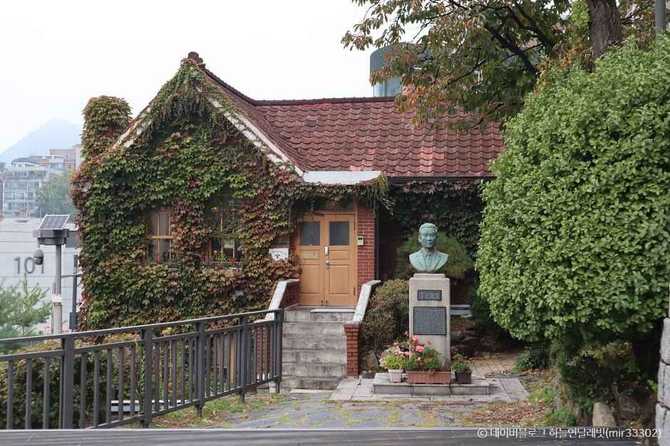
Welcome to our guide on Hongnampa House in Seoul, a historic site that embodies Korea’s modern cultural and architectural heritage. Located in the Jongno district, this 1930s Western-style brick building was constructed by a German missionary and served as the residence of the famous Korean composer Hongnampa. Recognized as a national cultural heritage, the house preserves the legacy of Korea’s early modern music scene and architectural styles, offering visitors a rare opportunity to explore Korea’s cultural evolution in a preserved setting.
Hongnampa House is not only significant for its architecture but also for its deep connection to Korea’s musical history. As the birthplace of many of Hongnampa’s most celebrated compositions, the site holds immense cultural value. Its designation as a registered cultural heritage underscores its importance in Korea’s modern history. Whether you are a history buff, a music researcher, or a traveler interested in Korea’s cultural landmarks, visiting Hongnampa House provides a meaningful experience that combines history, music, and architecture.
In this guide, we will cover everything you need to know about visiting Hongnampa House, including its history, cultural significance, visiting hours, location, and important tips to ensure a smooth and enriching visit. Keep reading to discover why this site is a vital part of Korea’s modern cultural landscape and how you can make the most of your visit to this unique historical landmark.
Hongnampa House: An Overview and Historical Background
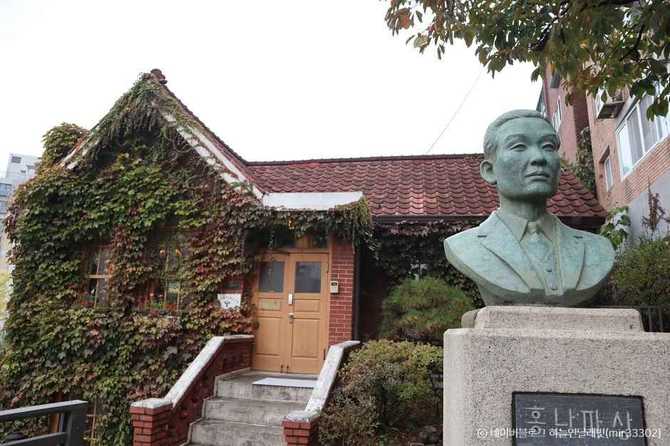
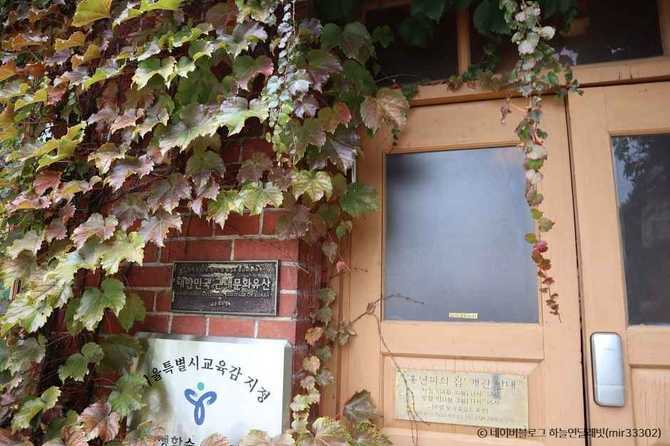
Hongnampa House, located in Seoul’s Jongno district, is a significant example of Korea’s modern cultural heritage. This historic residence was built in the 1930s by a German missionary, showcasing Western-style architecture with its distinctive brick construction. As one of the few remaining examples of Western-influenced architecture from the early 20th century in Korea, the house holds immense historical and cultural value. It is recognized as a national registered cultural heritage site, emphasizing its importance in Korea’s modern history.
The house served as the residence of Hongnampa, a prominent Korean composer whose musical compositions played a vital role in Korea’s early modern music scene. Many of his famous songs were created within this very space, making it a birthplace of Korea’s modern musical heritage. The building’s architecture reflects the Western influence during the Japanese occupation era, characterized by its brick walls and simple yet elegant design, which contrasts with traditional Korean hanok structures.
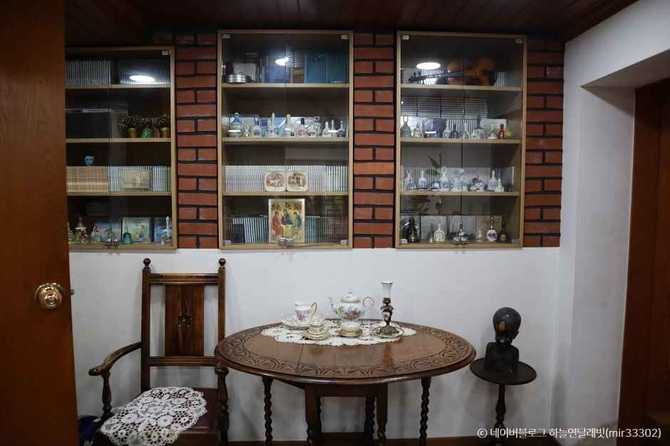
Today, Hongnampa House functions as a cultural site open to the public, offering visitors a glimpse into Korea’s early 20th-century modernization and musical development. Its preservation allows visitors to explore the historical context of Korea’s cultural evolution, especially during a period of intense social change. The site is also a valuable resource for researchers and history enthusiasts interested in Korea’s modern history, architecture, and music. Visiting Hongnampa House provides an enriching experience that connects Korea’s past with its cultural identity today, making it a must-visit destination for those passionate about Korea’s modern cultural heritage.
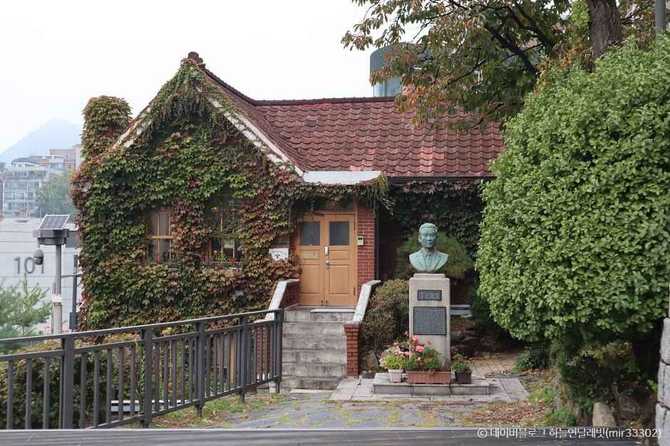
Comparison of Hongnampa House Architectural and Cultural Features
| Feature | Details |
|---|---|
| Construction Period | 1930s |
| Architectural Style | Western-style brick building |
| Architectural Features | Brick walls, simple design, Western influence |
| Historical Significance | Residence of composer Hongnampa, birthplace of his famous songs |
| Cultural Designation | Designated as a national registered cultural heritage site (2004) |
| Usage Today | Open to public as a cultural heritage site |
| Location | Jongno-gu, Seoul |
This comparison highlights the architectural and cultural features that make Hongnampa House a valuable part of Korea’s modern history. Its Western architectural style from the 1930s stands out among traditional Korean structures, providing insight into Korea’s modernization during the early 20th century. The designation as a national cultural heritage emphasizes its importance for preservation and education. Visitors and researchers alike can appreciate its architectural uniqueness and historical significance, making it a key site for understanding Korea’s cultural evolution during a transformative era.
Visitor Information and Access Checklist for Hongnampa House
- Opening Hours: 11:00 AM to 5:00 PM (April to October), 11:00 AM to 4:00 PM (November to March)
- Closed on: Saturdays, Sundays, and public holidays
- Admission Fee: Free of charge
- Location: 38 Songwol 1-gil, Jongno-gu, Seoul
- Transport: Accessible via public transportation; no parking available
- Contact: 070-8112-7900
Visitor Tips & Warnings
Ensure to check the official website or contact the site beforehand for current operating hours and holiday schedules. Since parking is not available, using public transit is highly recommended. Be mindful that photography restrictions may apply to preserve the site’s condition. Plan your visit during open hours to fully enjoy the experience and avoid disappointment.
Important Visiting Tips and Precautions at Hongnampa House
| Tip or Precaution | Details |
|---|---|
| Check Operating Hours and Holidays | Always verify current opening times and holiday schedules via the official website or by contacting the site before your visit to avoid inconvenience. |
| Use Public Transportation | Since there is no parking available at Hongnampa House, plan to arrive by subway or bus for a hassle-free experience. |
| Photography Restrictions | Photography may be limited or prohibited inside the building to preserve its condition. Always check for signage or ask staff for guidance. |
| Visit During Open Hours | Plan your visit within the designated hours to ensure full access and a meaningful experience. |
| Respect Preservation Efforts | Refrain from touching or damaging the exhibits and structure to help conserve this cultural heritage site for future visitors. |
Significance and Preservation of Hongnampa House
- Historical and Cultural Importance: Hongnampa House is a vital symbol of Korea’s modern cultural and musical history, representing Western architectural influence during the early 20th century.
- Architectural Value: As an example of 1930s Western-style brick construction, it showcases Korea’s modernization era and architectural diversity.
- Connection to Korea’s Music Heritage: The house served as the residence of Hongnampa, a prominent composer whose works are foundational to Korea’s modern music scene.
- Designated Cultural Heritage: Recognized as a national registered cultural heritage site since 2004, ensuring legal protection and ongoing conservation efforts.
- Need for Preservation: Continuous efforts are essential to maintain its structural integrity and historical authenticity amid urban development pressures.
- Educational and Research Value: The site offers valuable insights for visitors, students, and researchers studying Korea’s modern history, architecture, and music.
Preservation Checklist for Hongnampa House
- Support and promote awareness of the site’s cultural significance.
- Participate in guided tours or educational programs to deepen understanding.
- Refrain from any activities that could damage the structure or exhibits.
- Follow all rules and guidelines set by the site management to aid preservation efforts.
- Advocate for ongoing conservation and funding initiatives to maintain the site’s integrity.
Whether you visit during the day or evening, Historic Hongnampa House in Seoul is a meaningful stop on any Seoul itinerary for history-minded travelers.
Frequently Asked Questions (FAQ)
Q1. When is Hongnampa House open to visitors?
Hongnampa House operates seasonally, from 11:00 AM to 5:00 PM during April to October, and from 11:00 AM to 4:00 PM from November to March. It is closed on Saturdays, Sundays, and public holidays.
Q2. Is there parking available at Hongnampa House?
No, there is no parking facility on-site. Visitors are encouraged to use public transportation, such as subway or bus, to access the site conveniently.
Q3. How much does it cost to visit Hongnampa House?
Admission to Hongnampa House is free of charge. However, it is recommended to check the official website or contact the site beforehand for any updates on visiting hours or special events.
Q4. What is the architectural style of Hongnampa House?
The house is built in a Western-style brick architecture from the 1930s, featuring brick walls and a simple, elegant design influenced by Western architecture of that era.
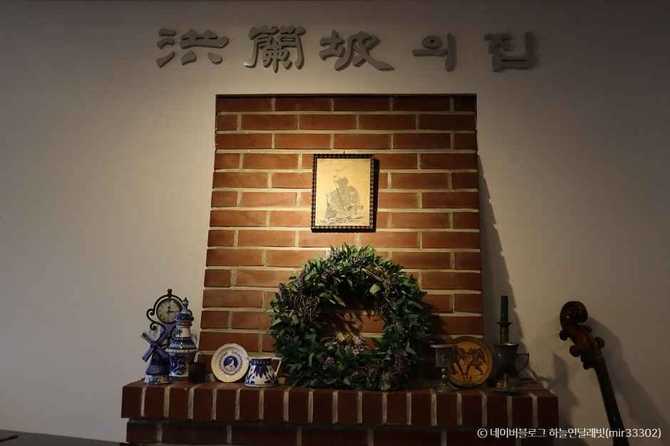
Q5. Who was Hongnampa, and why is his house significant?
Hongnampa was a renowned Korean composer whose famous songs originated at this residence. His house is significant as a cultural heritage site that reflects Korea’s modern musical history and architectural influence during the early 20th century.
Q6. Why is Hongnampa House considered an important cultural heritage site?
It is recognized for its historical value as a Western-style building from the 1930s and for its connection to Korea’s modern music development. The site helps preserve Korea’s cultural and architectural history, making it a valuable educational resource.
Conclusion: Experience Korea’s Modern Cultural Heritage at Hongnampa House
Visiting Hongnampa House in Seoul offers a unique opportunity to delve into Korea’s modern history and cultural evolution. This historic site, with its distinctive Western-style architecture from the 1930s, stands as a testament to Korea’s early modernization efforts and its rich musical heritage. As the residence of the renowned composer Hongnampa, the house embodies the creative spirit that shaped Korea’s modern music scene. Its designation as a national registered cultural heritage underscores its importance and ensures its preservation for future generations.
Whether you are passionate about Korea’s architectural history, interested in its cultural development, or a music enthusiast eager to explore the birthplace of famous compositions, Hongnampa House is a must-visit destination. Remember to plan your visit carefully—check the operating hours, utilize public transportation, and respect the preservation efforts in place. By doing so, you will ensure a meaningful and respectful experience at this treasured cultural site. Exploring Hongnampa House not only enriches your understanding of Korea’s modern history but also deepens your appreciation for its ongoing cultural legacy. Don’t miss the chance to connect with Korea’s past and celebrate its vibrant musical and architectural heritage at this important cultural landmark.