
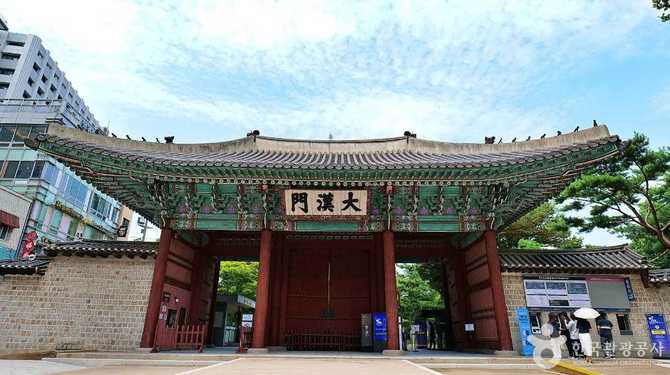
출처 : ⓒ한국관광콘텐츠랩 또는 ⓒ한국관광공사
Discover the Historical Significance of Duksugung Daehanmun Gate in Seoul
Location 서울특별시 중구 세종대로 99 (정동)
Location 서울특별시 중구 세종대로 99 (정동)
Planning a trip to Seoul and want to explore a key symbol of Korea’s history and culture? The Duksugung Daehanmun Gate is a must-visit landmark that offers a glimpse into Korea’s transition from traditional dynasties to modern times. This guide provides essential information about the gate’s history, location, visiting hours, and tips to enhance your experience.
At a Glance
- Who this is for
-
- Travelers interested in Korean history and culture
- Tourists planning a visit to Seoul’s historic sites
- Researchers and students studying traditional Korean architecture
- Anyone seeking to understand Korea’s modern history through its landmarks
- Key takeaways
-
- The Daehanmun Gate is the main entrance to Duksugung Palace, built in 1906.
- Originally located 33 meters ahead of its current position, moved during 1970s expansion.
- Restored in 1986, it symbolizes Korea’s historical transition and modernization.
- Open daily from 09:00 to 21:00, with last entry at 20:00.
- Exhibits include historical buildings like Seokjojeon, Dondokjeon, and Jungmyeongjeon.
- Tips & cautions
-
- No parking facilities available; use public transportation.
- Closed on Mondays; check holiday schedules for special openings.
- Arrive early or late for less crowded visits.
- Consider guided tours for deeper historical insights.
- Bottom line
- Visiting the Daehanmun Gate offers a meaningful glimpse into Korea’s rich history and cultural heritage, making it a must-see during your trip to Seoul.
Welcome to your comprehensive guide to the Duksugung Daehanmun Gate, one of Seoul’s most significant historical landmarks. This gate, serving as the main entrance to Duksugung Palace, embodies Korea’s journey through traditional dynasties and modern transformation. Whether you are a history enthusiast, a cultural researcher, or a traveler eager to learn about Korea’s past, understanding the importance of Daehanmun enhances your visit.

Located in the heart of Seoul, the Daehanmun Gate is not only an architectural marvel but also a symbol of Korea’s resilience and evolution. Built in 1906, it has witnessed Korea’s turbulent history, including the Japanese occupation and subsequent restoration efforts. Its strategic location within Duksugung Palace makes it an essential stop for those interested in Korean royal history and traditional architecture.
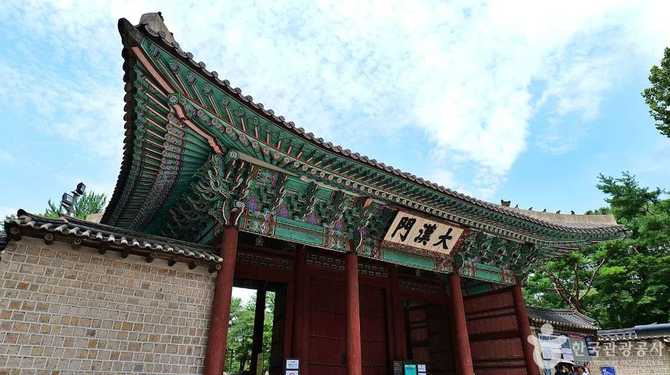
This guide provides detailed information on how to visit, operating hours, nearby attractions, and tips to make your experience memorable. Whether you’re exploring Seoul’s historic sites or studying Korean architecture, the Daehanmun Gate offers a unique window into Korea’s cultural legacy. Plan your visit today and immerse yourself in the stories that this iconic gate tells.
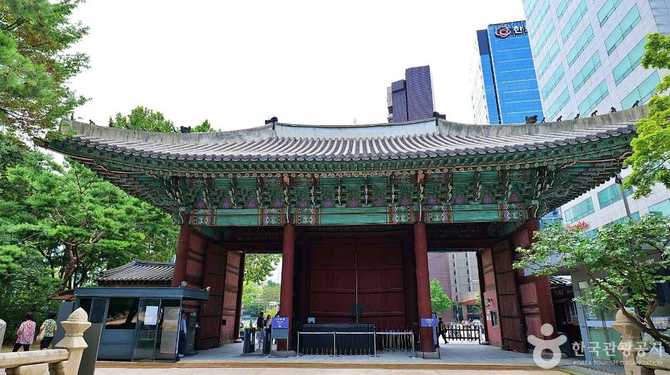
Overview of Daehanmun Gate: Korea’s Historic Entrance
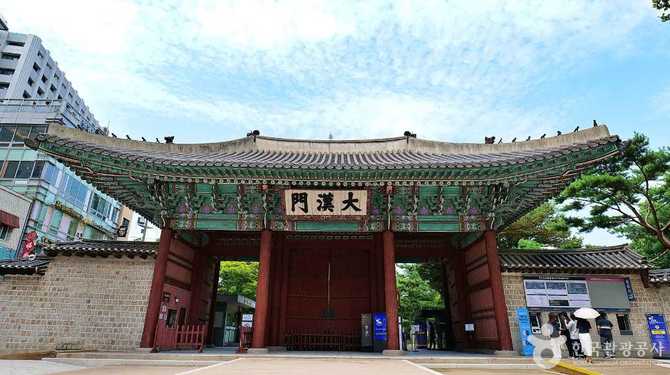
The Daehanmun Gate stands as a prominent symbol of Korea’s rich history and cultural heritage. Located within the grounds of Duksugung Palace in Seoul, this historic gate has played a vital role in Korea’s modern transformation, representing both traditional architecture and the country’s journey toward modernization. Built in 1906 during the reign of Emperor Gojong, the gate was originally positioned approximately 33 meters ahead of its current location, reflecting the urban development of Seoul during the 20th century. Its strategic importance was not only architectural but also symbolic, as it marked the main entrance to the royal palace and served as a gateway to the Korean monarchy during a period of significant political change.
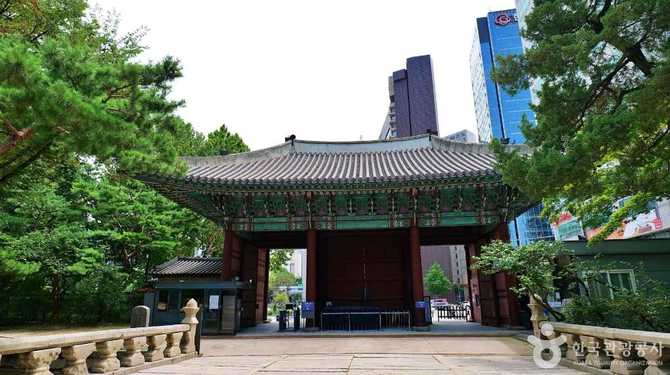
The name “Daehan” signifies Korea’s national identity, with “Daehan” meaning “Great Han,” emphasizing the pride and sovereignty of the Korean nation. During the Japanese occupation, the gate endured various alterations, but it was carefully restored in 1986 to preserve its historical significance. Today, the Daehanmun Gate is recognized as a cultural treasure, embodying Korea’s resilience and cultural continuity. Visitors to Seoul often include the gate as a must-see landmark due to its architectural beauty and historical importance. It also offers insights into Korea’s transition from a traditional monarchy to a modern nation-state, making it an essential part of any cultural or historical exploration of Seoul.
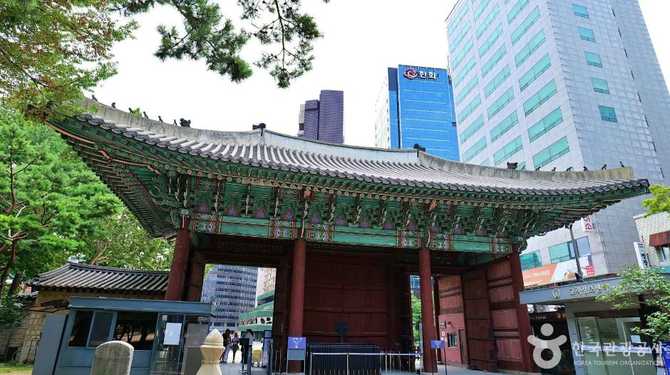
Whether you are a history enthusiast, a researcher, or a traveler eager to understand Korea’s past, the Daehanmun Gate provides a tangible connection to Korea’s royal and modern history. Its location within Duksugung Palace makes it accessible for visitors exploring Seoul’s historic sites. The gate’s architectural features, such as its traditional Korean wooden construction and stone base, reflect the craftsmanship of the early 20th century. As a key symbol of Korea’s national identity and historical resilience, the Daehanmun Gate remains an iconic destination for those seeking to appreciate Korea’s cultural legacy and historical evolution.

Comparison of Visiting Details: Daehanmun Gate and Duksugung Palace
| Feature | Details | Notes |
|---|---|---|
| Location | Seoul, Jung-gu, Sejong-daero 99 | Main entrance of Duksugung Palace, within central Seoul |
| Built | 1906 (during Emperor Gojong’s reign) | Historical significance as a symbol of Korea’s modernization |
| Operational Hours | 09:00 – 21:00 daily | Last entry at 20:00; exhibits available in nearby buildings |
| Main Exhibits | Seokjojeon, Dondokjeon, Jungmyeongjeon | Historical buildings with interpretive displays |
| Accessibility | Public transportation recommended | No parking facilities available |
| Special Features | Restored in 1986, symbolizing Korea’s resilience | Part of Duksugung Palace complex, cultural heritage site |
Visitor Checklist: How to Plan Your Visit to Daehanmun Gate
- Check operating hours: The gate and exhibits are open daily from 09:00 to 21:00. Last entry is at 20:00. Confirm holiday schedules, especially on public holidays, as some exhibits may be closed or limited.
- Use public transportation: Since there are no parking facilities, plan to arrive via subway or bus. The nearest subway station is City Hall Station (Line 1,2,3,5), Exit 2 or 3.
- Plan your timing: Visit early in the morning or late in the evening to avoid crowds and enjoy a more peaceful experience.
- Join guided tours: Guided programs are available and offer in-depth historical insights about the gate and Duksugung Palace.
- Prepare for weather conditions: Seoul’s weather varies seasonally. Carry appropriate clothing and sun protection during summer or warm layers in winter.
- Respect the site: Follow museum etiquette, do not touch exhibits, and refrain from loud noise to preserve the tranquility of the historic site.
Visitor Tips and Important Notes for Visiting Daehanmun Gate
| Tip / Note | Details |
|---|---|
| Transportation | No parking facilities are available at or near Daehanmun Gate. Visitors are strongly encouraged to use public transportation such as Seoul Subway or buses for a convenient visit. |
| Operating Days | The site is closed on Mondays. During public holidays, some exhibits may be temporarily closed or have limited access, so check ahead before visiting. |
| Weather Preparedness | Seoul experiences seasonal weather variations. Dress appropriately, carry sun protection in summer, or warm clothing in winter to ensure a comfortable visit. |
| Respect and Etiquette | Please follow proper etiquette by not touching exhibits, speaking quietly, and refraining from disruptive behavior to preserve the site’s tranquility and integrity. |
Recommended Visiting Tips and Itinerary for Daehanmun Gate
- Start early or late in the day: Visiting during early morning or late evening hours helps avoid crowds and provides a more peaceful experience, ideal for photography and reflection.
- Join guided tours: Enroll in guided programs offered at Duksugung Palace to gain in-depth historical insights and context about the Daehanmun Gate and surrounding structures.
- Combine with nearby attractions: Plan your day to include other historic sites such as Gyeongbokgung Palace, Changdeokgung Palace, or the Bukchon Hanok Village, all within easy reach via public transportation.
- Check for special events: Before your visit, review the official Duksugung Palace website or visitor center for any special exhibitions, cultural events, or temporary closures that could enhance your experience.
- Allocate sufficient time: Allow at least 1-2 hours to explore the gate, nearby historical buildings, and enjoy the surrounding scenery at a relaxed pace.
- Bring essentials: Carry water, sun protection, comfortable shoes, and a camera to capture the historic beauty and your memorable moments.
- Respect the site: Follow all posted guidelines, avoid touching artifacts, and maintain a respectful demeanor to help preserve the cultural heritage for future visitors.
Whether you visit during the day or evening, Discover the Historical Significance of is a meaningful stop on any Seoul itinerary for history-minded travelers.
Frequently Asked Questions (FAQ)
Q1: When was the Daehanmun Gate originally constructed?
A: The Daehanmun Gate was built in 1906 during Emperor Gojong’s reign as the main entrance to Duksugung Palace, symbolizing Korea’s modernization efforts during that period. It has undergone restorations to preserve its historical significance.
Q2: Where exactly is the Daehanmun Gate located?
A: The gate is situated at Seoul, Jung-gu, Sejong-daero 99, within the grounds of Duksugung Palace, serving as its main entrance. It is easily accessible in central Seoul near City Hall Station.
Q3: What are the visiting hours for Daehanmun Gate and the nearby exhibits?
A: The gate and exhibits are open daily from 09:00 to 21:00, with the last entry at 20:00. Specific buildings like Seokjojeon and Dondokjeon operate within similar hours, but it’s recommended to check for holiday schedules.
Q4: Is there parking available near Daehanmun Gate?
A: No, parking facilities are not provided at or near the gate. Visitors are advised to use public transportation such as subway or buses for convenient access.
Q5: Are there any tips for visiting Daehanmun Gate effectively?
A: It’s best to arrive early in the morning or late in the evening to avoid crowds. Joining guided tours can provide deeper historical insights, and checking the weather forecast helps ensure a comfortable visit.
Q6: What other attractions should I visit nearby after seeing Daehanmun Gate?
A: You can explore other historic sites like Gyeongbokgung Palace, Changdeokgung Palace, or stroll through Insadong and Bukchon Hanok Village, all within easy reach of Daehanmun Gate in central Seoul.
Final Tips for Visiting Duksugung Daehanmun Gate
Visiting the Daehanmun Gate at Duksugung Palace is a meaningful experience that offers a deep insight into Korea’s rich history and cultural heritage. To ensure a smooth and enjoyable visit, plan your trip carefully by checking the operating hours and special holiday schedules in advance. Remember that the site is closed on Mondays, so scheduling your visit on a different day will allow you to explore without interruptions.
Since there are no parking facilities available at or near the gate, utilizing public transportation is highly recommended. The nearest subway station, City Hall Station, is conveniently accessible via multiple lines, making your journey hassle-free. Arriving early in the morning or later in the evening can also help you avoid crowds and experience the site more peacefully, especially if you prefer a contemplative visit.
While exploring, consider joining guided tours or educational programs to gain a deeper understanding of the historical significance of the gate and its surrounding structures. Wearing appropriate clothing for the weather and respecting the site’s rules will enhance your experience and help preserve this important cultural landmark for future visitors.
In summary, the Daehanmun Gate is a must-see destination for anyone interested in Korea’s history and traditional architecture. With proper planning, your visit can become a memorable journey through Korea’s past, allowing you to appreciate the resilience and cultural pride embodied in this historic site. Take your time to explore, learn, and enjoy the unique atmosphere of this iconic entrance to Duksugung Palace.