

출처 : ⓒ한국관광콘텐츠랩 또는 ⓒ한국관광공사
Gaya Cultural Heritage at Gimhae Daeseong-dong Tombs: Korea’s Ancient History
Location 경상남도 김해시 가야의길 126
Location 경상남도 김해시 가야의길 126
Discover the rich history and cultural significance of the Gimhae Daeseong-dong Tombs, one of Korea’s most important archaeological sites that reveal the grandeur of Gaya civilization. Whether you’re a history enthusiast, a student, or a traveler interested in Korea’s ancient heritage, exploring this UNESCO-listed site offers invaluable insights into Korea’s early kingdoms and their sophisticated culture.

Gimhae Daeseong-dong Tombs are a key historical landmark that showcase the burial practices and social hierarchy of the Gaya confederacy, which flourished from the 4th to 6th centuries CE. This site contains royal tombs, artifacts, and relics that illuminate Korea’s ancient past and the development of regional kingdoms. Visiting this site not only enriches your understanding of Korea’s history but also offers a glimpse into the artistic and technological achievements of the Gaya people.
At a glance
- Who this is for
-
- History and archaeology enthusiasts
- Students and researchers of Korean ancient history
- Travelers planning a cultural trip to Korea
- Anyone interested in Korea’s cultural heritage
- Key takeaways
-
- Discovered since 1990, the site features over 200 tombs from the late 4th to early 5th century CE.
- Contains royal tombs, including two large king’s tombs and numerous queen’s tombs.
- Contains relics such as gold crowns, pottery, and weapons, reflecting Gaya’s advanced culture.
- Located near Gukji-bong Peak, Hyehyeon-ri, and King Suro’s tomb, emphasizing its historical importance.
- Open year-round free of charge, accessible to all visitors.
- Tips & cautions
-
- Respect the site and avoid damaging or removing artifacts.
- Follow guidelines to prevent natural and cultural deterioration.
- Use designated pathways to preserve the archaeological remains.
- Bottom line
- Gimhae Daeseong-dong Tombs are a vital cultural heritage site that offers profound insights into Korea’s ancient Gaya civilization and royal history.
Gimhae Daeseong-dong Tombs are a significant archaeological and historical site, representing Korea’s rich Gaya culture. As a designated UNESCO World Heritage site, it preserves the burial practices and societal hierarchy of the ancient Gaya confederacy, which played a vital role in Korea’s early history. This site, discovered through excavations starting in 1990, contains over 200 tombs, including royal graves from the late 4th and early 5th centuries. Visitors can explore the relics of a once-glorious kingdom, including gold crowns, pottery, and weapons, which showcase the advanced craftsmanship and cultural sophistication of the Gaya people.
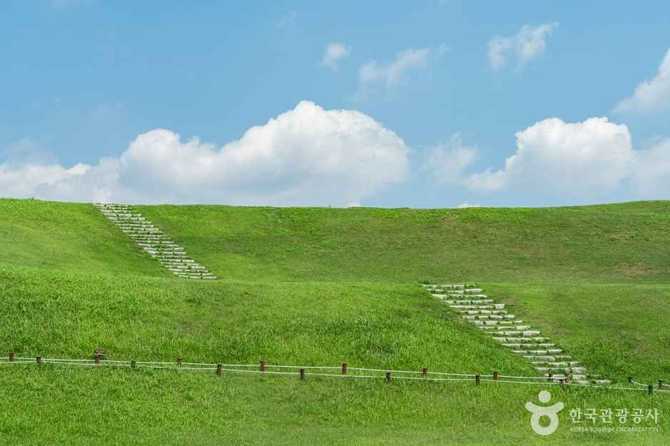
Located in Gimhae, South Gyeongsang Province, the site is easily accessible and free to visit all year round. Its proximity to other important historical sites, such as King Suro’s tomb and Gukji-bong Peak, makes it a must-visit destination for those interested in Korea’s ancient history. Whether you are a researcher, student, or casual traveler, understanding the significance of the Daeseong-dong Tombs enriches your appreciation of Korea’s cultural heritage and historical development.
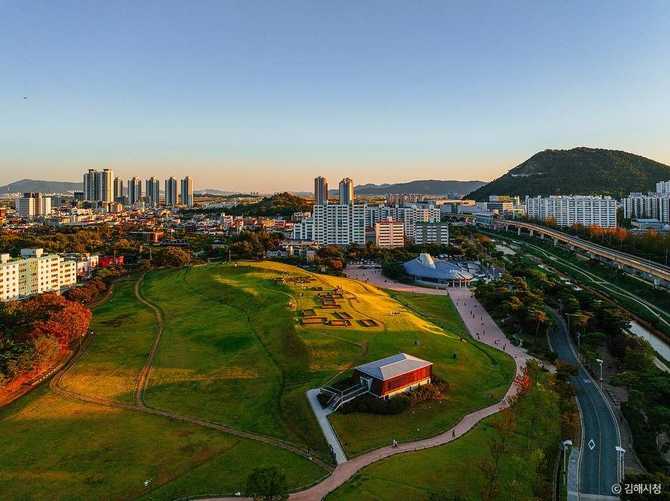
Gimhae Daeseong-dong Tombs Overview & Location
The Gimhae Daeseong-dong Tombs are one of Korea’s most significant archaeological sites that offer invaluable insights into the ancient Gaya civilization. Recognized for their historical and cultural importance, these tombs are located in the city of Gimhae, in South Gyeongsang Province, South Korea. As a key part of Korea’s cultural heritage, the Daeseong-dong Tombs provide a glimpse into the burial practices, social hierarchy, and artistry of the Gaya confederacy, which thrived from the 4th to 6th centuries CE.
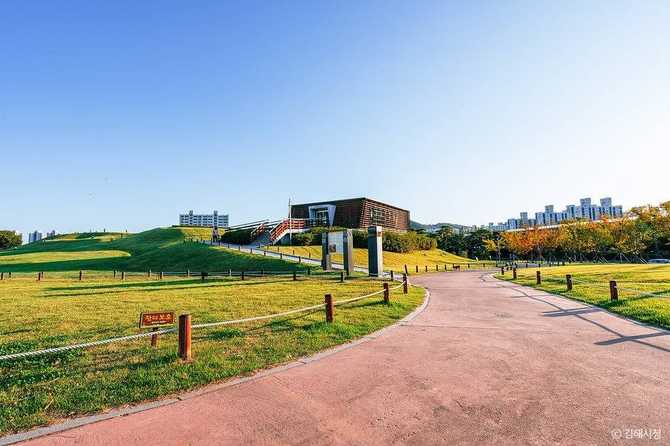
The site is situated at 경상남도 김해시 가야의길 126, easily accessible for visitors traveling from various parts of Korea. It is nestled near prominent landmarks such as Gukji-bong Peak, the Hyehyeon-ri shell mound, and the tomb of King Suro, the legendary founder of Gaya. This strategic location highlights its importance as a political and cultural hub during the ancient period.
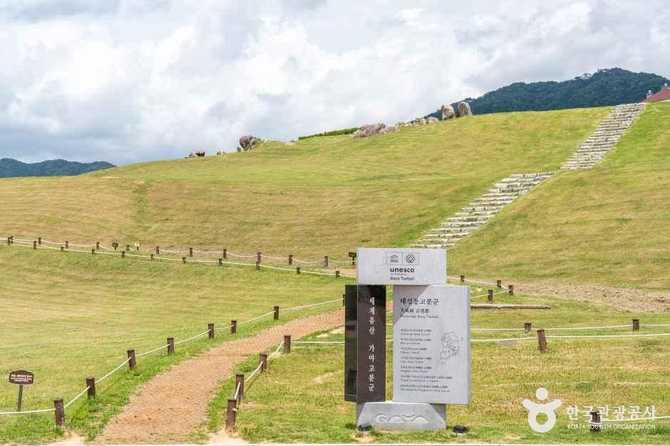
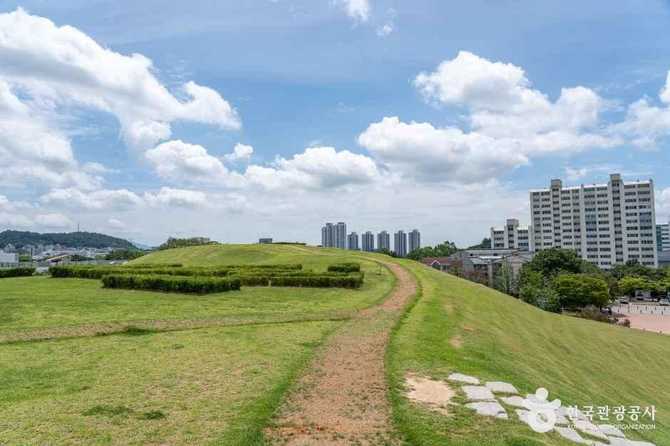
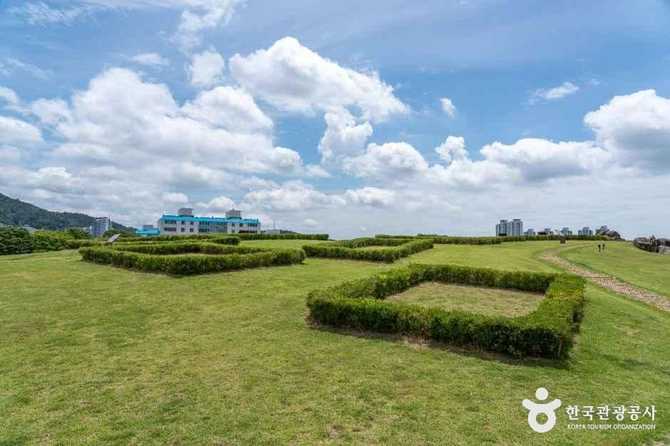
The archaeological excavations that began in 1990 have uncovered over 200 tombs, including royal graves, queen’s tombs, and commoners’ burials. The tombs are distributed across the natural terrain, with royal tombs positioned along the ridges and more modest graves on the slopes, reflecting the hierarchical structure of Gaya society. The site’s natural topography and the distribution of tombs reveal much about the social organization and burial customs of the time.
Today, the Daeseong-dong Tombs are a protected cultural heritage site, open year-round for free visitation. Visitors can explore the remains and learn about Gaya’s history through on-site exhibitions and educational programs. This site’s significance extends beyond local history, as it is recognized globally for its contribution to understanding Korea’s ancient kingdoms and their sophisticated culture.
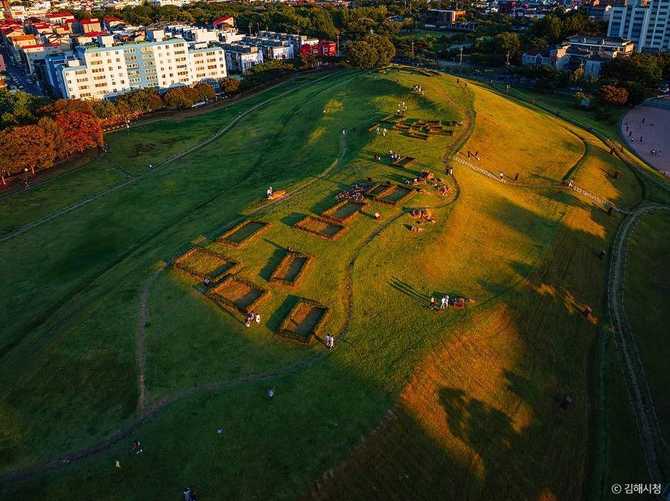
Comparison of Key Aspects of the Gimhae Daeseong-dong Tombs
| Aspect | Details |
|---|---|
| Main Period | Late 4th to early 6th century CE |
| Number of Tombs | Over 200 tombs discovered |
| Types of Tombs | Royal tombs, queen’s tombs, commoner graves |
| Main Artifacts | Gold crowns, pottery, weapons, jewelry |
| Location Features | Distributed along ridges and slopes, reflecting social hierarchy |
| Historical Significance | Shows Gaya’s political power, social structure, and craftsmanship |
| Current Status | Designated UNESCO World Heritage site, protected cultural asset |
Historical Significance & Cultural Preservation Checklist
- Understand the societal hierarchy: The distribution of tombs along ridges and slopes reflects the social stratification of Gaya society, with royal tombs situated prominently.
- Appreciate the craftsmanship: Artifacts such as gold crowns, pottery, and weapons demonstrate advanced metallurgical and artistic skills of the Gaya people.
- Recognize the site’s UNESCO status: The designation emphasizes the global importance of preserving these relics for future generations.
- Respect the preservation guidelines: Do not touch or remove artifacts; stay on designated paths to prevent damage.
- Participate in conservation efforts: Support local initiatives aimed at maintaining the site’s integrity.
Visitor Information & Access to Gimhae Daeseong-dong Tombs
| Aspect | Details |
|---|---|
| Location | 경상남도 김해시 가야의길 126, South Korea |
| Opening Hours | Open year-round, 24 hours, free admission |
| Contact | 대성동고분박물관, 055-350-0426 |
| Accessibility | Accessible by car; parking available on-site |
| Admission Fee | Free for all visitors |
Visitors are encouraged to respect the site by following preservation guidelines, avoiding damage to artifacts, and staying on designated paths. Parking facilities are available for those arriving by car, making it convenient for travelers. The site is open all year round, providing flexible visiting hours for tourists, students, and researchers alike.
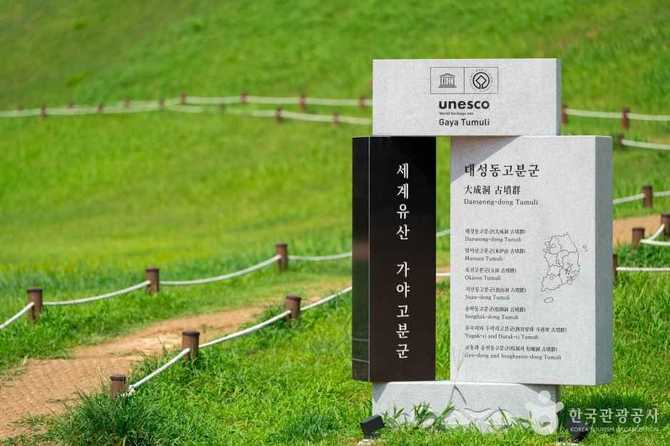
Preservation & Importance of Gaya Heritage
- Respect the site: Always follow the guidelines for preserving the integrity of the tombs and artifacts. Do not touch or remove any relics.
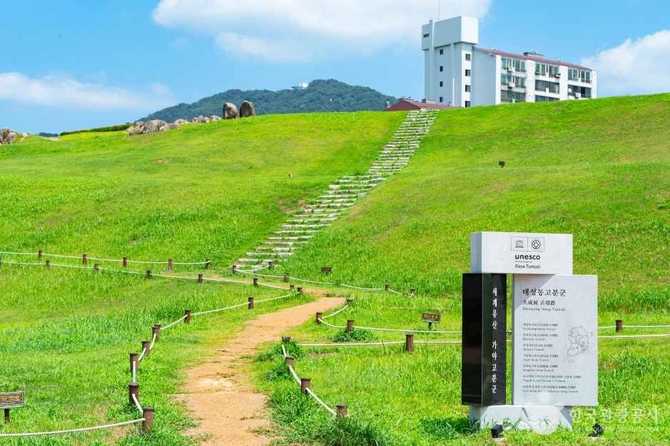
- Stay on designated paths: Use the marked walkways to prevent accidental damage to the archaeological remains and surrounding environment.
- Support conservation efforts: Participate in or donate to local programs aimed at maintaining and restoring the site.
- Promote awareness: Educate others about the cultural and historical significance of the Daeseong-dong Tombs to foster respect and preservation.
- Recognize UNESCO designation: The site’s status as a UNESCO World Heritage site underscores its global importance and the need for ongoing protection.
Whether you visit during the day or evening, Gaya Cultural Heritage at Gimhae is a meaningful stop on any Seoul itinerary for history-minded travelers.
Frequently Asked Questions (FAQ)
Q1: What is the significance of the Gimhae Daeseong-dong Tombs?
The Gimhae Daeseong-dong Tombs are a UNESCO World Heritage site that showcase the burial practices and social hierarchy of the ancient Gaya confederacy, dating from the 4th to 6th centuries CE. They contain royal and elite tombs, along with artifacts that reflect Gaya’s cultural and technological achievements.
Q2: What types of artifacts have been discovered at the Daeseong-dong Tombs?
Excavations have revealed gold crowns, pottery, weapons, and jewelry, demonstrating the advanced craftsmanship and artistry of the Gaya people. These artifacts provide valuable insights into their culture, social structure, and technological level.
Q3: Is the Daeseong-dong Tombs open to the public year-round?
Yes, the site is open throughout the year, 24 hours a day, and admission is free. Visitors can explore the area at any time and learn about Gaya’s history through on-site exhibits and educational programs.
Q4: Are there any restrictions when visiting the Daeseong-dong Tombs?

Visitors should avoid touching or removing artifacts and stay on designated paths to prevent damage. Unauthorized access or disturbance of the tombs is prohibited and can lead to legal penalties.
Q5: How can I get to the Gimhae Daeseong-dong Tombs?
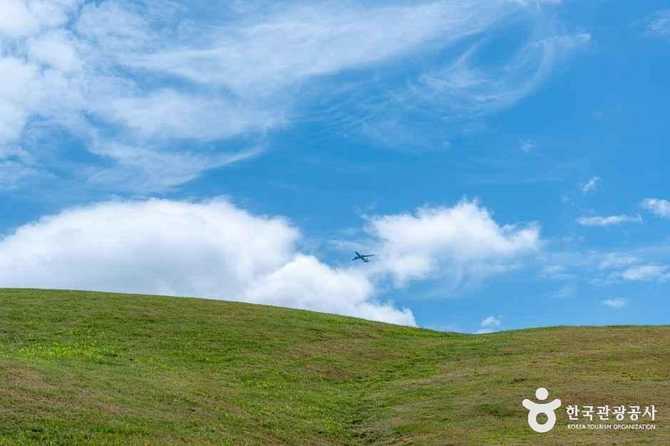
The tombs are located at 경상남도 김해시 가야의길 126, easily accessible by car. Parking facilities are available on-site for visitors arriving by vehicle.
Q6: Why are the Gimhae Daeseong-dong Tombs considered an important cultural heritage?
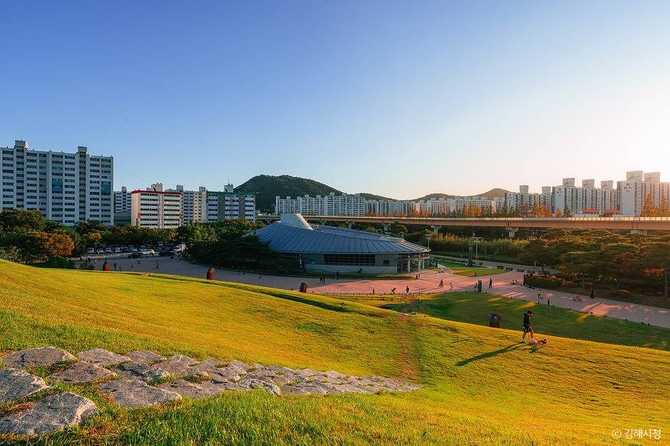
The site provides crucial insights into the political power, social hierarchy, and craftsmanship of the Gaya civilization. Its designation as a UNESCO World Heritage site underscores its global significance for understanding Korea’s ancient history and cultural development.
Conclusion: Exploring the Significance of Gimhae Daeseong-dong Tombs
Visiting the Gimhae Daeseong-dong Tombs offers a unique opportunity to delve into Korea’s ancient history and gain a deeper appreciation for the rich cultural heritage of the Gaya civilization. As one of Korea’s most important archaeological sites, this area provides invaluable insights into the social hierarchy, craftsmanship, and burial customs of the early kingdoms that shaped the nation’s historical landscape. The discovery of over 200 tombs, including royal graves and relics such as gold crowns, pottery, and weapons, underscores the advanced artistry and societal organization of the Gaya people. Exploring this site not only enhances your understanding of Korea’s ancient past but also highlights the importance of cultural preservation. The site’s designation as a UNESCO World Heritage site emphasizes its global significance and the need to protect these irreplaceable artifacts for future generations. Whether you are a history enthusiast, a student, or a traveler passionate about cultural exploration, the Gimhae Daeseong-dong Tombs serve as a vital reminder of Korea’s glorious past and ongoing efforts to conserve its cultural treasures. Plan your visit to this remarkable site and immerse yourself in the fascinating story of Korea’s ancient kingdoms, enriching your understanding of Korea’s history and cultural identity.