
출처 : ⓒ한국관광콘텐츠랩 또는 ⓒ한국관광공사
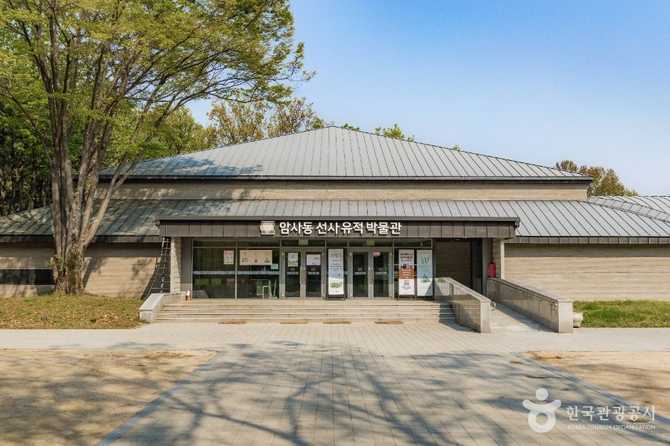
Amsa-dong Prehistoric Site Museum: Discover Korea’s Neolithic Heritage
Location 서울특별시 강동구 올림픽로 875 (암사동)
Location 서울특별시 강동구 올림픽로 875 (암사동)
Are you interested in exploring Korea’s ancient history? The Amsa-dong Prehistoric Site Museum offers an immersive experience into the Neolithic era, showcasing relics, reconstructed dwellings, and interactive exhibits that bring Korea’s prehistoric past to life. Whether you’re a history enthusiast, a family seeking educational outings, or a student studying ancient cultures, this museum provides a comprehensive window into Korea’s early human settlements.
Located in Seoul’s Gangdong District, the Amsa-dong Prehistoric Site Museum is dedicated to preserving and presenting the archaeological significance of the Amsa-dong site, one of Korea’s most important Neolithic archaeological sites. The museum features outdoor excavation displays, reconstructed ancient structures, and engaging hands-on programs that allow visitors to experience the lifestyle of Korea’s early inhabitants. It’s an ideal destination for those eager to understand the origins of Korean civilization through authentic relics and immersive activities.
At a Glance
- Who this is for
-
- History enthusiasts interested in Korea’s prehistoric era
- Families looking for educational cultural experiences
- Students and teachers planning school trips
- Researchers studying Neolithic Korea
- Key takeaways
-
- Features outdoor excavation sites and reconstructed dwellings
- Displays Neolithic pottery, tools, and artifacts from the Han River basin
- Offers augmented reality and hands-on experience zones
- Open year-round except Mondays and New Year’s Day
- Parking available for 105 vehicles with variable fees
- Tips & cautions
-
- Check operating hours and holidays on the official website before visiting
- Arrive early to enjoy full access to outdoor exhibits and programs
- Parking fees vary by vehicle size, so plan accordingly
- Respect the preservation of relics and follow museum guidelines
- Bottom line
- Experience Korea’s ancient Neolithic culture firsthand at the Amsa-dong Prehistoric Site Museum, where history and interactive learning come together.
The Amsa-dong Prehistoric Site Museum stands as a vital cultural institution that preserves and presents the rich history of Korea’s Neolithic period. Situated in Seoul’s Gangdong District, the museum is built around the archaeological site where relics from over 5,000 years ago have been discovered, making it one of the most significant prehistoric sites in Korea. Visitors can explore both indoor and outdoor exhibits, including relic displays, reconstructed ancient dwellings, and excavation sites that vividly depict life during Korea’s early farming and settlement era.
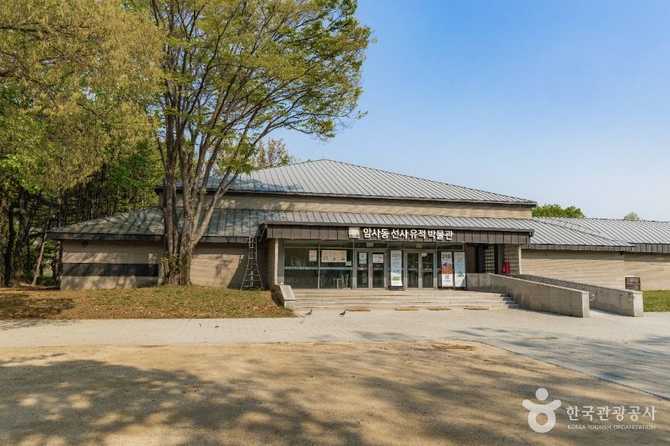
The museum’s core mission is to educate the public about the origins of Korean civilization through authentic artifacts, interactive activities, and immersive experiences. Its outdoor excavation zones allow visitors to observe relics still embedded in the ground, while the reconstructed Neolithic houses help visualize how early humans lived, worked, and interacted with their environment. The museum also offers augmented reality experiences and hands-on workshops, making history engaging and accessible for all ages. Whether you are a local resident or an international traveler interested in Korea’s ancient past, the Amsa-dong Prehistoric Site Museum provides valuable insights into the origins of Korean society and culture.
Amsa-dong Prehistoric Site Museum Overview & Location
The Amsa-dong Prehistoric Site Museum is a premier cultural institution dedicated to showcasing Korea’s Neolithic heritage through its archaeological site and extensive exhibits. Located in Seoul’s Gangdong District, this museum offers visitors a unique opportunity to explore Korea’s prehistoric past. The museum is situated directly on the archaeological site where relics dating back approximately 5,000 years have been discovered, making it one of the most significant Neolithic sites in Korea. The location is easily accessible by public transportation and provides a comprehensive educational experience for visitors of all ages.
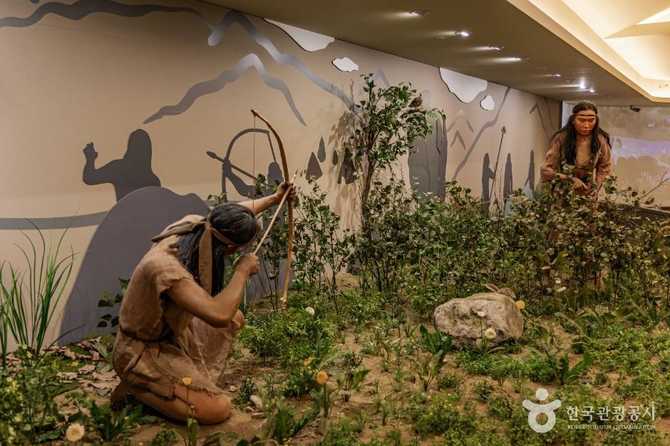
The museum’s main building houses indoor exhibits featuring relics, tools, and pottery from the Neolithic period, along with reconstructed dwellings that give insight into early human life. Outside, visitors can observe excavated relics still embedded in the ground, along with reconstructed ancient structures and interactive zones. The site itself is a vital part of the experience, providing context and authenticity to the displays. Visitors can enjoy a walk through the outdoor excavation zones, which vividly depict the living environment of Korea’s early inhabitants.

The museum’s address is 508 Amsa-dong, Gangdong-gu, Seoul. It is open year-round, except on Mondays and New Year’s Day, with operating hours from 9:30 AM to 6:00 PM. To enhance the visitor experience, the museum offers augmented reality experiences, hands-on workshops, and educational programs that connect the past with the present. Whether you are a history enthusiast, a family seeking educational outings, or a researcher, the Amsa-dong Prehistoric Site Museum provides a comprehensive look into Korea’s Neolithic civilization, making it a must-visit destination for anyone interested in ancient Korea.
Comparison of Exhibits & Programs at Amsa-dong Prehistoric Site Museum
| Exhibit Area | Features & Highlights | Additional Notes |
|---|---|---|
| Indoor Exhibition Hall | Displays Neolithic pottery, tools, and artifacts from the Han River basin. Includes reconstructed dwellings and daily life scenes. | Provides detailed explanations and interactive displays for a comprehensive understanding of the period. |
| Outdoor Excavation Site | Relics still embedded in the ground, with exposed relics and reconstructed ancient structures. | Allows visitors to observe actual archaeological work and the preservation process. |
| Reconstructed Dwellings | Authentic Neolithic houses reconstructed based on archaeological findings. Visitors can enter and explore inside. | Offers insights into early human living conditions and architectural techniques. |
| Interactive & AR Zones | Augmented reality experiences and hands-on activities simulating Neolithic life. | Designed to engage visitors actively and make learning fun and memorable. |
| Special Exhibitions | Temporary displays of recent archaeological discoveries and thematic exhibitions. | Provides updated and diverse perspectives on Neolithic Korea. |
Visitor Checklist & Practical Tips for Amsa-dong Prehistoric Site Museum
- Check operating hours: The museum is open from 9:30 AM to 6:00 PM, with last entry at 5:30 PM. Always verify hours on the official website before your visit.
- Plan your visit: Allocate at least 2 hours to explore both indoor and outdoor exhibits thoroughly.
- Arrive early: To enjoy outdoor excavation zones and reconstructed dwellings without crowds.
- Parking: The museum offers parking for 105 vehicles. Parking fees vary by vehicle size: small cars (1,000 KRW), standard cars (2,000 KRW), large vehicles (4,000 KRW).
- Prepare for outdoor weather: Wear comfortable shoes, hats, and bring water if visiting during hot or rainy days.
- Respect the relics: Follow museum guidelines, do not touch artifacts, and avoid damaging exhibits.
- Use the AR and interactive zones: Take advantage of augmented reality experiences and hands-on activities for an engaging visit.
Historical Significance of Amsa-dong Site
The Amsa-dong Prehistoric Site is one of Korea’s most important archaeological treasures, offering invaluable insights into the Neolithic period, approximately 5,000 years ago. Located in Seoul’s Gangdong District, this site reveals the earliest known human settlements along the Han River, providing a window into Korea’s ancient past. The relics unearthed here include pottery, tools, and remnants of ancient dwellings, which collectively demonstrate the development of early agricultural societies in the region.
The significance of the Amsa-dong site lies in its ability to illustrate the transition from hunting and gathering to settled farming communities. The discovery of painted pottery with distinctive patterns, such as the famous comb-pattern ceramics, highlights cultural exchanges and technological advancements during the Neolithic era. These artifacts are crucial for understanding the social and economic structures of early Korean societies.
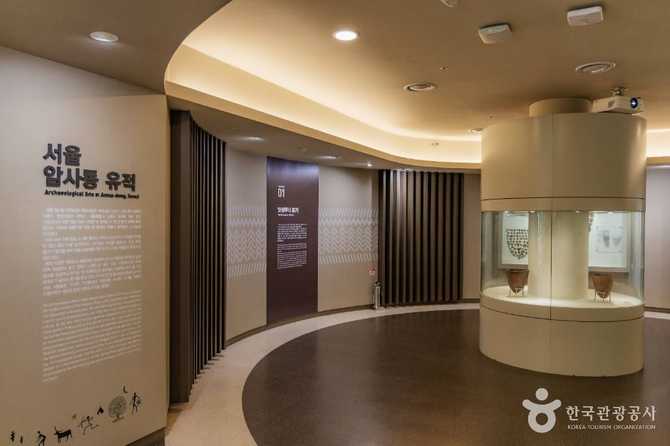
Recognized as a designated cultural heritage site, Amsa-dong’s relics have contributed significantly to scholarly research and to our understanding of prehistoric Korea. The site also exemplifies the natural environment of the time, including ancient riverbeds and landscape features that influenced early human activity. Today, the preservation and display of these relics at the museum help educate the public about Korea’s rich archaeological history and the origins of its civilization.
Visitor Checklist & Tips for Amsa-dong Prehistoric Site Museum
- Verify operating hours: The museum is open from 9:30 AM to 6:00 PM, with last admission at 5:30 PM. Always check the official website or call ahead to confirm current hours and any special closures.
- Plan sufficient time: Allocate at least 2 hours to explore both indoor and outdoor exhibits comfortably, including the archaeological site and reconstructed dwellings.
- Arrive early: Visiting early in the day allows you to enjoy outdoor excavation zones and reconstructed structures with fewer visitors.
- Use parking facilities wisely: The museum offers parking for up to 105 vehicles. Parking fees vary: KRW 1,000 for small cars, KRW 2,000 for standard cars, and KRW 4,000 for large vehicles. Arrive early to secure a spot and avoid peak times.
- Dress appropriately: Wear comfortable shoes suitable for walking outdoors, and prepare for weather conditions—bring hats, umbrellas, or water bottles as needed.
- Respect the relics and environment: Follow all museum guidelines, do not touch artifacts, and avoid damaging exhibits. Help preserve the site for future visitors.
- Engage with interactive programs: Take advantage of augmented reality zones and hands-on activities to enrich your understanding of Neolithic life.
- Check for special events or temporary exhibits: Visit the official website or contact the museum to learn about ongoing special exhibitions or educational programs during your visit.
- Prepare for outdoor exploration: Bring water, sunscreen, and suitable clothing if planning to spend significant time outside at the excavation zones and reconstructed dwellings.
Frequently Asked Questions (FAQ)
Q1: What are the main exhibits at the Amsa-dong Prehistoric Site Museum?
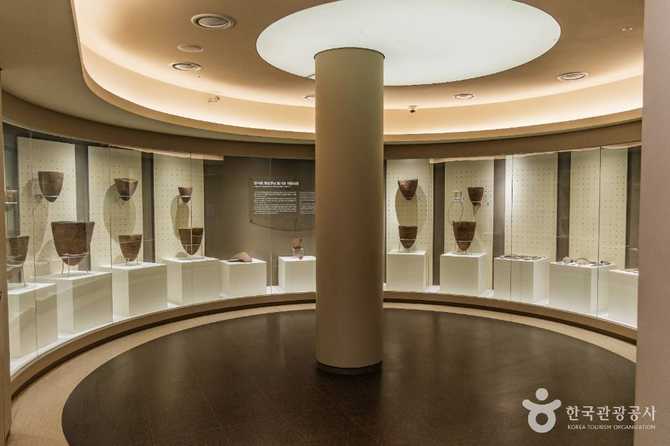
The museum features indoor displays of Neolithic pottery, tools, and artifacts from the Han River basin, along with reconstructed dwellings. Outside, visitors can observe relics still embedded in the ground and explore reconstructed ancient structures.
Q2: Are there interactive or hands-on programs available at the museum?
Yes, the museum offers augmented reality experiences and hands-on activities, including recreations of Neolithic life and dwelling exploration. These programs are designed to engage visitors actively and enhance learning.
Q3: What are the visiting hours and closed days for the Amsa-dong Prehistoric Site Museum?
The museum is open from 9:30 AM to 6:00 PM, with last entry at 5:30 PM. It is closed every Monday and on January 1st; if a holiday falls on a Monday, it closes on the following weekday.

Q4: How can I get to the Amsa-dong Prehistoric Site Museum?
The museum is located at 508 Amsa-dong, Gangdong-gu, Seoul. It is accessible by public transportation, including buses and subway, and has parking available for 105 vehicles.
Q5: Is there an entrance fee to visit the museum?
The museum generally offers free admission; however, special exhibitions or programs may require a fee. It is recommended to check the official website or contact the museum for detailed fee information.
Q6: Why is the Amsa-dong archaeological site significant?
The Amsa-dong site is one of Korea’s most important Neolithic archaeological locations, providing insights into early human settlements, culture, and lifestyle along the Han River approximately 5,000 years ago. The relics and relics discovered here are vital for understanding Korea’s prehistoric history.
Experience Korea’s Neolithic Heritage at Amsa-dong Prehistoric Site Museum
Visiting the Amsa-dong Prehistoric Site Museum offers a unique opportunity to connect with Korea’s ancient past through immersive exhibits, reconstructed dwellings, and engaging hands-on programs. This museum is a must-visit for those interested in understanding the origins of Korean civilization, especially the Neolithic period, which played a crucial role in shaping Korea’s early human history. The museum’s outdoor excavation sites and reconstructed ancient structures vividly depict the lifestyle of Korea’s first settlers, providing a tangible link to the distant past.
Whether you are a family seeking educational fun, a student preparing for history studies, or a researcher exploring prehistoric Korea, the Amsa-dong Prehistoric Site Museum caters to all interests. Its well-preserved relics, interactive AR zones, and authentic reconstructions make history accessible and engaging for visitors of all ages. Remember to check the operating hours and holiday schedule before your visit to ensure a smooth experience. Parking is available on-site, with fees varying by vehicle size, so plan accordingly.
By exploring this remarkable site, visitors gain a deeper appreciation for Korea’s rich archaeological heritage and the early human stories that laid the foundation for modern Korean society. The Amsa-dong Prehistoric Site Museum stands as a vital cultural hub, seamlessly blending history, education, and interactive fun. Make sure to include it in your travel plans for an enriching journey into Korea’s prehistoric past, where history truly comes alive through relics, reconstructions, and immersive experiences.