
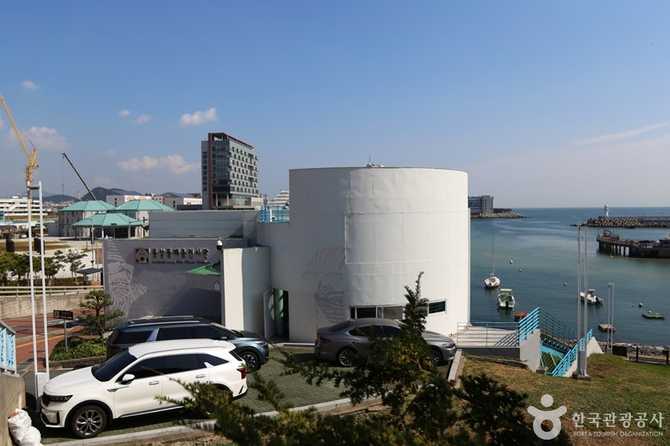
Explore the Busan Dongsam-dong Shell Mound Museum: A Premier Destination for Prehistoric Artifacts and History Education
Are you interested in discovering Korea’s ancient history and prehistoric culture? The Busan Dongsam-dong Shell Mound Museum offers an immersive experience into the Neolithic era with its rich collection of artifacts and engaging educational programs. Whether you’re a history enthusiast, a student, or a traveler exploring Korea’s cultural heritage, this museum provides a unique window into early human life and prehistoric settlements.

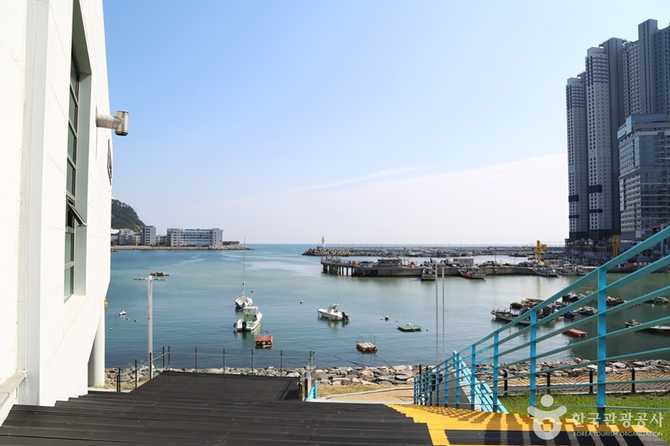
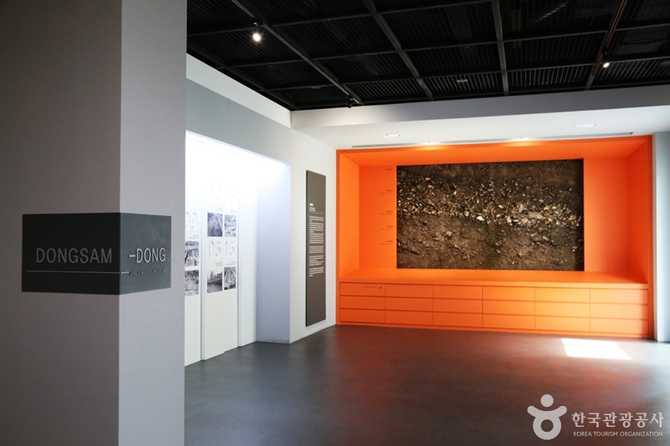
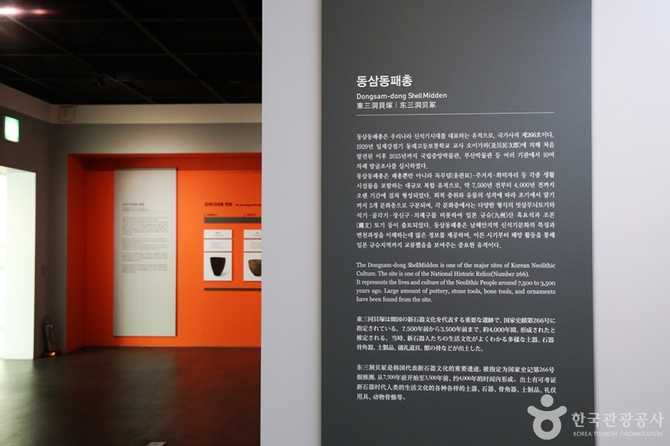
Located in Yeongdo-gu, Busan, the Dongsam-dong Shell Mound Museum is dedicated to showcasing the relics unearthed from the Dongsam-dong Shell Mound site, one of Korea’s most significant archaeological sites. Since opening in 2002, the museum has served as both an educational space and a cultural landmark, offering visitors the chance to understand the lifestyle, tools, and environment of Korea’s ancient inhabitants. The museum’s exhibits include stone tools, pottery, cultivated grains, and shell remains, providing a comprehensive overview of Neolithic culture in the region.
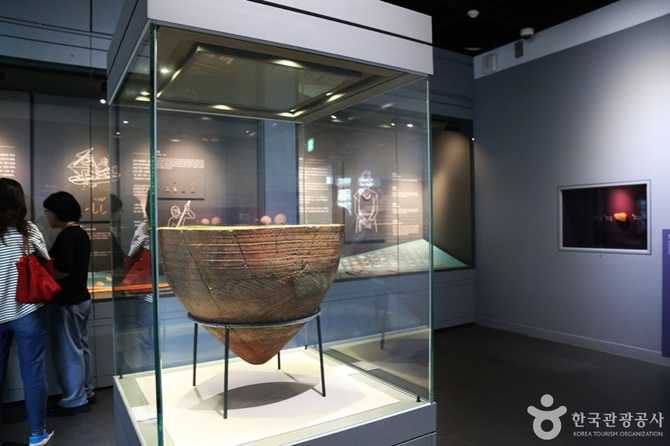
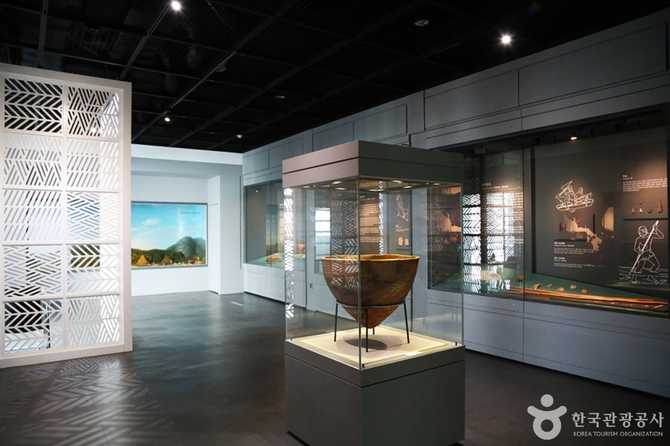
Visitors can explore the museum’s two main exhibition halls, which feature diverse displays of artifacts and reconstructions that vividly illustrate the daily life and environment of prehistoric peoples. The museum is free to enter, has convenient parking facilities, and is easily accessible by public transportation, making it an ideal destination for families, school groups, and cultural tourists alike. Whether you’re interested in archaeology, history, or cultural heritage, the Dongsam-dong Shell Mound Museum is a must-visit site that enriches your understanding of Korea’s ancient past.
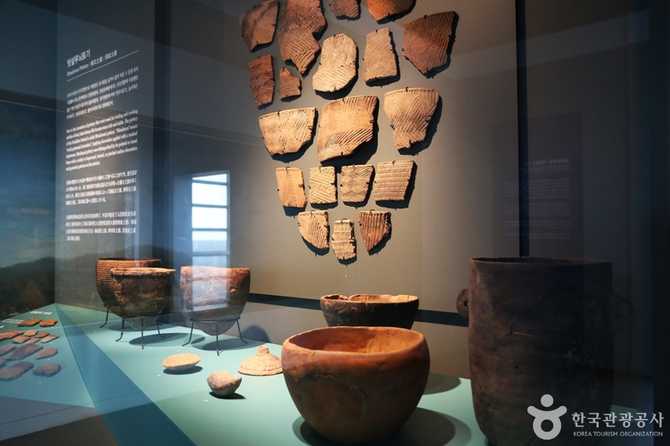
At a glance
- Who this is for
-
- History and archaeology enthusiasts
- Students and educators seeking cultural education
- Travelers exploring Korea’s prehistoric sites
- Local residents interested in regional heritage
- Key takeaways
-
- Features artifacts from the Dongsam-dong Shell Mound, a key archaeological site
- Offers insights into Korea’s Neolithic lifestyle and environment
- Free admission with convenient parking and accessibility
- Includes educational programs and interactive displays
- Located in Busan’s Yeongdo-gu district, easily reachable by public transport
- Tips & cautions
-
- Check the museum’s operating hours before visiting
- Closed on Mondays and public holidays following
- Verify parking availability and public transportation options
- Visit with school groups or family for an educational experience
- Bring your camera and note-taking supplies for better engagement
- Bottom line
- Busan Dongsam-dong Shell Mound Museum is Korea’s premier prehistoric artifact museum, ideal for learning about ancient human history and cultural heritage.
Museum Overview & Historical Background
The Busan Dongsam-dong Shell Mound Museum is a prominent cultural and educational institution dedicated to showcasing Korea’s prehistoric era. Established in 2002, this museum is situated in the Yeongdo-gu district of Busan, South Korea. It specializes in displaying artifacts excavated from the Dongsam-dong Shell Mound site, which is regarded as one of the most significant archaeological locations in Korea. The museum serves as a vital resource for understanding the Neolithic period, offering insights into the daily lives, tools, and environment of Korea’s ancient inhabitants.
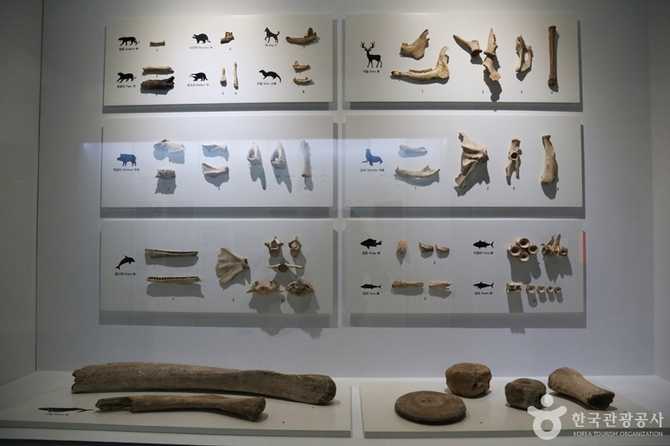
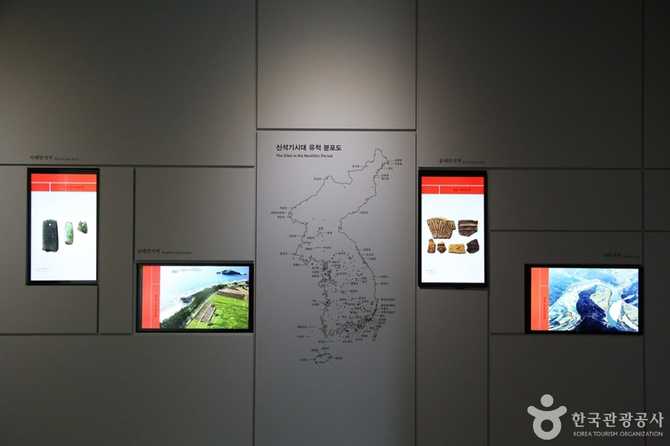
The core focus of the museum is to provide visitors with an immersive experience into prehistoric Korea through its extensive collection of relics. These include cultivated grains like millet and barley, stone tools, pottery, shell remains, and farming implements. The shell mound itself is a natural accumulation of shells and waste from early human settlements, offering a vivid glimpse into the food habits and environmental conditions of the time. The museum’s exhibits are designed to educate visitors about the evolution of human society during the Neolithic era, highlighting the transition from hunter-gatherer lifestyles to early farming communities.
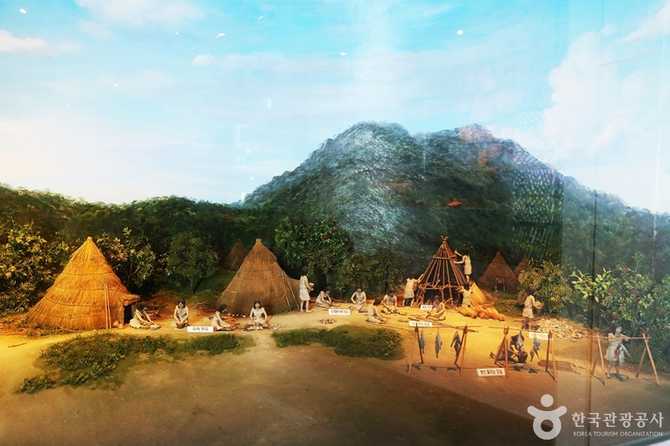
Throughout the years, the museum has played a crucial role in promoting awareness of Korea’s ancient history and archaeological heritage. It functions not only as a display space but also as an educational hub, hosting programs for students, researchers, and the general public. The museum’s architecture and layout facilitate a comprehensive understanding of the artifacts, with dedicated sections for different periods and types of relics. Its mission is to preserve and interpret the cultural legacy of Korea’s prehistoric period, making it an essential destination for history enthusiasts and cultural tourists alike.
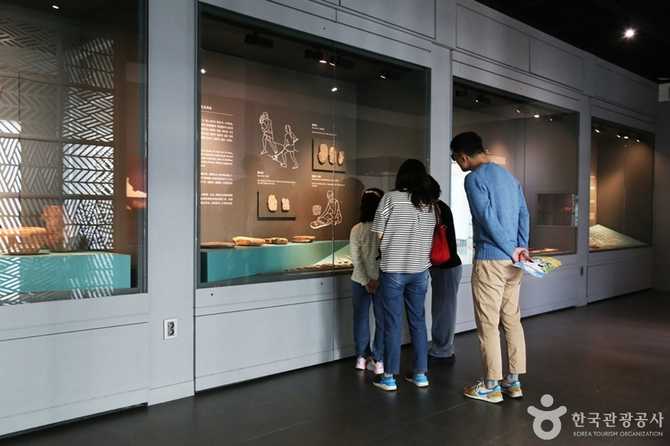
Whether you are interested in archaeology, anthropology, or simply exploring Korea’s rich history, the Dongsam-dong Shell Mound Museum offers an engaging and informative experience. Its combination of authentic relics, educational programs, and accessible location makes it a must-visit for anyone keen to learn about Korea’s ancient past and prehistoric culture.
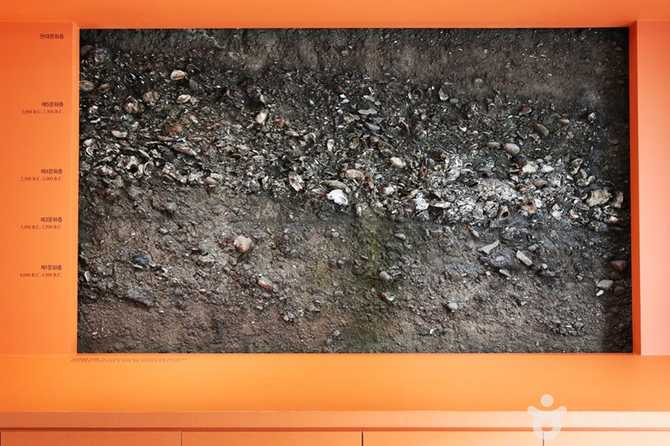
Comparison of Main Exhibits & Artifacts
| Exhibit Item | Description | Significance |
|---|---|---|
| Cultivated Grains (Millet & Barley) | Ancient grains discovered at the site, representing early farming practices. | Indicates the beginning of agriculture in Korea during the Neolithic period. |
| Stone Tools & Agricultural Implements | Includes scrapers, arrowheads, and farming tools made from stone. | Showcases technological advancements and daily activities of prehistoric peoples. |
| Shell Remains & Shell Mound | Accumulated shells from mollusks, forming the shell mound. | Provides insights into diet, environment, and settlement patterns. |
| Pottery (Neolithic Ceramics) | Decorated and plain pottery used for cooking and storage. | Reflects cultural and religious practices of early communities. |
| Farming & Domestic Tools | Includes farming tools, grinding stones, and household utensils. | Highlights the evolution of domestic life and food production. |
Visitor Information & Checklist
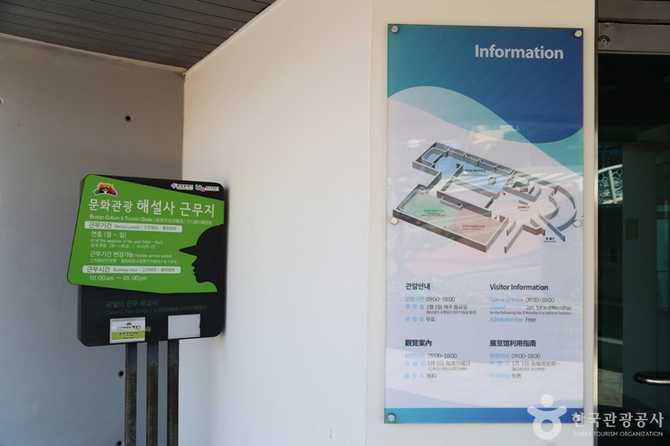
- Check Operating Hours: The museum is open from 09:00 to 18:00 daily, except Mondays, public holidays following, and January 1st.
- Verify Closure Days: Closed on Mondays and the day after public holidays. Always confirm before visiting.
- Admission: Free for all visitors. No tickets required.
- Parking: Ample parking is available on-site for visitors arriving by car.
- Transportation: Easily accessible via public transit; bus stops nearby and taxi services readily available.
- Preparation Tips: Bring your camera, notepad, and water. Wear comfortable shoes for walking around the exhibits.
Tip: For the latest updates on opening hours and special events, check the museum’s official website or call ahead at 051-403-1193.
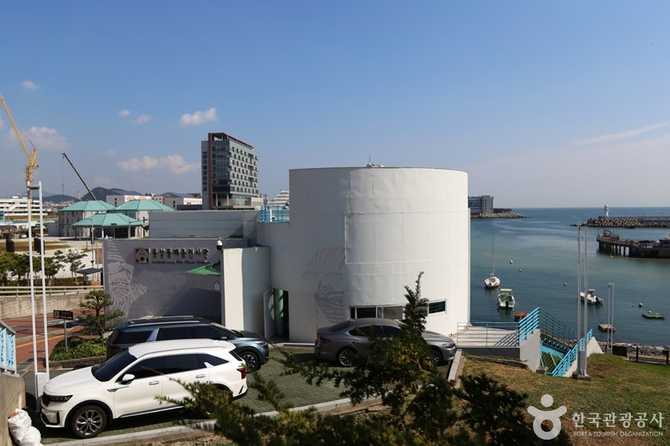
Warning: The museum is closed on Mondays and during certain public holidays. Plan your visit accordingly to avoid disappointment.
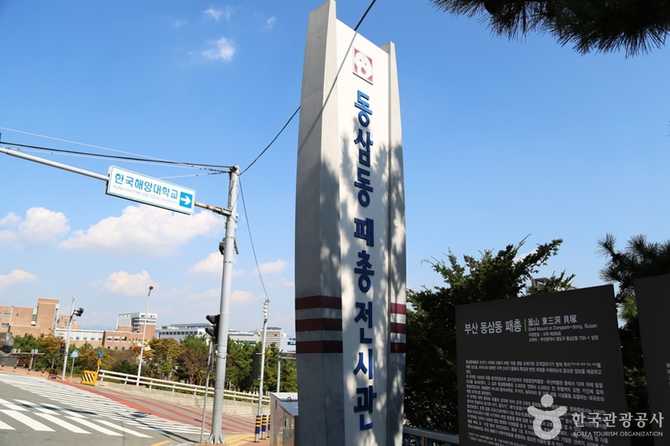
Hours, Location & Contact Information
| Details | Information |
|---|---|
| Address | Busan Metropolitan City, Yeongdo-gu, Taejong-ro 729, Dongsam-dong |
| Phone Number | 051-403-1193 |
| Official Website | http://museum.busan.go.kr |
| Operating Hours | 09:00 – 18:00 daily |
| Closed on | Mondays, the day after public holidays, and January 1st |
| Parking | Available on-site for visitors arriving by car |
Visitor Checklist Before Visiting the Busan Dongsam-dong Shell Mound Museum
- Confirm Operating Hours: Ensure the museum is open from 09:00 to 18:00 on your planned visit day.
- Check Closure Days: Remember the museum is closed every Monday, the day after public holidays, and on January 1st.
- Verify Parking Availability: Confirm that parking is available if you plan to drive.
- Plan Transportation: Consider public transit options nearby, such as bus stops, or arrange for a taxi to reach the museum easily.
- Prepare Your Visit: Bring essentials such as a camera, notepad, and comfortable shoes for walking around the exhibits.
- Check for Special Events: Visit the official website or call the museum at 051-403-1193 for updates on special exhibitions or events.
Tip: Planning ahead ensures a smooth visit. Confirm hours and closure days before your trip to avoid missing out.
Warning: The museum remains closed on Mondays and certain public holidays. Make sure to check the schedule in advance to plan your visit accordingly.

Whether you visit during the day or evening, Explore the Busan Dongsam is a meaningful stop on any Seoul itinerary for history-minded travelers.
Frequently Asked Questions (FAQ)
Q1: When was the Busan Dongsam-dong Shell Mound Museum established?
An: The museum opened in 2002 and has since served as a key educational and cultural site showcasing Korea’s prehistoric artifacts and Neolithic culture.
Q2: What types of artifacts can visitors see at the Dongsam-dong Shell Mound Museum?
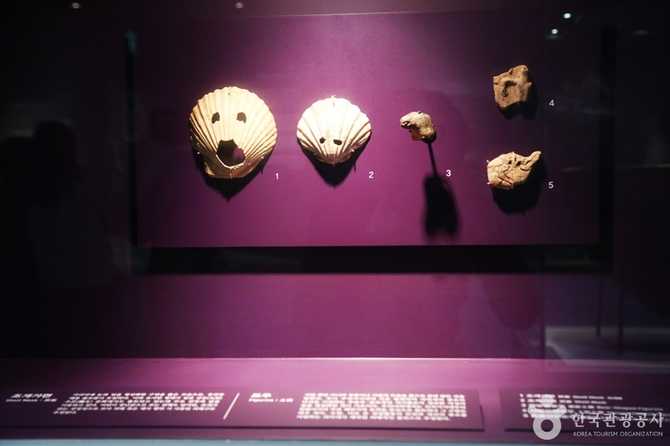
An: Visitors can view relics such as cultivated grains like millet and barley, stone tools, pottery, shell remains, and farming implements from Korea’s Neolithic period.
Q3: Is there an admission fee for the museum?
An: No, the museum offers free admission to all visitors, making it accessible for educational trips and family visits.

Q4: What are the operating hours and closed days of the museum?
An: The museum is open daily from 09:00 to 18:00 and is closed every Monday, the day after public holidays, and on January 1st.
Q5: How can I get to the Dongsam-dong Shell Mound Museum?
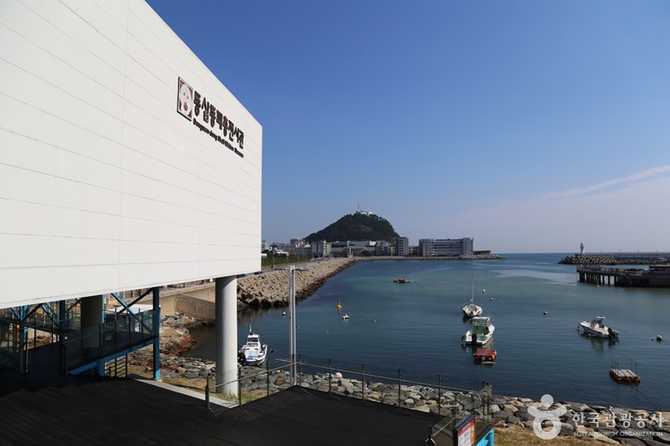
An: The museum is located at 729 Taejong-ro, Dongsam-dong, Yeongdo-gu, Busan. It is accessible by public transportation and has parking facilities available.

Q6: What should I know before visiting the museum?
An: Visitors should check the latest opening hours and closure days on the official website or by calling 051-403-1193. Bringing a camera and comfortable shoes is recommended for exploring the exhibits.
Closing Information and Visitor Tips
When planning your visit to the Busan Dongsam-dong Shell Mound Museum, it is important to be aware of its closing days to ensure a smooth and enjoyable experience. The museum is closed every Monday, making it essential to schedule your trip on other days of the week. Additionally, if a public holiday falls on a Monday, the museum will be closed the following day instead. During special holidays such as New Year’s Day, the museum also remains closed, so checking the official website or calling ahead is highly recommended before your visit.
The museum’s operating hours are from 09:00 in the morning until 18:00 in the evening, providing ample time for exploration and learning. To avoid disappointment, visitors should plan their trip accordingly, especially if they wish to participate in guided tours or educational programs, which may have specific schedules. It is also advisable to arrive early in the day to enjoy the exhibits with less crowd and to take full advantage of the available facilities.
Remember that the museum offers free admission, making it an accessible destination for families, students, and history enthusiasts. Parking is available on-site, so driving is a convenient option. However, public transportation options are also plentiful, with nearby bus stops and taxi services readily accessible. To make the most of your visit, check the official website or contact the museum by phone at 051-403-1193 for the latest updates on hours and special events. Proper planning ensures a rewarding experience at this important site for Korea’s prehistoric culture and history education.