

출처 : ⓒ한국관광콘텐츠랩 또는 ⓒ한국관광공사
Explore Busan Museum: The Best Cultural Heritage Experience in Busan
Location 부산광역시 남구 유엔평화로 63
Location 부산광역시 남구 유엔평화로 63
Are you interested in discovering Busan’s rich history and vibrant cultural heritage? Visiting Busan Museum offers an immersive journey into the city’s past, traditions, and local stories. Whether you’re a history enthusiast, a family looking for educational fun, or a student group planning a cultural field trip, Busan Museum provides engaging exhibits and educational programs suitable for all ages. Located conveniently in the heart of Busan, the museum is a gateway to understanding the city’s unique identity through its extensive collections and interactive displays.
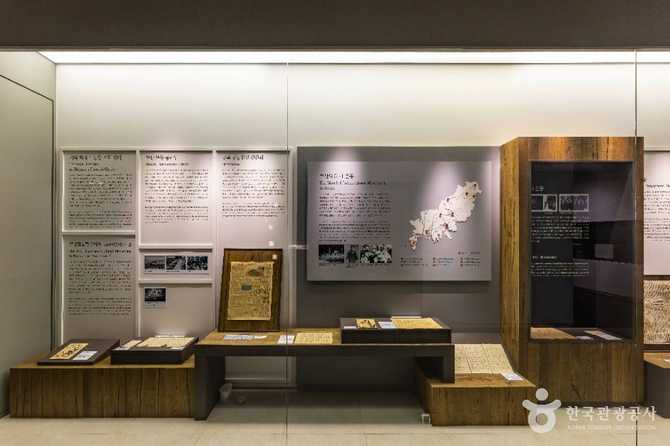
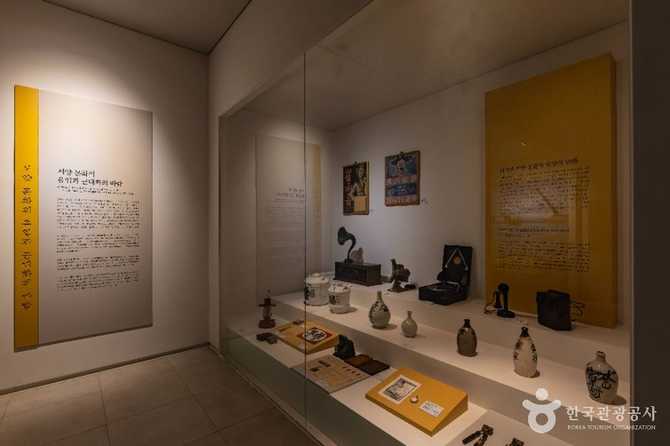
Busan Museum is the premier cultural space where visitors can explore Korea’s southeastern coastal history. Open since 1978, it has grown into a comprehensive institution that preserves and showcases regional artifacts, archaeological finds, and cultural traditions. With free admission and ample parking, it welcomes locals and tourists alike to learn about Busan’s historical evolution and cultural landscape. The museum’s commitment to education is reflected in its diverse programs, including special exhibitions, hands-on workshops, and scholarly research initiatives. Whether you’re planning a family outing, a school trip, or a solo cultural exploration, Busan Museum offers a meaningful experience that highlights the city’s rich legacy.
At a glance
- Who this is for
-
- Visitors interested in Busan’s history and culture
- Families seeking educational outings
- School groups and students planning cultural trips
- Tourists exploring Busan’s local heritage
- Researchers and scholars of Korean regional history
- Key takeaways
-
- Established in 1978, located in Busan’s Nam-gu district
- Offers free admission and ample parking facilities
- Features diverse exhibitions, educational programs, and cultural events
- Operates daily from 09:00 to 18:00, closed on Mondays and Jan 1
- Includes subsidiary museums like Boksan Museum and Dongseomdong Tumulus Exhibition Hall
- Tips & cautions
-
- Check the official website or contact beforehand for special exhibitions and schedule updates
- Reservations are recommended for group visits and educational programs
- Arrive early to enjoy full access before closing time at 17:00
- Note the closure on Mondays and public holidays
- Bottom line
- Busan Museum is the ultimate cultural destination to explore the city’s historical and cultural treasures in an engaging, family-friendly environment.
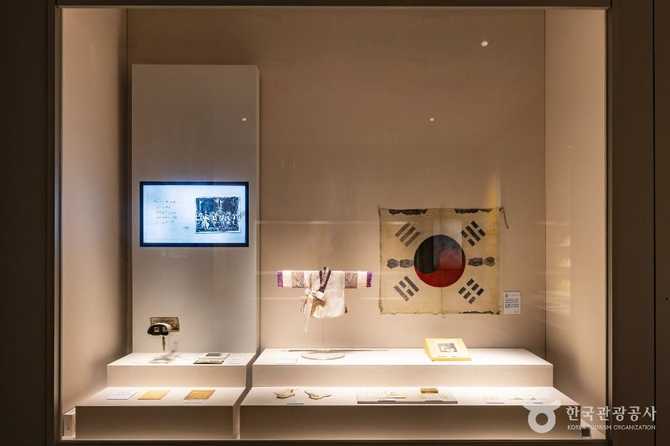
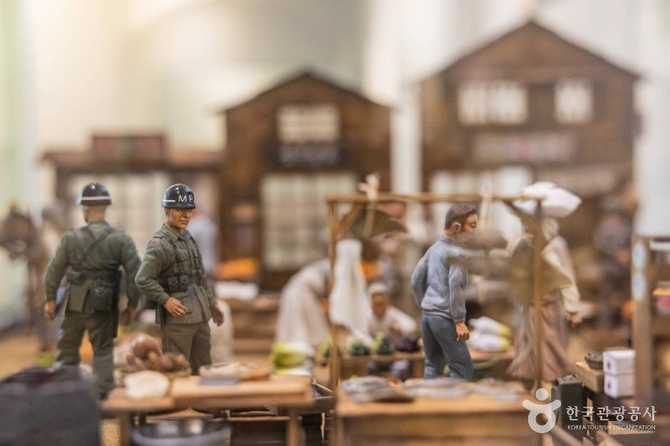
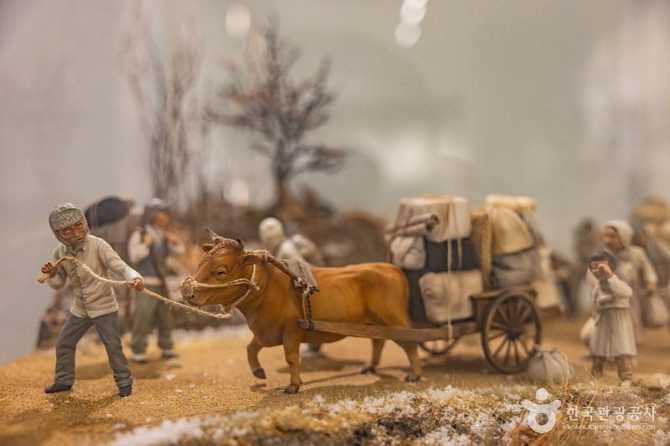
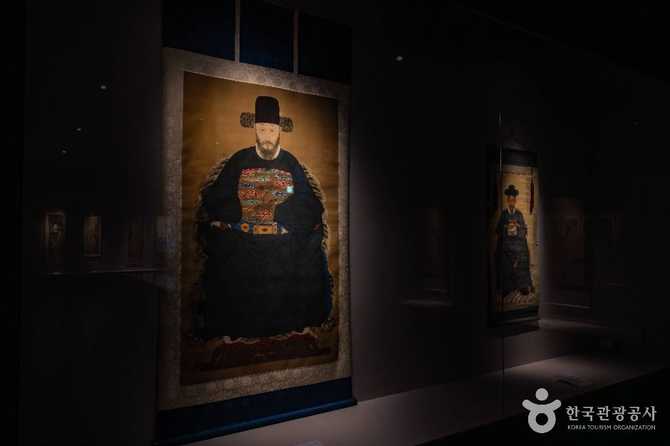
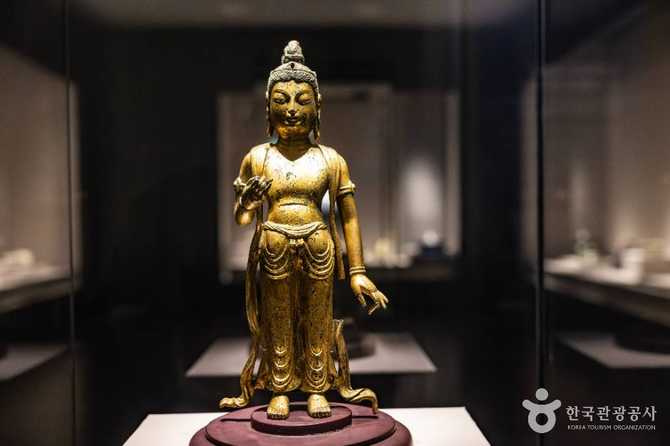
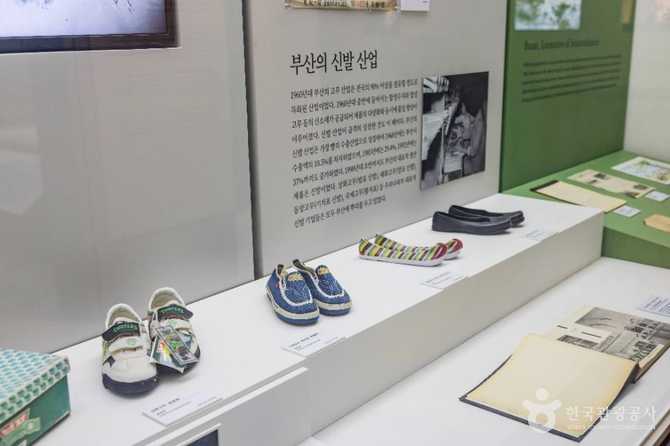
Busan Museum stands as a cornerstone of regional cultural preservation and education. Situated at 63 UN Peace Road, Nam-gu, Busan, it offers visitors a comprehensive insight into the city’s evolution from ancient times to modern Korea. The museum’s extensive collections include archaeological relics, traditional crafts, and historical artifacts that narrate the story of Busan’s development as a major port city. Its exhibits are thoughtfully curated to appeal to diverse audiences, from casual tourists to dedicated researchers.
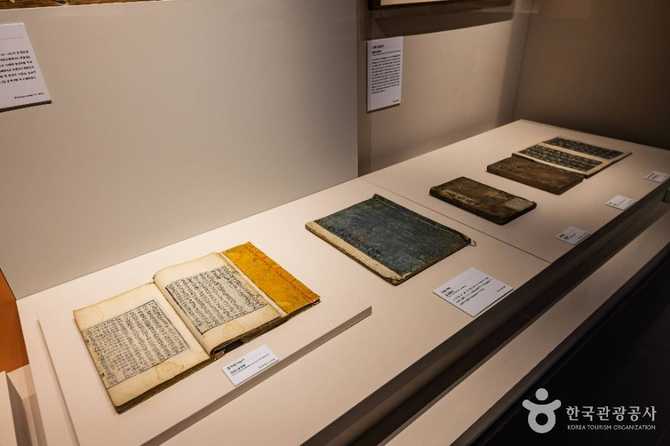
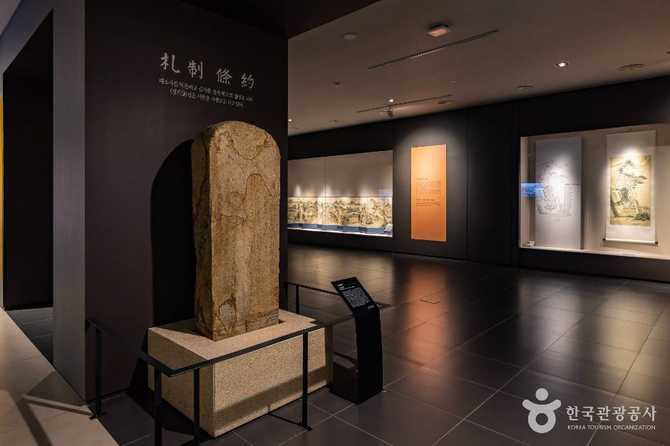
In addition to its permanent displays, Busan Museum hosts temporary exhibitions and special events that highlight various aspects of local history and culture. The museum also runs educational programs such as lectures, workshops, and guided tours designed for children, students, and adults. These initiatives aim to foster a deeper understanding of Korea’s regional heritage and promote cultural pride. With free entry, convenient parking, and easy access via public transportation, the museum is an ideal destination for those eager to learn about Busan’s unique identity and historical significance.
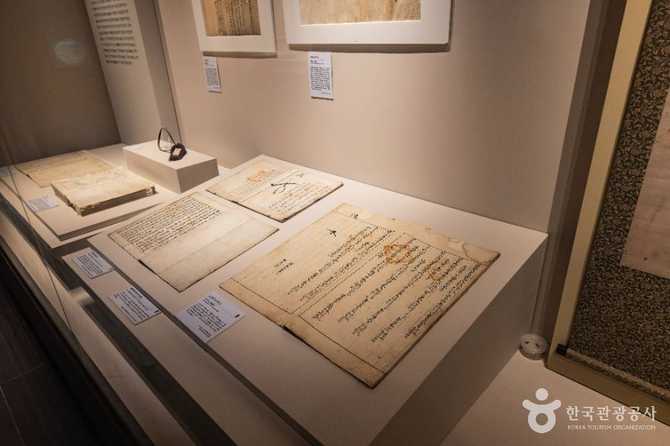
Busan Museum Overview and History
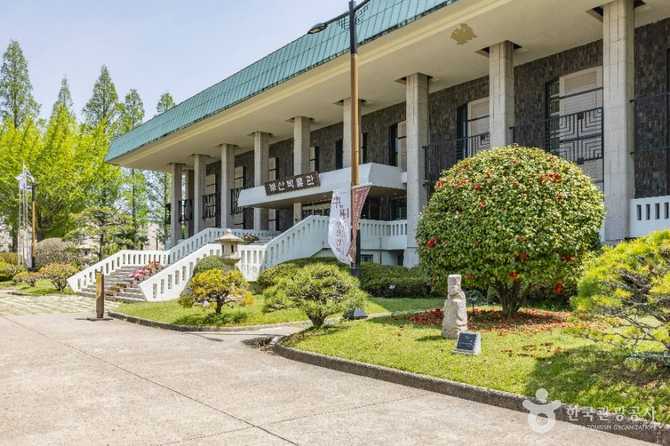
Busan Museum is the premier cultural institution dedicated to preserving and showcasing the rich history and cultural heritage of Busan, South Korea. Established on July 11, 1978, it has become a vital hub for both locals and visitors interested in exploring the city’s past, traditions, and archaeological treasures. Located in the Nam-gu district along UN Peace Road, the museum offers a comprehensive look at Busan’s evolution from ancient times through modern development, making it an essential destination for those seeking to understand Korea’s southeastern coastal region.
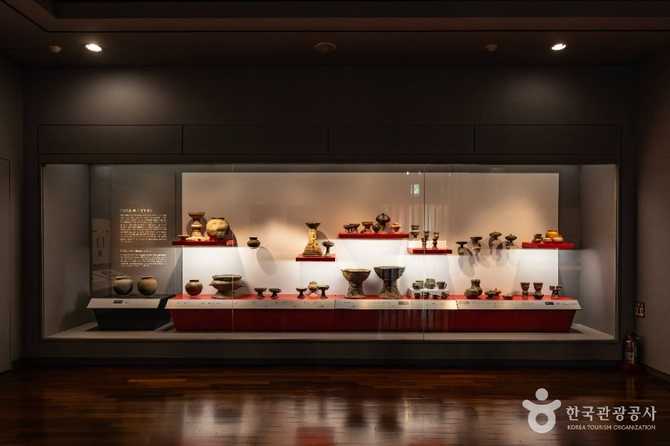
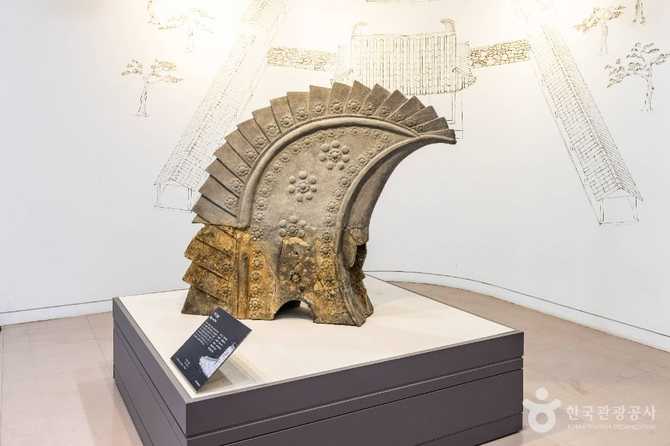
The museum’s core mission is to collect, preserve, and interpret artifacts related to Busan’s history, including archaeological relics, traditional crafts, and historical documents. Over the decades, it has expanded its scope by establishing subsidiary institutions such as the Boksan Museum and Dongseomdong Tumulus Exhibition Hall, which focus on specific aspects of regional heritage. These efforts help foster a deeper understanding of the city’s role as a port and trading hub, as well as its cultural and social development.
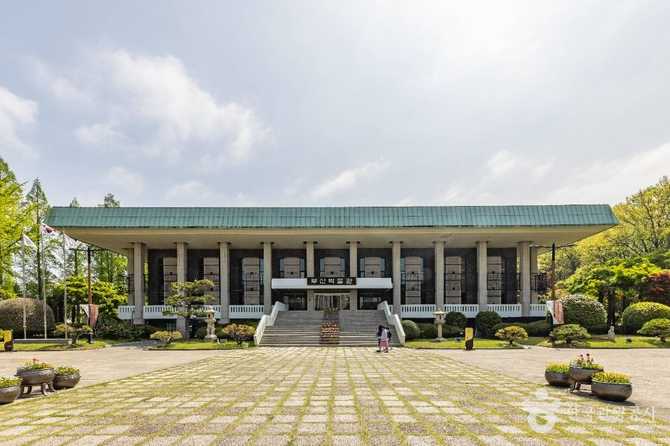
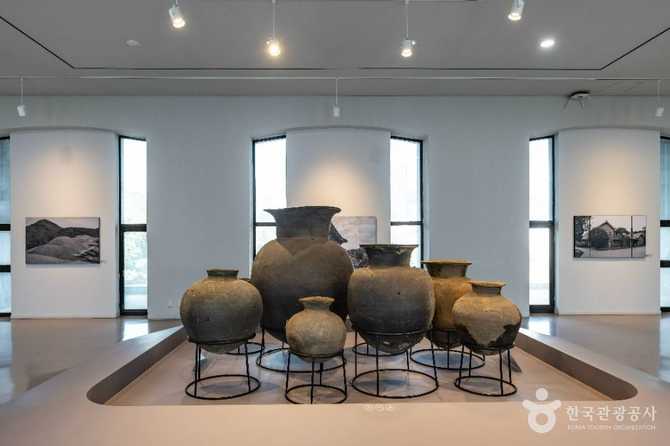
Throughout its history, Busan Museum has been active in conducting excavations, research projects, and cultural preservation initiatives. Its exhibits are thoughtfully curated to appeal to diverse audiences, from casual visitors and families to scholars and researchers. The museum also emphasizes educational outreach by offering various programs, including lectures, workshops, and guided tours, aimed at promoting cultural pride and historical awareness among the community.
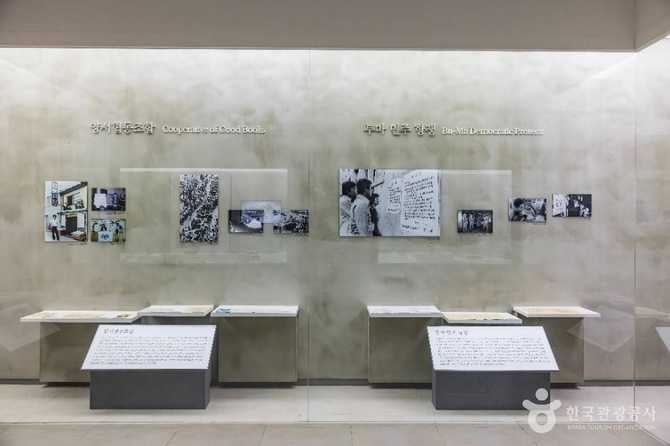
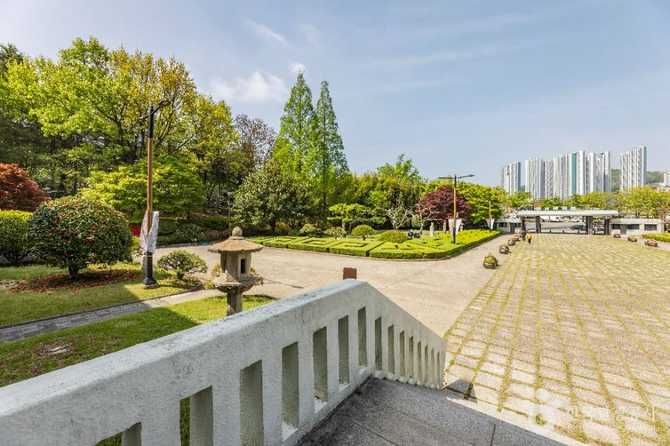
Today, Busan Museum continues to serve as a vital cultural landmark in Busan, reflecting the city’s dynamic history and vibrant traditions. Its commitment to free admission and accessible facilities ensures that everyone can experience Korea’s regional heritage firsthand. Whether you are interested in ancient relics or modern cultural stories, Busan Museum provides an insightful journey into the city’s historical identity, making it a must-visit destination for travelers eager to learn about Busan’s unique legacy.
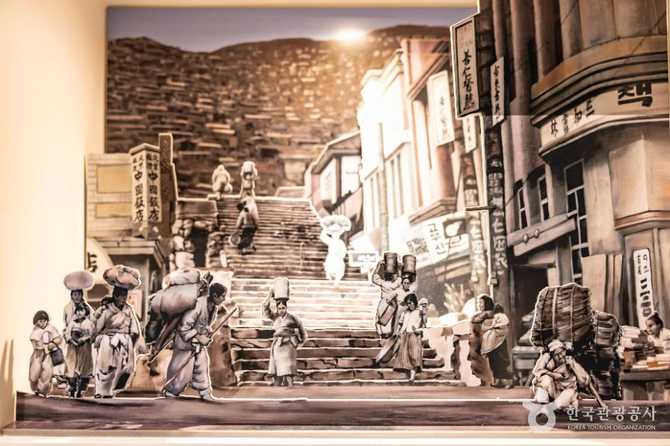
Comparison of Exhibitions and Educational Programs at Busan Museum
| Category | Details | Notes |
|---|---|---|
| Exhibition Types | Permanent Exhibits, Special Temporary Exhibitions, Curated Themed Exhibits | Rotating displays keep the experience fresh for repeat visitors |
| Educational Programs | Children’s Workshops, Adult Lectures, Museum College, Hands-on Activities | Programs are held year-round, some require prior reservation |
| Special Events | Cultural Festivals, Archaeological Excavation Demonstrations, Cultural Performances | Occur periodically; check the official website for updates |
| Research & Publications | Academic Research, Cultural Journals, Artifact Documentation | Supports scholarly work and regional studies |
Overall, Busan Museum offers a diverse range of exhibits and educational programs designed to deepen visitors’ understanding of regional history. The combination of permanent collections and dynamic temporary exhibitions ensures a fresh experience during each visit. Educational activities are tailored for different age groups, making the museum a versatile space for family outings, school trips, and academic research. Visitors are encouraged to check the official website or contact the museum in advance to confirm schedules, reservation requirements, and special event dates.
Location and Transportation to Busan Museum
- Address: 63 UN Peace Road, Nam-gu, Busan, South Korea
- Public Transit Options:
- Subway: Take Line 1 or Line 2 to Busan Station or Nampo Station, then walk approximately 15 minutes to the museum.
- Bus: Several bus routes serve the UN Peace Road area, with stops at the UN Peace Road bus stop. Check local bus schedules for detailed routes.
- Driving and Parking:
- Use navigation apps and input ‘Busan Museum’ or the address directly.
- Free parking is available on-site for visitors arriving by car.
Visitor Tips and Important Notes for Busan Museum
| Tip or Note | Details |
|---|---|
| Check Operating Hours and Schedule | Visit the official website or contact the museum beforehand to confirm current opening hours, special exhibitions, and any temporary closures or schedule changes. |
| Reservation for Group and Educational Visits | For large groups, school trips, or educational programs, it is recommended to make reservations in advance to ensure smooth entry and participation. |
| Arrive Early | To maximize your experience, arrive at least an hour before closing time (17:00) to explore exhibits thoroughly and participate in programs. |
| Respect Museum Rules | Follow guidelines on photography, touching exhibits, and noise levels to ensure a pleasant environment for all visitors. |
| Parking and Transportation | Use the free parking facilities on-site or plan your route via public transportation for convenience and ease of access. |
Visitor Checklist for a Smooth Experience at Busan Museum
- Confirm the museum’s opening hours and special exhibition schedules before your visit.
- Make reservations in advance for group visits or educational programs if applicable.
- Arrive early, ideally one hour before closing time, to enjoy the exhibits fully.
- Check parking availability or plan your public transportation route.
- Review museum rules regarding photography, touching exhibits, and behavior.
- Prepare any necessary documentation or tickets if required for special programs.
- Wear comfortable clothing and shoes suitable for walking and exploring.
- Bring water, especially during hot weather, to stay hydrated during your visit.
- Respect other visitors and maintain a quiet, respectful environment.
Whether you visit during the day or evening, Explore Busan Museum is a meaningful stop on any Seoul itinerary for history-minded travelers.


Frequently Asked Questions (FAQ)
Q1: When was Busan Museum established?

Busan Museum opened its doors on July 11, 1978, as a comprehensive cultural institution dedicated to preserving and showcasing the region’s history and heritage.

Q2: What are the operating hours of Busan Museum?
The museum is open daily from 09:00 to 18:00, with last admission at 17:00. It is closed every Monday and on January 1st.

Q3: Is there an admission fee for Busan Museum?
No, entry to Busan Museum is free of charge. Parking facilities are available for visitors arriving by car.
Q4: What types of exhibits and programs does Busan Museum offer?
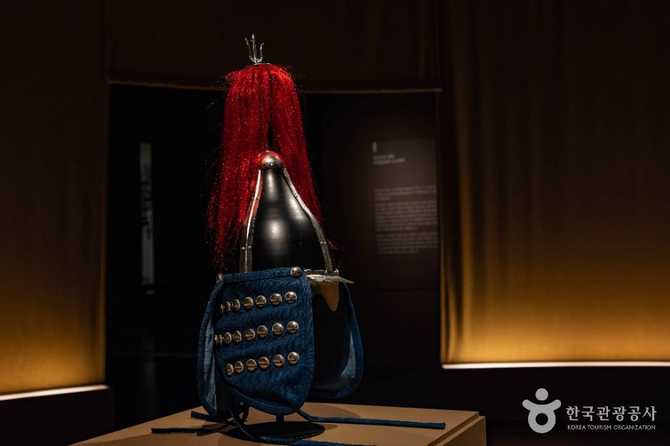
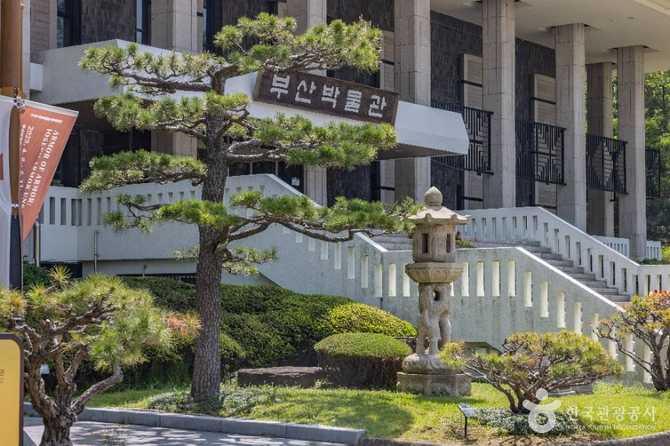
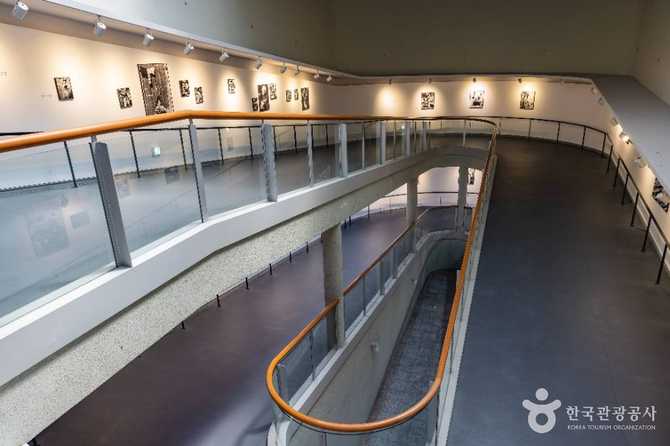
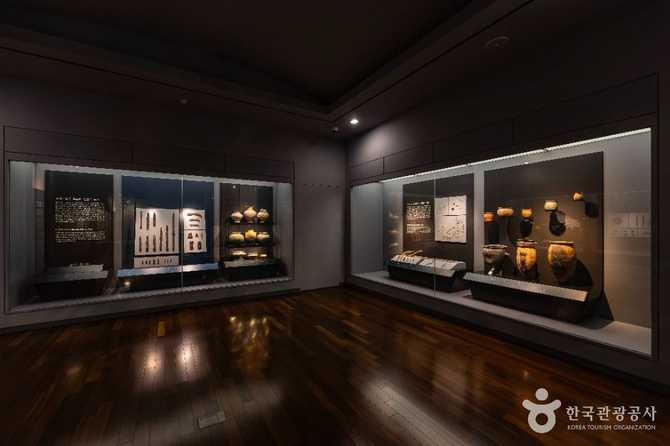
The museum features permanent and temporary exhibitions, educational programs for children and adults, cultural events, and research activities related to Busan’s history and artifacts.

Q5: How can I reach Busan Museum using public transportation?

Take Line 1 or Line 2 to Busan Station or Nampo Station, then walk approximately 15 minutes. Several bus routes also serve the area with stops near the museum.
Q6: Are there any tips for visiting Busan Museum?
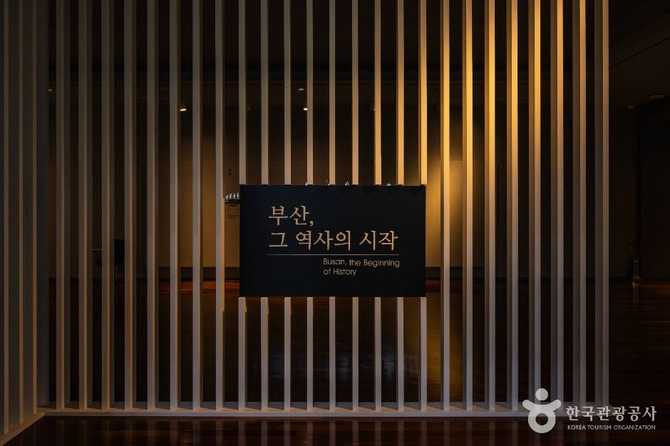
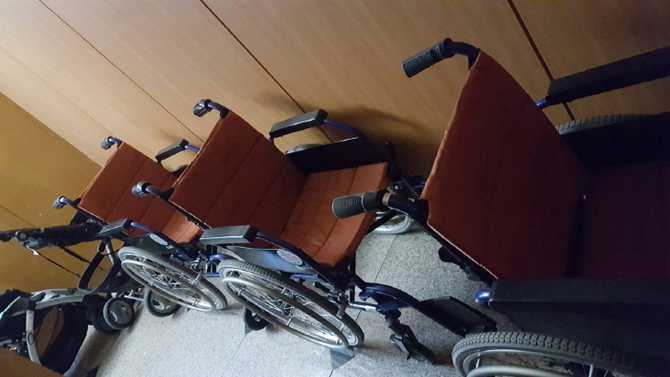
Check the official website or contact the museum in advance for special exhibitions and schedule updates. Group visits should be scheduled beforehand, and arrive early to enjoy full access before closing time.
Final Tips for Visiting Busan Museum
Planning your visit to Busan Museum ensures a smooth and enriching experience. Before heading out, it’s advisable to check the museum’s official website or contact the staff to confirm current opening hours, special exhibitions, and any scheduled events. This is especially important during peak seasons or public holidays when schedules may vary. Remember that the museum is closed every Monday and on January 1st, so plan your trip accordingly to avoid disappointment.
For group visits or educational programs, it’s recommended to make reservations in advance. This helps secure your spot and allows the museum staff to prepare for your arrival, making your experience more enjoyable. Arriving early in the day, around opening time, provides ample opportunity to explore the exhibits without feeling rushed. Parking is available on-site for visitors arriving by car, but during busy periods, consider using public transportation for convenience.
Overall, Busan Museum offers a fascinating journey through the city’s history and cultural heritage. With its diverse exhibits, educational programs, and accessible facilities, it is a must-visit destination for anyone interested in exploring Busan’s rich past. Remember to wear comfortable shoes, bring your camera for memorable photos, and take your time to absorb the stories told through its artifacts. A visit to this cultural landmark promises an insightful and enjoyable experience that deepens your understanding of Korea’s southeastern coastal history.