
출처 : ⓒ한국관광콘텐츠랩 또는 ⓒ한국관광공사
Explore Seoul’s UNESCO World Heritage Site: Jeongneung (Shindeok Hwanghu)
Location 서울특별시 성북구 아리랑로19길 116 (정릉동)
Location 서울특별시 성북구 아리랑로19길 116 (정릉동)
Discover the historical significance, cultural value, and visitor information for Seoul’s Jeongneung, a UNESCO World Heritage site that offers a unique glimpse into Korea’s royal past. Whether you’re a history enthusiast, cultural traveler, or seeking meaningful heritage experiences, visiting Jeongneung provides an enriching journey into Korea’s Joseon Dynasty.
In this guide, you’ll learn about the background of Jeongneung, its key features, how to plan your visit, and important tips to make the most of your experience at this significant royal tomb. As one of Korea’s most treasured cultural assets, Jeongneung embodies the rich history of the Joseon royal family, especially the tomb of Queen Shindeok, the second wife of King Taejo, the founding monarch of Korea’s Joseon Dynasty. Recognized as a UNESCO World Heritage site, Jeongneung is a must-visit destination for those interested in Korea’s royal history and traditional burial practices.
At a glance
- Who this is for
-
- Travelers interested in Korean royal history and cultural heritage
- History enthusiasts exploring UNESCO World Heritage sites in Seoul
- Students and learners studying Korea’s Joseon Dynasty
- Tourists seeking meaningful cultural experiences in Seoul
- Key takeaways
-
- Jeongneung is a royal tomb of Queen Shindeok, built in 1396 and designated as a UNESCO World Heritage site.
- The site features traditional stone sculptures, tomb structures, and historical relics.
- Located in Seongbuk-gu, Seoul, with limited parking and accessible via public transportation.
- Open year-round except Mondays and public holidays, with seasonal operating hours.
- Visitors should respect the site’s cultural significance and follow guidelines during visits.
- Tips & cautions
-
- Check seasonal hours and weather conditions before visiting.
- Arrive early or late in the day to avoid crowds, especially during peak seasons.
- Use public transportation due to limited parking space (only 9 spots available).
- Respect the sanctity of the tomb and avoid disruptive behavior.
- Wear comfortable shoes suitable for walking and exploring outdoor areas.
- Bottom line
- Jeongneung offers a profound insight into Korea’s royal history and cultural heritage, making it an essential stop for travelers exploring Seoul’s UNESCO World Heritage sites.
Seoul’s Jeongneung (Shindeok Hwanghu) is a significant cultural and historical site that encapsulates Korea’s royal burial traditions and Joseon Dynasty heritage. As a designated UNESCO World Heritage site, this royal tomb provides visitors with a unique opportunity to connect with Korea’s rich history and cultural identity. Located in the Seongbuk district of Seoul, Jeongneung is the final resting place of Queen Shindeok, the second wife of King Taejo, the founder of the Joseon Dynasty.
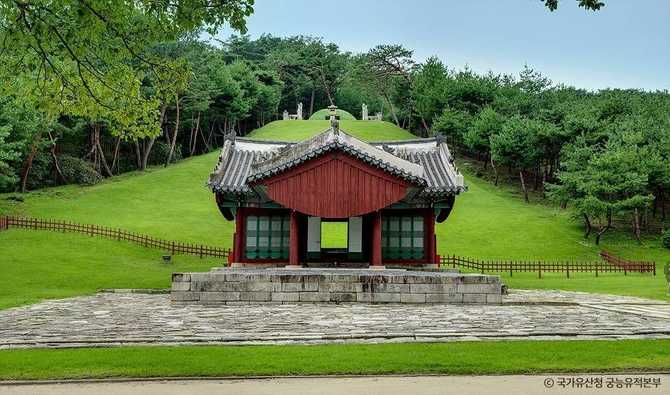
The site was established in 1396 and has undergone various restorations, especially during the reigns of King Sejong and King Hyeonjong. Its historical value is preserved through traditional stone sculptures, tomb structures, and artifacts that reflect Korea’s ancient burial customs. Visiting Jeongneung not only enriches your understanding of Korea’s royal lineage but also offers a peaceful outdoor experience amidst scenic natural surroundings.
This guide provides essential details on how to visit Jeongneung, including location, opening hours, and important precautions. Whether you’re a history lover, cultural explorer, or a curious traveler, exploring Jeongneung allows you to appreciate Korea’s royal heritage firsthand. Prepare for your visit by reviewing the tips and guidelines provided here, ensuring a respectful and meaningful experience at this UNESCO World Heritage site.
Next, explore the detailed sections about Jeongneung’s history, key features, visitor information, and frequently asked questions to plan your trip effectively and gain a deeper appreciation of this historical treasure.
Overview of Seoul’s Jeongneung (Shindeok Hwanghu) UNESCO World Heritage Site
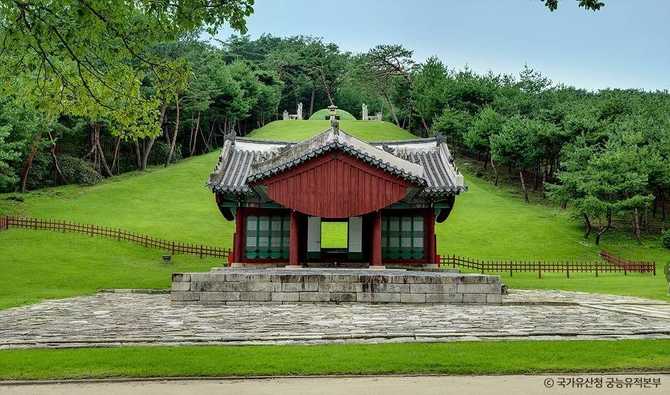
Seoul’s Jeongneung, the royal tomb of Queen Shindeok, is a significant UNESCO World Heritage site that offers a unique glimpse into Korea’s Joseon Dynasty royal burial traditions. Established in 1396, this historic site embodies Korea’s rich cultural heritage and provides visitors with an opportunity to explore the ancient customs associated with royal commemorations. As one of the few remaining royal tombs designated as a UNESCO World Heritage site, Jeongneung holds immense historical and cultural value, representing the architectural and artistic achievements of Korea’s royal family during the Joseon era.
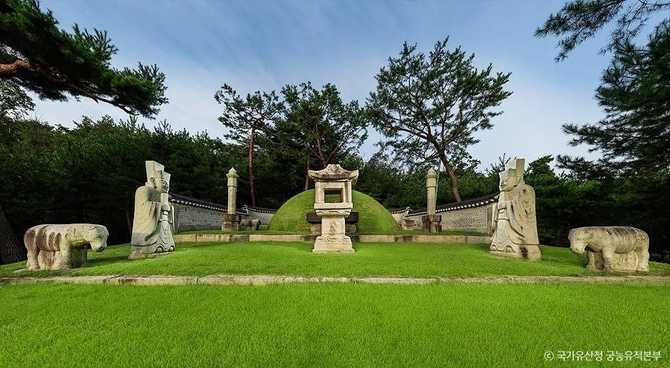
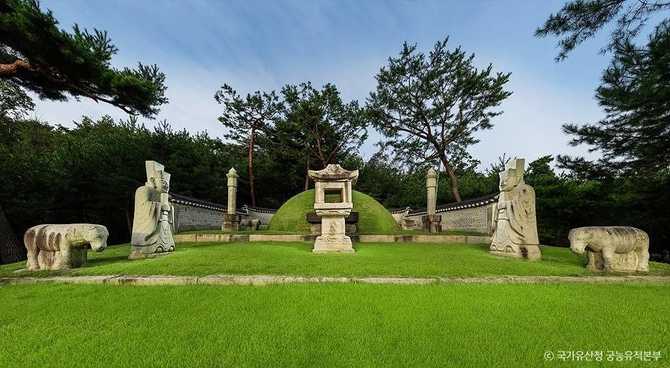
The site is located in Seongbuk-gu, Seoul, and is accessible to visitors interested in Korea’s royal history. It features traditional stone sculptures, tomb structures, and relics that reflect the solemnity and grandeur of royal burial practices. Visitors can observe the detailed stone carvings, the layout of the tomb, and the surrounding natural scenery that enhances its historical atmosphere. The tomb’s design follows traditional principles, emphasizing harmony with nature and spiritual symbolism, making it a meaningful destination for history enthusiasts and cultural travelers alike.
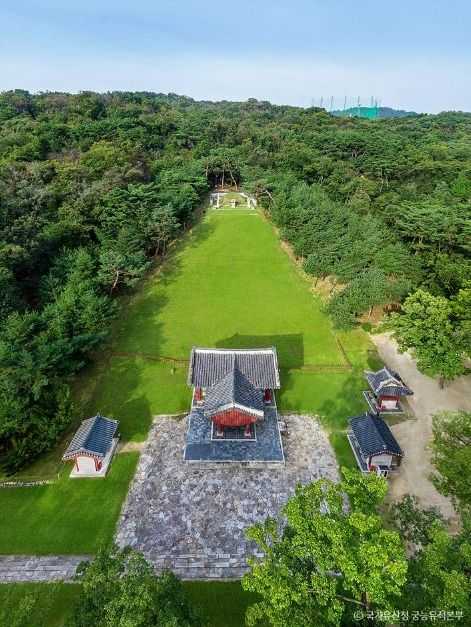
In addition to its historical significance, Jeongneung offers a peaceful outdoor environment where visitors can enjoy scenic walks and appreciate Korea’s natural beauty. The site’s preservation and designation as a UNESCO World Heritage site underscore its importance as a cultural asset, ensuring that future generations can learn from and admire Korea’s royal legacy. Visiting Jeongneung provides an educational experience, shedding light on Korea’s royal customs, architectural styles, and the enduring respect for ancestors that has shaped Korean culture for centuries.
Comparison of Key Features of Jeongneung and Other Royal Tombs
| Feature | Jeongneung (Shindeok Hwanghu) | Other Royal Tombs (General) |
|---|---|---|
| Construction Year | 1396 (established), renovated during King Sejong and King Hyeonjong | Varies; many built during the Joseon Dynasty (1392-1897) |
| Design Style | Traditional Joseon style with stone sculptures, tomb mound, and natural harmony | Varies; often includes stone statues, pagodas, and elaborate gateways |
| UNESCO Status | Yes, designated as a UNESCO World Heritage site | Some are UNESCO-listed, others are designated cultural assets |
| Location | Seongbuk-gu, Seoul | Throughout Korea, mainly in Seoul and surrounding areas |
| Main Artifacts | Stone statues, tomb structures, relics, and stone carvings | Stone statues, pagodas, ceremonial objects, and inscriptions |
Visitor Checklist and Tips for Visiting Jeongneung
- Check Operating Hours: Verify seasonal and daily hours before your visit. Jeongneung is open year-round except on Mondays and public holidays.
- Plan Your Transportation: Due to limited parking (only 9 spots), use public transportation such as buses or nearby subway stations. The nearest subway station is Seoul National University of Education Station (Line 4).
- Respect the Site: Follow guidelines to preserve the tomb’s sanctity. Avoid disruptive behavior and refrain from touching artifacts or sculptures.
- Dress Comfortably: Wear suitable shoes for walking and outdoor exploration. The terrain includes uneven paths and natural surroundings.
- Weather Considerations: Check the weather forecast and dress accordingly. Spring and autumn are ideal for enjoying the outdoor scenery.
Key Features & Artifacts of Jeongneung
| Feature | Description | Remarks |
|---|---|---|
| Tomb Mound (능침) | A traditional burial mound with a gentle slope, representing royal tomb architecture. | Constructed with natural earth, emphasizing harmony with surroundings. |
| Stone Statues (석상) | Includes guardian stone statues and ceremonial figures, mainly from the Joseon period. | Some statues are original, others reconstructed during restorations. |
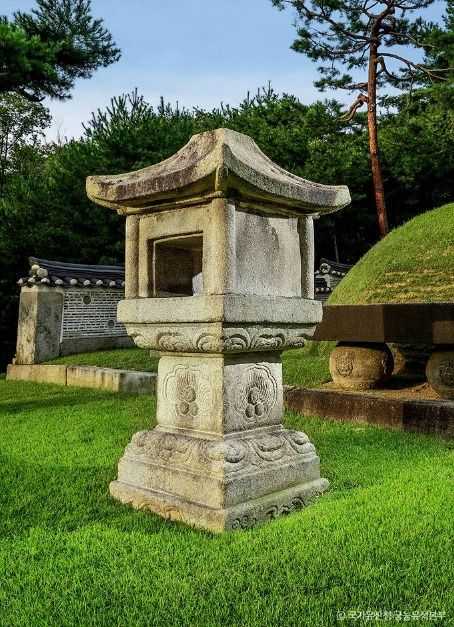
| Stone Lanterns (장명등) | Traditional stone lanterns lining the pathway, symbolizing enlightenment and guidance. | Old lanterns are preserved, with some replaced during restoration efforts. |
| Stone Ponds (석양과 석호) | Pairs of stone ponds (석양) and water features (석호) that enhance the landscape and symbolize purity. | Arranged symmetrically around the tomb, reflecting traditional Korean burial aesthetics. |
| Inscribed Stone Plaque | A stone marker with inscriptions indicating the tomb’s name and historical details. | Located near the entrance, serving as a historical identifier. |
Visitor Checklist and Tips for Visiting Jeongneung
- Verify Operating Hours: Check seasonal and daily hours before your visit. Jeongneung is open throughout the year, except on Mondays and public holidays.
- Transportation Planning: Use public transport due to limited parking (only 9 spots). The nearest subway station is Seoul National University of Education Station (Line 4).
- Respect the Site: Follow all guidelines and posted signs to maintain the site’s sanctity. Avoid touching artifacts or sculptures.
- Dress Appropriately: Wear comfortable shoes suitable for outdoor walking over uneven paths and natural terrain.
- Weather Preparedness: Check weather conditions before visiting. Spring and autumn are ideal for outdoor exploration.
- Arrive Early or Late: To avoid crowds and enjoy a peaceful experience, visit early in the morning or late in the afternoon.
- Bring Essentials: Water, sun protection, and suitable clothing are recommended, especially during hot or rainy seasons.
Whether you visit during the day or evening, Explore Seoul’s UNESCO World Heritage is a meaningful stop on any Seoul itinerary for history-minded travelers.
Frequently Asked Questions (FAQ)
Q1: When is Seoul’s Jeongneung open to visitors?
An: Jeongneung is open year-round except on Mondays and public holidays. Operating hours vary seasonally, so it is recommended to check the official website or contact local authorities before your visit to confirm current hours.
Q2: Is there parking available at Jeongneung?
An: Parking is limited, with only about 9 spots available on-site. Visitors are encouraged to use public transportation, such as buses or nearby subway stations, to reach the site conveniently and avoid parking difficulties.
Q3: Why is Jeongneung designated as a UNESCO World Heritage site?
An: Jeongneung is recognized as a UNESCO World Heritage site due to its historical significance as the royal tomb of Queen Shindeok, reflecting Korea’s royal burial traditions, architectural style, and cultural heritage of the Joseon Dynasty.
Q4: What are the main features and artifacts found at Jeongneung?
An: The site features traditional stone sculptures, tomb mounds, stone lanterns, statues, and relics that exemplify Joseon-era royal burial customs. Notable artifacts include stone statues, tomb structures, and stone carvings that highlight Korea’s ancient funerary art.
Q5: What is the best time of year to visit Jeongneung?
An: The most favorable seasons are spring and autumn when the weather is mild and the natural scenery is particularly beautiful. Visiting during these seasons allows visitors to enjoy outdoor walks amidst scenic foliage and blossoms.
Q6: Are there any specific guidelines or precautions for visitors to Jeongneung?
An: Visitors should respect the site’s sanctity by following posted guidelines, avoiding disruptive behavior, and refraining from touching artifacts. It is also important to adhere to opening hours and parking regulations to preserve the site’s integrity.
Conclusion: Experience the Rich Heritage of Seoul’s Jeongneung
Visiting Seoul’s Jeongneung (Shindeok Hwanghu) offers a unique opportunity to immerse yourself in Korea’s royal history and cultural traditions. As a UNESCO World Heritage site, this historic royal tomb provides a meaningful connection to Korea’s Joseon Dynasty, showcasing traditional tomb architecture, exquisite stone sculptures, and the serene natural environment that surrounds it. Whether you are a history enthusiast, a cultural explorer, or simply seeking a peaceful outdoor experience, Jeongneung allows you to appreciate Korea’s rich heritage in a tranquil setting. Planning your visit with attention to opening hours, transportation options, and site guidelines ensures a respectful and rewarding experience. Remember to respect the cultural significance of this heritage site, follow all posted instructions, and take time to enjoy the scenic beauty and historical artifacts that make Jeongneung a treasured part of Korea’s national identity. A visit here not only deepens your understanding of Korea’s royal past but also enriches your appreciation for the enduring legacy of the Joseon Dynasty. Make sure to include Jeongneung in your travel itinerary for an insightful journey into Korea’s historical and cultural landscape.