
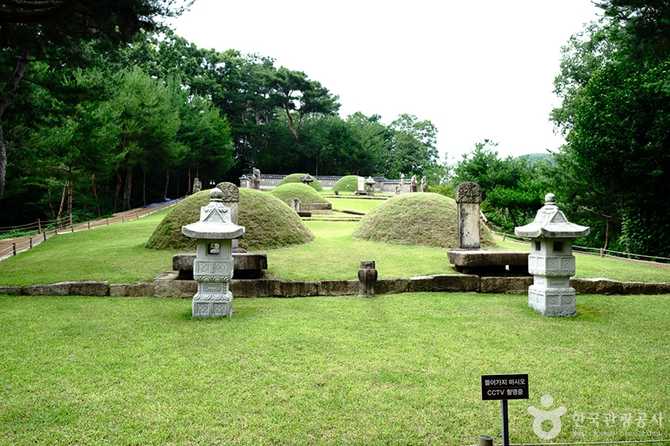
출처 : ⓒ한국관광콘텐츠랩 또는 ⓒ한국관광공사
Discover Seoul’s Yeonsangun Tomb: History & Visiting Tips
Location 서울특별시 도봉구 방학로17길 46 (방학동)
Location 서울특별시 도봉구 방학로17길 46 (방학동)
Are you interested in exploring Korea’s royal history? Visiting Seoul’s Yeonsangun Tomb offers a unique glimpse into the Joseon Dynasty’s last king, Yeonsangun, and the fascinating stories behind his reign and burial site. This site is a significant cultural heritage location, providing insights into Korea’s royal past, historical burial practices, and the political upheavals of the 16th century.
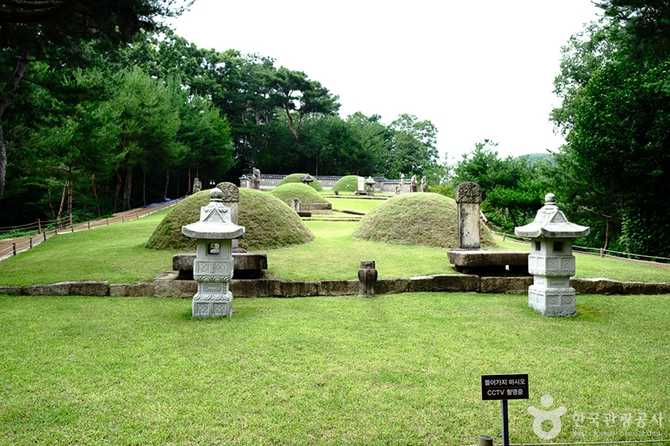
Whether you’re a history enthusiast, cultural traveler, or simply curious about Korea’s royal lineage, the Yeonsangun Tomb in Seoul is a must-visit destination. Located in Dobong-gu, this historic site features the tomb of King Yeonsangun, a controversial monarch known for his tumultuous reign and tragic end. The tomb’s serene surroundings and detailed historical artifacts make it an intriguing stop for travelers seeking a deeper understanding of Korea’s dynastic history.
At a glance
- Who this is for
-
- History buffs interested in Korea’s Joseon Dynasty
- Cultural travelers exploring Seoul’s royal heritage
- Students and researchers studying Korean history
- Tourists seeking off-the-beaten-path historical sites
- Key takeaways
-
- Yeonsangun was the 10th king of Joseon, reigning from 1494 to 1506
- The tomb is located in Dobong-gu, Seoul, within a peaceful park setting
- The site features traditional tomb architecture with accompanying memorials
- Historical events like the Middle and Late Joseon periods are linked to this site
- Visiting hours vary seasonally, with free access to the public
- Tips & cautions
-
- Check seasonal hours before visiting, especially in winter
- Respect the cultural significance and avoid disturbing the site
- Use public transportation or designated parking areas nearby
- Combine your visit with nearby historical sites in Dobong-gu
- Bottom line
- Seoul’s Yeonsangun Tomb offers a profound historical experience into Korea’s royal past and Joseon Dynasty history.
Located in the vibrant city of Seoul, the Yeonsangun Tomb provides an accessible window into Korea’s complex royal history. As the last monarch of the Joseon Dynasty to be deposed, Yeonsangun’s tomb is not only a burial site but also a symbol of Korea’s turbulent political history. The tomb’s tranquil environment contrasts with the king’s dramatic life story, making it a compelling destination for travelers interested in Korea’s dynastic past.
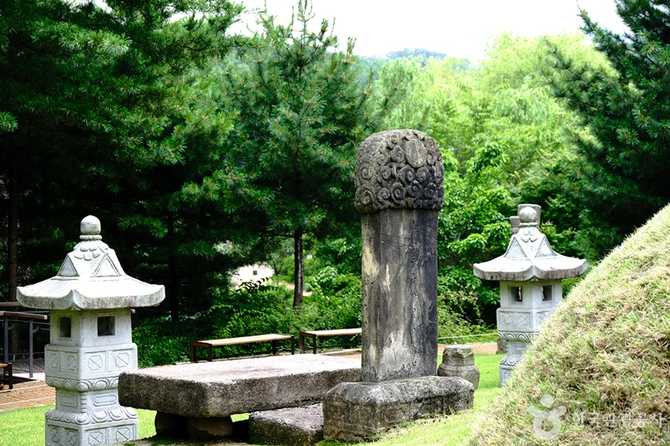
Understanding the context of Yeonsangun’s reign—marked by political upheaval, rebellion, and tragedy—enhances the significance of his tomb. Visitors can explore the traditional tomb architecture, including stone statues, memorial stones, and accompanying structures that reflect the burial customs of the Joseon era. The site is also a peaceful park, ideal for reflective walks and learning about Korea’s royal traditions.
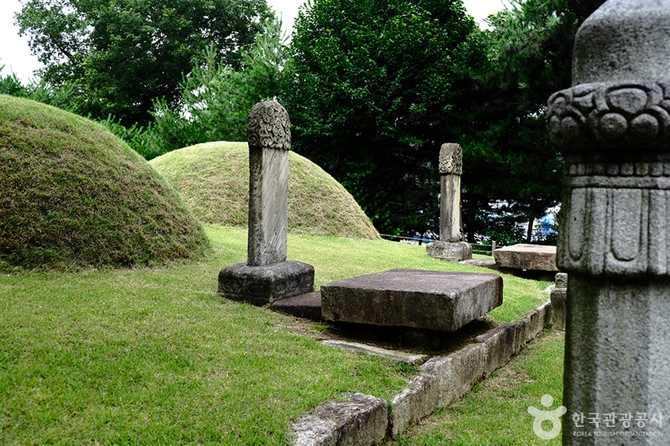
Planning your visit to Seoul’s Yeonsangun Tomb involves checking seasonal hours, as opening times vary throughout the year. The site is free to enter, making it an accessible cultural experience for all visitors. Located in Dobong-gu, the tomb is conveniently reachable via public transportation, with nearby bus stops and subway stations serving the area. Combining your trip with other historical sites in the district can enrich your understanding of Korea’s royal and political history.

In this guide, you’ll find detailed information on how to visit Seoul’s Yeonsangun Tomb, including directions, opening hours, and tips for making the most of your visit. Discover the history behind Korea’s last deposed king and explore the serene environment of his final resting place, an essential stop for anyone interested in Korea’s royal legacy.
Overview of Yeonsangun Tomb in Seoul
The Yeonsangun Tomb in Seoul is a significant historical site that offers insight into Korea’s Joseon Dynasty and its last deposed king, Yeonsangun. As the 10th monarch of the Joseon Dynasty, Yeonsangun’s reign from 1494 to 1506 was marked by political turmoil, social upheaval, and personal tragedy. His tomb, located in Dobong-gu, Seoul, provides visitors with a serene environment to reflect on this turbulent period in Korean history. The tomb is not just a burial site but also a cultural heritage monument that preserves the traditional burial customs of Korea’s royal family during the Joseon era.

Yeonsangun’s life was characterized by his controversial rule, which was initially peaceful but later marred by acts of cruelty and rebellion. His reign saw efforts to suppress luxury and promote national defense, but political factions and internal conflicts led to his downfall. He was eventually deposed in 1506 during the Jungjong coup and exiled to Ganghwa Island, where he passed away. His tomb was originally constructed in Ganghwa but was later moved to its current location in Seoul at the request of his former wife, Gyeongju Hongssi, and his widow, Gongju Shinssi.
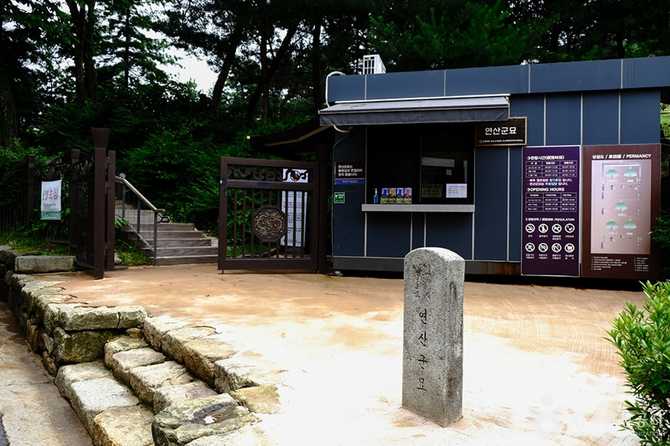
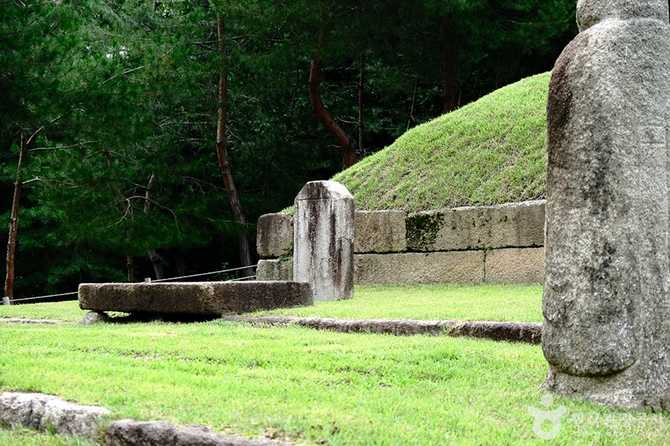
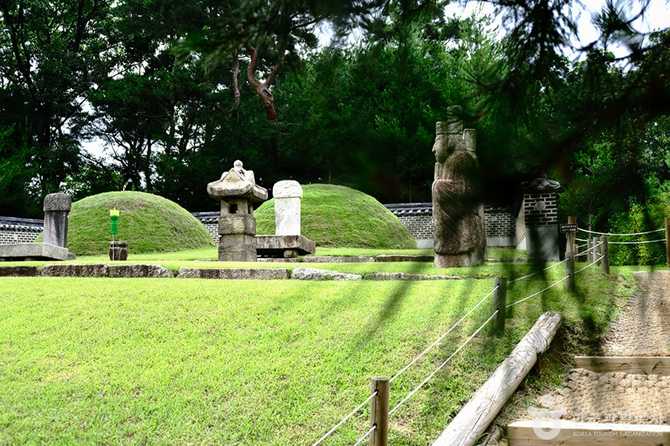
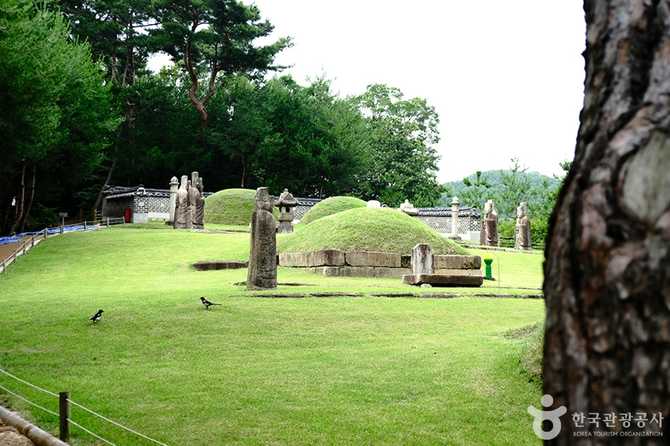
Today, the Yeonsangun Tomb is a peaceful site that features traditional stone statues, memorial stones, and a surrounding park that reflects the customs of Joseon royal burial practices. Visitors can explore the tomb’s architecture, learn about Yeonsangun’s tumultuous life, and appreciate the historical significance of this royal burial site. The site is accessible year-round, with seasonal hours that vary slightly, making it a meaningful stop for those interested in Korea’s royal history and the political upheavals of the Joseon Dynasty.

Comparison of Yeonsangun Tomb Visiting Hours and Features
| Season | Opening Hours | Last Entry | Notes |
|---|---|---|---|
| February – May / November – January | 09:00 – 18:00 | 17:00 | Closed Mondays (unless holiday) |
| June – August | 09:00 – 18:30 | 17:30 | Peak summer hours |
| September – October | 09:00 – 17:30 | 16:30 | Early closing in fall |
The Yeonsangun Tomb is open to visitors throughout the year, but hours vary based on the season. It is recommended to arrive before the closing time to fully enjoy the site. The tomb is located in a peaceful park setting, accessible via public transportation, with nearby bus stops and subway stations. Note that parking is not available on-site, so visitors are encouraged to use public transit or nearby parking facilities. The site is free to enter, making it an accessible cultural experience for travelers interested in Korea’s royal history.
Visiting Checklist for Yeonsangun Tomb in Seoul
- Check seasonal hours: Verify the opening hours before your visit, especially during winter or off-peak seasons.
- Plan your transportation: Use public transit options like subway lines and buses; the nearest stations are Dobong Station (Line 1) and Bukhansan Ui Station.
- Arrive early: Aim to arrive at least 30 minutes before closing time to explore the site comfortably.
- Respect the site: Avoid disturbing the tomb area, and follow posted guidelines to preserve the cultural heritage.
- Combine with nearby sites: Consider visiting other historical sites in Dobong-gu, such as Bukhansan National Park or Dobong Cultural Center.
Best Time to Visit Yeonsangun Tomb and Seasonal Visiting Hours
| Season | Opening Hours | Last Entry |
|---|---|---|
| February – May / November – January | 09:00 – 18:00 | 17:00 |
| June – August | 09:00 – 18:30 | 17:30 |
| September – October | 09:00 – 17:30 | 16:30 |
To make the most of your visit to Yeonsangun Tomb, plan your trip according to the seasonal hours. The site is open year-round, but hours vary to accommodate seasonal weather and visitor flow. Early arrival is recommended, especially during peak summer months or in colder seasons when daylight hours are shorter. Remember that the last entry is an hour before closing, so arriving early ensures ample time to explore the tomb and its surroundings. Visiting during spring or autumn offers particularly scenic views, with pleasant weather and vibrant foliage, enhancing your experience at this historic site.

Visitor Tips & Nearby Attractions
- Check seasonal hours: Always verify the current opening hours before your visit, especially during winter or less busy months, to avoid inconvenience.
- Use public transportation: The most convenient way to reach Yeonsangun Tomb is via subway or bus. The nearest subway station is Dobong Station on Line 1, and bus stops are located nearby for easy access.
- Arrive early: Aim to arrive at least 30 minutes before closing time to fully enjoy the site without rushing.
- Respect the site: As a cultural heritage monument, maintain decorum by avoiding loud noises, littering, or any disruptive behavior.
- Combine with other sites: Consider visiting other historical or natural attractions in Dobong-gu, such as Bukhansan National Park or the Dobong Cultural Center, to enrich your trip.
- Prepare for the walk: Wear comfortable shoes and bring water, especially if you plan to explore the surrounding park or walk around the tomb area for an extended period.
- Photography tips: Photography is allowed, but be respectful of the site’s sanctity. Avoid flash photography near memorial stones or statues.
- Seasonal considerations: Spring and autumn are ideal for pleasant weather and scenic views, while summer can be hot and humid. Winter offers a quieter experience but dress warmly.
Whether you visit during the day or evening, Discover Seoul’s Yeonsangun Tomb is a meaningful stop on any Seoul itinerary for history-minded travelers.

Frequently Asked Questions (FAQ)
Q1: Who is buried at Yeonsangun Tomb in Seoul?

An: The tomb is the burial site of King Yeonsangun, the 10th monarch of the Joseon Dynasty, and his wife, Gyeongju Hongssi, along with his widow, Gongju Shinssi. It is a designated royal tomb reflecting Korea’s dynastic history.
Q2: How can I get to Yeonsangun Tomb in Seoul?

An: The tomb is located in Dobong-gu, Seoul, accessible via public transportation. The nearest subway station is Dobong Station (Line 1), and bus stops are nearby. No parking is available on-site, so public transit is recommended.
Q3: What are the visiting hours for Yeonsangun Tomb?
An: Visiting hours vary seasonally: from February to May and November to January, it is open from 09:00 to 18:00 with last entry at 17:00; in June to August, from 09:00 to 18:30 with last entry at 17:30; and in September to October, from 09:00 to 17:30 with last entry at 16:30.
Q4: Is there an entrance fee to visit Yeonsangun Tomb?

An: No, the site is free to visit. It is a public cultural heritage site managed by the Korean Cultural Heritage Administration, allowing visitors to explore without charge.
Q5: What should I know before visiting Yeonsangun Tomb?

An: Visitors should check seasonal hours beforehand, arrive early to fully enjoy the site, and respect the cultural significance by avoiding loud noises or inappropriate behavior. Wearing comfortable shoes and bringing water is also recommended.
Q6: Are there other historical sites near Yeonsangun Tomb?

An: Yes, nearby attractions include Bukhansan National Park and Dobong Cultural Center, which can be combined with your visit to enrich your understanding of Korea’s royal and natural heritage.
Final Tips for Visiting Seoul’s Yeonsangun Tomb
Visiting Seoul’s Yeonsangun Tomb offers a meaningful opportunity to explore Korea’s rich royal history and gain insights into the tumultuous life of one of Korea’s most controversial kings. To make the most of your visit, plan ahead by checking seasonal opening hours, especially during winter or off-peak times, to ensure the site is accessible. Remember that the tomb is located within a peaceful park setting, so respectful behavior is essential to preserve its dignity and significance. Use public transportation—such as subway lines and buses—to reach the site conveniently, as on-site parking is not available. Arriving early will give you ample time to explore the tomb, appreciate the traditional architecture, and reflect on the historical stories associated with Yeonsangun’s reign. Combining your visit with nearby attractions like Bukhansan National Park or Dobong Cultural Center can enrich your understanding of Korea’s royal and cultural heritage. Whether you are a history enthusiast or a curious traveler, the Yeonsangun Tomb in Seoul is a captivating destination that deepens your appreciation of Korea’s dynastic past and political history. Plan your trip thoughtfully, and enjoy this serene and educational experience that highlights Korea’s royal legacy and historical resilience.