
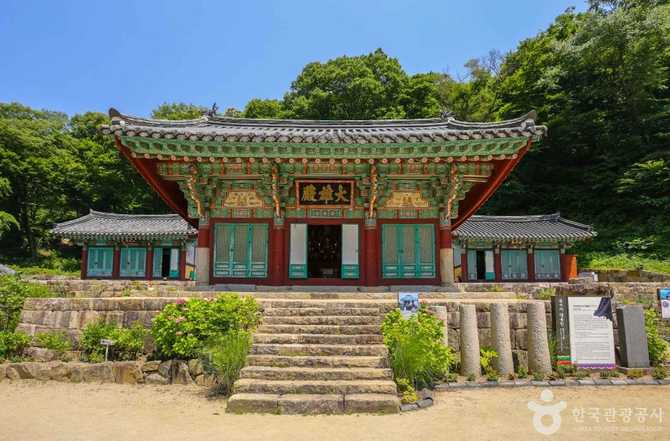
출처 : ⓒ한국관광콘텐츠랩 또는 ⓒ한국관광공사
Explore Busan’s Historic and Cultural Treasure: Unsu-sa Temple
Location 부산광역시 사상구 모라로219번길 173 (모라동)
Location 부산광역시 사상구 모라로219번길 173 (모라동)
Discover the spiritual heart of Busan by visiting Unsu-sa Temple, a historic Buddhist temple rich in tradition, cultural heritage, and serene natural beauty. Whether you’re interested in exploring ancient architecture, experiencing traditional temple activities, or learning about Korea’s religious history, Unsu-sa offers a meaningful journey for all travelers.
Unsu-sa Temple, located in Busan’s Saha-gu district, is a revered site that has stood for centuries, embodying Korea’s spiritual and cultural legacy. This temple is not only a place of worship but also a cultural hub with numerous historical artifacts, engaging programs, and tranquil surroundings perfect for reflection and discovery. Visiting Unsu-sa allows travelers to immerse themselves in Korea’s Buddhist traditions, admire historic architecture, and enjoy peaceful natural scenery.
At a glance
- Who this is for
-
- Travelers interested in Korean history and culture
- Visitors seeking authentic Buddhist temple experiences
- Cultural enthusiasts wanting to learn about traditional Korean architecture
- People looking for peaceful natural settings in Busan
- Participants of temple stay programs and spiritual retreats
- Key takeaways
-
- Located in Saha-gu, Busan, estimated to be built before the 18th century
- Designated as a cultural treasure with historic buildings and artifacts
- Offers free admission and convenient parking year-round
- Operates temple stay programs, Buddhist education, and cultural experiences
- Rebuilt after the Imjin War, with the current main hall dating from 1660
- Tips & cautions
-
- Observe proper temple etiquette during visits and ceremonies
- Pre-book experience programs such as tea ceremonies or meditation classes
- Respect the peaceful atmosphere by maintaining quiet and decorum
- Check for special event schedules before your visit
- Ensure personal belongings are organized and respectful of the sacred space
- Bottom line
- Unsu-sa Temple in Busan is a must-visit site for those interested in Korea’s spiritual heritage, offering enriching cultural experiences and a tranquil environment for reflection.
Planning a trip to Busan? Make sure to include Unsu-sa Temple on your itinerary to explore Korea’s deep-rooted Buddhist traditions and historical architecture. This temple is a perfect destination for cultural exploration, peaceful retreats, and learning about Korea’s religious history. With its centuries-old buildings, cultural treasures, and engaging programs, Unsu-sa provides a unique window into Korea’s spiritual and cultural landscape.

Whether you’re a history buff, a cultural enthusiast, or a traveler seeking tranquility, Unsu-sa Temple offers a meaningful experience that enriches your understanding of Korea’s religious heritage. Its accessible location, free entry, and variety of cultural activities make it an ideal spot to deepen your appreciation of Korean traditions while enjoying the natural beauty of Busan.
Unsu-sa Temple Overview and Historical Significance
Unsu-sa Temple, a revered Buddhist site in Busan, is a place where history, spirituality, and cultural heritage converge. Located in the Saha-gu district, this temple has a history that dates back several centuries, making it an essential destination for travelers interested in Korea’s religious traditions and historical architecture. The temple is believed to have been established before the 18th century, with its origins tracing back to the Gaya Kingdom era, which adds to its historical importance. Over the centuries, Unsu-sa has endured various challenges, including destruction during the Imjin War (Japanese invasions of Korea in the late 16th century), but it was rebuilt and restored, maintaining its spiritual and cultural legacy.
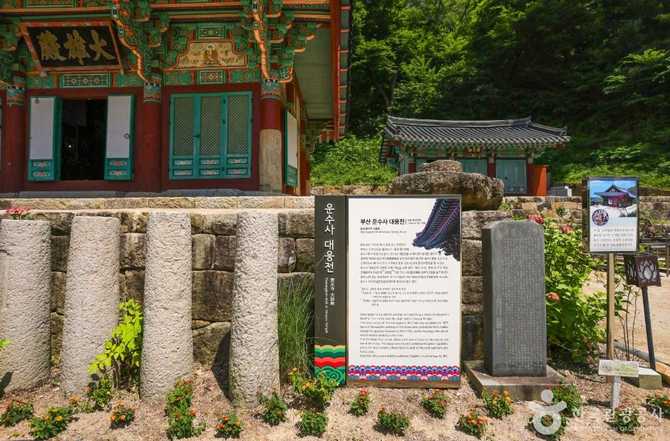
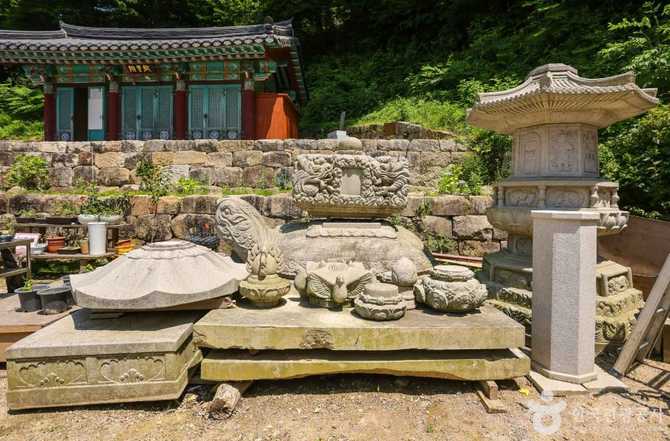
Today, Unsu-sa is renowned for its well-preserved traditional architecture, including the main hall (Daeungjeon), which is designated as a cultural treasure. The temple complex also houses numerous cultural assets such as stone sculptures, Buddhist paintings, and statues that reflect Korea’s rich religious history. Visitors can explore these artifacts, learn about Buddhist teachings, and participate in various cultural programs offered throughout the year. The temple’s tranquil natural surroundings, with lush greenery and scenic views, provide the perfect environment for meditation, reflection, and appreciation of Korea’s spiritual heritage.

Unsu-sa’s significance extends beyond its physical structures; it embodies centuries of Buddhist practice and Korean cultural identity. Its history of reconstruction after the Imjin War and its ongoing role as a place of worship and cultural education make it a vital part of Busan’s historical landscape. Whether you are a history enthusiast, a cultural explorer, or someone seeking spiritual peace, visiting Unsu-sa offers a meaningful journey into Korea’s religious past and its enduring cultural traditions.
Comparison of Key Cultural Heritage and Artifacts at Unsu-sa Temple
| Cultural Heritage / Artifact | Description | Significance |
|---|---|---|
| Daewoongjeon (Main Hall) | A historic main hall rebuilt in 1660, designated as a cultural treasure. | Serves as the spiritual center of the temple, housing important Buddha statues and religious artifacts. |
| Stone Seated Buddha Statues | Ancient stone sculptures of Buddha, dating back to the Gaya Kingdom era. | Reflect Korea’s Buddhist artistic traditions and serve as objects of veneration. |
| Buddhist Paintings (Hwa-om Gyeong) | Traditional Buddhist murals and paintings depicting teachings and stories. | Illustrate Buddhist doctrines and enhance the spiritual atmosphere of the temple. |
| Amitabha Triad Painting | A culturally significant painting of Amitabha Buddha flanked by attendants. | Designated as a cultural asset, representing Pure Land Buddhism. |
These artifacts and structures at Unsu-sa embody Korea’s spiritual and artistic traditions, making it a must-visit for cultural enthusiasts and history lovers alike.
Experience Programs and Visiting Tips at Unsu-sa Temple
- Temple Stay Program: Participate in an immersive experience of Korean Buddhist monastic life, including meditation, chanting, and temple meals. Pre-booking is recommended.
- Buddhist Education Classes: Join lectures or courses on Buddhist teachings offered by the temple’s Buddhist college, suitable for both beginners and advanced practitioners.
- Tea Ceremony & Traditional Culture: Enjoy a traditional tea ceremony, learning about Korea’s tea culture and meditation practices.
- Temple Etiquette: Remember to observe proper conduct such as quiet prayer, respectful dress, and photography restrictions in sacred areas.
- Visit during weekdays for a quieter experience.
- Arrive early to enjoy the peaceful morning atmosphere.
- Wear modest clothing suitable for religious sites.
- Check the temple’s official website or contact beforehand for special event schedules.
Location and Transportation to Unsu-sa Temple
Getting to Unsu-sa Temple in Busan is convenient whether you are traveling by public transportation or private vehicle. Its accessible location in Saha-gu district makes it easy for visitors to include in their travel itinerary. Below are detailed directions and transportation options to help you plan your visit seamlessly.

| Transportation Method | Directions | Estimated Travel Time |
|---|---|---|
| Subway + Bus/Taxi |
|
Approx. 30-40 minutes |
| Bus |
|
Approx. 30-45 minutes |
| Car / Taxi |
|
Approximately 20-30 minutes from central Busan |
Visitors are advised to check the latest public transportation schedules and road conditions before departure to ensure a smooth journey. The temple’s proximity to major transit points makes it an ideal destination for a half-day or full-day cultural exploration during your Busan trip.
Visitor Checklist for Unsu-sa Temple
- Confirm transportation arrangements in advance (public transit or car rental).
- Check the temple’s official website or contact beforehand for special event schedules or program reservations.
- Wear modest, respectful clothing suitable for a religious site.
- Bring personal items such as water, camera, and any necessary medication.
- Arrive early in the day to enjoy a peaceful atmosphere and avoid crowds.
- Observe temple etiquette: keep noise to a minimum, do not disturb worship activities, and follow photography guidelines.
- Respect the sacred environment by refraining from disruptive behavior.
- Prepare for possible participation in temple programs by pre-booking if required.
Whether you visit during the day or evening, Explore Busan’s Historic and Cultural is a meaningful stop on any Seoul itinerary for history-minded travelers.
Frequently Asked Questions (FAQ)
Q1: When was Unsu-sa Temple established in Busan?

Unsu-sa Temple is believed to have been founded before the 18th century, with origins dating back to the Gaya Kingdom era. It was rebuilt after the Imjin War, with the current main hall dating from 1660.
Q2: What are the main cultural treasures at Unsu-sa Temple?

The temple houses the designated cultural treasure Daewoongjeon (Main Hall), stone Seated Buddha statues from the Gaya period, Buddhist murals, and the Amitabha Triad painting, all reflecting Korea’s rich religious art and history.
Q3: What experience programs are available at Unsu-sa Temple?
Visitors can participate in temple stay programs, Buddhist education classes, traditional tea ceremonies, and cultural activities like tea tasting and meditation. Pre-booking is recommended for these experiences.
Q4: Is there an entrance fee to visit Unsu-sa Temple?
No, Unsu-sa Temple offers free admission year-round. Parking is also free, making it accessible for all visitors without additional costs.
Q5: How can I get to Unsu-sa Temple using public transportation?
Take Busan Subway Line 2 to Saha Station, then transfer to a local bus or taxi to reach the temple. It is approximately a 5-10 minute walk from the bus stop or station.
Q6: What should I keep in mind when visiting Unsu-sa Temple?
Respect temple etiquette by maintaining quietness, dressing modestly, and following guidelines during ceremonies. It is also advisable to reserve experience programs in advance and check for any special event schedules.
Final Tips for Visiting Unsu-sa Temple in Busan
Visiting Unsu-sa Temple in Busan offers a unique opportunity to immerse yourself in Korea’s rich spiritual and cultural heritage. To make the most of your trip, plan ahead by checking the temple’s official schedule for any special events or ceremonies that might enhance your experience. Remember that the temple operates year-round with free admission, so you can visit at your convenience, but it’s advisable to arrive early in the morning to enjoy the peaceful atmosphere and avoid crowds. Respectful attire and proper temple etiquette are essential to ensure a respectful environment for both visitors and monks. Participating in programs like temple stays or tea ceremonies requires prior reservation, so contacting the temple in advance is recommended. Whether you’re interested in exploring historical artifacts, engaging in traditional practices, or simply seeking tranquility, Unsu-sa Temple in Busan promises a meaningful and enriching experience. Take your time to appreciate the serene surroundings, learn about Korea’s Buddhist traditions, and reflect in a peaceful setting that has stood for centuries. Your visit will surely leave a lasting impression and deepen your understanding of Korea’s spiritual landscape.