
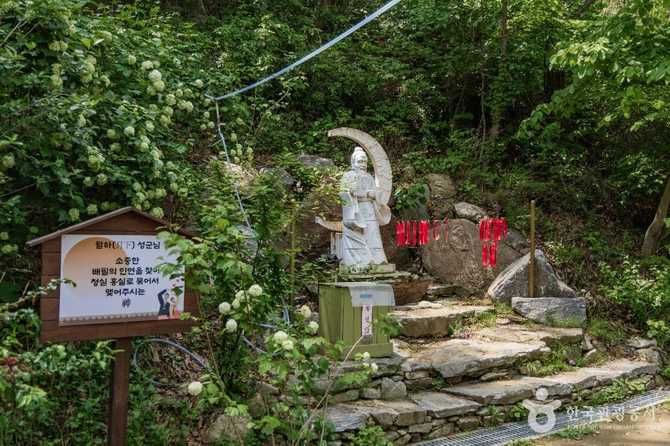
출처 : ⓒ한국관광콘텐츠랩 또는 ⓒ한국관광공사
Discover Seoul Daeseongsa Temple: A Historic Buddhist Site and Cultural Treasure
Location 서울특별시 서초구 남부순환로328길 49 (서초동)
Location 서울특별시 서초구 남부순환로328길 49 (서초동)
Are you seeking a serene and historically rich destination in Seoul where you can explore Korea’s Buddhist traditions and cultural heritage? Visiting Seoul Daeseongsa Temple offers an immersive experience into Korea’s spiritual and historical landscape, making it an ideal stop for travelers interested in traditional culture, ancient relics, and peaceful temple atmospheres.
Located in the vibrant district of Seocho-gu, Seoul Daeseongsa is a Buddhist temple with a deep-rooted history dating back to the Baekje era. It is renowned for its cultural relics, including the famous wooden Buddha statues and historical sites associated with Korea’s independence movement. Whether you’re a history enthusiast, a spiritual seeker, or a cultural explorer, Daeseongsa provides a meaningful journey into Korea’s past and present.
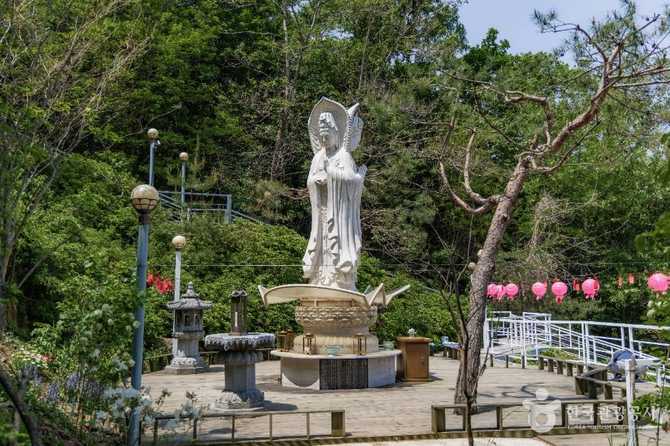
At a glance
- Who this is for
-
- Travelers interested in Korea’s Buddhist history and culture
- Visitors seeking peaceful temple experiences in Seoul
- History buffs exploring Korea’s independence movement sites
- People looking for free, accessible cultural attractions
- Anyone wanting to learn about traditional Korean religious practices
- Key takeaways
-
- Historical site dating back to the Baekje era with legendary origins
- Home to cultural treasures like the wooden Buddha statues
- Significant for its role in Korea’s independence movement, especially involving monk Baek Yong-seong
- Accessible year-round with free admission and ample parking
- Located in a convenient area with facilities for visitors
- Tips & cautions
-
- Check the official website or call ahead for special events or meditation sessions
- Maintain respectful behavior and dress modestly during visits
- Avoid visiting during major ceremonies or festivals unless participating
- Be mindful of natural surroundings and avoid littering
- Bottom line
- Visit Seoul Daeseongsa to experience Korea’s spiritual heritage and historical depth in a tranquil setting.
Seoul Daeseongsa, located in the bustling district of Seocho-gu, is a temple that embodies Korea’s rich Buddhist tradition and historical resilience. With origins tracing back to the Baekje kingdom, the temple has preserved numerous relics and stories that reflect Korea’s ancient past and modern independence efforts. This sacred site is not only a place of worship but also a cultural monument that offers visitors a glimpse into Korea’s spiritual and national history.
Whether you are interested in exploring ancient artifacts, learning about Korea’s independence movement, or simply seeking a peaceful retreat from city life, Daeseongsa provides a unique and enriching experience. Its accessibility, free entry, and year-round operation make it an attractive destination for both local residents and international travelers. As you walk through its historic grounds, you can appreciate the blend of tradition and history that makes Daeseongsa a must-visit in Seoul.
In this guide, we will introduce the key aspects of Seoul Daeseongsa, including its historical background, cultural relics, visitor facilities, and practical tips for making the most of your visit. Prepare to discover a site where history, spirituality, and cultural preservation come together harmoniously, offering a meaningful journey into Korea’s heritage.
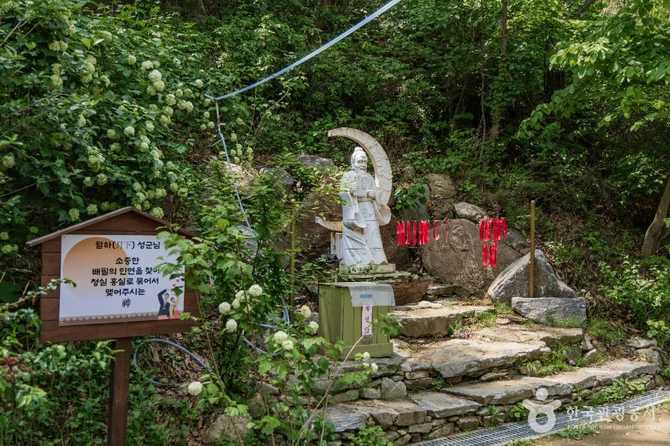
Overview and Historical Background of Seoul Daeseongsa
Seoul Daeseongsa is a historic Buddhist temple located in the vibrant district of Seocho-gu. Recognized for its rich cultural heritage and spiritual significance, Daeseongsa serves as a vital link to Korea’s ancient past, especially its Baekje-era origins. As a site that has withstood centuries of history, it offers visitors a unique glimpse into Korea’s religious and national heritage. The focus keyword, Seoul Daeseongsa, encapsulates this sacred space’s importance as a cultural and spiritual landmark.
According to legend, Daeseongsa’s origins trace back to the Baekje kingdom, where it is believed that the legendary monk Marananta visited and contributed to its spiritual foundation. The temple’s name, Daeseong, signifies great achievement or enlightenment, reflecting its spiritual aspirations over centuries. Historically, the temple played a significant role during Korea’s independence movement, with the monk Baek Yong-seong actively participating in the 3.1 Movement, which sought independence from Japanese colonial rule. His involvement has cemented Daeseongsa’s role as a symbol of resilience and patriotism.
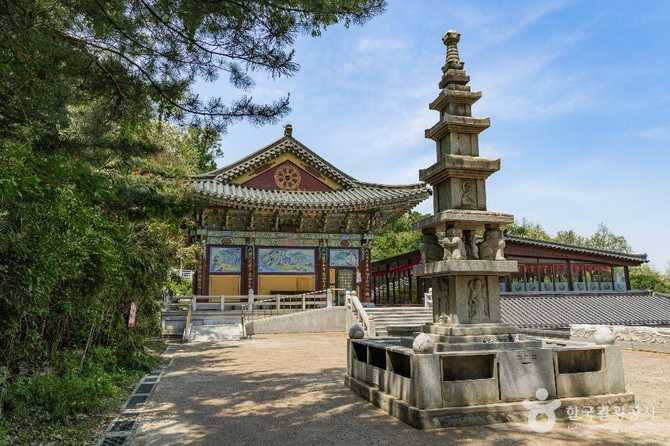
Throughout its long history, Daeseongsa has preserved numerous cultural relics, including wooden Buddha statues and ancient stone pagodas. The temple’s architecture and relics showcase traditional Korean Buddhist craftsmanship, and many of these artifacts are designated as cultural treasures by Seoul City. Visitors can explore the site’s historic structures, which embody the spiritual devotion of generations of Korean Buddhists. The temple’s location on Umyunsan Mountain also offers scenic views and a tranquil atmosphere, making it an ideal place for reflection and cultural immersion.
Today, Daeseongsa continues to serve as a place of worship, cultural preservation, and historical remembrance. Its accessibility and free entry encourage both locals and international visitors to experience Korea’s spiritual traditions firsthand. Whether you are interested in its legendary origins, its role in Korea’s independence, or simply seeking a peaceful retreat, Seoul Daeseongsa remains a vital cultural landmark that embodies Korea’s historical resilience and spiritual depth.
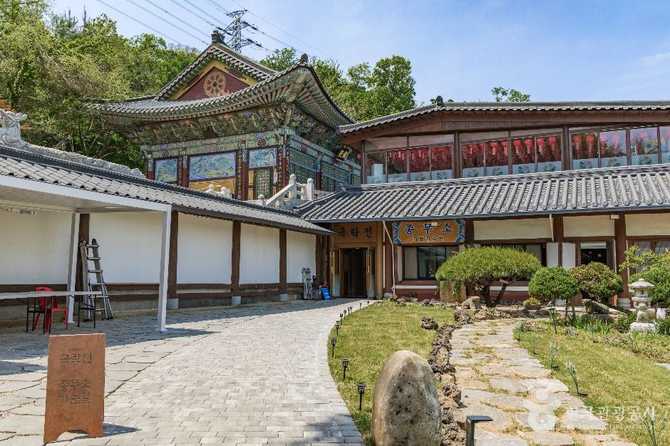
Comparison of Key Cultural Heritage and Major Relics at Seoul Daeseongsa
| Cultural Heritage / Relic | Description | Significance |
|---|---|---|
| Wooden Buddha Statue (목불좌상) | A traditional wooden statue crafted by monk Baek Yong-seong, designated as Seoul Metropolitan Cultural Heritage. | Represents Korea’s Buddhist artistic heritage and spiritual devotion, symbolizing enlightenment and peace. |
| Umyunsan Mountain Natural Site | A scenic mountain area surrounding Daeseongsa, rich in natural beauty and historical significance dating back to the Baekje era. | Provides a tranquil environment for meditation and reflection, and is a natural heritage site linked to the temple’s origins. |
| Historical Participation during 3.1 Movement | Records indicate that monk Baek Yong-seong actively participated in Korea’s independence movement, with documented involvement in the March 1st protests. | A symbol of patriotism and resistance, highlighting the temple’s role in modern Korean history. |
| Seoul City Cultural Heritage Designation | The wooden Buddha statue and certain structures are officially designated as Seoul Metropolitan Cultural Heritage. | Ensures preservation and recognition of Daeseongsa’s cultural significance for future generations. |
Visitor Information and Facilities at Seoul Daeseongsa
- Operating Hours: 9:00 AM – 6:00 PM (Open year-round)
- Admission Fee: Free for all visitors
- Parking: Free parking lot available on site
- Facilities: Restrooms, information desk, and quiet meditation areas
- Accessibility: Easily accessible by public transportation, with nearby bus stops and subway stations
- Plan your route using public transportation—bus or subway—to reach the temple easily.
- Wear comfortable clothing and shoes suitable for walking and exploring outdoor areas.
- Bring a camera or smartphone for photos, but follow temple guidelines regarding photography.
- Respect temple customs and maintain a quiet, respectful demeanor during your visit.
- Check for any special events or ceremonies scheduled during your intended visit date.
Precautions and Visiting Tips at Seoul Daeseongsa
| Precaution | Details |
|---|---|
| Respectful Behavior | Maintain silence and respectful conduct within the temple premises. Follow any instructions from temple staff or guides. |
| Photography Guidelines | Photographs are generally allowed in outdoor areas, but always follow signs and staff instructions. Refrain from photographing monks or during ceremonies without permission. |
| Special Events and Restrictions | During festivals, ceremonies, or meditation retreats, certain zones may be restricted. Check schedules in advance to plan accordingly. |
| Environmental Conservation | Do not litter or damage the natural environment. Use designated trash bins and respect the natural scenery surrounding the temple. |
| Appropriate Attire | Wear modest and comfortable clothing suitable for temple visits. Avoid revealing or casual attire that may be considered disrespectful. |
Visit Preparation Checklist for Seoul Daeseongsa
- Review the official website or contact the temple at 02-583-1475 to confirm any special events or meditation sessions scheduled during your visit.
- Dress comfortably and modestly, suitable for temple surroundings and outdoor exploration.
- Bring a camera or smartphone for capturing memories, ensuring photography is permitted in your chosen areas.
- Prepare personal items such as water, sunscreen, and any necessary medications.
- Carry a small bag or backpack to hold your belongings and any souvenirs or cultural relics you may wish to carry.
- Check transportation options—public buses or subway routes—to reach Seoul Daeseongsa conveniently.
- Plan your visit time within the operating hours of 9:00 AM to 6:00 PM.
- Bring a notebook or guidebook if you wish to learn more about the temple’s history and relics during your tour.
- Ensure respectful behavior and quiet demeanor to honor the spiritual atmosphere of the temple.
- Be aware of the natural surroundings and avoid littering or damaging the environment.
Whether you visit during the day or evening, Discover Seoul Daeseongsa Temple is a meaningful stop on any Seoul itinerary for history-minded travelers.
Frequently Asked Questions (FAQ)
Seoul Daeseongsa is a historic Buddhist temple dating back to the Baekje era, with legends linking it to monk Marananta. It also played a role in Korea’s independence movement, notably involving monk Baek Yong-seong during the March 1st protests.
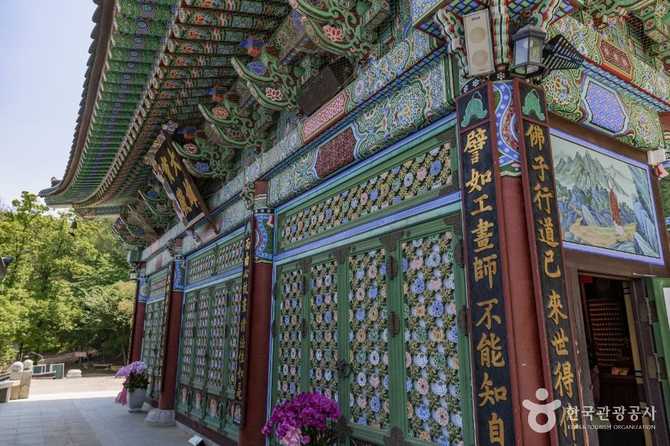
The temple houses the wooden Buddha statue created by monk Baek Yong-seong, designated as Seoul Metropolitan Cultural Heritage. It also includes natural relics from Umyunsan Mountain and historical sites connected to Korea’s independence efforts.
No, admission to Seoul Daeseongsa is free. The temple operates year-round and welcomes visitors without any entrance charges.
The temple is easily accessible via bus or subway in Seoul. Visitors can get off at nearby bus stops or subway stations along the southern part of Umyunsan Mountain, within Seocho-gu.
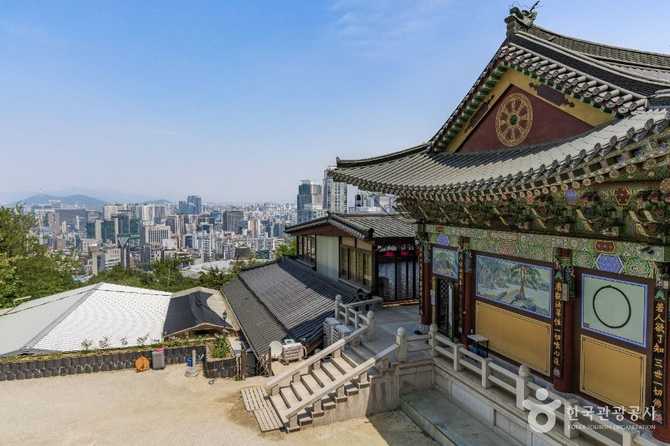
Visitors should observe proper temple etiquette, dress modestly, and maintain a quiet demeanor. It is also advisable to check for any special events or restrictions before visiting.
Yes, the temple provides free parking and has restroom facilities on-site. It is equipped to accommodate visitors comfortably throughout the year.
Conclusion: Experience the Rich Heritage of Seoul Daeseongsa
Visiting Seoul Daeseongsa offers a unique opportunity to immerse yourself in Korea’s profound spiritual and cultural history. This historic Buddhist temple, nestled in the heart of Seoul’s Seocho-gu district, is more than just a place of worship; it is a living monument to Korea’s resilience, religious traditions, and artistic heritage. Whether you are drawn to its ancient relics, such as the wooden Buddha statues, or interested in its significant role in Korea’s independence movement, Daeseongsa provides a meaningful and enriching experience for all visitors.
The temple’s accessible location, free admission, and year-round operation make it an ideal destination for travelers seeking a peaceful retreat away from the city’s hustle. As you walk through its serene grounds, you can reflect on Korea’s long history, admire its cultural treasures, and enjoy the natural beauty surrounding the site. Remember to observe proper temple etiquette and check for any special events before your visit to maximize your experience.
A trip to Seoul Daeseongsa is not only a journey into Korea’s past but also an opportunity to find tranquility and inspiration. Whether you are a history enthusiast, a spiritual seeker, or a curious traveler, this sacred site promises a memorable encounter with Korea’s rich cultural legacy. Plan your visit with care, respect the traditions, and allow yourself to connect deeply with the history and spirituality that make Seoul Daeseongsa a truly special destination in Korea.