
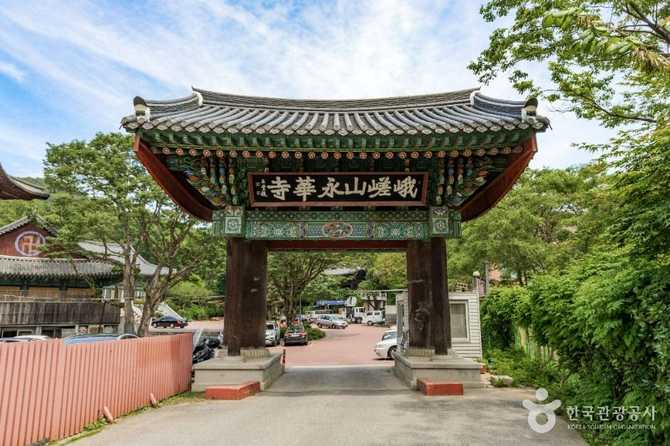
출처 : ⓒ한국관광콘텐츠랩 또는 ⓒ한국관광공사
Discover the Historic and Natural Charm of Yeonghwasa Temple in Seoul
Location 서울특별시 광진구 영화사로 107
Location 서울특별시 광진구 영화사로 107
Are you seeking a peaceful escape within Seoul that combines cultural history and serene natural scenery? Visiting Yeonghwasa Temple offers a perfect retreat where you can enjoy spiritual reflection amidst lush forests and explore Korea’s rich religious heritage. Whether you’re a history enthusiast, nature lover, or someone looking for a tranquil place to meditate, this temple provides a unique experience that blends natural beauty with historical significance.
At a glance
- Who this is for
-
- Travelers seeking peaceful, natural environments within Seoul
- History and culture enthusiasts interested in Korea’s spiritual sites
- Nature lovers looking for scenic spots for relaxation and meditation
- Visitors wanting a quiet place for reflection away from busy city life
- Photographers capturing scenic natural landscapes and historic architecture
- Key takeaways
-
- Located in Gwangjin-gu, Seoul, near Achasan Mountain
- Founded in 672 AD by the monk Uisang, with multiple relocations
- Surrounded by ancient trees and lush forest scenery
- Open year-round with free admission and limited parking
- Accessible via Achasan Station, approximately 900 meters away
- Tips & cautions
-
- Check operating hours before visiting, especially seasonally
- Use public transportation for convenience; parking is limited
- Respect the religious atmosphere by dressing modestly
- Carry water and wear comfortable shoes for walking around
- Be mindful of natural preservation by disposing of trash properly
- Bottom line
- Yeonghwasa Temple is an ideal destination for experiencing Seoul’s natural beauty and historical depth in a peaceful, spiritual setting.
Within the bustling city of Seoul, Yeonghwasa Temple offers a tranquil oasis where history and nature intertwine harmoniously. This ancient Buddhist temple, established over 1,300 years ago, is nestled in the scenic Achasan area, surrounded by towering trees and lush greenery. Visitors can enjoy a serene environment perfect for meditation, reflection, or simply escaping the urban rush. The temple’s historical roots date back to the reign of King Munmu in 672 AD, and it has undergone several relocations and expansions, most notably in 1907 when it settled into its current location.
Whether you are a spiritual seeker, a history buff, or a nature enthusiast, Yeonghwasa offers a meaningful experience. The natural surroundings are especially captivating in spring and autumn, when the foliage is at its most vibrant. The temple’s peaceful atmosphere makes it an excellent spot for mindfulness and relaxation. With easy access via public transportation and free entry, it is a must-visit for anyone wanting to connect with Korea’s cultural and natural heritage without leaving Seoul.

Yeonghwasa Temple Location and Overview
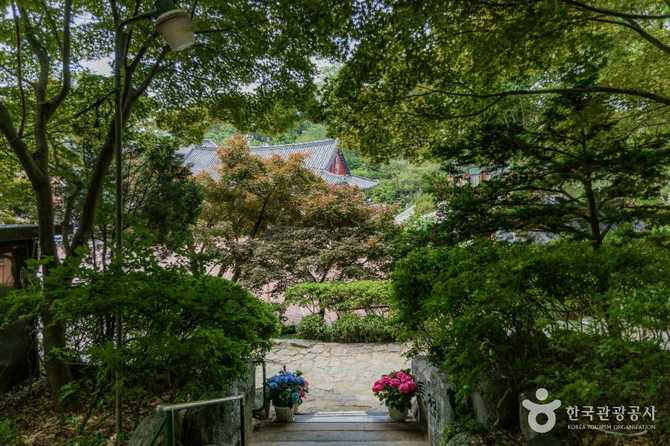
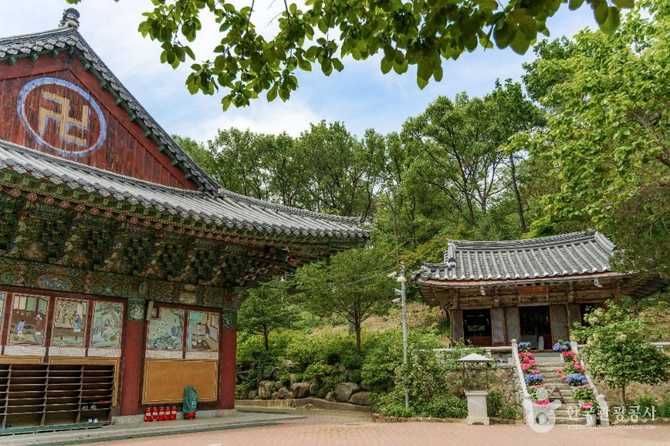
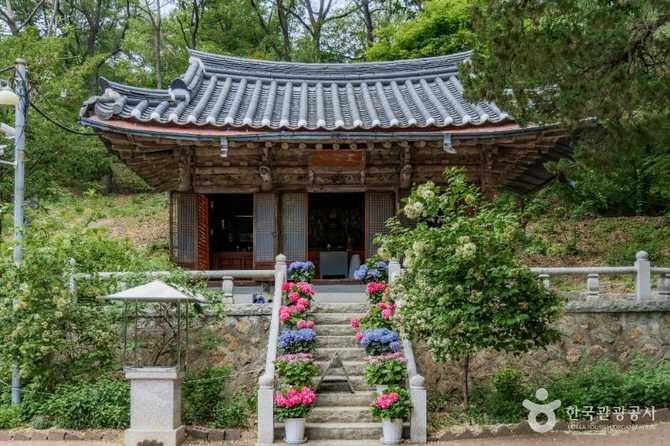
Nestled within the scenic Achasan mountain area in Seoul, Yeonghwasa Temple is a historic Buddhist temple that offers visitors a tranquil escape from the city’s hustle and bustle. Located in Gwangjin-gu, this spiritual site is easily accessible via public transportation, making it an ideal destination for those seeking peace, natural beauty, and cultural heritage in one place. The temple’s serene atmosphere is characterized by lush forests, ancient trees, and well-preserved traditional architecture, creating a perfect setting for meditation, reflection, or simply unwinding in nature.
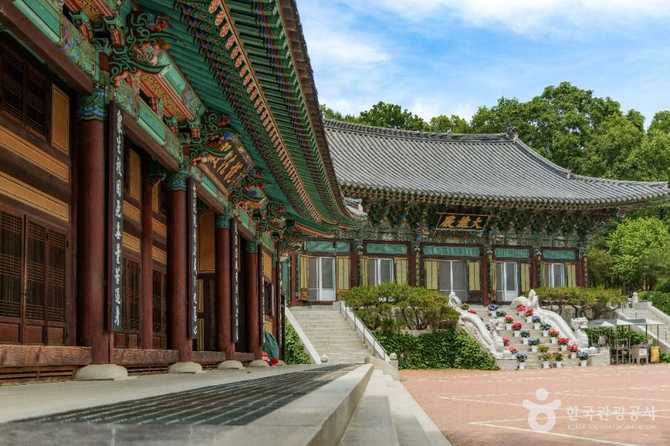
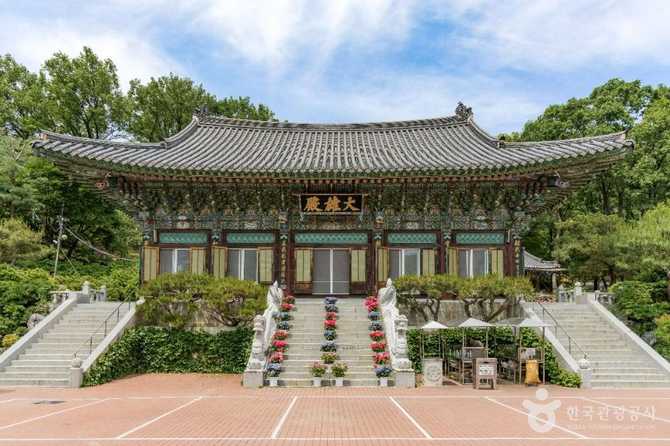
Established in 672 AD by the monk Uisang, Yeonghwasa has a rich history that spans over a millennium. Despite undergoing several relocations, the temple has maintained its spiritual significance and continues to serve as a place for worship, meditation, and cultural activities. Visitors can explore various halls, including the main Buddha hall, and enjoy the surrounding natural scenery that changes beautifully with the seasons—vivid in spring and colorful in autumn.
The temple is open year-round, with operating hours from early morning to evening, allowing visitors to plan their trip at their convenience. Entry is free, and parking facilities are available, although limited. The proximity to Achasan Station (about 900 meters away) makes it easy to reach by subway, making Yeonghwasa a popular choice among Seoul residents and travelers alike seeking a peaceful retreat within the city.
Whether you are interested in Korea’s spiritual traditions, natural landscapes, or simply looking for a quiet place to meditate and connect with nature, Yeonghwasa Temple offers a meaningful experience that combines history, natural beauty, and spiritual serenity in one harmonious setting.
Comparison of Yeonghwasa Temple’s Natural Scenery and Surroundings
| Feature | Details | Remarks |
|---|---|---|
| Forest Coverage | Lush, dense forests surrounding the temple | Provides a peaceful and shaded environment |
| Tree Types | Ancient cedar, pine, and broadleaf trees | Creates a scenic natural backdrop |
| Seasonal Changes | Vibrant blossoms in spring; colorful foliage in autumn | Ideal for seasonal photography and nature walks |
| Natural Soundscape | Sounds of rustling leaves, birds, and flowing water | Enhances the tranquil atmosphere |
| Accessibility | Easy walking trails and well-maintained paths | Suitable for all age groups |
Natural Scenery and Visiting Tips Checklist
- Plan to visit during spring or autumn for the most vibrant natural scenery.
- Wear comfortable walking shoes to explore the forest trails and temple grounds.
- Bring a camera or smartphone to capture the scenic landscapes and seasonal foliage.
- Carry water and sun protection especially in summer months when hiking in the forest.
- Respect the natural environment by disposing of trash properly and avoiding damage to trees or plants.
In summary, Yeonghwasa’s natural surroundings offer a peaceful retreat immersed in lush forests and scenic landscapes. Planning your visit during peak seasons and preparing appropriately will ensure a memorable experience in harmony with nature.
Visiting Tips and Practical Information for Yeonghwasa Temple
| Aspect | Details |
|---|---|
| Best Visiting Seasons | Spring (April–June) and Autumn (September–November) for optimal natural scenery |
| Operating Hours | Summer (June–August): 06:00–19:00 Winter (December–February): 06:00–20:00 Closed on major holidays |
| Transportation | Accessible via Achasan Station (Line 5), Exit 1, approximately 900 meters walk |
| Parking | Limited parking available; consider using public transportation for convenience |
| Entry Fee | Free |
| Facilities | Restrooms available; quiet prayer areas; walking trails |
| Additional Tips | Check weather conditions before visiting; wear comfortable shoes; bring water and sun protection; dress modestly |
Recommended Experiences and Visitor Checklist at Yeonghwasa
- Enjoy seasonal scenery by visiting during spring or autumn for vibrant foliage and blossoms.
- Explore the forest trails around the temple to immerse yourself in nature and find tranquility.
- Capture scenic photographs of the lush greenery, ancient trees, and traditional architecture.
- Participate in meditation or prayer sessions if available, to enhance spiritual experience.
- Visit early in the morning or late afternoon for the best lighting and fewer crowds.
- Respect the sacred atmosphere by maintaining quietness and dressing modestly.
Whether you visit during the day or evening, Discover the Historic and Natural is a meaningful stop on any Seoul itinerary for history-minded travelers.
Frequently Asked Questions (FAQ)
Q1: Where is Yeonghwasa Temple located in Seoul?
Yeonghwasa Temple is situated in Gwangjin-gu, Seoul, near Achasan Mountain. The address is Seoul Special City, Gwangjin-gu, Yeonghwasa-ro 107. It is approximately 900 meters from Achasan Station Exit 1.
Q2: What are the visiting hours for Yeonghwasa Temple?
During summer months (June to August), the temple is open from 06:00 to 19:00, and in winter (December to February), from 06:00 to 20:00. The temple operates year-round but may close on major holidays, so it’s advisable to check before visiting.
Q3: Is there an entrance fee to visit Yeonghwasa Temple?
No, admission to Yeonghwasa Temple is free. Parking is available but limited, and restroom facilities are accessible for visitors.
Q4: How can I get to Yeonghwasa Temple using public transportation?
The most convenient way is to take Line 5 subway to Achasan Station and use Exit 1. The temple is about a 900-meter walk from the station, roughly a 10-minute walk.
Q5: What should I keep in mind when visiting Yeonghwasa Temple?
Visitors should check the operating hours before visiting, especially during seasonal changes. Respect the religious atmosphere by dressing modestly and maintaining quiet behavior. Carry water and wear comfortable shoes for walking around the natural surroundings.
Q6: What are the best times of year to visit Yeonghwasa Temple?
The ideal seasons are spring (April to June) and autumn (September to November), when the natural scenery is most vibrant. These periods offer colorful foliage and blooming flowers, enhancing the tranquil experience.
Final Tips for Visiting Yeonghwasa Temple
Visiting Yeonghwasa Temple in Seoul offers a unique opportunity to connect with Korea’s rich spiritual heritage while enjoying the peaceful natural environment that surrounds this historic site. To make the most of your visit, plan ahead by checking the operating hours and weather conditions, especially if you aim to experience the temple during its most scenic seasons in spring and autumn. Remember to arrive via public transportation, such as Achasan Station, to avoid the limited parking options and enjoy a hassle-free journey. Respect the sacred atmosphere by dressing modestly and maintaining a quiet, respectful demeanor throughout your stay. Bring comfortable shoes for walking along the forest trails and carry essentials like water, sun protection, and a camera to capture the beautiful scenery. Whether you seek tranquility, cultural insight, or a scenic retreat, Yeonghwasa Temple provides a serene space for reflection and renewal. Visiting this spiritual sanctuary in Seoul will surely leave you with a sense of peace and a deeper appreciation for Korea’s natural and historical treasures.