
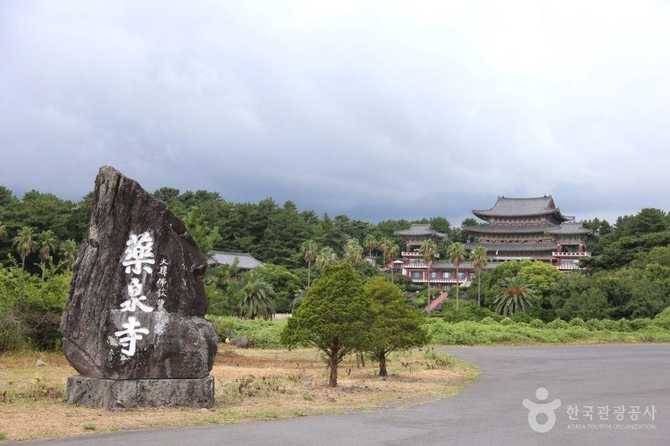
Discover Yeokcheonsa Temple in Jeju: History, Culture & Temple Stay
Are you seeking a serene cultural experience in Jeju that combines natural beauty, ancient history, and spiritual renewal? Yeokcheonsa Temple in Jeju offers an authentic glimpse into Korea’s Buddhist heritage amidst stunning landscapes, making it a must-visit destination for travelers interested in exploring Korea’s spiritual and historical treasures.
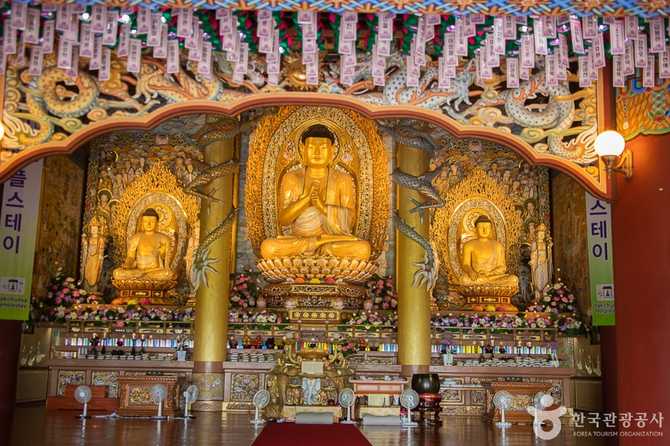
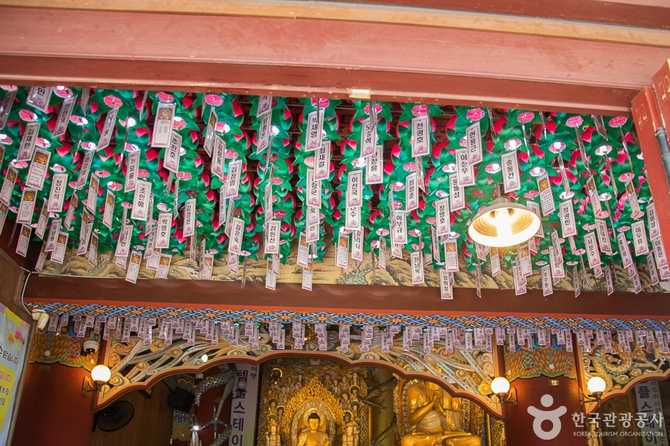
Located in the picturesque Seogwipo area, Yeokcheonsa is renowned for its harmonious blend of natural surroundings and deep-rooted Buddhist traditions. Whether you’re interested in temple stays, exploring historical architecture, or simply seeking a peaceful retreat, Yeokcheonsa provides a unique opportunity to deepen your understanding of Korea’s religious culture while enjoying the scenic beauty of Jeju Island.
At a glance
- Who this is for
-
- Travelers planning a cultural trip to Jeju
- Visitors interested in Korean Buddhism and temples
- Those seeking a peaceful temple stay experience
- History and culture enthusiasts exploring Jeju’s heritage
- Key takeaways
-
- Established in 1981 with major renovations in 1996
- Features a modern reinterpretation of Joseon Dynasty architecture
- Home to historical relics including royal memorial tablets
- Offers temple stay programs and cultural experiences
- Located in scenic Seogwipo, easily accessible by public transport
- Tips & cautions
-
- Advance reservation recommended for temple stay programs
- Some facilities operate seasonally or with specific hours
- Entry is free, but donations or participation fees may apply
- Check weather conditions before visiting outdoor areas
- Bottom line
- Yeokcheonsa in Jeju is a perfect destination for those seeking spiritual tranquility, cultural enrichment, and natural beauty in Korea’s iconic island.
Yeokcheonsa Temple in Jeju is a captivating site where history, culture, and spirituality converge. Nestled within Jeju’s lush scenery, this historic temple provides visitors with a chance to experience Korea’s rich Buddhist traditions firsthand. From its origins in the early 1980s to its modern architectural adaptations, Yeokcheonsa embodies both historical reverence and contemporary spiritual practice.
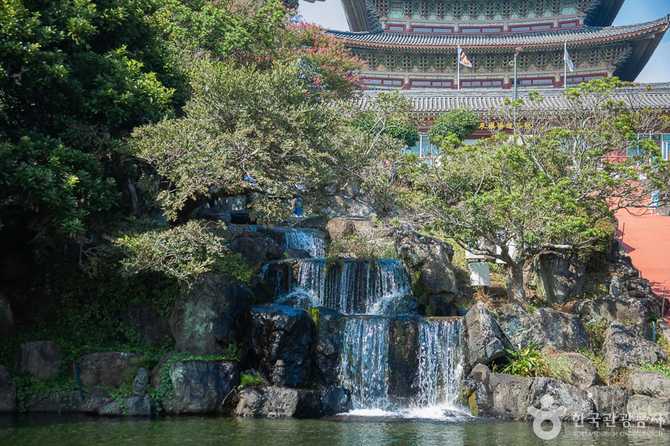
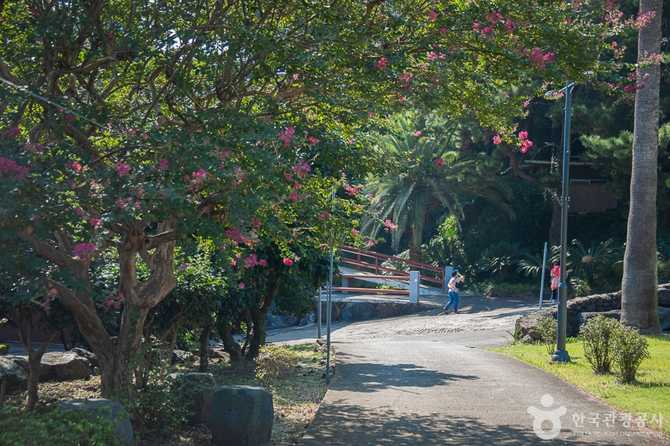
Whether you are interested in participating in temple stay programs, exploring ancient relics, or simply enjoying the peaceful natural environment, Yeokcheonsa offers a meaningful journey into Korea’s spiritual heritage. Its prominent location in Seogwipo makes it accessible for travelers exploring the southern part of Jeju Island, and its cultural significance makes it a must-visit for anyone interested in Korea’s religious history.
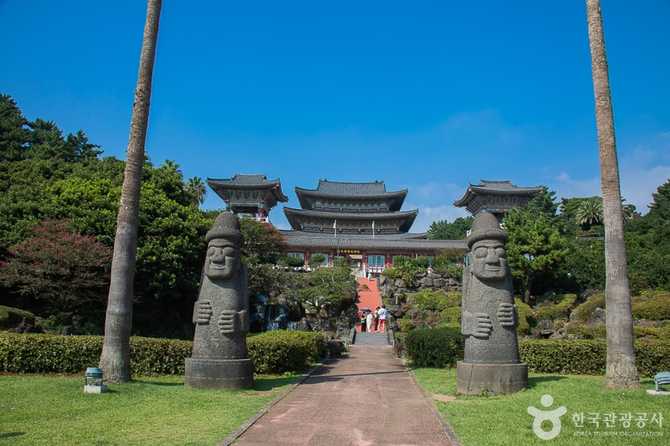
Plan your visit to Yeokcheonsa and immerse yourself in a tranquil environment that invites reflection, learning, and healing. This temple is more than just a historical site; it’s a living center of Korean Buddhist culture and a serene escape from the hustle and bustle of everyday life.
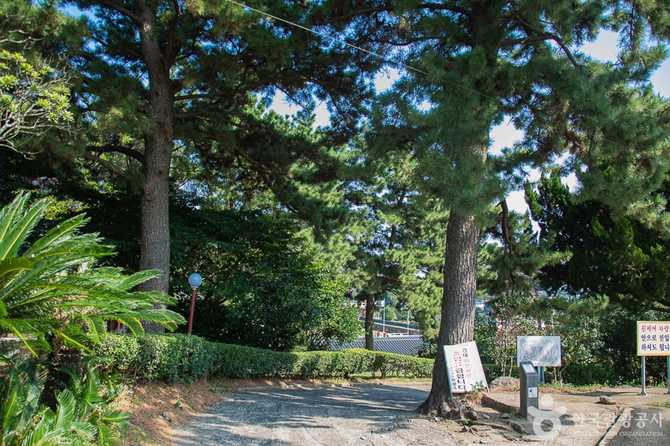
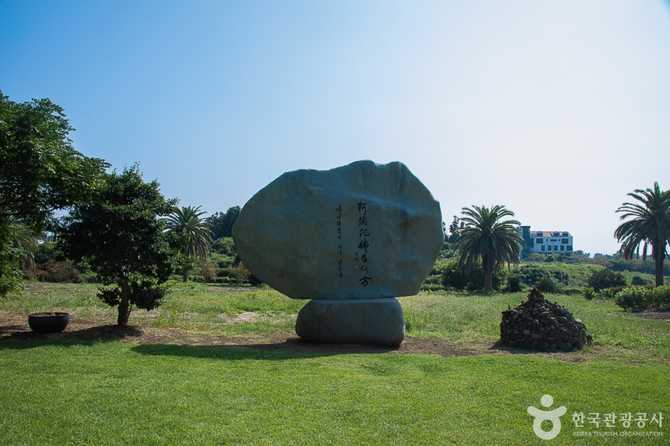
Yeokcheonsa Temple Overview & History
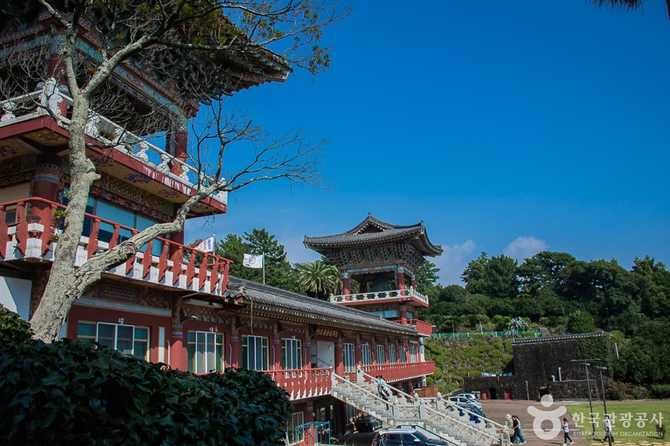
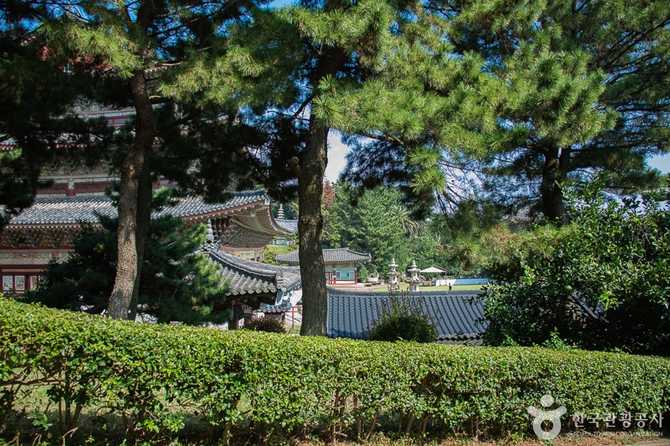
Yeokcheonsa Temple in Jeju is a significant cultural and spiritual site that beautifully combines Korea’s deep Buddhist traditions with the island’s stunning natural scenery. Located in the scenic Seogwipo region, this temple serves as a peaceful retreat for visitors seeking spiritual renewal, cultural enrichment, and a connection with Korea’s religious heritage. As a prominent temple in Jeju, Yeokcheonsa offers a unique glimpse into the country’s Buddhist history, architectural evolution, and contemporary practices.
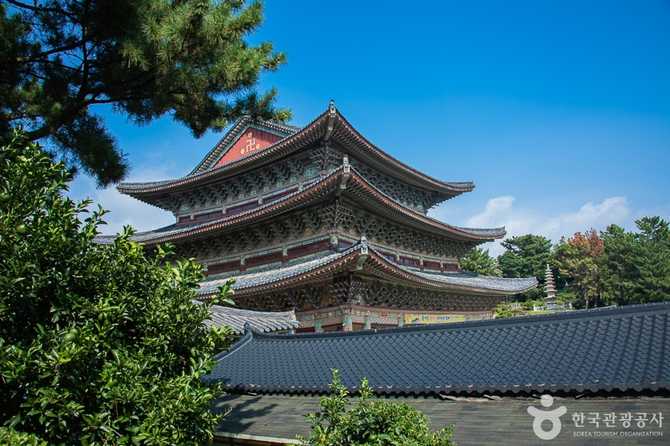
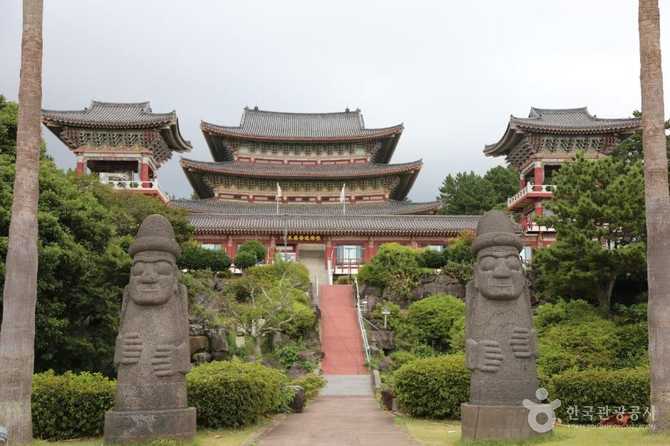
Established originally as a small hermitage called Yaksoam, the temple’s name, Yeokcheonsa, was derived from the nearby famous mineral spring, symbolizing health and vitality. The temple’s history dates back to the early 1980s when it underwent significant expansion and renovation. In 1981, under the leadership of the monk Hyein, a large-scale construction project was launched, transforming the humble hermitage into a grand religious complex. The temple’s architecture reflects a modern interpretation of traditional Korean Buddhist styles, blending contemporary construction techniques with historical aesthetics.
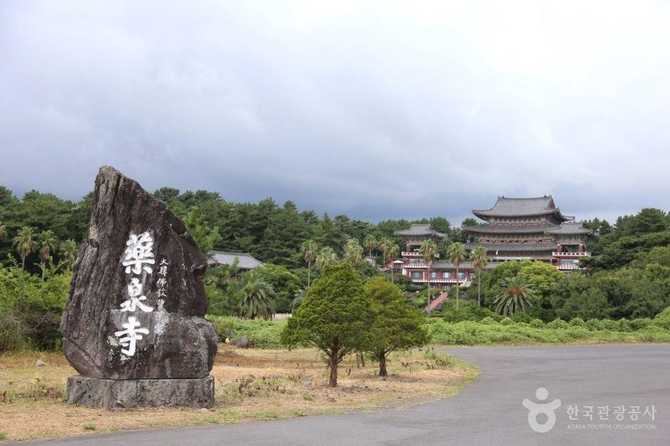
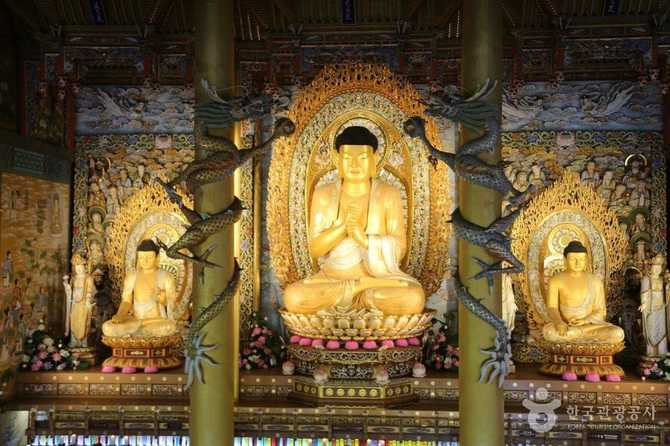
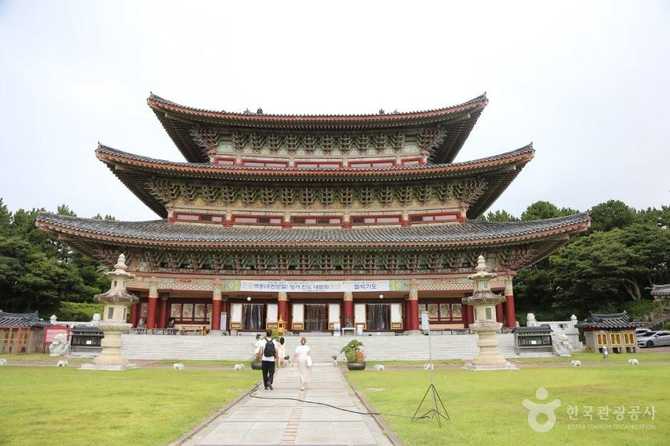
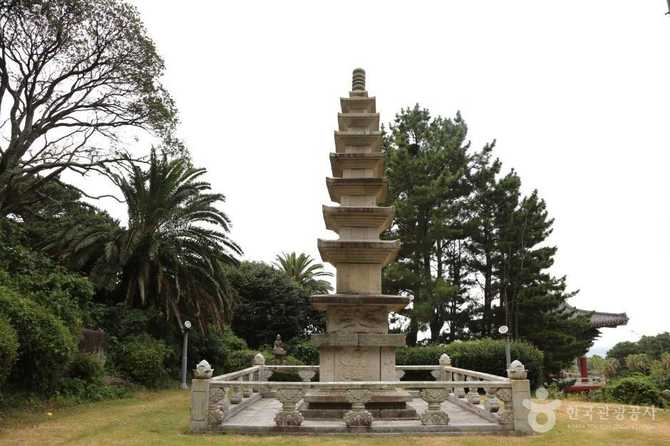
A major milestone in Yeokcheonsa’s history was the construction of the Daejeokgwangjeon Hall in 1996, which reflects Joseon Dynasty architecture with a modern twist. Made of reinforced concrete, this hall showcases the elegance of traditional Korean temple design while ensuring durability and longevity. The temple also houses important relics, including the memorial tablets of King Munjong, the son of Sejong the Great, and the royal family members, emphasizing its historical significance. These relics symbolize Korea’s rich royal and religious history, making Yeokcheonsa a vital site for cultural preservation.
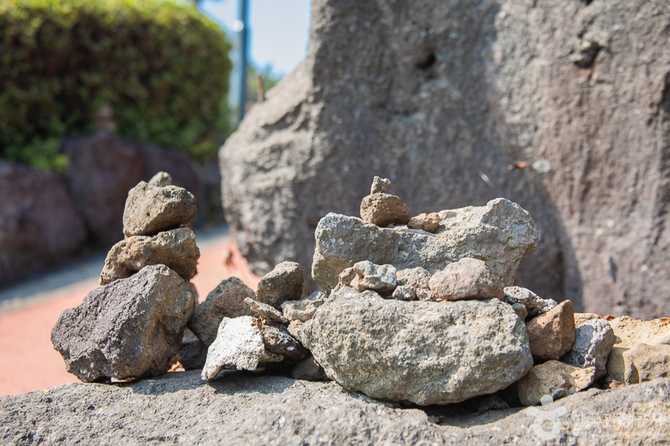
Throughout its history, Yeokcheonsa has been a hub for Buddhist practice and cultural activities. It has hosted numerous ceremonies, festivals, and educational programs aimed at promoting Buddhist teachings and Korean cultural heritage. Visitors can learn about the history of Korean Buddhism, explore the temple’s architectural features, and participate in meditation and prayer sessions. The temple’s serene environment and historical depth make it an ideal destination for those interested in Korea’s spiritual and cultural legacy, especially on Jeju Island, where natural beauty and history converge.
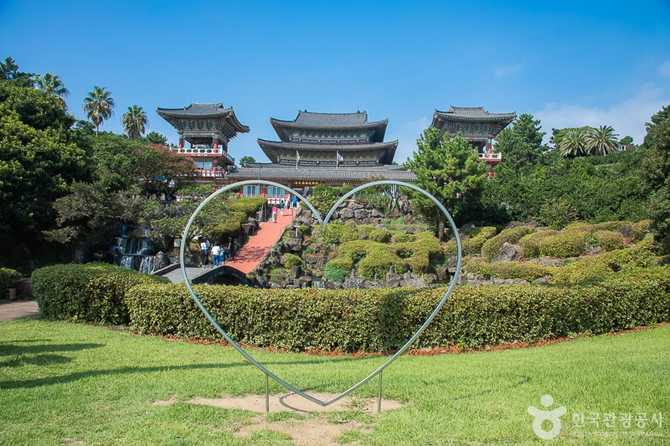
Comparison of Main Architectural Features & Cultural Heritage of Yeokcheonsa
| Feature | Description | Remarks |
|---|---|---|
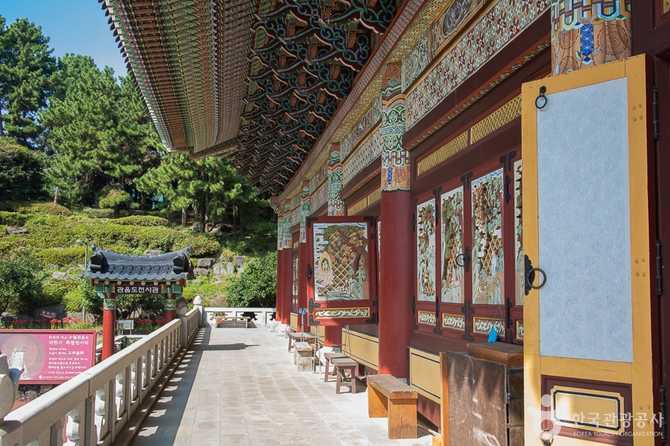
| Daejeokgwangjeon Hall | A large, modern interpretation of Joseon architecture built with reinforced concrete in 1996, reflecting traditional Korean temple design. | Features intricate woodwork and traditional rooflines, blending old and new styles. |
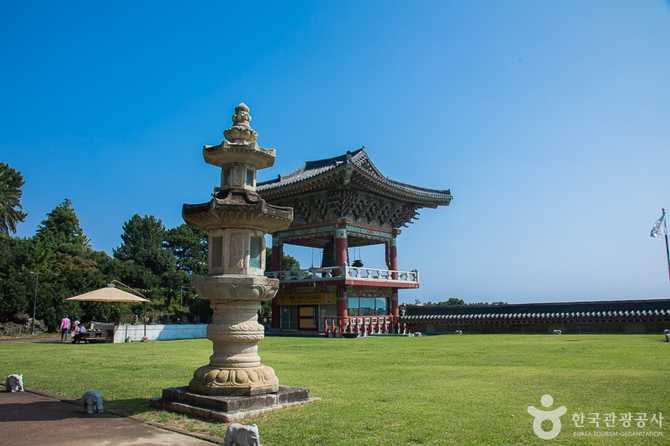
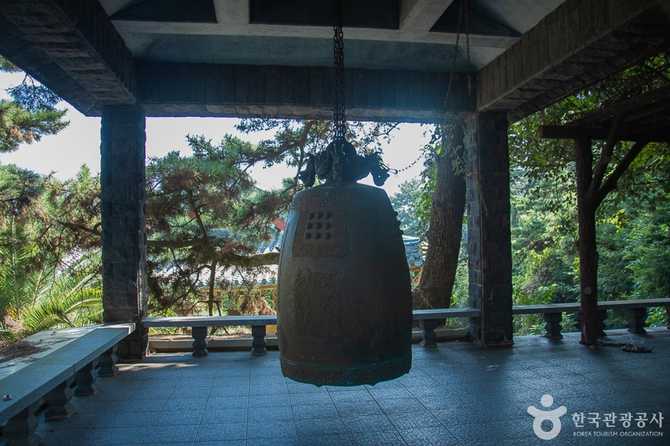
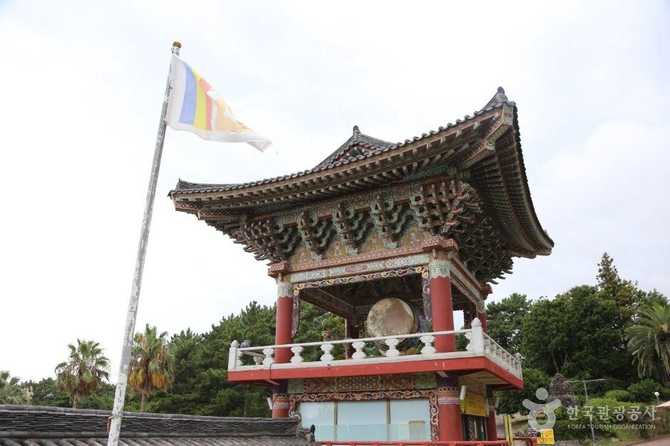
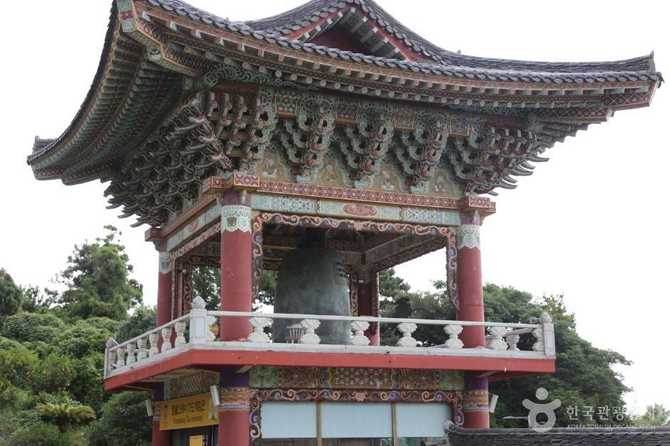
| Bell Tower & Bell (Beomjong) | Stone or wood structure housing a large bell, used for calling monks and visitors to prayer. | Contains inscribed calligraphy emphasizing the value of compassion and mindfulness. |
| Royal Memorial Tablets | Tablets enshrined for King Munjong and other royal family members, reflecting Korea’s royal-buddhist connection. | Signifies historical ties and cultural reverence for Korea’s royal lineage. |
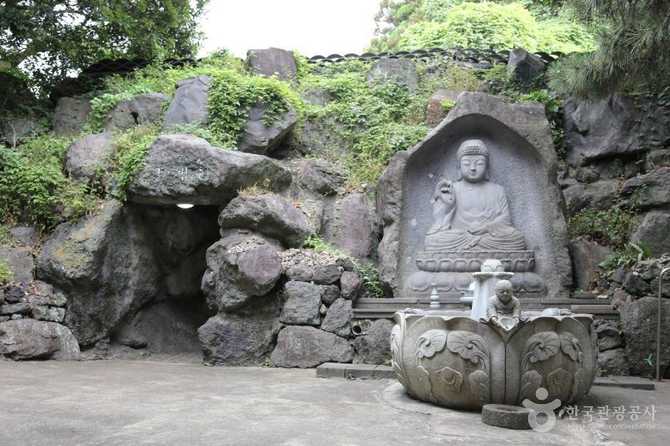
| Main Buddha Statue | A serene Buddha figure placed within the main hall, often depicted in meditation posture. | Focus of meditation and prayer sessions, symbolizing enlightenment and compassion. |
| Cultural Relics & Artifacts | Includes traditional paintings, calligraphy, and stone carvings depicting Buddhist teachings and Korean history. | Preserved and displayed for educational and cultural appreciation. |
Yeokcheonsa’s architecture and cultural artifacts highlight Korea’s rich Buddhist traditions and royal history. The blend of modern construction with traditional design elements creates a unique spiritual atmosphere that attracts visitors from around the world. The enshrined royal tablets and historical relics serve as a reminder of Korea’s deep-rooted religious and cultural heritage, making Yeokcheonsa a must-visit for those interested in Korea’s historical architecture and spiritual practices.
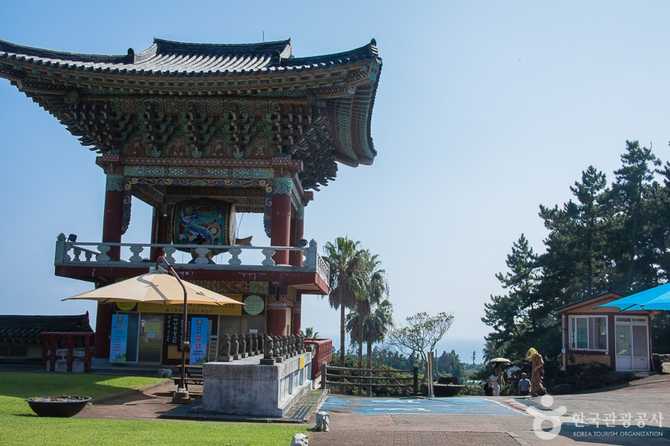
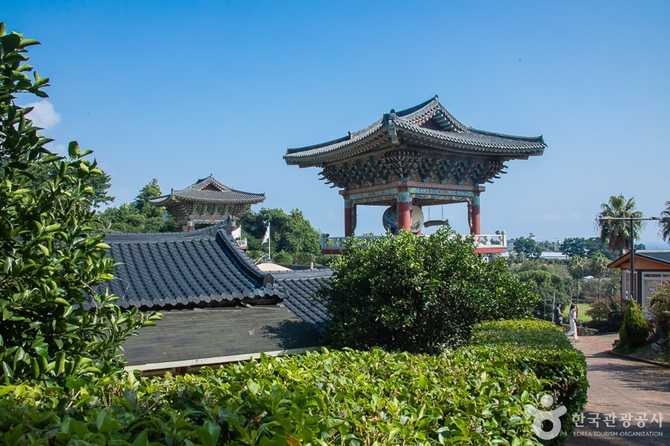
Famous Stories & Legends of Yeokcheonsa
- Kim Hyeong-gon’s Healing Legend: In the 1960s, the renowned Confucian scholar and educator Kim Hyeong-gon was reportedly suffering from a chronic illness. He retreated to a small cave near Yeokcheonsa and dedicated 100 days to meditation and prayer. During this period, he dreamt of drinking from a sacred spring, which led to his miraculous recovery. Grateful for this divine intervention, Kim established Yaksoam, a small hermitage within the temple grounds, to continue his spiritual practice. This story symbolizes the healing power of faith and the importance of spiritual discipline.
- The Sacred Spring and Healing Power: The nearby mineral spring, known as Yeokcheon, is believed to possess healing properties. Many visitors and locals visit the spring to drink its water, believing it promotes health and vitality. Over the years, numerous testimonies have been shared about health improvements after consuming spring water, reinforcing its sacred status within local tradition.
- Legend of the Royal Tablets: It is said that the royal memorial tablets enshrined at Yeokcheonsa are not only relics but also protect the temple and its visitors. Legend has it that these tablets, originating from the Joseon Dynasty, hold spiritual power that can bring peace and prosperity to those who pay homage. This story emphasizes the temple’s importance as a spiritual guardian of Korea’s royal and religious history.
Tourist & Cultural Experience Options at Yeokcheonsa
Visitors to Yeokcheonsa Temple can immerse themselves in Korea’s rich Buddhist traditions through various engaging programs and explorations. Whether you wish to participate in meditative practices, explore historical architecture, or observe religious ceremonies, the temple offers a range of experiences that deepen understanding and appreciation of Korea’s spiritual heritage. Below are the main ways to enjoy your visit:
| Experience | Description | Notes |
|---|---|---|
| Temple Stay Programs | Participate in overnight or daytime temple stays, engaging in meditation, chanting, and traditional tea ceremonies. | Pre-booking required; program details and schedules vary seasonally. |
| Historical Temple Tour | Guided exploration of main buildings such as Daejeokgwangjeon Hall, the bell tower, and cultural relics. | Self-guided tours available; audio guides may be provided. |
| Ceremonial and Prayer Sessions | Join in traditional Buddhist prayers and rituals led by monks, often including offerings and chants. | Participation is open to visitors; check schedule in advance. |
| Cultural Art & Calligraphy Exhibits | View traditional paintings, calligraphy, and Buddhist artifacts that illustrate Korea’s spiritual arts. | Occasionally includes workshops or demonstrations. |
Getting to Yeokcheonsa Temple & Visiting Tips
Planning your visit to Yeokcheonsa Temple is straightforward due to its convenient location and accessible transportation options. To ensure a smooth trip, consider the following checklist:
- Transportation: Accessible by bus and private vehicle. If driving, use GPS navigation with the address: 293-28, Yeodoro, Seogwipo-si, Jeju.
- Parking: Ample parking available on-site for visitors arriving by car.
- Travel Time: Approximately 30 minutes from Jeju City by car or bus.
- Operating Hours: Open year-round, but check specific program times and seasonal hours in advance.
- Entry Fee: Free admission; optional donations or program fees may apply.
- Contact: For inquiries, call 064-738-5079 or visit the official website for updates.
- Additional Tips: Wear comfortable clothing suitable for temple visits; bring water and sun protection; arrive early to avoid crowds during peak seasons.
Whether you visit during the day or evening, Discover Yeokcheonsa Temple in Jeju is a meaningful stop on any Seoul itinerary for history-minded travelers.
Frequently Asked Questions (FAQ)
Q1: What are the main programs available at Yeokcheonsa Temple in Jeju?
Yeokcheonsa offers temple stay programs, including meditation, chanting, and tea ceremonies. Participants can also explore historical architecture and participate in prayer sessions. Advance reservation is recommended for these activities.
Q2: How can I get to Yeokcheonsa Temple in Seogwipo?
The temple is located at 293-28 Yeodoro, Seogwipo-si, Jeju. It is accessible by bus or private vehicle, with parking facilities available. The travel time from Jeju City is approximately 30 minutes.

Q3: Is there an entrance fee to visit Yeokcheonsa Temple?
No, entry to Yeokcheonsa is free of charge. However, some temple programs or offerings may require a donation or participation fee.

Q4: What cultural artifacts and relics can visitors see at Yeokcheonsa?
Visitors can view the Daejeokgwangjeon Hall, royal memorial tablets of King Munjong and other royals, and traditional Buddhist art and calligraphy. These relics reflect Korea’s royal and spiritual history.
Q5: Are there any legends or stories associated with Yeokcheonsa Temple?
Yes, stories include the healing legend of scholar Kim Hyeong-gon, who recovered from illness after meditating near a sacred spring. There is also a legend about the protective power of the royal tablets enshrined at the temple.
Q6: How do I reserve a temple stay at Yeokcheonsa?
Reservations can be made through the official Yeokcheonsa website or the temple stay platform. Program details and schedules are available online, and early booking is advised to secure a spot.
Experience the Spiritual and Cultural Richness of Yeokcheonsa Temple in Jeju
Visiting Yeokcheonsa Temple in Jeju offers a unique opportunity to immerse yourself in Korea’s deep Buddhist traditions while enjoying the island’s breathtaking natural scenery. This historic temple, with its modern reinterpretation of traditional architecture and sacred relics, provides a peaceful environment for reflection, learning, and spiritual renewal. Whether you’re interested in participating in temple stay programs, exploring culturally significant artifacts, or simply seeking a tranquil escape from everyday life, Yeokcheonsa is an ideal destination. Its location in Seogwipo makes it easily accessible for travelers exploring southern Jeju, and the combination of history, culture, and natural beauty makes it a must-visit spot for those seeking meaningful travel experiences. Remember to plan ahead for the available programs and check the operating hours, as some facilities may require reservations or have seasonal schedules. Visiting Yeokcheonsa Temple in Jeju will enrich your journey, providing both spiritual insight and a deeper appreciation of Korea’s rich cultural heritage. Make your trip memorable by embracing the serenity and historical significance of this remarkable temple, and take home a deeper understanding of Korea’s spiritual landscape.