
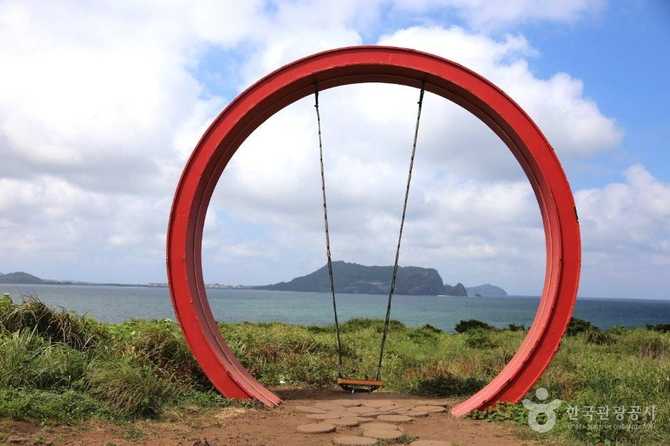
Explore Seopjigi: A Must-Visit Natural Wonder in Jeju
Discover the breathtaking beauty of Seopjigi, one of Jeju Island’s most iconic natural attractions, renowned for its stunning coastal scenery and unique geological formations. Whether you’re a nature lover, a history enthusiast, or simply seeking a peaceful escape, Seopjigi offers an unforgettable experience that combines scenic landscapes, cultural heritage, and serene ocean views.
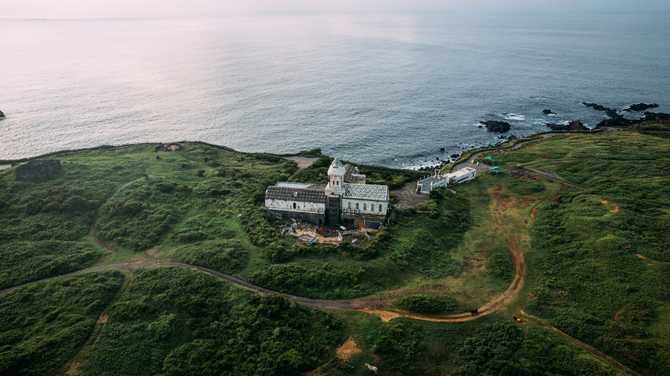
In this comprehensive guide, you’ll find everything you need to plan your visit to Seopjigi, from its location and key sights to helpful tips for a smooth trip. Learn about the best times to visit, how to get there, and what attractions to prioritize. With detailed information on facilities and travel advice, this guide aims to make your journey to Seopjigi as enjoyable and memorable as possible.
At a Glance
- Who this is for
-
- Travelers interested in Jeju’s natural scenery
- Tourists planning a trip to Seogwipo and Seongsan area
- Families, couples, and solo travelers seeking scenic relaxation
- History and geology enthusiasts
- Key takeaways
-
- Located along the southeastern coast of Jeju Island in Seongsan-eup
- Famous for its distinctive cape shape and beautiful coastal views
- Free entry with ample parking and basic amenities available
- Best visited during spring for vibrant yellow canola flowers
- Accessible by car from Jeju City and Seogwipo
- Tips & cautions
-
- Visit early morning or late afternoon to avoid crowds
- Be cautious on narrow roads when driving to the site
- Check weather conditions before visiting, especially in windy seasons
- Wear comfortable shoes for walking around the rocky coastal areas
- Bottom line
- Seopjigi is a natural and cultural jewel of Jeju, offering stunning scenery and memorable experiences for all visitors.
Seopjigi, also known as Seopjigi Cape, is a must-see destination on Jeju Island that perfectly blends natural beauty with historical significance. Located in Seongsan-eup, this scenic coastal area features dramatic cliffs, picturesque beaches, and iconic geological formations that have been shaped over centuries by natural forces. Visitors can enjoy panoramic ocean views, explore historical sites like the old beacon tower, and immerse themselves in the tranquil atmosphere of this beloved Jeju landmark.

This guide provides detailed insights into how to reach Seopjigi, what attractions await you, and practical tips to enhance your visit. Whether you’re planning a day trip or a leisurely exploration, understanding the site’s features and facilities will help you make the most of your experience. Prepare to be captivated by the natural splendor and cultural heritage of Seopjigi, a true highlight of Jeju’s diverse landscape.

Overview of Seopjigi: A Natural Landmark in Jeju
Seopjigi, also known as Seopjigi Cape, is one of Jeju Island’s most iconic natural attractions. Located along the southeastern coast in Seongsan-eup, this scenic site is renowned for its dramatic coastal landscape, unique geological formations, and tranquil atmosphere. Visitors are drawn to its breathtaking views of the ocean, the distinctive cape shape, and the surrounding natural beauty that encapsulates the essence of Jeju’s pristine environment. Whether you are a nature enthusiast, a history lover, or simply seeking a peaceful escape, Seopjigi offers an unforgettable experience that combines natural wonders with cultural heritage.
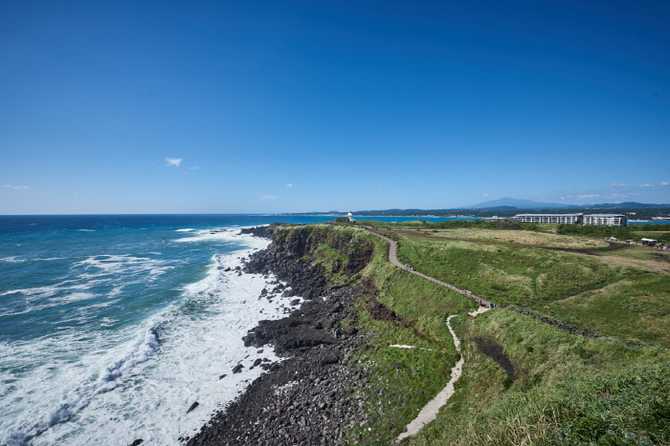
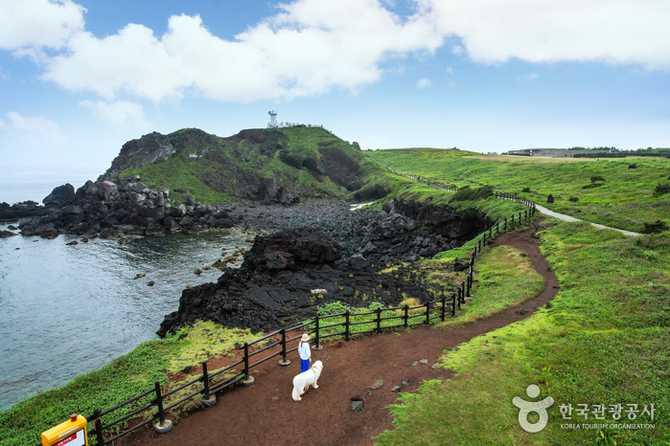
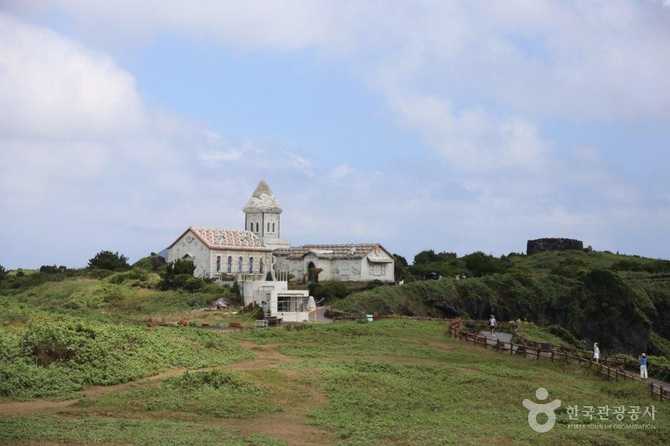
The site’s geographical features include a protruding cape with rugged cliffs, a lush yellow canola flower field in spring, and historical landmarks like the old beacon tower (Bongsoodae). Its accessibility from various parts of Jeju makes it a popular destination for day-trippers and travelers looking to explore the island’s southeastern coast. The area is open year-round, free of charge, and equipped with parking facilities and basic amenities such as restrooms, making it convenient for visitors of all ages.
When planning your visit to Seopjigi, it’s essential to consider the best times to go—spring and early summer are ideal for enjoying the colorful canola flowers and clear ocean views. Early mornings or late afternoons tend to be less crowded, allowing for a more relaxed experience. The site’s narrow roads require cautious driving, especially during peak hours or in windy weather. Overall, Seopjigi is a must-see natural landmark that beautifully showcases Jeju’s geological and scenic splendor, making it a highlight of any trip to the island.
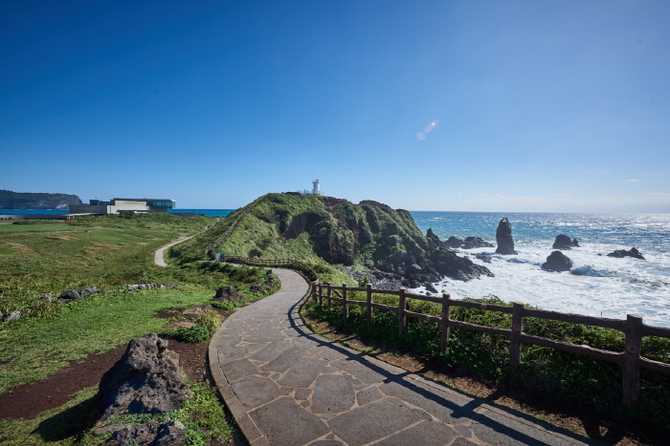
Comparison of Key Attractions at Seopjigi
| Attraction | Features | Highlights |
|---|---|---|
| Bongsoodae (Old Beacon Tower) | Historic lighthouse site, stone structure, about 4 meters tall | Offers panoramic views of the coastline and ocean; a historical symbol of maritime navigation |
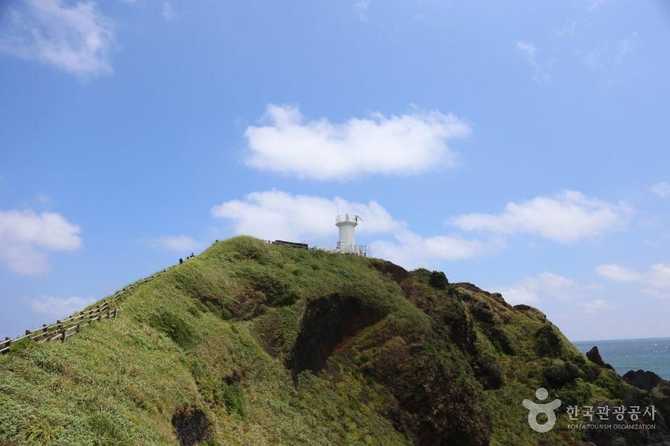
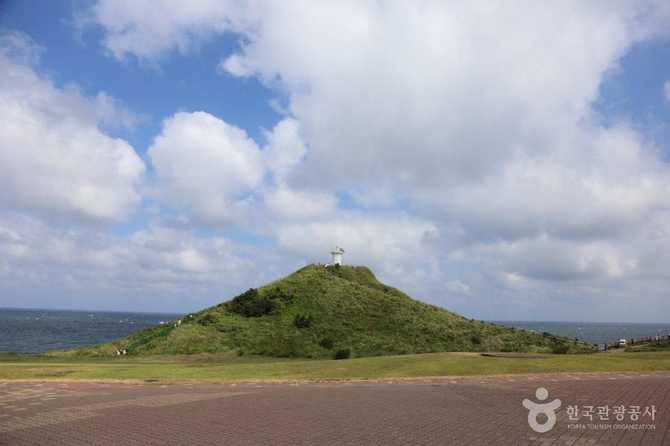
| Red Oreum (Red Volcanic Hill) | Volcanic cone with reddish volcanic ash, featuring a small white lighthouse at the summit | Provides a scenic hiking spot with striking landscape views and photo opportunities |
| Canola Flower Fields | Expansive yellow flower fields in spring, located on the gentle slopes near the coast | Perfect for photography, offering vibrant colors and a peaceful natural setting |
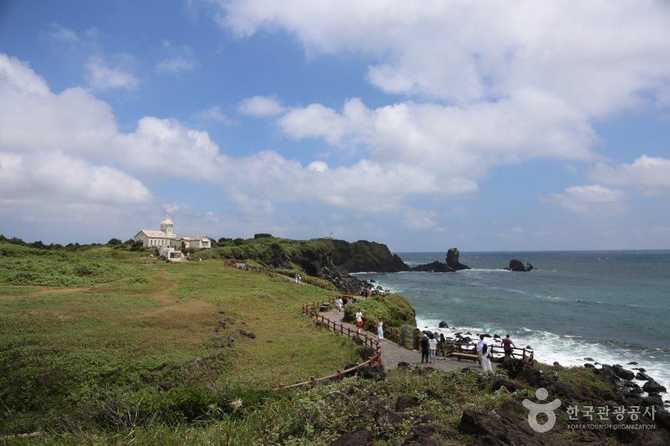
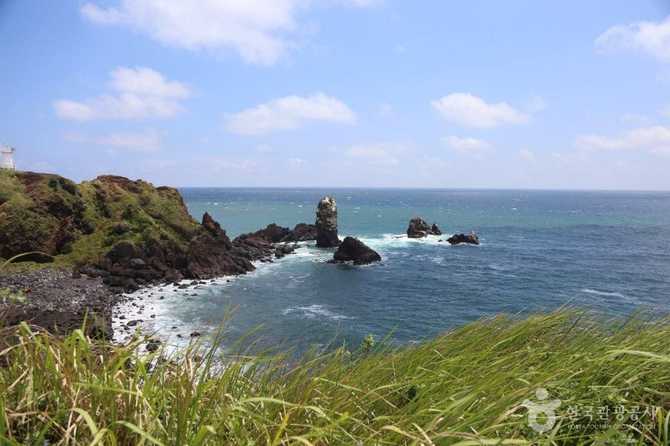
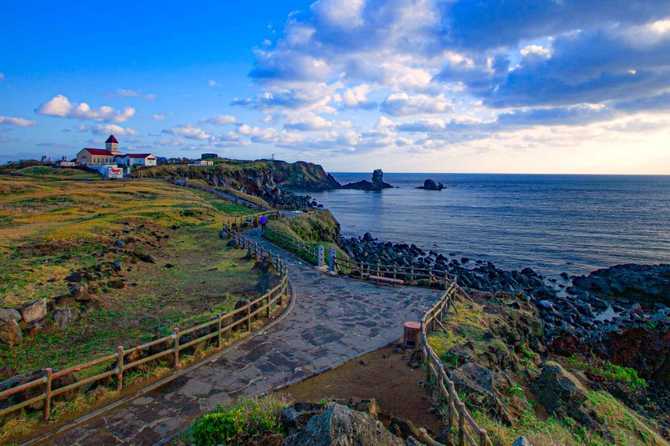
| Seopjigi Coastal Cliffs | Rugged cliffs with walking paths, viewing platforms, and rocky shoreline | Ideal for scenic walks, sunset viewing, and appreciating Jeju’s rugged coastline |
Visitor Checklist for Seopjigi: Preparing for Your Trip
- Check the weather forecast: Seopjigi’s outdoor attractions are best enjoyed in clear, calm weather. Rain or strong winds can make walking along cliffs hazardous.
- Plan your visit during off-peak hours: To avoid crowds, aim for early mornings or late afternoons, especially during spring and weekends.
- Wear comfortable shoes: The terrain includes rocky paths and uneven surfaces, so sturdy footwear is recommended.
- Bring essentials: Sunscreen, water, and a hat are advisable, especially in summer. Don’t forget your camera for capturing scenic views.
- Respect the environment: Stay on designated paths, avoid littering, and do not disturb wildlife or historical sites.
Facilities and Convenience at Seopjigi
| Facility | Details |
|---|---|
| Parking | Large free parking lot available for visitors, sufficient space especially during off-peak hours |
| Restrooms | Public restrooms are provided near the main viewing areas, clean and well-maintained |
| Convenience Stores & Food | Limited snack and drink vendors are available; for more options, visit nearby cafes or restaurants in Seongsan-eup |
| Visitor Center | Not a formal visitor center, but informational signs are placed around key sites for educational purposes |
Recommended Travel Itinerary for Seopjigi
- Early Morning Arrival: Start your day early to enjoy the peaceful atmosphere and capture beautiful sunrise views over the ocean. Arrive before 8:00 AM to beat the crowds and find parking easily.
- Visit Bongsoodae (Old Beacon Tower): Explore this historic lighthouse site first, taking in panoramic views of the coastline and learning about its maritime significance.
- Explore Red Oreum (Red Volcanic Hill): Hike up the volcanic cone for scenic vistas and great photo opportunities with the small lighthouse at the summit.
- Stroll through Canola Flower Fields: Walk along the expansive yellow fields in spring, perfect for photography and appreciating the natural beauty of Jeju’s landscape.
- Enjoy the Coastal Cliffs: Take a leisurely walk along the rugged cliffs, appreciating the dramatic scenery, rocky shoreline, and ocean views. Sunset here offers particularly stunning scenery.
- Visit Nearby Cafes or Relax at the Beach: In the late afternoon, unwind at local cafes or relax on the nearby beaches, soaking in the tranquil seaside atmosphere.
- Wrap Up with Sunset Viewing: End your day by returning to the cliffs or lighthouse area to witness a breathtaking sunset over the sea, completing your memorable visit to Seopjigi.
Whether you visit during the day or evening, Explore Seopjigi is a meaningful stop on any Seoul itinerary for history-minded travelers.
Frequently Asked Questions (FAQ)
Q1: How do I get to Seopjigi from Jeju City?
Seopjigi is located along the southeastern coast of Jeju Island in Seongsan-eup. You can reach it by car via the main roads from Jeju City, taking the expressway toward Seongsan, and following signs to the coastal area. Public transportation options are limited, so driving is recommended for convenience.
Q2: Is there an entrance fee for Seopjigi?
No, Seopjigi is a public natural attraction and is free of charge. Visitors can enjoy the scenic views, hiking, and photo spots without any admission fee.
Q3: What are the must-see attractions at Seopjigi?
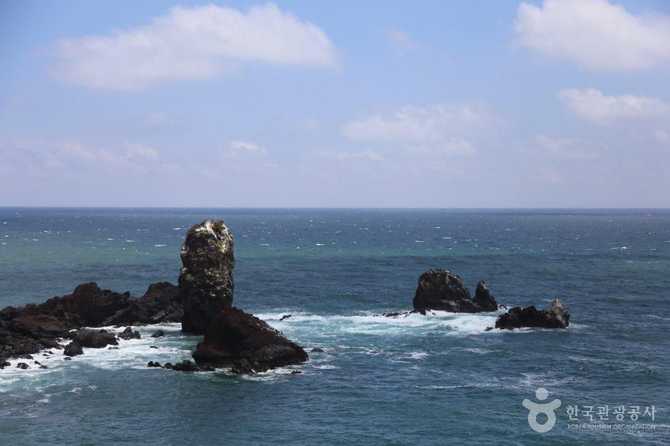
Key attractions include the Bongsoodae (Old Beacon Tower), the Red Oreum (Volcanic Hill), expansive canola flower fields in spring, and the rugged coastal cliffs. Each offers unique scenic views and opportunities for photography and exploration.
Q4: When is the best time to visit Seopjigi?
The optimal visiting period is during spring (March to May), when the canola flowers are in full bloom. Early mornings and late afternoons are ideal to avoid crowds and enjoy the best lighting for photos.

Q5: Can I see the canola flowers at Seopjigi?
Yes, the canola flower fields are located on the gentle slopes near Seopjigi and bloom brightly during spring, creating a vibrant yellow landscape perfect for photos and leisurely walks.
Q6: Is there parking available at Seopjigi?
Yes, Seopjigi provides a large, free parking lot for visitors. It is generally sufficient, especially during off-peak hours, and is conveniently located near the main viewing areas.
Final Tips for Visiting Seopjigi
Planning your trip to Seopjigi ensures you can make the most of this stunning natural attraction on Jeju Island. Remember to check the weather forecast before heading out, as clear and calm days provide the best conditions for enjoying the scenic coastal views and walking along the rugged cliffs. Visiting early in the morning or late in the afternoon not only helps you avoid the crowds but also offers the most picturesque lighting for photography, especially at sunrise or sunset. Wear comfortable shoes suitable for uneven terrain, and bring essentials like water, sunscreen, and a hat, particularly during the warmer months. Respect the environment by staying on designated paths and refraining from littering, helping preserve the natural beauty for future visitors. If you plan to drive, be cautious on narrow roads, especially during peak times or windy weather. With proper preparation, your visit to Seopjigi will be a memorable experience, allowing you to immerse yourself in Jeju’s breathtaking scenery and rich cultural heritage. Make sure to take your time and enjoy every moment at this extraordinary natural wonder.