

Discover Cheongnyangsa Temple in Seoul: A Cultural and Historical Landmark
Are you seeking a peaceful escape in Seoul that combines rich history, traditional architecture, and spiritual serenity? Cheongnyangsa Temple offers visitors a unique opportunity to experience Korea’s Buddhist heritage right in the heart of the city. Whether you’re interested in exploring historic temples, learning about Korea’s religious culture, or simply enjoying a tranquil environment amidst urban life, Cheongnyangsa is a must-visit destination.
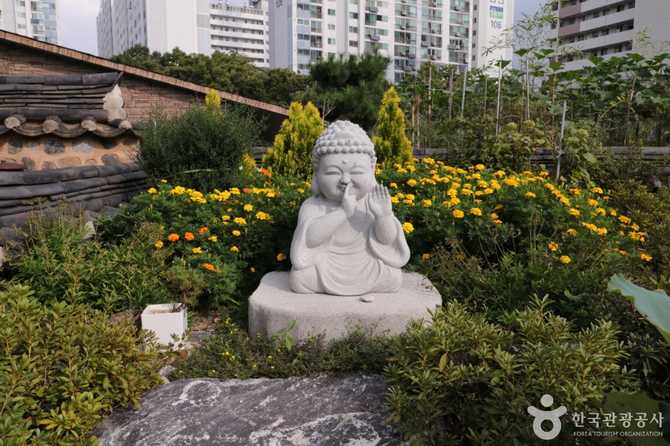
Located in Dongdaemun-gu, Seoul, Cheongnyangsa Temple is renowned for its historical significance and beautiful traditional structures. It serves as a center for Buddhist practice, cultural education, and historical remembrance, especially known for its association with Korea’s independence movement during the Japanese occupation. The temple’s serene atmosphere, combined with its accessible location, makes it an ideal spot for travelers, locals, families, and anyone interested in Korea’s spiritual and cultural history.
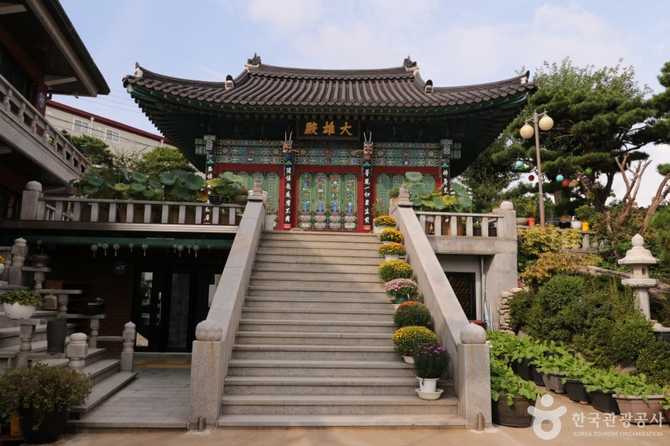
At a glance
- Who this is for
-
- Travelers interested in Korean Buddhist culture and history
- Visitors seeking a peaceful retreat in Seoul’s city center
- Families looking for cultural and historical experiences
- History enthusiasts exploring Korea’s independence movement sites
- People wanting to enjoy traditional architecture and natural scenery
- Key takeaways
-
- Located in Dongdaemun-gu, Seoul, easily accessible from the city center
- Features historic buildings like the Longest-standing Geungnakbojeon and Gwaneumjeon
- Open year-round, free admission, with parking and family-friendly facilities
- Significant site for Korea’s independence movement and Buddhist practice
- Offers a tranquil environment for meditation, reflection, and cultural learning
- Tips & cautions
-
- Expect potential traffic congestion during peak hours; plan accordingly
- Some buildings may be under restoration; check official info before visiting
- Wear comfortable clothing and respectful attire for temple visits
- Verify special events or temple activities via the official website beforehand
- Bottom line
- Visit Cheongnyangsa Temple in Seoul to experience Korea’s spiritual heritage amidst natural beauty and historic architecture.
Seoul’s Cheongnyangsa Temple stands as a testament to Korea’s rich Buddhist tradition and historical resilience. Situated on the southern slopes of Cheonjangsan Mountain, this temple has served as a spiritual sanctuary and cultural hub for over a century. Its historical roots date back to the late 19th century, and it played a pivotal role during Korea’s fight for independence, making it a meaningful destination for visitors interested in Korea’s modern history and religious practices.
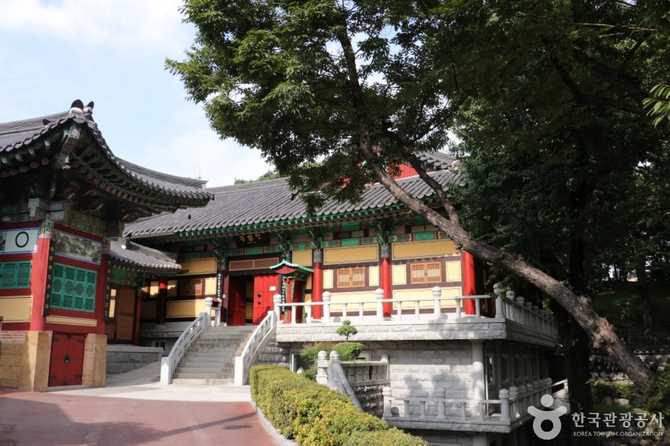
Beyond its historical significance, Cheongnyangsa offers visitors a chance to explore traditional Korean temple architecture, including the iconic Geungnakbojeon Hall, Gwaneumjeon Hall, and the peaceful meditation spaces. The temple’s tranquil gardens, natural surroundings, and panoramic views of Seoul provide a perfect setting for relaxation, reflection, and cultural immersion. Whether you are a history buff, a spiritual seeker, or a curious traveler, Cheongnyangsa Temple promises a memorable experience that blends Korea’s ancient traditions with contemporary urban life.
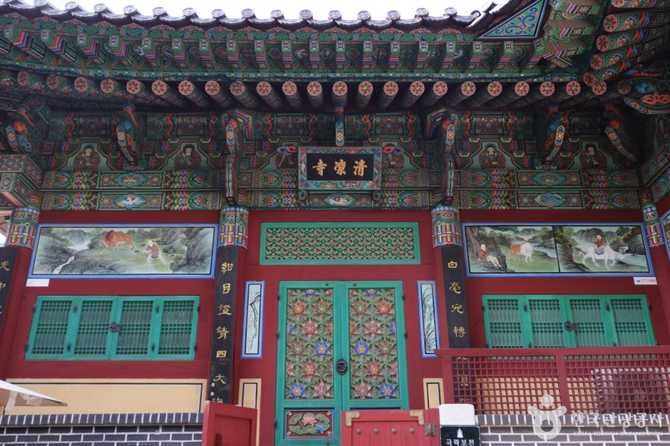
Overview of Cheongnyangsa Temple in Seoul
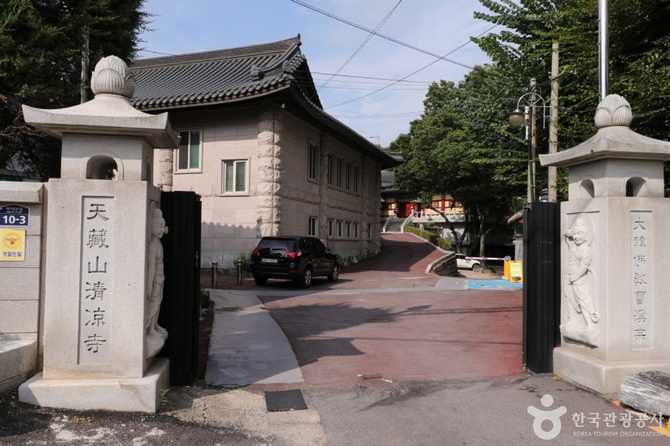
Nestled in the heart of Seoul, Cheongnyangsa Temple stands as a prominent symbol of Korea’s rich Buddhist heritage and historical resilience. This temple, located in Dongdaemun-gu, offers visitors a unique blend of traditional Korean architecture, spiritual tranquility, and historical significance. As a renowned Buddhist site, Cheongnyangsa is especially famous for its association with Korea’s independence movement and its role as a center for Buddhist practice and cultural education. Visitors come here not only to admire its beautiful structures but also to experience a peaceful retreat amidst the bustling city environment. The focus keyword, Cheongnyangsa Temple in Seoul, encapsulates its importance as a cultural landmark that embodies Korea’s spiritual and historical identity.
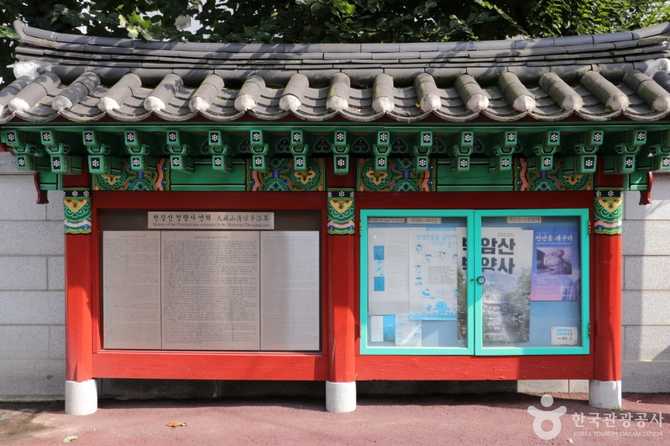
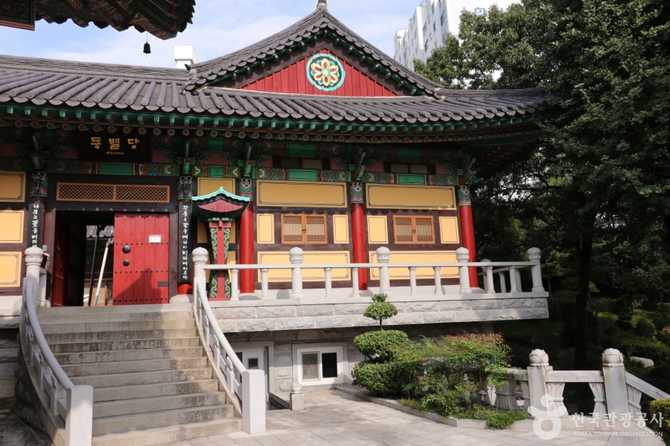
Established over a century ago, Cheongnyangsa has witnessed Korea’s turbulent history, including the Japanese occupation and the fight for independence. Its architecture reflects traditional Korean temple design, with notable buildings such as the Geungnakbojeon Hall, Gwaneumjeon, and the peaceful meditation spaces that attract both pilgrims and tourists alike. The temple’s scenic location on the southern slopes of Cheonjangsan Mountain provides panoramic views of Seoul’s urban landscape and natural surroundings, creating an ideal environment for reflection and meditation. Visitors can explore the historic structures, participate in Buddhist rituals, or simply enjoy the serenity of the gardens and surrounding nature.
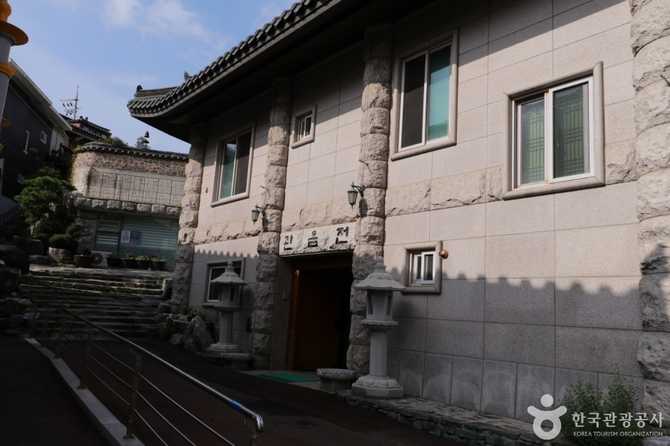
Whether you are a history enthusiast, a spiritual seeker, or a traveler seeking tranquility in the city, Cheongnyangsa Temple offers a meaningful experience. Its accessibility from Seoul’s city center makes it a popular destination for locals and tourists alike. The temple is open year-round, free of charge, and equipped with visitor amenities such as parking, restrooms, and family-friendly facilities. Planning your visit with some basic knowledge about its history, key structures, and visiting tips can help you make the most of your experience. Dive into the rich history and tranquil beauty of Cheongnyangsa, and discover a peaceful sanctuary that beautifully encapsulates Korea’s spiritual and cultural legacy.
Comparison of Main Architectural Structures at Cheongnyangsa Temple
| Building Name | Features & Significance | Current Status |
|---|---|---|
| Geungnakbojeon (Main Hall) | The oldest structure, featuring traditional Korean temple architecture with a prominent central spire (japchae). It serves as the main place for Buddhist ceremonies and rituals. | Undergoing restoration and maintenance to preserve its historical integrity. |
| Gwaneumjeon (Avalokitesvara Hall) | Dedicated to the Bodhisattva of Compassion, featuring a large statue of Gwaneum (Guanyin). It is a focal point for prayer and meditation. | Well-preserved and open to visitors for worship and reflection. |
| Muryangsu-jeon (Amitabha Hall) | Houses the Amitabha Buddha statue, creating a serene atmosphere for meditation and offerings. | Operational and open to the public, often used during religious ceremonies. |
| Daewoongjeon (Main Buddha Hall) | Features the central Buddha statue and serves as the core space for major religious events. | Active and accessible for visitors, with regular ceremonies conducted here. |
This comparison highlights the architectural diversity and spiritual significance of Cheongnyangsa’s structures, each contributing to the overall cultural and religious landscape of the temple. Visitors can plan their exploration around these key buildings to fully appreciate Korea’s traditional temple architecture and spiritual practices.
Cheongnyangsa Temple Visiting Checklist
- Check the weather forecast before visiting to ensure a comfortable experience, especially if you plan to walk around the temple grounds or enjoy the outdoor scenery.
- Wear comfortable and respectful clothing suitable for temple visits, including modest attire and comfortable shoes for walking.
- Verify opening hours and any special events by visiting the official website or contacting the temple in advance, as some buildings may be under restoration or closed during certain periods.
- Plan your transportation considering potential traffic congestion, especially during peak hours or weekends; using public transportation is recommended.
- Bring essentials such as water, a camera, and personal items, but avoid bringing large bags or items that may disturb the serenity of the temple.
- Respect temple rules and customs, including maintaining silence, refraining from loud noises, and following guidelines for photography.
- Bring cash or card for donations or small purchases at the temple shop or nearby cafes.
- Prepare for a peaceful experience by leaving behind stressful thoughts and embracing the tranquil environment of Cheongnyangsa.
Visiting Tips & Important Notices for Cheongnyangsa Temple
- Plan your visit during off-peak hours such as early mornings or late afternoons to enjoy a peaceful experience and avoid crowds, especially on weekends and holidays.
- Check for ongoing restoration or special events by visiting the official website or contacting the temple beforehand, as some buildings may be temporarily closed or under maintenance.
- Wear respectful attire that covers shoulders and knees, reflecting the temple’s cultural and religious customs.
- Use public transportation whenever possible to avoid parking congestion, as the temple’s location in the city center can lead to traffic delays during busy periods.
- Bring essentials such as water, a camera, and personal belongings, but keep large bags to a minimum to maintain the tranquil environment.
- Follow temple etiquette, including maintaining silence, refraining from loud conversations, and respecting the spiritual space.
- Prepare small donations if you wish to participate in rituals or purchase offerings at the temple shop.
- Leave your stress behind and embrace the peaceful environment for reflection and relaxation.
Cheongnyangsa Temple Visiting Checklist
- Check the weather forecast before your visit to ensure a comfortable outdoor experience, especially if you plan to walk around the temple grounds or enjoy scenic views.
- Dress appropriately and comfortably with modest clothing suitable for temple visits, and wear comfortable shoes for walking on uneven paths.
- Verify opening hours and special events on the official website or by contacting the temple directly, as some structures may be temporarily closed for maintenance or during ceremonies.
- Plan your transportation considering potential traffic or parking limitations; using public transit is highly recommended for convenience.
- Bring personal essentials such as water, a camera, and any necessary personal items, but avoid large bags to respect the serene environment.
- Respect the temple’s rules and customs, including maintaining silence, refraining from disruptive behavior, and following guidelines for photography and offerings.
- Prepare small donations or offerings if you wish to participate in rituals or purchase souvenirs at the temple shop.
- Leave your worries behind and immerse yourself in the peaceful, spiritual ambiance of Cheongnyangsa Temple.
Whether you visit during the day or evening, Discover Cheongnyangsa Temple in Seoul is a meaningful stop on any Seoul itinerary for history-minded travelers.
Frequently Asked Questions (FAQ)
Q1 When is Cheongnyangsa Temple in Seoul open to visitors?
Cheongnyangsa Temple in Seoul is open year-round, 24 hours a day, with no restrictions on visiting hours. Visitors can explore the temple at any time, including early mornings and late evenings.
Q2 Is there parking available at Cheongnyangsa Temple?
Yes, the temple provides free parking facilities for visitors within its premises. It is recommended to arrive early to secure a parking spot, especially during peak times.
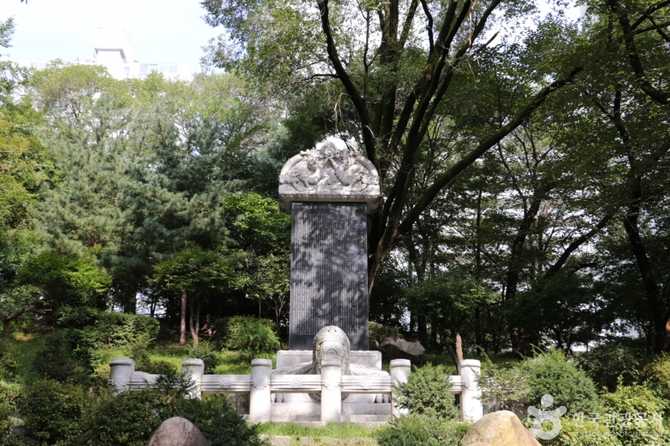
Q3 What are the main architectural highlights of Cheongnyangsa Temple?
The key structures include the Geungnakbojeon (Main Hall), Gwaneumjeon (Avalokitesvara Hall), Muryangsu-jeon (Amitabha Hall), and Daewoongjeon (Main Buddha Hall). These buildings showcase traditional Korean temple architecture and religious significance.
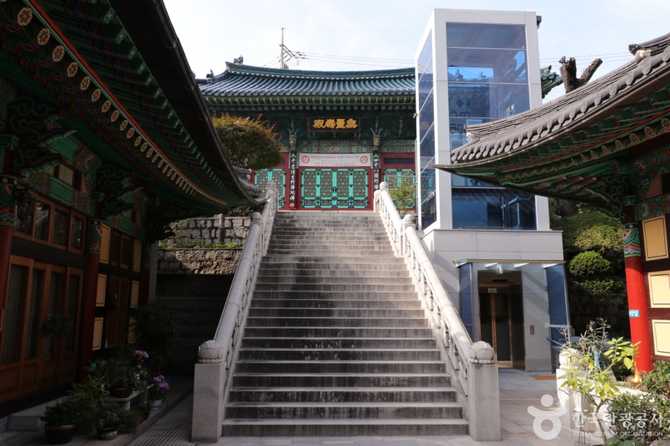
Q4 Are there any ongoing restoration or construction works at Cheongnyangsa?
Some buildings, such as the Geungnakbojeon, may be undergoing restoration or maintenance. It is advisable to check the official website or contact the temple beforehand for the latest updates on construction activities.
Q5 Does Cheongnyangsa Temple have facilities for families and children?
Yes, the temple features a children’s playground and family-friendly amenities, making it suitable for visitors with children. Visitors are advised to follow safety guidelines and supervise children during their visit.
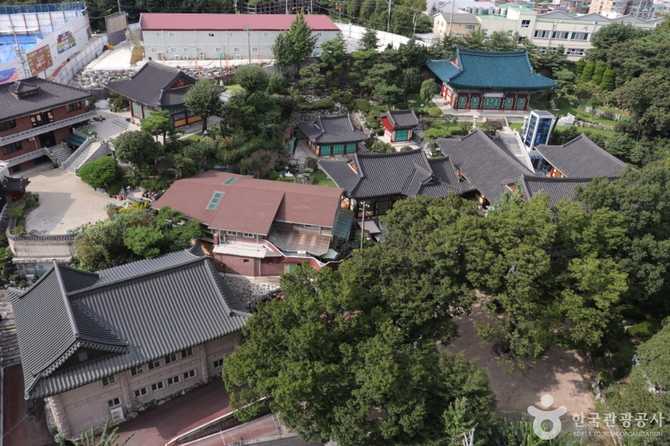
Q6 What is the best time to visit Cheongnyangsa for a peaceful experience?
Early mornings or late afternoons are ideal for a quiet and contemplative atmosphere. Visiting during these times allows visitors to enjoy the tranquility, traditional architecture, and natural surroundings without large crowds.
Final Tips for Visiting Cheongnyangsa Temple in Seoul
Visiting Cheongnyangsa Temple in Seoul offers a unique opportunity to immerse yourself in Korea’s rich Buddhist traditions and enjoy a peaceful escape within the bustling city. To make your experience as smooth and meaningful as possible, some practical tips can be very helpful. First, plan your visit during early morning or late afternoon hours to experience a more tranquil atmosphere, perfect for reflection, photography, or meditation. Remember to check the temple’s official website or contact them beforehand to confirm current opening hours, ongoing restoration work, or special events, ensuring you don’t miss out on key sights or activities. Wearing respectful, comfortable clothing and shoes is recommended, especially if you plan to walk around the grounds and explore the historic structures. Public transportation is highly advised to avoid traffic congestion, as the temple’s central location can sometimes lead to busy roads during peak hours. Bringing essentials such as water, a camera, and personal items will help you stay comfortable during your visit. Respect the temple’s rules and customs, maintaining a quiet and respectful demeanor to fully appreciate the serene environment. With these tips, your visit to Cheongnyangsa Temple in Seoul will be both enriching and memorable, allowing you to connect deeply with Korea’s spiritual and cultural heritage.