
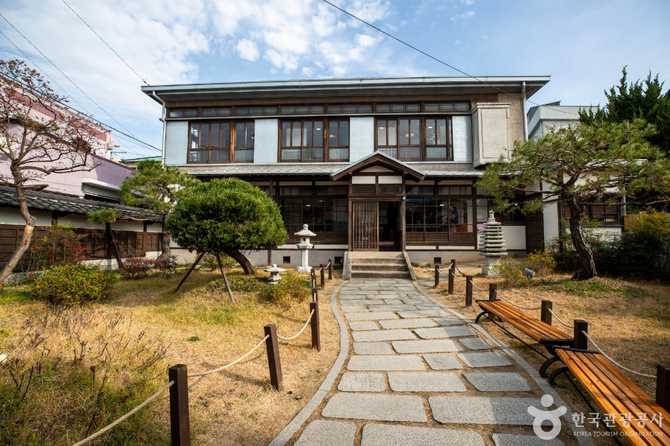
Discover the Historical Significance of Guryongpo Modern Cultural History Museum
Are you interested in exploring Korea’s modern history and Japanese cultural influence? The Guryongpo Modern Cultural History Museum in Pohang offers a unique glimpse into Japan-Korea historical exchanges through well-preserved Japanese-style wooden houses and heritage sites. This museum provides an immersive experience into the architectural and cultural legacy of the early 20th century, especially during the Japanese occupation period. Whether you’re a history enthusiast, architecture researcher, or a traveler seeking authentic cultural experiences, this site promises a meaningful journey into Korea’s modern past.
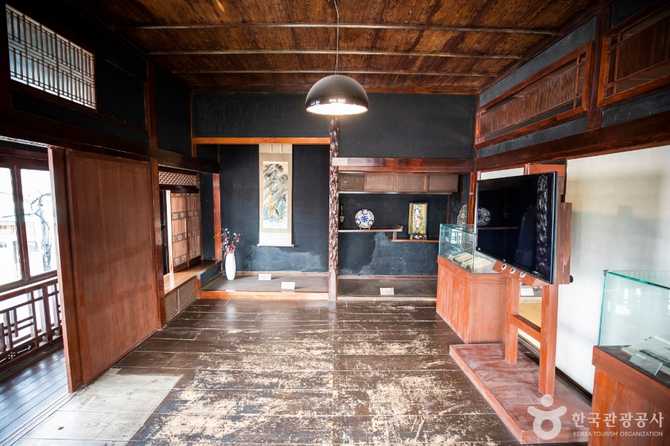
The Guryongpo Modern Cultural History Museum stands as a vital cultural space that highlights the Japanese wooden houses built during the 1920s by Japanese residents, notably Zenki Hashimoto. The area, once a hub for Japanese residents and fishing activities during the colonial era, now serves as a preserved historical district and a popular filming location. Restored by Pohang City in 2010, the museum features 47 remaining Japanese-style wooden structures, each reflecting traditional Japanese architectural elements such as tatami rooms, wooden lattices, and verandas. Visiting this museum allows you to understand the complex history of Japanese influence in Korea and appreciate the architectural craftsmanship of the period.
Beyond its historical significance, the Guryongpo area embodies a cultural crossroads where Korea and Japan once interacted intensely through trade, fishing, and cultural exchange. The site also provides insights into the colonial history, including the exploitation of fishing rights and the daily lives of Japanese settlers. Today, the museum functions as an educational and cultural resource, offering guided tours, exhibitions, and opportunities to observe traditional Japanese wooden construction techniques. Visitors can explore the restored buildings, learn about their architectural features, and participate in cultural programs that deepen understanding of this unique historical space.
It’s important to note that the museum is closed on Mondays, and some buildings may still be undergoing restoration. Visiting with prior confirmation of hours is recommended to ensure the best experience. The site is free to enter and has parking facilities for visitors. Whether you are interested in architecture, history, or cultural heritage, Guryongpo Modern Cultural History Museum is a significant destination that enriches understanding of Korea’s modern history and Japanese-Korean relations.
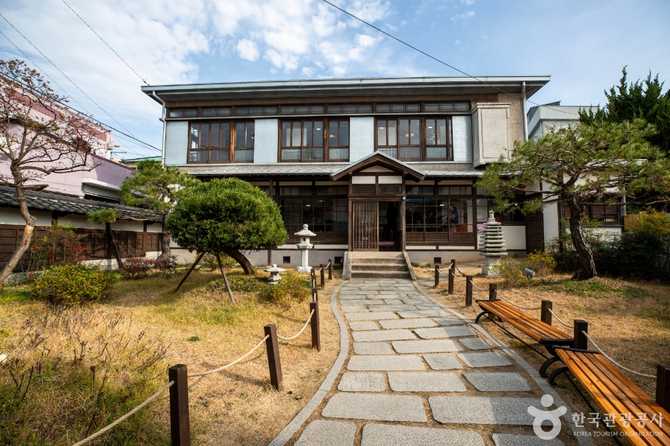
Plan your visit to this remarkable site and immerse yourself in the stories of Korea’s colonial past, architectural beauty, and ongoing cultural exchange. The museum not only preserves historical buildings but also serves as a platform for cultural education and heritage conservation, making it an essential stop for travelers and history buffs alike.
At a glance
- Who this is for
-
- Travelers interested in Korea’s modern history and Japanese cultural influence
- History enthusiasts exploring Korea-Japan relations
- Architecture researchers studying early 20th-century wooden structures
- Cultural tourists seeking authentic heritage experiences
- Key takeaways
-
- Features 47 preserved Japanese-style wooden houses from the 1920s
- Built by Japanese residents, notably Zenki Hashimoto, during the colonial era
- Restored in 2010 by Pohang City as a cultural and educational space
- Offers insights into Japan-Korea historical interactions and architecture
- Includes nearby attractions like Geumgang Fishery Museum and scenic coastlines
- Tips & cautions
-
- Closed on Mondays; check hours before visiting
- Some buildings may still be under restoration; observe caution
- Free entry, but parking is available nearby
- Bring a camera to capture traditional architecture details
- Bottom line
- Guryongpo Modern Cultural History Museum offers a meaningful journey into Korea’s colonial past and Japanese architectural heritage, making it a must-visit for history and culture enthusiasts.
Historical Background of Guryongpo Japanese Houses
The Guryongpo Modern Cultural History Museum is centered around the historic Japanese-style wooden houses that tell the story of Korea’s colonial past. This area, known as Guryongpo Japanese House Street, features a collection of 47 well-preserved wooden structures built during the 1920s by Japanese residents, particularly during the period of Japanese occupation of Korea. These buildings serve as a tangible reminder of the complex history of Japanese-Korean relations and the colonial era, offering visitors a rare opportunity to step back in time and observe authentic architecture from that period.
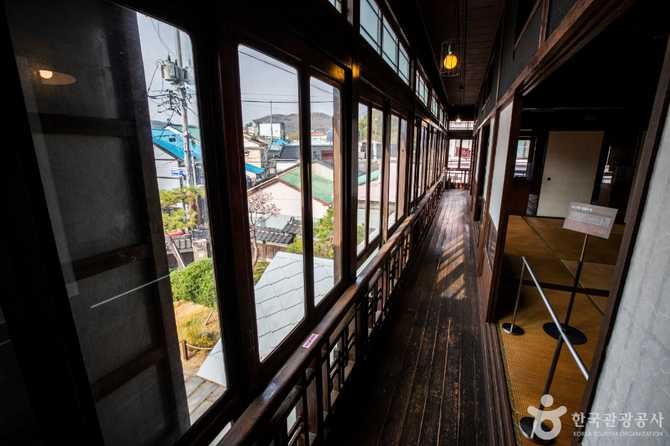
The origins of these Japanese houses date back to the late 19th and early 20th centuries, following the Japan-Korea Treaty of 1883, which opened Korea to Japanese trade and settlement. During the 1920s, Japanese residents, mainly engaged in fishing and trade, established these wooden homes as their residences and business hubs. Built using imported materials from Japan, these structures exemplify traditional Japanese architectural features such as wooden lattices, tatami-mat rooms, verandas, and intricate woodwork details. Despite the passage of nearly a century, many of these buildings have retained their original form, thanks to restoration efforts and careful preservation.
Today, these Japanese-style houses are recognized as important cultural heritage sites, illustrating the architectural style and living conditions of Japanese settlers during Korea’s colonial period. They also reflect the broader historical context of Japanese influence in Korea, including the exploitation of fishing rights and economic control. In 2010, Pohang City undertook a significant restoration project, transforming these historic houses into the Guryongpo Modern Cultural History Museum, which now serves as an educational space and cultural attraction. Visitors can explore the interior of these buildings, observe traditional Japanese construction techniques, and learn about the historical interactions between Korea and Japan through exhibitions and guided tours. This site is invaluable for understanding the colonial history, architectural craftsmanship, and cultural exchanges that shaped the region.

Comparison of Architectural Features of Guryongpo Japanese Houses
| Feature | Japanese Houses in Guryongpo | Traditional Japanese Houses |
|---|---|---|
| Construction Material | Imported wood, primarily from Japan | Native Japanese timber and materials |
| Architectural Style | Japanese wooden lattice, verandas, tatami rooms | Traditional Japanese design with sliding doors, tatami mats, and wooden beams |
| Structural Elements | Wooden framework, lattice windows, gabled roofs | Post-and-beam construction, shoji screens, and decorative woodwork |
| Interior Features | Fusuma sliding doors, tokonoma alcoves, traditional Japanese fixtures | Tatami flooring, fusuma and shoji sliding doors, minimalistic decor |
| Preservation Status | Many structures restored and preserved, some under ongoing restoration | Well-preserved, considered cultural treasures in Japan |
Restoration and Cultural Value of Guryongpo Japanese Houses
- Restoration Efforts: In 2010, Pohang City undertook a comprehensive restoration project to preserve the authenticity of the Japanese houses. During this process, efforts were made to maintain the original architectural features, including the wooden framework, lattice windows, and traditional interiors. Restoration was guided by historical records and traditional construction techniques, ensuring that the buildings retain their cultural integrity.
- Cultural Significance: These Japanese houses are not only architectural artifacts but also symbols of Korea’s colonial history and Japanese influence. They serve as educational resources, helping visitors understand the socio-economic dynamics of the colonial period, including Japanese settlement, fishing industry development, and cultural exchanges.
- Heritage Designation: Recognized as cultural heritage sites, these structures are protected under local heritage laws. Their preservation is crucial for future generations to learn about the colonial past and appreciate traditional Japanese architecture.
- Visitor Experience: The restored buildings are now part of the Guryongpo Modern Cultural History Museum, offering educational programs, guided tours, and cultural activities. Visitors can observe Japanese construction techniques firsthand and participate in cultural workshops, deepening their understanding of early 20th-century architecture and history.
Visitor Information & Tips for Guryongpo Modern Cultural History Museum
Planning your visit to the Guryongpo Modern Cultural History Museum ensures a smooth and enriching experience. Here are essential details and practical tips to make the most of your trip:
| Aspect | Details |
|---|---|
| Operating Hours | 10:00 AM – 5:30 PM (Last admission at 5:20 PM) |
| Closed Days | Every Monday (check before visiting) |
| Entry Fee | Free |
| Parking | Available nearby |
| Contact | 054-276-9605 |
To ensure the best experience, it is recommended to:
- Verify the current operating hours and closure days before your visit.
- Arrive early to explore all buildings before closing time.
- Bring a camera to capture the traditional Japanese architecture.
- Wear comfortable shoes, as walking around the open-air site involves some walking.
- Respect the restoration work; avoid touching or entering restricted areas.
- Participate in guided tours or cultural programs if available for a richer understanding.
Nearby Attractions & Cultural Experiences in Guryongpo
While visiting the Guryongpo Modern Cultural History Museum, make sure to explore the surrounding area to fully experience the region’s cultural and natural beauty. Here is a checklist of nearby attractions and activities:
- Geumgang Fishery Museum: Learn about the local fishing industry and traditional fishing techniques.
- Guryongpo Coastline & Scenic Views: Enjoy the breathtaking views of the East Sea and take a leisurely walk along the coast.
- Guryongpo Fish Market: Taste fresh seafood and regional specialties, including the famous Guryongpo dried fish and seafood dishes.
- Guryongpo Port: Observe local fishing boats and experience the lively port atmosphere.
- Guryongpo Cultural Village: Explore traditional houses, local art, and craft workshops.
- Experience Local Seafood Restaurants: Savor regional seafood dishes such as grilled fish, sashimi, and seafood stews.
- Participate in Marine Activities: Engage in water sports like kayaking, fishing, or boat tours offered in the area.
These attractions provide a well-rounded cultural and natural experience, complementing your visit to the historical Japanese houses and deepening your understanding of Guryongpo’s rich heritage.
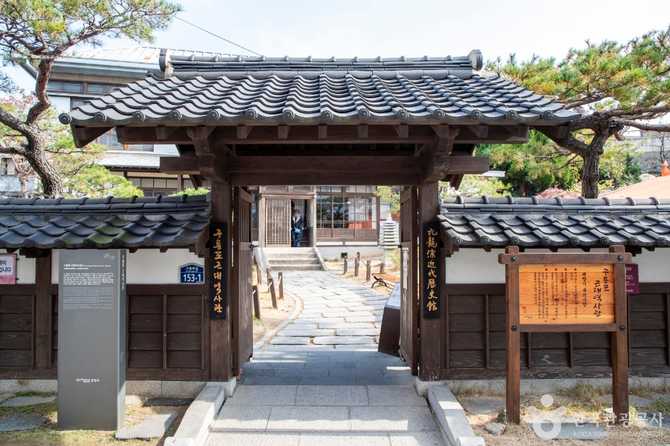
Whether you visit during the day or evening, Discover the Historical Significance of is a meaningful stop on any Seoul itinerary for history-minded travelers.
Frequently Asked Questions (FAQ)
Q1: When was the Guryongpo Modern Cultural History Museum established?
The Guryongpo Modern Cultural History Museum was opened in 2010 after restoration efforts by Pohang City, transforming the Japanese house district into a cultural and educational space.
Q2: Who is the target audience for visiting the Guryongpo Japanese Houses?
This site is ideal for travelers interested in Korea’s modern history, Japanese cultural influence, architecture researchers, and anyone seeking authentic heritage experiences related to Korea-Japan relations.
Q3: What is the historical significance of the Japanese houses in Guryongpo?
The Japanese houses reflect Korea’s colonial past, built by Japanese residents during the 1920s, and serve as tangible evidence of Japanese influence, settlement, and economic activities during the colonial era.
Q4: What are the main architectural features of the Japanese houses in Guryongpo?
The houses feature traditional Japanese wooden lattice windows, verandas, tatami rooms, imported timber, and post-and-beam construction, many of which have been preserved or restored for public viewing.
Q5: Are the Japanese houses in Guryongpo open to visitors year-round?
Yes, the houses are generally open to visitors from 10:00 AM to 5:30 PM, but they are closed on Mondays. It’s recommended to check the operating hours before your visit.
Q6: What other attractions can I visit near the Guryongpo Japanese House district?
You can explore the Geumgang Fishery Museum, Guryongpo Coastal Cliffs, local cafes and seafood restaurants, and enjoy marine sports or scenic walks along the coast.
Experience the Rich Heritage of Guryongpo Modern Cultural History Museum
Visiting the Guryongpo Modern Cultural History Museum offers a unique opportunity to explore Korea’s colonial past and Japanese architectural influence firsthand. This site provides a meaningful connection to history through its well-preserved Japanese-style wooden houses, which tell stories of Korea-Japan relations during the early 20th century. As you walk through the historic streets, you can observe traditional Japanese construction techniques, appreciate the craftsmanship of the era, and gain insight into the daily lives of Japanese residents during the colonial period. The museum’s restoration efforts ensure that visitors experience an authentic glimpse into that time, making it an educational and cultural highlight in Pohang. Whether you are passionate about history, architecture, or cultural heritage, the Guryongpo area is a compelling destination that deepens understanding of Korea’s modern history and its complex relationship with Japan. Plan your visit carefully, check opening hours in advance, and take advantage of nearby attractions like the Geumgang Fishery Museum or the scenic coastlines to enrich your cultural journey. This site is more than just a historical landmark—it’s a vital space for learning, reflection, and cultural appreciation that will leave a lasting impression on every visitor.