

Discover Gunsan Imppi Station: History and Cultural Heritage
Are you interested in exploring Korea’s rich history through its historic railway stations? Discover the significance of Gunsan Imppi Station, a cultural landmark that offers a glimpse into Korea’s past while serving as a vibrant tourist destination today. Whether you’re a history enthusiast, architecture lover, or a traveler seeking authentic cultural experiences, Imppi Station provides a unique journey into Korea’s industrial and transportation heritage.

At a glance
- Who this is for
-
- Travelers interested in Korean history and culture
- Researchers studying railway architecture and history
- Tourists seeking unique cultural landmarks in Gunsan
- History educators and students
- Local residents and heritage advocates
- Key takeaways
-
- Built in 1936 as part of the Gunsan Line during Japanese occupation
- Served as a key transportation hub for agricultural products during colonial rule
- Designated as a registered cultural heritage site in 2005
- Features traditional architecture from the Japanese colonial era
- Now a popular tourist attraction and educational site
- Tips & cautions
-
- Visit during operating hours: 10 AM to 6 PM
- Closed on Mondays; plan your visit accordingly
- Free admission, but parking may be limited
- Respect the historical site and avoid damaging artifacts
- Bottom line
- Gunsan Imppi Station is a vital cultural asset that connects Korea’s past with present-day tourism and education.
Gunsan Imppi Station stands as a testament to Korea’s historical journey through the colonial period and its ongoing efforts to preserve cultural heritage. Located in Imppi-myeon, Gunsan City, this station was originally constructed in 1936 as part of the expansion of the Gunsan Line, which played a crucial role during Japan’s occupation era. It served as a vital transportation link for agricultural produce, especially during the colonial period when Korea’s rural economy depended heavily on rail logistics.
Today, Imppi Station has been transformed from a functional transportation hub into a cultural and historical landmark that attracts visitors from all over Korea and beyond. Recognized as a registered cultural heritage site in 2005, the station preserves its traditional architecture, offering visitors a glimpse into the design aesthetics of the Japanese colonial era. Its wooden and brick structures remain remarkably well-preserved, making it an ideal site for history buffs and architecture enthusiasts.
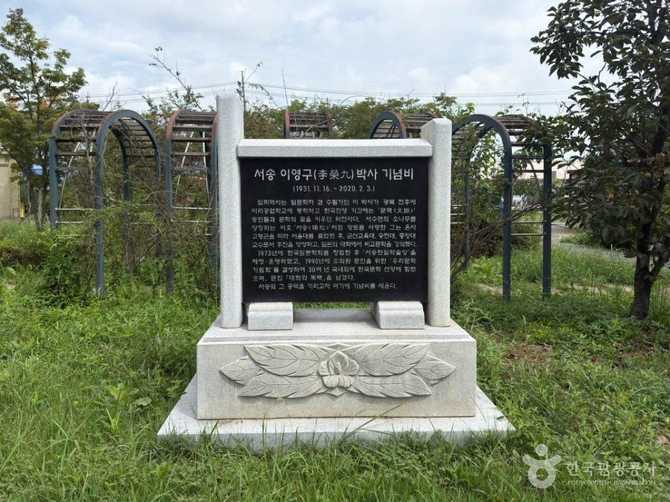
Whether you are exploring Korea’s railway history, studying colonial architecture, or simply seeking a meaningful cultural experience, Gunsan Imppi Station offers a compelling destination. Its location in the scenic Gunsan region makes it a perfect stop for travelers interested in regional history, local culture, and heritage conservation. This site not only provides educational insights but also offers opportunities for photography, cultural events, and community engagement.

In this guide, we will explore the historical background of Imppi Station, its architectural features, current tourism offerings, and practical visitor information. Prepare to discover how this historic station embodies Korea’s complex history and its ongoing commitment to cultural preservation. Whether you plan a day trip or a detailed exploration, Gunsan Imppi Station promises an enriching experience that bridges Korea’s past and present.
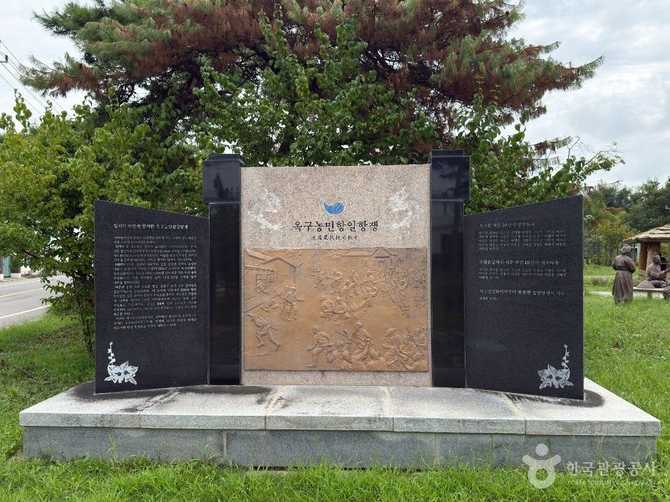
Imppi Station Overview and Historical Background
Gunsan Imppi Station is a historic railway station located in Imppi-myeon, Gunsan City, North Jeolla Province, South Korea. Established in 1936, this station is an important cultural asset that encapsulates Korea’s colonial-era transportation history. As a key part of the Gunsan Line, Imppi Station played a vital role during the Japanese occupation period, serving as a transportation hub for agricultural products and regional goods. Its strategic location and functional design made it a crucial link for rural communities and the local economy, especially during the early to mid-20th century.
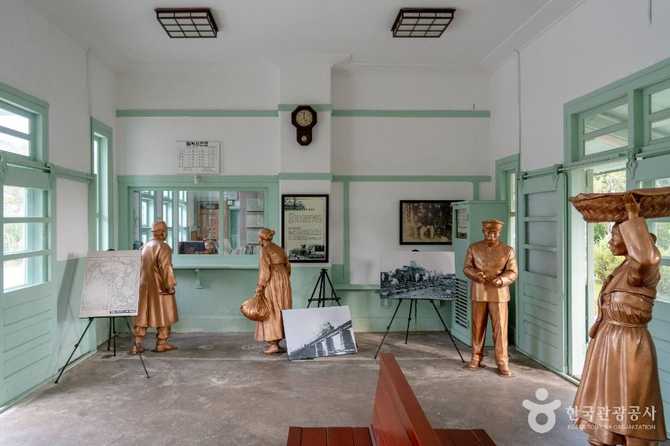
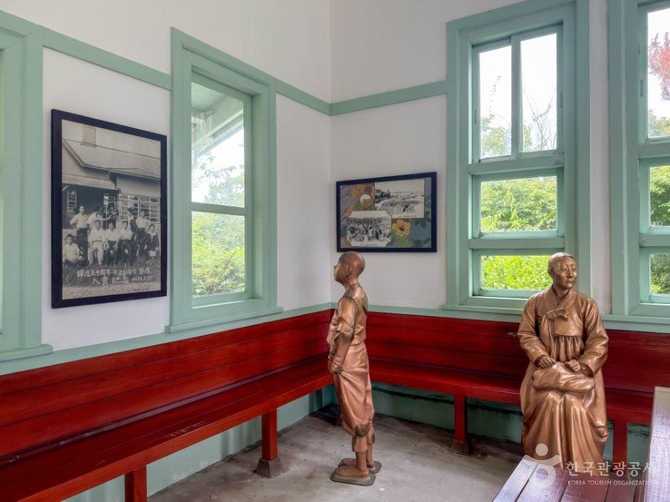
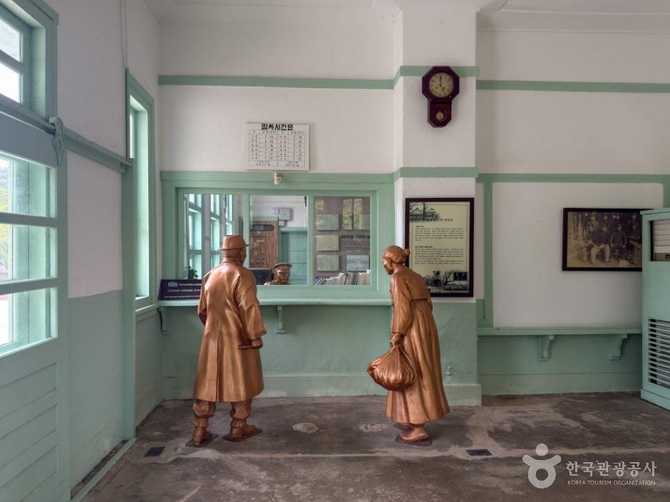
Today, Imppi Station has transitioned from a purely operational railway station into a cultural heritage site and tourist attraction. Recognized as a registered cultural heritage in 2005, it preserves much of its original architecture, which features traditional Japanese colonial design elements. The station’s wooden structures and brick facades remain well-preserved, providing visitors with a tangible connection to Korea’s historical past. This site not only offers insights into Korea’s colonial history but also serves as an educational platform for understanding the development of regional transportation networks during the Japanese occupation.
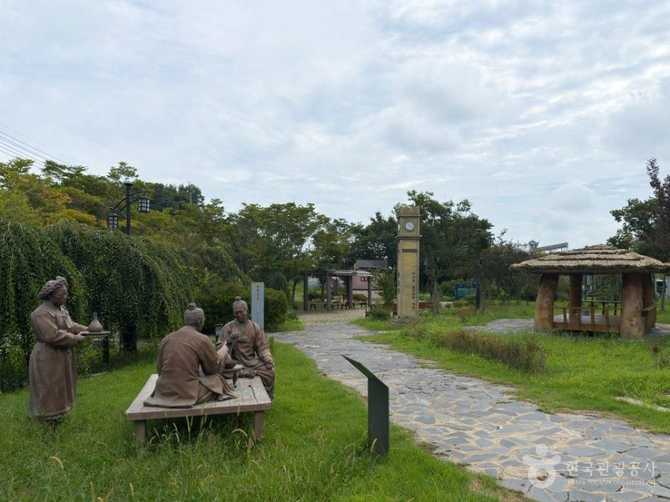
The station’s historical significance extends beyond its architecture. It symbolizes Korea’s resilience and efforts to preserve its cultural identity amid periods of colonization and modernization. Visitors can learn about the economic importance of railway logistics during the colonial era and reflect on Korea’s journey toward independence and cultural preservation. Imppi Station’s designation as a cultural heritage site ensures ongoing efforts to conserve its structure and history, making it a must-visit destination for history enthusiasts, architecture lovers, and those interested in Korea’s colonial past.
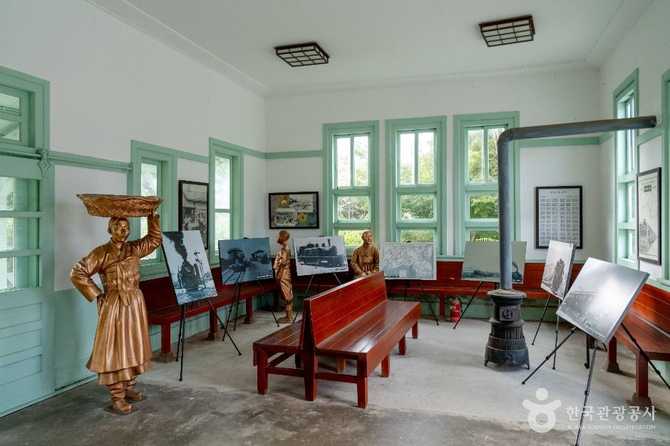
In summary, Imppi Station is more than just a train stop; it is a historical monument that embodies Korea’s complex history and cultural resilience. Its preservation allows future generations to understand and appreciate the country’s past struggles and achievements. Whether you are exploring Korea’s railway history or seeking a meaningful cultural experience, Imppi Station offers a unique window into Korea’s colonial and post-colonial eras, making it an essential part of your travel itinerary in Gunsan.
Architectural Features of Imppi Station
| Comparison Item | Details |
|---|---|
| Architectural Style | Traditional Japanese colonial architecture with simple, functional design |
| Construction Materials | Wooden beams, brick walls, and tiled roofing |
| Structural Integrity | Well-preserved original structure with minimal modern alterations |
| Design Features | Symmetrical layout, traditional gabled roof, wooden window frames |
| Restoration Status | Extensive restoration in 2005 to maintain historical authenticity |
The architectural features of Imppi Station reflect the typical design elements of Japanese colonial railway stations, emphasizing simplicity and durability. The wooden structures and brick walls have stood the test of time, and ongoing preservation efforts ensure that the station retains its original appearance. Visitors can appreciate the craftsmanship of the period and understand how architecture served both functional and aesthetic purposes during Korea’s colonial era. The station’s symmetrical design and traditional roofing style provide a picturesque example of early 20th-century railway architecture in Korea.
Historical Significance and Cultural Heritage Registration
- Construction and Role: Built in 1936 as part of the expansion of the Gunsan Line, Imppi Station played a crucial role during Japan’s colonial rule, facilitating the transportation of agricultural products and regional goods.
- Symbolic Importance: The station symbolizes Korea’s colonial history, representing both economic development and the hardships faced during that period.
- Cultural Heritage Status: On November 11, 2005, Imppi Station was officially designated as a registered cultural heritage site by the South Korean government, recognizing its architectural and historical value.
- Preservation Efforts: The designation has led to ongoing conservation projects to maintain the station’s structure and historical integrity, ensuring that future generations can learn from and enjoy this cultural asset.
- Educational and Tourism Value: Today, the station serves as a venue for educational programs, cultural events, and tourism, fostering awareness of Korea’s colonial past and heritage preservation.
Tourist Attractions & Visiting Information at Imppi Station
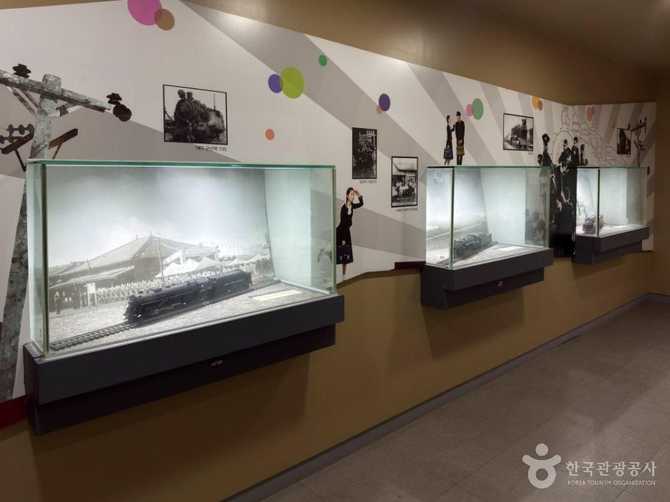
Imppi Station has transformed from a historical transportation hub into a popular cultural and tourist destination. Visitors can explore its well-preserved architecture, learn about Korea’s colonial railway history, and enjoy various educational and cultural activities. The station offers several facilities designed to enhance the visitor experience, making it an ideal site for history enthusiasts, architecture lovers, and families seeking meaningful outings. Below are key details and attractions to help plan your visit to Imppi Station:

| Aspect | Details |
|---|---|
| Operating Hours | 10:00 AM – 6:00 PM |
| Closed on | Every Monday |
| Admission Fee | Free |
| Parking | Limited parking available; public transportation recommended |
| Main Attractions |
|
When planning your visit, consider arriving during the operating hours to fully enjoy the exhibits and guided tours. It’s advisable to avoid Mondays, as the station is closed for maintenance and staff rest. Visitors are encouraged to use public transportation due to limited parking space and to help preserve the site. Be respectful of the artifacts and the historical structure, and follow any signage or instructions provided on-site to ensure a meaningful and responsible visit.

Visitor Tips & Important Notes for Imppi Station
- Visit during operational hours: Ensure you arrive between 10:00 AM and 6:00 PM to enjoy all facilities and guided tours.
- Check closure days: The station is closed every Monday; plan your visit accordingly to avoid disappointment.
- Respect the site: Do not damage or remove artifacts, and refrain from touching or climbing on historical structures.
- Use public transportation: Parking is limited; consider using buses or taxis for convenience and preservation.
- Bring necessary items: Carry personal items, water, and a camera for photos; ensure your belongings do not disturb the site.
- Follow signage and guidelines: Adhere to all instructions and rules posted at the site to ensure safety and preservation.
- Plan ahead: Visit during weekdays or off-peak hours for a more relaxed experience, especially if participating in guided tours.
- Educational engagement: Take advantage of available educational programs or guided tours to deepen your understanding of Korea’s colonial railway history.
Whether you visit during the day or evening, Discover Gunsan Imppi Station is a meaningful stop on any Seoul itinerary for history-minded travelers.
Frequently Asked Questions (FAQ)
Q1: When was Imppi Station built?
An: Imppi Station was established in 1936 as part of the expansion of the Gunsan Line during Japan’s colonial occupation of Korea.

Q2: What architectural style does Imppi Station feature?
An: The station showcases traditional Japanese colonial architecture, characterized by simple, functional design with wooden beams, brick walls, and tiled roofing.
Q3: Is Imppi Station currently open to visitors?
An: Yes, Imppi Station is open to visitors from 10 AM to 6 PM, except on Mondays when it is closed. Admission is free.
Q4: Why is Imppi Station designated as a cultural heritage site?
An: It was designated as a registered cultural heritage in 2005 due to its historical significance, architectural integrity, and role during Korea’s colonial period.
Q5: What should I keep in mind when visiting Imppi Station?
An: Visitors should respect the preservation guidelines, avoid damaging artifacts, and plan their visit during operating hours. Parking may be limited, so public transportation is recommended.
Q6: Are there guided tours available at Imppi Station?
An: While official guided tours are not always available, it is recommended to join a guided tour or use informational signage to better understand the station’s historical and architectural significance.
Conclusion: Experience the Rich Heritage of Gunsan Imppi Station
Visiting Gunsan Imppi Station offers a unique opportunity to connect with Korea’s historical journey through its well-preserved architecture and cultural significance. As a site that played a vital role during Japan’s colonial era, Imppi Station embodies Korea’s resilience and dedication to preserving its heritage. Whether you are a history enthusiast, an architecture lover, or a curious traveler, exploring this station provides valuable insights into Korea’s past and its ongoing efforts to maintain cultural landmarks. The station’s traditional design, combined with its historical importance, makes it a meaningful stop that enriches any travel itinerary in Gunsan. Take the time to appreciate its architectural details, learn about its role in regional development, and reflect on Korea’s journey toward independence and cultural preservation. Visiting Imppi Station is more than sightseeing; it’s an educational experience that deepens your understanding of Korea’s complex history. Make sure to plan your visit during operational hours, respect the site’s preservation guidelines, and enjoy immersing yourself in this remarkable piece of Korea’s cultural heritage.