

출처 : ⓒ한국관광콘텐츠랩 또는 ⓒ한국관광공사
Discover the Historical Significance of Goesan Song Si-yeol Historic Site
Location 충청북도 괴산군 청천면 화양동길 188
Location 충청북도 괴산군 청천면 화양동길 188
Are you interested in exploring Korea’s rich cultural heritage and learning about the influential figures of the Joseon Dynasty? The Goesan Song Si-yeol Historic Site offers a unique glimpse into Korea’s scholarly and political history, symbolizing the core of Joseon Neo-Confucianism and national pride. Visiting this site allows travelers to immerse themselves in the spirit of Korea’s past, understand the importance of Confucian values, and appreciate the efforts to preserve cultural legacy for future generations.
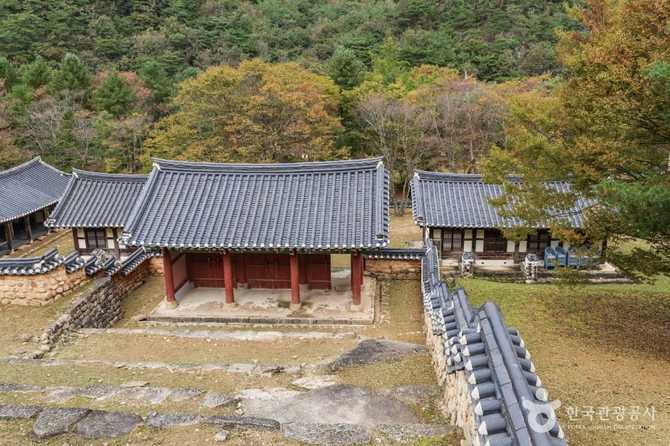
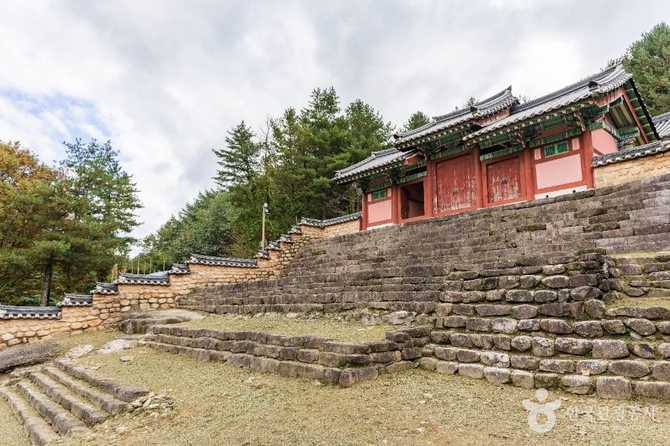
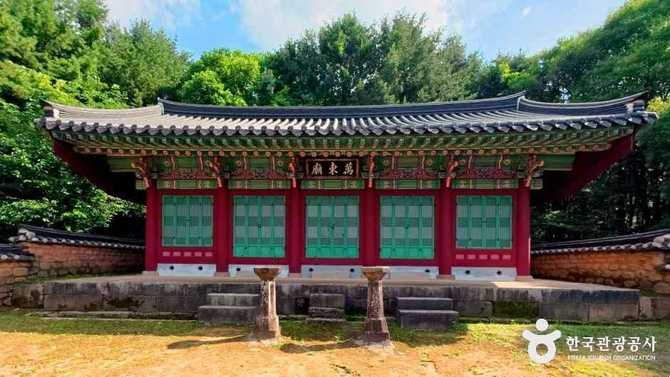
Located in Cheongcheon-myeon, Goesan County, North Chungcheong Province, the Goesan Song Si-yeol Historic Site is a significant cultural landmark that commemorates the life and achievements of Song Si-yeol, a prominent Neo-Confucian scholar and politician of the late Joseon era. Despite being damaged during the Japanese occupation, the site has been restored and continues to serve as an educational and historical resource. Visitors can explore various related sites, such as the Hwayang Seowon and Mandong Shrine, which are concentrated within the Hwayang Valley area.
This historic site is open year-round and free of charge, with a parking fee of 5,000 won. It is an ideal destination for students, researchers, history enthusiasts, and anyone interested in Korea’s cultural heritage. Through its preservation efforts and educational programs, the Goesan Song Si-yeol Historic Site plays a vital role in promoting awareness of Korea’s Confucian traditions and national identity. Whether you are planning a cultural tour or a scholarly visit, this site offers meaningful insights into Korea’s historical and philosophical developments.
At a glance
- Who this is for
-
- Visitors interested in Korean history and culture
- Students and researchers studying Joseon Neo-Confucianism
- Cultural travelers planning heritage exploration
- Key takeaways
-
- Dedicated to Song Si-yeol, a prominent Joseon scholar and politician
- Includes historic sites like Hwayang Seowon and Mandong Shrine
- Damaged during Japanese occupation but restored for educational purposes
- Open year-round with free admission and parking fee of 5,000 won
- Symbolizes Korea’s Confucian heritage and national pride
- Tips & cautions
-
- Check the latest visiting information on the official website or Goesan County Office
- Visit during spring or autumn for optimal natural scenery
- Respect the site’s preservation guidelines and natural environment
- Bottom line
- Visiting the Goesan Song Si-yeol Historic Site offers a meaningful experience to understand Korea’s Confucian legacy and national history.
Explore the rich history of Korea through the Goesan Song Si-yeol Historic Site, a place where the ideals of Neo-Confucianism and patriotism are preserved and celebrated. This site not only highlights the scholarly achievements of Song Si-yeol but also embodies Korea’s enduring cultural identity. Whether you are a history buff, a student, or a curious traveler, this heritage site provides an enriching experience that connects the past with the present.

Located in Cheongcheon-myeon, Goesan County, the site is accessible year-round, offering visitors a chance to walk through history at any time. The site’s various memorials, historic structures, and inscriptions serve as educational tools that deepen understanding of Korea’s philosophical and political evolution during the Joseon Dynasty. As a symbol of resilience and cultural pride, the Goesan Song Si-yeol Historic Site continues to inspire visitors to appreciate Korea’s rich intellectual tradition and its ongoing efforts to preserve cultural heritage.
Overview of the Goesan Song Si-yeol Historic Site
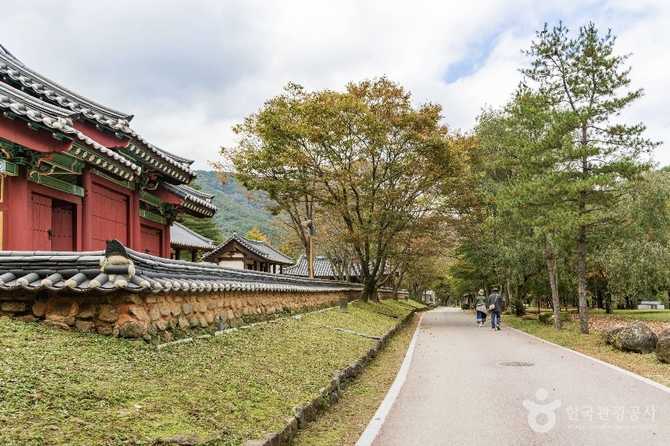
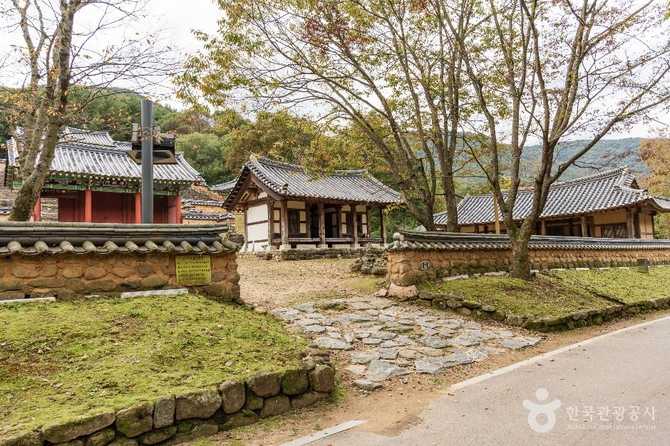
The Goesan Song Si-yeol Historic Site is a significant cultural landmark in North Chungcheong Province, South Korea, dedicated to the renowned Neo-Confucian scholar and politician Song Si-yeol. As a key site representing Korea’s rich philosophical and political history during the Joseon Dynasty, this historic location offers visitors an immersive experience into Korea’s scholarly tradition and national pride. The site is situated in Cheongcheon-myeon, within the scenic Hwayang Valley, where various memorials, shrines, and historic structures are preserved to honor Song Si-yeol’s life and legacy.
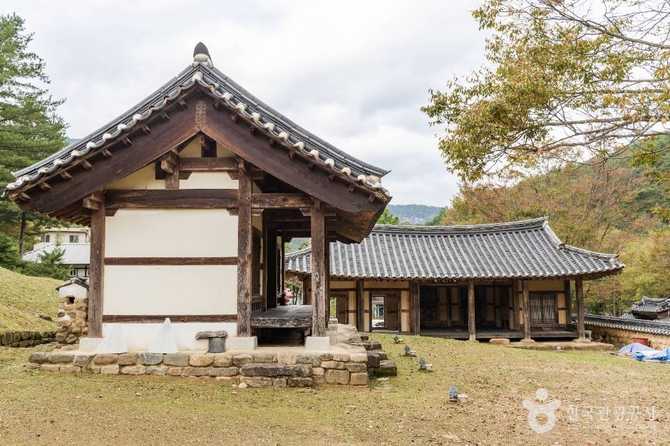
Song Si-yeol, born in 1607 and active until 1689, was a leading figure in the development of Neo-Confucianism during the late Joseon period. His influence extended beyond philosophy into politics, where he played a vital role in shaping the governance and ideological direction of Korea at the time. The historic site encompasses several key locations, including the Hwayang Seowon (a Confucian academy), Mandong Shrine (a memorial shrine for royal ancestors), and other related structures that collectively serve as a testament to his enduring influence.
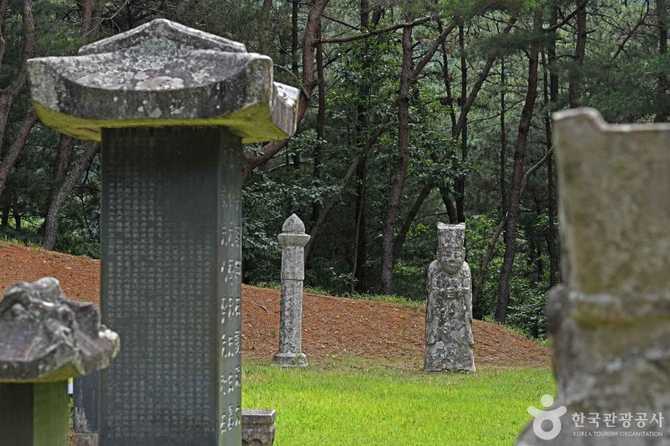
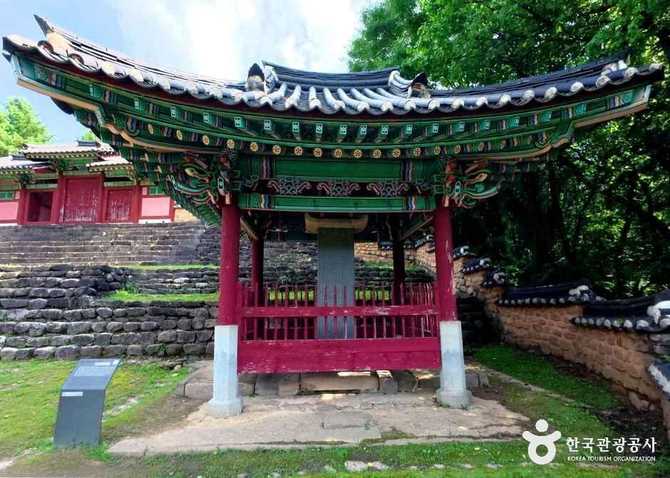
Despite suffering damage during the Japanese occupation, the site has been carefully restored and preserved to serve educational and cultural purposes. Visitors can explore inscriptions, ancient stone tablets, and architectural remains that reflect Korea’s Confucian values and historical resilience. The site is open year-round, free of charge, with parking available for a fee of 5,000 won. It attracts students, scholars, and history enthusiasts eager to learn about Korea’s intellectual history and the enduring spirit of patriotism embodied by Song Si-yeol.

By visiting the Goesan Song Si-yeol Historic Site, travelers gain insights into Korea’s philosophical foundations and the importance of cultural preservation. It stands as a symbol of Korea’s commitment to maintaining its cultural identity and historical continuity, making it a must-visit destination for those interested in Korea’s heritage and Confucian traditions.
Comparison of Key Aspects of the Goesan Song Si-yeol Historic Site
| Feature | Details |
|---|---|
| Location | Cheongcheon-myeon, Goesan County, North Chungcheong Province, South Korea |
| Historical Significance | Dedicated to Song Si-yeol, a key Neo-Confucian scholar and political figure of the late Joseon Dynasty, symbolizing Korea’s philosophical and national heritage. |
| Main Structures | Hwayang Seowon (Confucian academy), Mandong Shrine, memorial tablets, inscriptions, and related historic sites. |
| Damage & Restoration | Damaged during Japanese occupation; restored through ongoing preservation efforts to maintain historical integrity. |
| Visitor Access | Open year-round, free admission, parking fee of 5,000 won. |
| Educational Value | Provides insights into Confucian philosophy, Joseon politics, and Korea’s cultural resilience. |
Visitor Checklist and Tips for Exploring the Goesan Song Si-yeol Historic Site
- Plan your visit: The site is open year-round and free of charge. Check the official website or contact the Goesan County Office for the latest information on special exhibitions or events.
- Best visiting seasons: Spring and autumn are ideal for enjoying Korea’s natural scenery and pleasant weather.
- Explore key sites: Don’t miss the Hwayang Seowon, Mandong Shrine, and inscriptions carved on rocks that reflect Song Si-yeol’s teachings.
- Respect preservation efforts: Avoid touching or damaging historic structures and inscriptions. Follow guidelines to help conserve the site’s integrity.
- Bring essentials: Comfortable footwear, water, and sun protection are recommended for a pleasant experience.
Visitor Information and Access Guidelines for Goesan Song Si-yeol Historic Site
| Item | Details |
|---|---|
| Location | Cheongcheon-myeon, Goesan County, North Chungcheong Province, South Korea |
| Opening Hours | Open year-round, 24 hours; best to visit during daylight hours for full experience |
| Admission Fee | Free of charge |
| Parking Fee | 5,000 won for parking |
| Contact | Goesan County Office Cultural Heritage Team, 043-830-3437~8 |
| Additional Tips | Check the official website or contact local authorities for updates on special exhibitions or events. Wear comfortable shoes and bring essentials like water and sun protection. |
Preservation and Cultural Significance of the Goesan Song Si-yeol Historic Site
- Restoration efforts: Although some structures and inscriptions were damaged during the Japanese occupation, ongoing preservation projects have been implemented to restore and maintain the site’s historical integrity.
- Importance of preservation: The site serves as a vital symbol of Korea’s Confucian heritage and national pride. Its preservation ensures that future generations can continue to learn from and appreciate Korea’s philosophical and cultural history.
- Community and government roles: Local authorities and cultural organizations collaborate to protect and restore the site, supporting educational programs and cultural activities that highlight its significance.
- Educational value: The site functions as an open-air classroom, providing insights into Confucian teachings, Joseon politics, and Korea’s resilience through historical restoration efforts.
- Visitor responsibility: Respect the site’s historical value by following preservation guidelines, avoiding damage to structures or inscriptions, and maintaining environmental cleanliness during visits.
Whether you visit during the day or evening, Discover the Historical Significance of is a meaningful stop on any Seoul itinerary for history-minded travelers.
Frequently Asked Questions (FAQ)
Q1: What is the historical significance of the Goesan Song Si-yeol Historic Site?
The site commemorates Song Si-yeol, a prominent Neo-Confucian scholar and politician of the late Joseon Dynasty. It symbolizes Korea’s philosophical heritage and national pride, highlighting his contributions to Confucianism and politics.

Q2: What are the main structures and sites within the Goesan Song Si-yeol Historic Site?

Key structures include the Hwayang Seowon (Confucian academy), Mandong Shrine, and various memorial tablets and inscriptions. These sites reflect Song Si-yeol’s scholarly and political legacy.
Q3: Is the Goesan Song Si-yeol Historic Site open to visitors year-round?
Yes, the site is open throughout the year with no restrictions. It offers free admission, and visitors can explore the historic structures at any time.
Q4: Are there any entrance fees or parking costs at the site?

There is no entrance fee for visiting the site. However, parking is available for a fee of 5,000 won. It is recommended to check the latest parking information before your visit.

Q5: How has the site been preserved or restored after damage during the Japanese occupation?

The site was damaged during the Japanese occupation but has since undergone restoration and preservation efforts. These efforts aim to maintain its historical integrity and educational value.
Q6: When is the best time to visit the Goesan Song Si-yeol Historic Site?
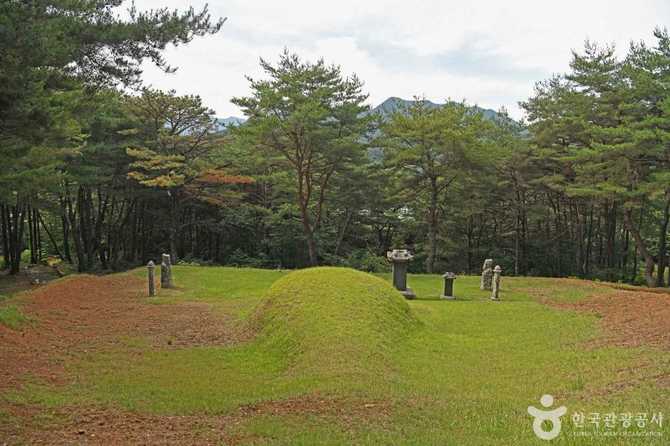
The best visiting seasons are spring and autumn when the natural scenery is most beautiful. The site is accessible year-round, so visitors can choose any season to explore Korea’s cultural heritage.
Conclusion: Embrace Korea’s Rich Cultural Heritage at the Goesan Song Si-yeol Historic Site
Visiting the Goesan Song Si-yeol Historic Site offers a profound opportunity to connect with Korea’s historical and philosophical roots. As a symbol of Neo-Confucian scholarship and national pride, this site embodies Korea’s enduring cultural identity. Whether you are a history enthusiast, a student of Korean philosophy, or a traveler seeking meaningful experiences, exploring this historic location enriches your understanding of Korea’s past and its ongoing efforts to preserve cultural heritage.
The site’s carefully restored structures, inscriptions, and memorials serve as tangible links to Korea’s scholarly and political history during the Joseon Dynasty. It stands as a testament to the resilience and dedication of Koreans in maintaining their cultural legacy despite historical challenges such as damage during the Japanese occupation. Visiting the Goesan Song Si-yeol Historic Site not only provides educational value but also inspires appreciation for Korea’s philosophical traditions and its commitment to cultural preservation.
Plan your visit with respect for the site’s historical significance and natural environment. The site is open year-round and free of charge, making it accessible for everyone to experience Korea’s rich heritage. Remember to check the official sources for the latest information on visiting hours and any special events. By exploring the Goesan Song Si-yeol Historic Site, you contribute to the ongoing appreciation and preservation of Korea’s cultural treasures, ensuring that future generations can continue to learn from and be inspired by Korea’s remarkable history.